

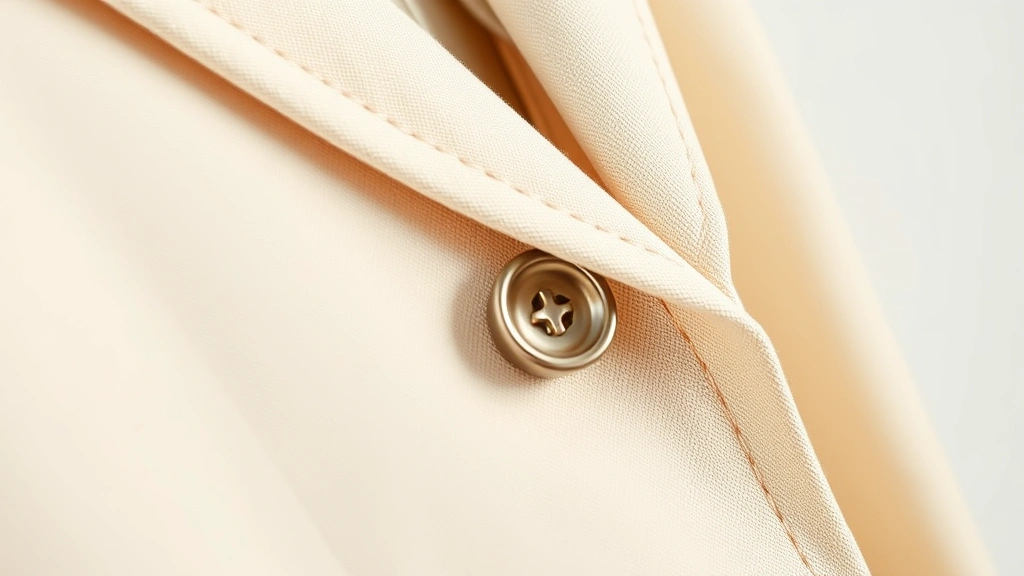
High Quality Fashion: Designer Insights and the Art of Timeless Style
In an era where fast fashion dominates retail landscapes and trends cycle faster than ever, the pursuit of high quality fashion has become a defining characteristic of discerning consumers. True luxury transcends fleeting trends; it embodies craftsmanship, sustainability, and an unwavering commitment to excellence. Leading designers reveal that quality fashion is not merely about price tags or brand prestige—it’s about understanding the intricate details that separate exceptional garments from ordinary ones.
The fashion industry’s most respected designers and style authorities consistently emphasize that investing in quality pieces is both a practical and philosophical choice. When you understand what makes clothing truly exceptional, you gain the power to build a wardrobe that serves you for years, reflecting your personal style while maintaining its integrity through countless wears and seasons. This comprehensive guide explores designer perspectives on achieving and maintaining high quality fashion.

Understanding Quality Craftsmanship
Craftsmanship represents the foundation of high quality fashion. Renowned designers emphasize that exceptional garments result from meticulous attention to every element, from pattern cutting to final stitching. When designers discuss what elevates a piece from ordinary to extraordinary, they consistently reference the human skill involved in construction.
Vogue regularly features designer interviews where luxury fashion creators explain their construction methodologies. The finest fashion houses employ master tailors with decades of experience, individuals who understand how fabric behaves, how seams should sit on the body, and how finishing touches transform a garment. This expertise cannot be rushed or automated without compromising quality.
Consider the difference between a mass-produced garment and one created by skilled artisans. A high quality fashion piece demonstrates:
- Precise seaming: Straight, even stitches with appropriate thread tension that won’t unravel or pucker
- Proper construction techniques: Techniques that accommodate fabric movement and body dynamics
- Attention to detail: Finished hems, reinforced stress points, and professional pressing
- Pattern grading: Accurate sizing that maintains proportions across different sizes
- Quality control: Multiple inspections throughout production to catch imperfections
When you examine fashion styling tips and techniques, you’ll notice that premium pieces always serve as the foundation. Designer insights consistently reveal that investing in quality basics—perfectly constructed white shirts, well-fitted blazers, impeccably tailored trousers—provides the canvas for creating sophisticated, cohesive looks.

Material Selection and Fabric Quality
The fabric chosen for a garment fundamentally determines its quality, longevity, and performance. Premium fashion designers spend considerable resources sourcing the finest materials from renowned mills worldwide. Understanding fabric quality requires knowledge of fiber content, weave construction, weight, and finishing processes.
Natural fibers dominate luxury fashion for compelling reasons. Pure silk, fine wool, premium cotton, and linen offer superior comfort, breathability, and aesthetic qualities compared to synthetic alternatives. Luxury designers often specify Italian wool from mills with centuries of tradition, or Egyptian cotton known for its length of fiber and resulting softness.
High quality fashion emphasizes fabric weight and construction:
- Thread count: Higher thread count cotton indicates tighter weaving and greater durability
- Fiber length: Longer fibers create smoother, more lustrous fabrics with better longevity
- Weave structure: Complex weaves like twill or jacquard provide durability and visual interest
- Finishing processes: Proper shrinkage control, dyeing techniques, and pressing affect final quality
- Weight consistency: Uniform weight ensures the fabric drapes and wears evenly
Designers reveal that understanding different types of fashion styles requires appreciating how material choices support aesthetic goals. A minimalist style demands fabrics with perfect drape and subtle sheen, while bohemian fashion benefits from natural textures and flowing materials.
The Role of Heritage Brands
Heritage fashion houses—brands with generations of expertise—consistently produce high quality fashion because their reputations depend on uncompromising standards. These establishments have invested decades perfecting their craft, developing proprietary techniques, and building relationships with premier suppliers.
The Fashion Law discusses how heritage brands maintain quality standards through strict protocols. When you purchase from established luxury designers, you’re investing in accumulated knowledge and proven excellence.
Heritage brands distinguish themselves through:
- Institutional knowledge: Generations of design expertise and technical mastery
- Supplier relationships: Long-term partnerships with the world’s finest material producers
- Production standards: Rigorous quality control systems refined over decades
- Design consistency: Recognizable aesthetic that maintains brand integrity while evolving
- Warranty and service: Commitment to customer satisfaction through repairs and adjustments
The Style Loom Daily Blog frequently explores how established fashion houses maintain their position through unwavering commitment to quality. These brands understand that shortcuts destroy reputation, so they maintain expensive production methods that preserve their legacy.
Sustainability and Ethical Fashion
Contemporary discussions of high quality fashion increasingly emphasize ethical production and environmental responsibility. Leading designers recognize that true luxury must consider the human and environmental costs of creation.
Sustainable high quality fashion incorporates:
- Fair labor practices: Appropriate wages, safe working conditions, and reasonable hours
- Environmental stewardship: Minimal waste, responsible water usage, and non-toxic dyes
- Material sourcing: Organic fibers, recycled materials, and responsible supply chains
- Longevity design: Creating pieces meant to last decades, reducing overall consumption
- Transparency: Open communication about production methods and supply chain practices
Business of Fashion regularly covers how luxury brands integrate sustainability into their operations. The most respected designers view ethical practices not as marketing strategy but as fundamental to quality.
Interestingly, high quality fashion and sustainable fashion align naturally. Pieces created to last for years generate less waste than disposable fast fashion. Ethical production often requires the careful craftsmanship that defines luxury. When you invest in quality, you typically support more responsible production practices.
Investment Pieces Worth Your Money
Not all high quality fashion serves the same purpose. Experienced designers distinguish between different categories of investment pieces, each valuable in different ways. Understanding these categories helps you allocate your fashion budget strategically.
Timeless basics represent the foundation of any quality wardrobe. These include perfectly tailored trousers, classic white shirts, well-constructed blazers, and neutral sweaters. These pieces transcend trends and provide the framework for countless outfits. The fashion trends and quotes from industry leaders consistently emphasize that basics deserve premium investment.
Statement pieces express personality and sophistication. A beautifully constructed leather jacket, a silk evening gown, or a striking coat becomes the centerpiece of your wardrobe. These pieces may feature more visible design elements or distinctive colors, but they maintain timeless appeal through superior construction and materials.
Accessory investments deserve consideration as quality investments. A well-made leather handbag, quality footwear, and classic jewelry pieces serve you for decades. These items receive heavy use, making quality construction essential for longevity.
When considering investment fashion, ask yourself:
- Will this piece serve me for at least five years?
- Does it coordinate with multiple items in my wardrobe?
- Is the construction quality evident upon examination?
- Does it reflect my authentic personal style?
- Are the materials premium and durable?
Building Your Quality Wardrobe
Developing a high quality fashion wardrobe requires strategy and patience. Rather than accumulating numerous mediocre pieces, this approach focuses on acquiring fewer items of exceptional quality that work harmoniously together.
Begin by assessing your lifestyle and personal style. Are you building professional wardrobe essentials, creative casual pieces, or formal occasion clothing? Your answers determine which pieces merit investment. Fashion styling tips emphasize that coherent personal style emerges from intentional choices aligned with your authentic aesthetic.
The quality-focused approach involves:
- Identify your color palette: Choose 2-3 neutral base colors and 2-3 accent colors that harmonize with your complexion and personal preference
- Invest in basics first: Acquire essential pieces in neutral colors with superior construction before pursuing statement items
- Choose versatile styles: Select designs that coordinate with multiple pieces and transcend seasonal trends
- Build gradually: Add pieces thoughtfully over time rather than purchasing impulsively
- Prioritize fit: A perfectly fitting quality garment outperforms an expensive ill-fitting piece
- Consider cost-per-wear: A expensive piece worn frequently offers better value than cheaper items worn occasionally
When building your wardrobe, remember that high quality fashion means you wear fewer pieces more frequently. This approach reduces decision fatigue, simplifies packing for travel, and creates a cohesive personal aesthetic.
Caring for Premium Fashion
Acquiring high quality fashion represents only half the equation; proper care determines whether pieces maintain their excellence for years or deteriorate prematurely. Designers emphasize that how you treat garments dramatically affects their longevity and appearance.
Storage practices significantly impact garment longevity. Quality pieces deserve:
- Proper hangers: Wooden or padded hangers that support garment shape without creating stress marks
- Climate control: Cool, dry storage that prevents moisture damage, mildew, and color fading
- Protective covering: Breathable garment bags for items not worn regularly, preventing dust accumulation
- Organization: Logical arrangement that prevents excessive wrinkles and makes items accessible
Cleaning and maintenance require equal attention. Always follow care labels, as designers specify appropriate methods for their materials. Professional dry cleaning, when needed, should employ reputable services that understand luxury fabrics. Many premium pieces benefit from spot cleaning rather than full laundering, extending time between deeper cleaning.
Regular maintenance includes:
- Removing wrinkles promptly: Using steamers rather than irons for delicate fabrics
- Addressing spills immediately: Preventing stains from setting into fibers
- Refreshing between wears: Allowing garments to air rather than frequent washing
- Repairing damage promptly: Addressing small tears, loose buttons, or separated seams before they worsen
- Professional alterations: Adjusting fit if weight changes occur, rather than forcing ill-fitting garments
Designer insights consistently emphasize that proper care transforms quality fashion into heirlooms. Pieces maintained with respect can serve multiple generations, their excellence only becoming more apparent with time.
FAQ
What exactly defines high quality fashion?
High quality fashion combines superior craftsmanship, premium materials, excellent fit, and timeless design. It prioritizes durability, comfort, and aesthetic appeal over trendy but temporary styles. Quality garments feature precise construction, carefully selected fabrics, and attention to every detail from seams to finishing touches.
Is high quality fashion always expensive?
While premium brands charge higher prices, quality doesn’t exclusively exist at luxury price points. Some contemporary designers offer excellent construction and materials at moderate price levels. However, true investment pieces typically require significant financial commitment because quality materials and skilled labor have real costs.
How can I identify quality construction when shopping?
Examine seams closely—they should be straight, even, and secure. Check fabric weight and feel; quality materials have substance and appropriate drape. Look for finished hems and reinforced stress points. Try garments on and assess how they fit your body; quality pieces should enhance your shape without requiring extensive alterations.
Should I only buy from luxury brands for quality?
Luxury brands often represent quality, but established mid-range brands also produce excellent pieces. Research brands’ reputations, examine specific garments carefully, and read reviews from other quality-conscious consumers. Some contemporary designers offer superior quality at accessible price points by limiting production and focusing on essentials.
How often should I replace quality fashion pieces?
Quality pieces should serve you for many years with proper care. While trends evolve, well-constructed classic designs remain relevant for decades. Replace pieces when they no longer fit, become damaged beyond repair, or no longer align with your personal style—not because fashion cycles have deemed them outdated.
Can fast fashion ever be considered high quality?
Rarely. The fast fashion model prioritizes volume and speed over craftsmanship and durability. While occasional fast fashion purchases might offer acceptable value for trend-driven pieces, building a quality wardrobe requires moving away from this approach toward more intentional, durable consumption.
