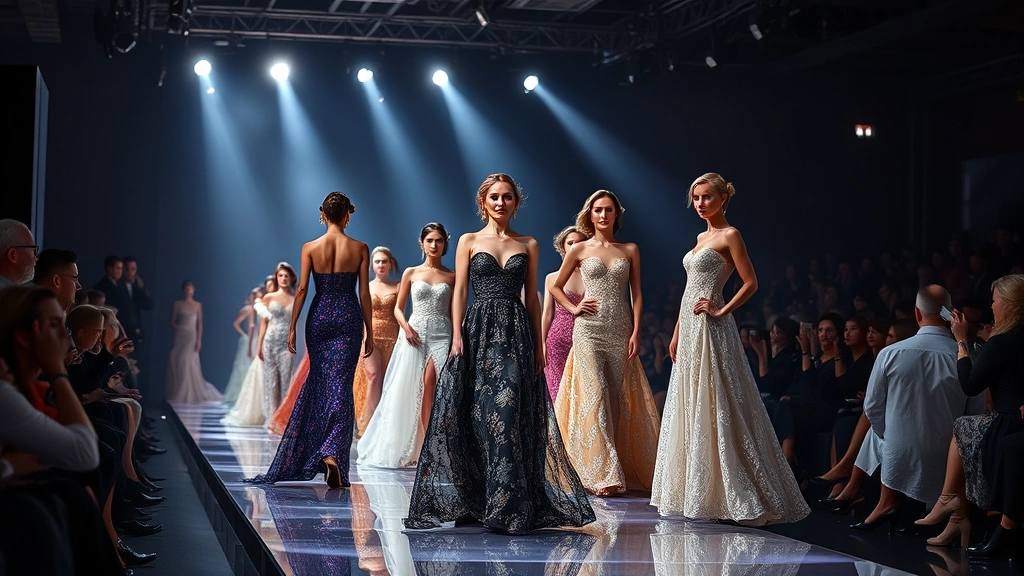
High fashion lyrics have become a cultural phenomenon that transcends the boundaries between music and style. From Kanye West’s bold declarations about designer labels to Cardi B’s unapologetic celebrations of luxury, musicians have turned fashion into a language all its own. But what do these references actually mean? Are they simply name-dropping exercises, or do they carry deeper significance about identity, aspiration, and social commentary? This exploration reveals how high fashion lyrics function as both mirrors of our consumer culture and windows into the artistic minds of some of music’s most influential voices.
The intersection of music and fashion has never been more intertwined. When rappers and pop stars reference haute couture, designer brands, and luxury aesthetics in their lyrics, they’re doing far more than advertising products. They’re crafting narratives about success, self-expression, and cultural belonging. Understanding these references requires us to decode the symbolism, recognize the historical context, and appreciate the artistry behind what might initially appear as superficial materialism. Whether you’re interested in exploring fashion trends or discovering your personal style, understanding how music influences fashion perception becomes essential to modern cultural literacy.
The Evolution of Fashion References in Music
Fashion references in music didn’t emerge overnight. The relationship between musicians and high fashion has evolved dramatically over decades, reflecting broader changes in society, economics, and artistic expression. In the 1970s and 1980s, rock stars and pop icons began incorporating designer mentions into their work, but the phenomenon truly exploded with the rise of hip-hop in the 1980s and 1990s.
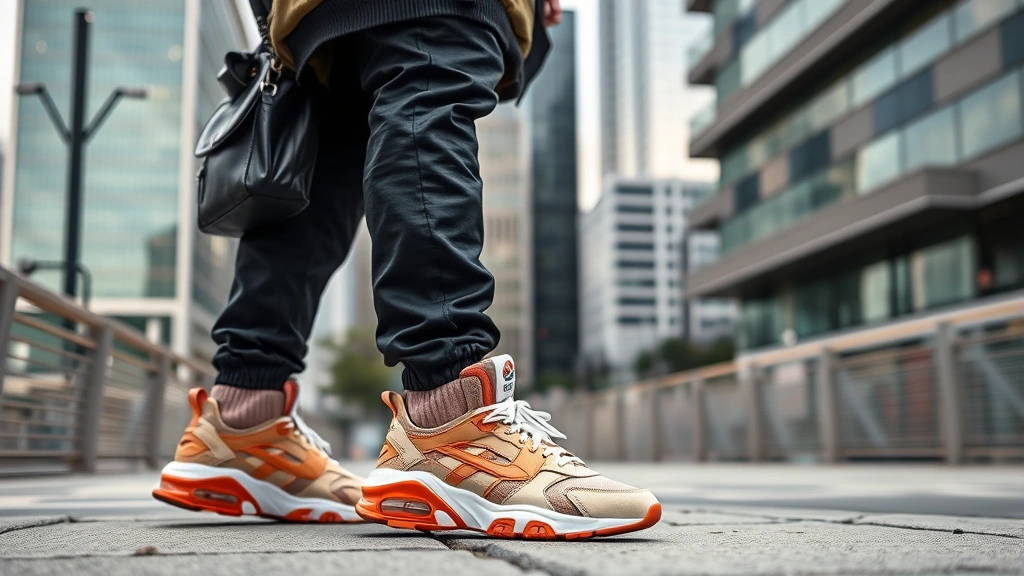
Early pioneers like Run-D.M.C. didn’t just wear Adidas sneakers—they made them iconic cultural symbols that transcended athletic wear. This wasn’t merely about fashion; it was about reclaiming narrative power and defining what luxury and style meant for communities historically excluded from high fashion spaces. When LL Cool J rocked Kangol hats and Guess jeans, he wasn’t simply following trends; he was creating them, establishing a blueprint for how musicians could become style arbiters.
The 1990s saw an explosion of designer references as rappers began explicitly name-dropping brands in their lyrics. Biggie Smalls, Tupac, and Nas created lyrical landscapes where fashion became a form of storytelling. These weren’t random mentions—they were carefully chosen references that communicated sophistication, success, and cultural awareness. Understanding different types of fashion styles helps contextualize how musicians have leveraged these references throughout history.
Designer Labels as Status Symbols
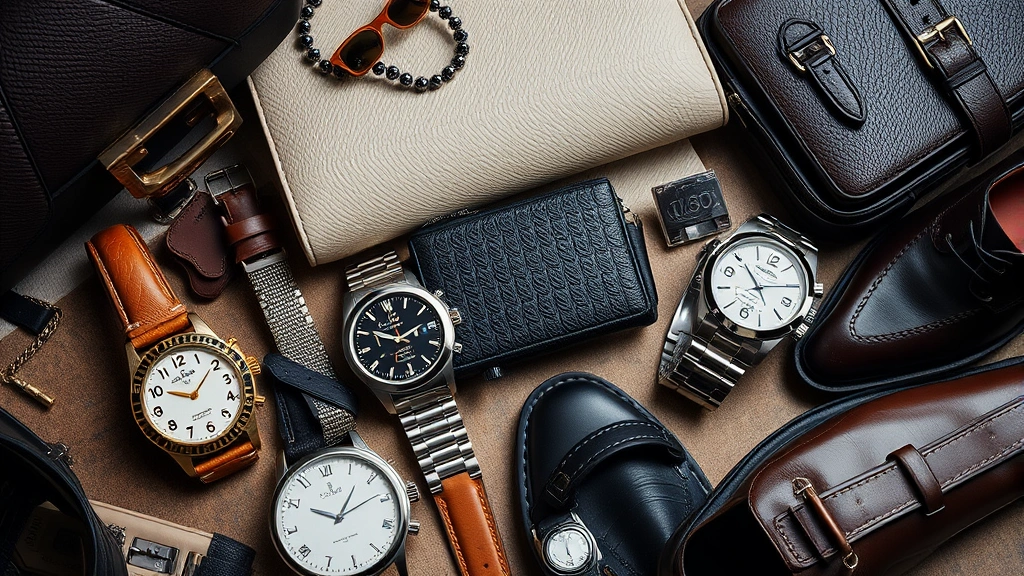
When artists reference Hermès, Louis Vuitton, Gucci, or Prada in their lyrics, they’re invoking centuries of heritage and exclusivity. These aren’t arbitrary choices. Each brand carries specific connotations: Hermès represents timeless luxury and craftsmanship, Louis Vuitton symbolizes recognizable opulence, Gucci embodies creative rebellion within luxury, and Prada suggests intellectual sophistication.
The genius of high fashion lyrics lies in how they weaponize these associations. A single lyric mentioning a designer can communicate an entire persona. When an artist raps about “dripping in Balenciaga,” they’re not simply describing clothing; they’re asserting dominance, celebrating success, and claiming space in exclusive cultural conversations. The brand becomes shorthand for achievement, taste, and belonging to an elite circle.
Interestingly, the relationship between musicians and luxury brands has become increasingly symbiotic. Vogue has extensively documented how musicians shape luxury brand perception. High-end fashion houses now actively court musicians, understanding that a single mention in a chart-topping song can reach millions of potential customers. This creates a fascinating dynamic where lyrics become marketing vehicles, and artists become unofficial brand ambassadors.
However, this relationship also raises important questions about authenticity and agency. Are artists genuinely expressing their style preferences, or are they participating in carefully orchestrated promotional campaigns? The answer, typically, is both—and understanding this complexity is crucial to interpreting what high fashion lyrics really mean.
Fashion Lyrics and Cultural Identity
Beyond materialism, high fashion lyrics frequently serve as expressions of cultural identity and resistance. For many artists from marginalized communities, wearing and referencing high fashion represents a reclamation of dignity and a rejection of systemic exclusion. When Black and Latino artists wear luxury brands and celebrate them in their music, they’re asserting their right to occupy spaces historically denied to them.
This is particularly significant in hip-hop culture, where fashion references often carry implicit messages about overcoming adversity and achieving success against odds. The lyrics become autobiographical—they tell stories of transformation from poverty to prosperity, from invisibility to prominence. A mention of a luxury watch isn’t just about owning an expensive accessory; it’s about measuring time differently, about having the luxury of time itself—something not always available to those living hand-to-mouth.
Fashion lyrics also function as cultural commentary on capitalism and consumer society. Some artists use luxury references ironically, critiquing the very systems they appear to celebrate. Others use fashion as a lens to discuss race, class, and access. Understanding fashion history and its cultural context provides deeper insight into these layered meanings.
The Psychology Behind Luxury Name-Dropping
From a psychological perspective, luxury name-dropping in music serves multiple functions. It creates aspirational narratives that listeners can project themselves into. When someone hears lyrics about designer fashion, they’re not necessarily hearing about the product itself—they’re hearing about a lifestyle, an identity, a version of themselves they could become.
This is why high fashion lyrics resonate so powerfully with audiences. They tap into fundamental human desires: the desire for status, recognition, beauty, and belonging. By referencing luxury brands, artists create what psychologists call “aspirational consumption”—the purchase or desire for products based on the identity they represent rather than their functional value.
Additionally, luxury references serve as cultural markers that signal in-group knowledge. When an artist references an obscure designer or a specific collection, they’re creating insider status for listeners who recognize the reference. This builds community among fans and reinforces the artist’s credibility as a tastemaker and cultural authority.
The psychology also extends to confidence and performance. For many artists, invoking luxury brands in their lyrics is a form of psychological positioning—it’s a way of claiming power and authority in the narrative space they’re creating. It’s performance art in its truest sense, where the lyrics become a stage for identity construction.
High Fashion Lyrics in Hip-Hop Culture
Hip-hop has been the primary vehicle for sophisticated fashion references in music, and this genre deserves particular attention. From the moment rappers began crafting elaborate narratives around designer clothing, they transformed hip-hop into a fashion discourse as important as any runway show.
Consider how artists like Pharrell Williams, A$AP Rocky, and Travis Scott have elevated fashion references to an art form. Their lyrics don’t just mention brands—they create entire visual worlds where fashion becomes the primary language. When Pharrell references Bape or Raf Simons, he’s not merely name-dropping; he’s positioning himself within specific fashion communities and aesthetics.
The impact of hip-hop fashion lyrics extends far beyond music. Fashion publications like Highsnobiety have built entire platforms around documenting the intersection of hip-hop and high fashion. Designers actively study hip-hop lyrics to understand emerging trends and cultural movements. In many ways, rappers have become more influential fashion voices than traditional fashion critics.
This influence is bidirectional. As hip-hop artists elevated luxury fashion in their lyrics, high fashion houses recognized the cultural power of these communities and began designing specifically for hip-hop audiences. The result is a symbiotic relationship where music and fashion continually influence and elevate one another.
Fashion Statements Through Pop and R&B
While hip-hop dominates discussions of high fashion lyrics, pop and R&B artists have made equally important contributions to this conversation. Artists like The Weeknd, SZA, and Beyoncé have used fashion references to communicate sophistication, sensuality, and cultural commentary.
In R&B, fashion lyrics often carry additional layers of meaning related to femininity, sexuality, and self-presentation. When female artists reference designer fashion, they’re frequently asserting agency over their bodies and images. The luxury references become statements about self-ownership and refusal to be commodified—paradoxically, by commodifying themselves through designer fashion.
Pop artists have similarly weaponized fashion references for maximum cultural impact. Ariana Grande’s relationship with luxury brands reflects her evolution as an artist, while Dua Lipa’s fashion-forward lyrics position her as a contemporary style authority. These artists understand that fashion references in lyrics create coherence between their musical personas and their visual presentations.
The evolution of fashion lyrics across genres demonstrates how universal the language of luxury has become. Whether in hip-hop, pop, R&B, or alternative music, artists recognize that designer references communicate meaning efficiently and powerfully to global audiences.
The Impact on Consumer Behavior
The relationship between high fashion lyrics and actual consumer behavior is well-documented and significant. Studies have shown that when celebrities and musicians mention brands in their work, it directly influences purchasing decisions among their audiences. This phenomenon, known as “celebrity endorsement effect,” is particularly powerful in fashion.
Luxury brands have recognized this power and increasingly view musicians as crucial marketing assets. A single lyrical mention can drive sales, increase brand awareness, and create cultural cachet that traditional advertising cannot achieve. This has led to increasingly sophisticated relationships between musicians and fashion houses, including collaborations, sponsored tours, and exclusive collections.
However, the impact extends beyond direct sales. High fashion lyrics influence cultural perception and aspirational values. They shape what young people consider desirable, valuable, and worth pursuing. In this sense, musicians become cultural architects, helping to construct the value systems and aesthetic preferences of entire generations.
This influence also creates interesting paradoxes. While high fashion lyrics celebrate luxury and exclusivity, they simultaneously democratize fashion discourse. By discussing designer brands in accessible musical formats, artists make high fashion conversations part of popular culture rather than something confined to elite fashion spaces. This has actually expanded the high fashion market by creating broader awareness and desire for luxury goods.
Authenticity vs. Aspiration in Fashion Lyrics
One of the most fascinating tensions in high fashion lyrics involves the question of authenticity. Do artists who reference luxury brands actually wear and love these items, or are they participating in performance and aspiration? The answer, perhaps unsatisfyingly, is that both can be true simultaneously.
Some artists have genuine, deep relationships with fashion. They study design, understand construction, and make intentional choices about which brands and designers to support and celebrate. For these artists, fashion references in their lyrics represent authentic expression of their aesthetic values and personal style.
Other artists use fashion references more aspirationally—they’re performing versions of themselves that they hope to become or that serve their artistic vision. This isn’t necessarily inauthentic; it’s a different kind of honesty. The performance itself becomes authentic, even if the material reality doesn’t perfectly match the lyrical narrative.
The most interesting high fashion lyrics often blur these boundaries. They acknowledge both the aspiration and the achievement, the performance and the reality. When an artist raps about designer fashion while simultaneously critiquing consumer culture, they’re embracing the complexity and contradictions inherent in contemporary life.
Understanding this nuance is crucial to interpreting what high fashion lyrics really mean. They’re not simply celebrations of luxury—they’re complex statements about identity, aspiration, achievement, and the role of material culture in constructing meaning. For those interested in exploring fashion accessories and their cultural significance, examining how these items are referenced in music provides valuable context.
The relationship between fashion and music will continue evolving. As new artists emerge and cultural values shift, the meanings embedded in high fashion lyrics will shift as well. What remains constant is the power of these references to communicate identity, aspiration, and cultural belonging to audiences worldwide.
FAQ
Why do musicians reference designer brands in their lyrics?
Musicians reference designer brands for multiple reasons: to assert status and success, to communicate cultural identity and belonging, to create aspirational narratives for listeners, to establish credibility as tastemakers, and sometimes to critique consumer culture ironically. These references function as efficient shorthand for communicating complex ideas about identity and achievement.
Do luxury brands pay musicians to mention them in songs?
While direct payments for lyrical mentions are less common than product placement in other media, luxury brands do actively court musicians through sponsorships, collaborations, and exclusive partnerships. However, many artists reference brands organically because they genuinely use and appreciate them. The relationship is often symbiotic rather than purely transactional.
What’s the difference between high fashion and luxury brand references?
High fashion typically refers to couture and designer collections that prioritize artistic expression and innovation, while luxury brand references often focus on recognizable, accessible designer labels. High fashion lyrics might reference specific designers or collections, while luxury brand lyrics tend to mention well-known brand names that audiences immediately recognize.
How have high fashion lyrics influenced actual fashion trends?
High fashion lyrics have significantly influenced fashion trends by elevating certain brands, styles, and aesthetics into cultural prominence. When artists celebrate specific designers or styles in their music, they create demand and cultural cachet that influences both consumer behavior and designer decisions. Musicians have essentially become fashion forecasters and trendsetters.
Are high fashion lyrics only found in hip-hop?
While hip-hop has been the primary genre for sophisticated fashion references, pop, R&B, and other genres also feature high fashion lyrics. The difference is primarily in frequency and depth—hip-hop has made fashion discourse central to its artistic expression in ways other genres haven’t, though this is gradually changing as fashion becomes increasingly important across all musical genres.
What do high fashion lyrics reveal about society and culture?
High fashion lyrics reveal complex truths about aspiration, identity, class, race, and the role of material culture in constructing meaning. They reflect broader cultural values around success, beauty, and belonging while simultaneously critiquing consumerism and exclusion. These lyrics function as cultural documents that help us understand contemporary values and anxieties.
How can I better understand the meaning behind fashion references in music?
To understand fashion lyrics more deeply, familiarize yourself with designer heritage and what different brands represent, learn the historical context of how musicians have used fashion discourse, consider the artist’s background and artistic vision, and pay attention to how fashion references interact with other lyrical themes. Understanding how fashion communicates identity and professionalism in different contexts also provides valuable perspective on how musicians leverage these associations.