Harlem Renaissance Fashion: Historian Insights into Style, Culture, and Identity
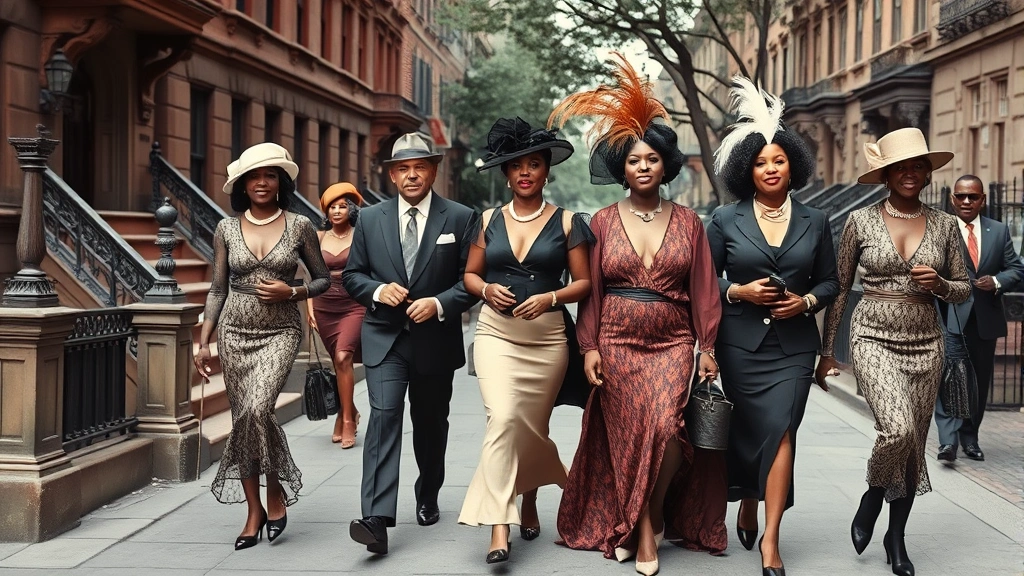
The Harlem Renaissance, spanning roughly from the 1920s through the 1930s, represented far more than a literary and artistic movement—it was a cultural explosion that fundamentally transformed how African Americans expressed themselves through fashion and style. During this extraordinary period, the streets of Harlem became a runway for innovation, confidence, and bold self-expression. Fashion became a powerful tool for reclaiming identity, challenging racial stereotypes, and asserting economic power within a society that had long marginalized Black communities.
The garments worn during this era tell stories of resilience, aspiration, and cultural pride. From the sharp tailoring of zoot suits to the glamorous beaded gowns that graced speakeasies, Harlem Renaissance fashion represented a deliberate rejection of the subdued, restrictive styles that had been imposed on African Americans. This movement inspired generations and continues to influence contemporary types of fashion today. Understanding this pivotal moment in fashion history provides invaluable insights into how clothing transcends mere aesthetic choices and becomes a statement of political and social resistance.
The Historical Context of Harlem Renaissance Fashion
To truly understand Harlem Renaissance fashion, we must first recognize the historical moment that made it possible. The Great Migration brought hundreds of thousands of African Americans from the rural South to urban centers, particularly New York City. Harlem became the cultural capital of Black America, a place where African Americans could build their own institutions, businesses, and communities with relative autonomy.
Fashion during the Harlem Renaissance was intrinsically tied to economic mobility and social advancement. As African Americans established themselves in urban centers, they developed disposable income and access to department stores, tailors, and boutiques. Fashion became a tangible way to display success and respectability. Yet simultaneously, the younger generation, influenced by jazz, modernism, and a desire to break free from Victorian constraints, embraced styles that scandalized their elders.
This tension between aspiration and rebellion, tradition and innovation, defined the era’s aesthetic. Unlike the restrictive corsets and conservative silhouettes of previous generations, Harlem Renaissance fashion celebrated movement, comfort, and individual expression. Young Black women and men used clothing to signal their participation in modernity, their rejection of plantation-era servitude, and their claim to American citizenship and cultural authority.
Historians note that fashion during this period was never apolitical. Every hemline raised, every bright color chosen, every unconventional accessory worn was an act of defiance against a society that sought to control and diminish Black bodies. Fashion discussions of this era frequently centered on respectability politics, generational divides, and the power of self-presentation to challenge systemic racism.
Key Fashion Elements and Silhouettes
The silhouettes of the Harlem Renaissance were dramatically different from the Gibson Girl aesthetic that had dominated early twentieth-century fashion. The 1920s brought the “flapper” silhouette to mainstream American fashion, and Black women embraced and adapted these styles with particular enthusiasm. Loose, straight dresses that fell to just below the knee represented liberation from the corseted, hourglass figures of the Victorian era.
Drop waistlines, which sat at the hips rather than the natural waist, created an androgynous, youthful appearance. This was revolutionary for women who had been expected to emphasize their femininity through exaggerated curves. The new silhouette celebrated youth, modernity, and a rejection of traditional gender performance. Hemlines became progressively shorter throughout the decade, shocking conservative society but thrilling the younger generation.
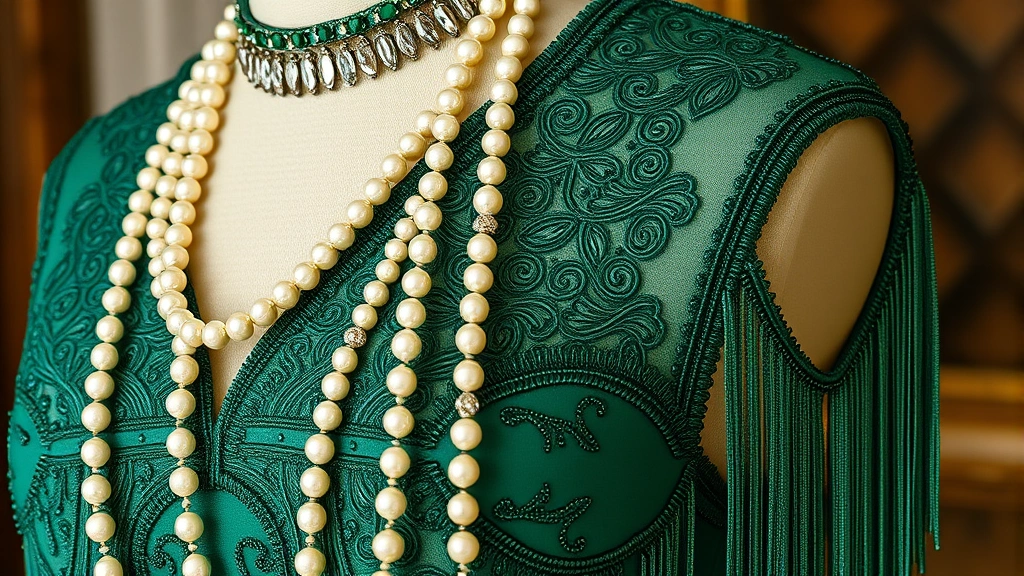
Beading and fringe became signature elements of evening wear, particularly for women frequenting cabarets and speakeasies. These embellishments caught light and movement, creating a sense of glamour and celebration. Long strands of pearls, often worn multiple times around the neck or draped down the back, added sophistication and elegance. Headpieces, including jeweled headbands and feathered turbans, crowned the silhouettes.
The zoot suit emerged as the defining menswear silhouette of the era. Characterized by high-waisted, wide-legged trousers and oversized jackets with exaggerated lapels and long coats, the zoot suit was a bold statement. The suit required significant yardage and tailoring skill, making it expensive and exclusive. Worn with a long chain, wide-brimmed hat, and pointed shoes, the complete zoot suit ensemble communicated confidence, prosperity, and style mastery.
Sportswear elements also influenced Harlem Renaissance fashion. Women wore drop-waisted dresses that allowed for athletic movement, reflecting the era’s enthusiasm for dancing, tennis, and swimming. This functionality combined with style represented a new kind of modern femininity—active, confident, and unencumbered.
The Role of Women in Fashion Innovation
Women were the primary innovators and trendsetters of Harlem Renaissance fashion. Female entertainers, particularly dancers and singers, became fashion influencers who shaped how their communities understood style and self-presentation. Josephine Baker, though primarily based in Paris, influenced the aesthetic with her bold, sensual styling and willingness to challenge racial and sexual norms through fashion.
Within Harlem itself, women working as dancers, singers, and hostesses in cabarets and clubs established themselves as style authorities. These women had access to fashionable clothing through their earnings and their proximity to entertainment industry connections. They experimented boldly with makeup, hair, and silhouette, creating looks that filtered down through their communities and influenced what other women aspired to wear.
The “New Negro Woman” became a cultural ideal during the Renaissance. This figure was educated, employed, modern, and fashion-forward. She wore her hair in sleek bobs or finger waves rather than the long, conservative styles of previous generations. She applied makeup boldly—dark lipstick, defined eyebrows, and rouge—when doing so was considered scandalous. She wore dresses that revealed her arms, legs, and neck.
Black women’s magazines and newspapers, including The Crisis and Opportunity, featured fashion commentary and illustrations that both celebrated and critiqued women’s style choices. These publications created space for discussing how fashion could be both a tool for racial uplift and a vehicle for generational rebellion. Fashion became a topic of serious cultural conversation, not merely frivolous concern.
Women also became entrepreneurs in the fashion industry. Black dressmakers, milliners, and boutique owners served their communities, creating custom clothing that reflected their clients’ aspirations and identities. These businesses represented economic independence and cultural authority, allowing women to shape the aesthetic landscape of their communities directly.
Men’s Fashion and Masculine Expression
While women’s fashion innovation is often emphasized, men’s fashion during the Harlem Renaissance was equally significant and revolutionary. The zoot suit, mentioned earlier, became a powerful symbol of Black masculine identity and style authority. The suit’s exaggeration—its refusal to be subtle or understated—was a direct challenge to white standards of respectability and restraint.
Men wore their zoot suits with deliberate intention, understanding that their clothing communicated messages about identity, economic status, and cultural participation. The suits were expensive, requiring money and access that signaled success. They were also distinctly racialized—zoot suits became associated with Black and Latino communities, marking them as outsider fashion that threatened mainstream society.
Beyond the zoot suit, men wore sharp tailored suits in bold colors and patterns. Wide-brimmed hats, including fedoras and homburgs, completed these ensembles. Accessories were crucial—pocket watches with long chains, rings, tie pins, and cufflinks all contributed to an overall aesthetic of elegance and attention to detail. Finding personal style meant understanding how to coordinate colors, textures, and proportions to create a cohesive, commanding presence.
The care men took with their appearance reflected a broader cultural investment in masculine dignity and self-respect. In a society that consistently degraded Black manhood, dressing impeccably became an act of resistance and self-affirmation. The time spent on grooming, the money invested in quality clothing, and the attention to detail in styling all communicated that Black men deserved respect and recognition.
Men also adopted looser, more comfortable silhouettes for casual wear, reflecting the influence of jazz culture and the desire for clothing that facilitated movement and self-expression. Suspenders, worn without jackets, became acceptable in informal settings. This represented a democratization of style—the idea that fashion could be both formal and casual, both aspirational and accessible.
Color, Pattern, and Fabrics of the Era
The Harlem Renaissance embraced color with unprecedented boldness. Gone were the muted, neutral palettes of the Victorian era. Instead, fashion celebrated jewel tones, bright hues, and unexpected combinations. Deep purples, emerald greens, sapphire blues, and rich reds dominated evening wear. These colors were associated with luxury, confidence, and African heritage—they connected wearers to broader cultural pride and aesthetic traditions.
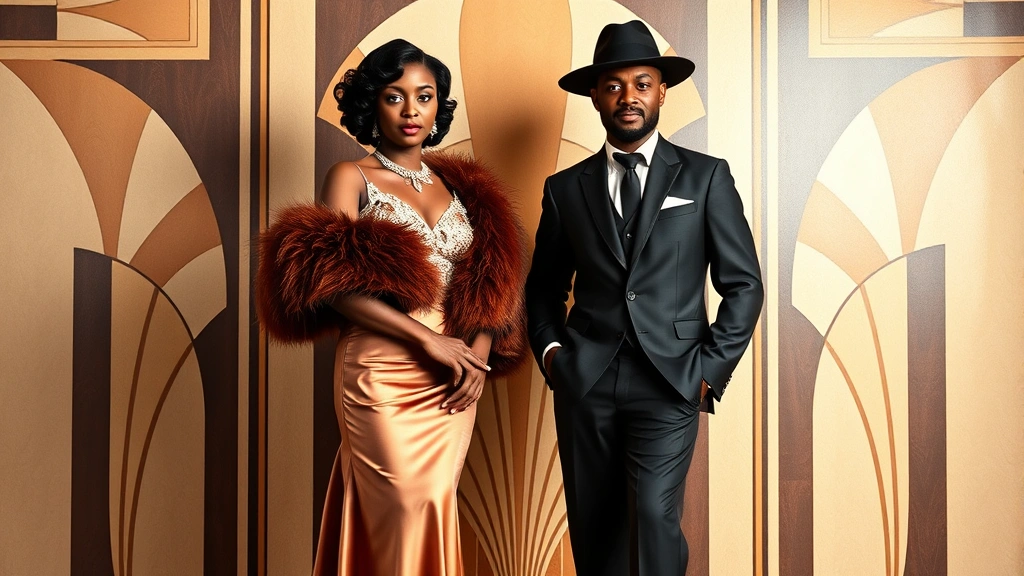
Patterns became equally important. Geometric designs, influenced by Art Deco and African aesthetic traditions, appeared on fabrics and in embellishments. Stripes, checks, and bold prints provided visual interest and movement. Some garments featured Egyptian or African-inspired motifs, reflecting the era’s engagement with Pan-Africanism and cultural pride.
Fabric selection reflected both aspiration and practicality. Silk, satin, and velvet were prized for evening wear, signaling luxury and special occasion importance. Wool provided structure for tailored suits and coats. Cotton and linen offered comfort for daily wear in warm weather. Beading, fringe, sequins, and embroidery added texture and visual richness to garments.
Fur stoles and wraps, despite their expense, became status symbols and practical accessories. Women draped fur across their shoulders for evening events, and men wore fur collars on their coats. The fur communicated wealth and access to luxury goods, which held particular significance given the economic restrictions Black Americans faced.
Sheer fabrics also became popular, particularly for evening wear. Transparent sleeves, sheer panels, and gossamer overlays added sophistication and sensuality to garments. This represented a significant shift from the opaque, modest fabrics of previous eras, reflecting changing attitudes toward the body and female sexuality.
Fashion Icons and Cultural Influencers
Several figures emerged as style authorities during the Harlem Renaissance, their influence extending far beyond their immediate circles. These individuals understood that fashion was a language through which they could communicate identity, aspiration, and cultural pride. Their choices inspired countless others and helped define the era’s aesthetic.
Florence Mills, a renowned singer and dancer, became known for her elegant, refined style. She wore sophisticated gowns that emphasized her graceful movements and performed in costumes that celebrated rather than concealed her Black identity. Her influence extended internationally, particularly through her performances in London and Paris.
Ethel Waters, another celebrated performer, used fashion to assert her sophistication and artistry. She wore tailored suits, elegant gowns, and carefully coordinated accessories that communicated her status as a serious artist and cultural authority. Her style choices influenced how Black women understood professional presentation and personal elegance.
Male performers and musicians also shaped fashion trends. Jazz musicians, in particular, became style icons. Their stage wear—bold, colorful, and expressive—influenced how men dressed in everyday life. The connection between musical performance and fashion was intimate; musicians understood that their visual presentation was part of their artistic expression.
Business owners and community leaders also functioned as style authorities. Successful entrepreneurs and professionals used fashion to communicate their status and respectability, creating aspirational models for their communities. Their choices demonstrated that Black Americans could participate in luxury consumption and aesthetic sophistication.
The Intersection of Jazz, Dance, and Dress
Jazz and fashion were inseparable during the Harlem Renaissance. The music’s improvisational nature, its rejection of rigid structures, and its celebration of individual expression found parallel expression in fashion. Dancers, who embodied jazz’s movement and freedom, became fashion innovators whose stage wear influenced everyday style.
The cabarets and speakeasies where jazz was performed functioned as fashion laboratories. Women wore dresses that allowed for the vigorous, athletic movements required by jazz dancing. These garments—shorter, looser, and less restrictive than previous styles—enabled a new kind of physical freedom. The clothing and the dancing reinforced each other, creating a unified aesthetic experience.
Performers understood that their visual presentation was integral to their artistic expression. Costumes were designed to catch light, to move with the body, and to communicate character and emotion. The relationship between performer and audience was mediated through visual spectacle as much as through sound.
The culture of nightlife that jazz created also influenced daytime fashion. Women who frequented jazz clubs brought the aesthetic they encountered there into their everyday lives. They adopted the shorter hemlines, the bold makeup, the relaxed silhouettes they saw performers wear. Fashion became a way of participating in the cultural moment, of signaling one’s connection to modernity and artistic innovation.
Legacy and Modern Influence
The fashion innovations of the Harlem Renaissance did not disappear with the era’s decline. Instead, they established aesthetic and cultural precedents that continue to influence fashion today. Contemporary designers regularly reference the period, drawing inspiration from its color palettes, silhouettes, and cultural significance.
The idea that fashion can be a vehicle for social commentary and cultural pride, established during the Renaissance, remains central to fashion discourse. When contemporary Black designers create collections inspired by African heritage or when fashion becomes a space for discussing identity and representation, they are continuing conversations begun during the Harlem Renaissance.
The zoot suit, in particular, has experienced periodic revivals and continues to symbolize bold masculinity and style authority. Contemporary menswear designers reference its silhouette, and hip-hop culture has adopted and adapted it for modern contexts. The suit’s association with cultural pride and masculine dignity remains potent.
Modern fashion influencers and celebrities draw on the era’s aesthetic vocabulary. The emphasis on bold colors, statement accessories, and confident self-presentation that characterized the Renaissance appears regularly on contemporary runways and in street style. The idea that fashion should celebrate rather than diminish Black bodies and identities remains influential.
Academic interest in Harlem Renaissance fashion has grown significantly, with museums mounting exhibitions and scholars publishing books dedicated to the period. This scholarly attention has elevated fashion history from a footnote to a central concern of Renaissance studies. Fashion is now understood as essential to understanding the period’s cultural significance and historical meaning.
The Renaissance also established the template for understanding how marginalized communities use fashion as a tool for self-determination and cultural assertion. From punk to hip-hop to contemporary Black fashion movements, the model of using clothing to challenge dominant norms and assert alternative identities traces back to the Harlem Renaissance.
FAQ
What were the main fashion trends during the Harlem Renaissance?
The primary trends included drop-waisted flapper dresses for women, zoot suits for men, shorter hemlines, bold colors, Art Deco-inspired patterns, beading and fringe embellishments, and an overall movement toward more comfortable, expressive silhouettes that rejected Victorian constraints.
Why was fashion important during the Harlem Renaissance?
Fashion served as a vehicle for economic mobility, cultural pride, generational rebellion, and political resistance. It allowed African Americans to assert dignity, participate in modernity, and challenge racist stereotypes about Black bodies and identities. Fashion was never merely aesthetic—it was profoundly political.
Who were the most influential fashion figures of the era?
Performers like Josephine Baker, Florence Mills, and Ethel Waters significantly influenced fashion through their stage wear and personal style. Jazz musicians, dancers, and entertainers in Harlem cabarets and clubs also functioned as style authorities who shaped community aesthetic preferences.
How did Harlem Renaissance fashion influence modern style?
Contemporary fashion continues to reference the period’s color palettes, silhouettes, and cultural significance. The idea that fashion can express cultural pride and challenge dominant norms, established during the Renaissance, remains central to modern fashion discourse and practice.
What was the significance of the zoot suit?
The zoot suit was a bold, expensive statement that communicated prosperity, style authority, and cultural pride. Its exaggerated proportions were a deliberate rejection of white standards of respectability and restraint, making it a powerful symbol of Black masculine identity.
How did women’s fashion during the Renaissance differ from previous eras?
Women wore shorter dresses, dropped waistlines, and looser silhouettes that allowed for movement and revealed more of their bodies. They wore bold makeup and adopted modern hairstyles like bobs and finger waves. These changes represented liberation from Victorian restrictions and participation in modernity.