90s Men’s Fashion Trends: A Nostalgic Look at Iconic Styles
The 1990s represented a pivotal moment in men’s fashion history, a decade where rebellion met refinement and streetwear collided with high fashion. From the grunge-influenced flannel shirts that dominated Seattle’s music scene to the sleek minimalism championed by fashion-forward urbanites, guys fashion in the 90s embodied a diverse aesthetic that continues to influence contemporary style. This era wasn’t just about clothing—it was a cultural statement that reflected generational attitudes toward authenticity, individuality, and self-expression.
What made 90s men’s fashion so compelling was its rejection of the previous decade’s excess. While the 1980s celebrated bold colors, oversized silhouettes, and conspicuous branding, the 1990s ushered in a more subdued, introspective approach to personal style. Young men sought authenticity over artifice, comfort over conformity, and this shift fundamentally transformed how men approached their wardrobes. Whether you’re revisiting this nostalgic era or discovering it for the first time, understanding the key trends that defined guys fashion in the 90s provides valuable insights into timeless style principles.
Today, 90s fashion has experienced a remarkable revival, with contemporary designers and street style enthusiasts drawing inspiration from this rich decade. Understanding these foundational trends helps you appreciate how fashion cycles evolve and how you can incorporate vintage 90s elements into your modern wardrobe.
Grunge: The Anti-Fashion Movement That Defined a Generation
Grunge emerged from Seattle’s music scene in the late 1980s and exploded into mainstream consciousness during the early 1990s, fundamentally reshaping how men approached fashion. This anti-fashion movement paradoxically became the most influential aesthetic of the decade, championed by bands like Nirvana, Pearl Jam, and Soundgarden. The grunge look represented authenticity and rebellion—a stark contrast to the polished perfection that dominated previous fashion cycles.
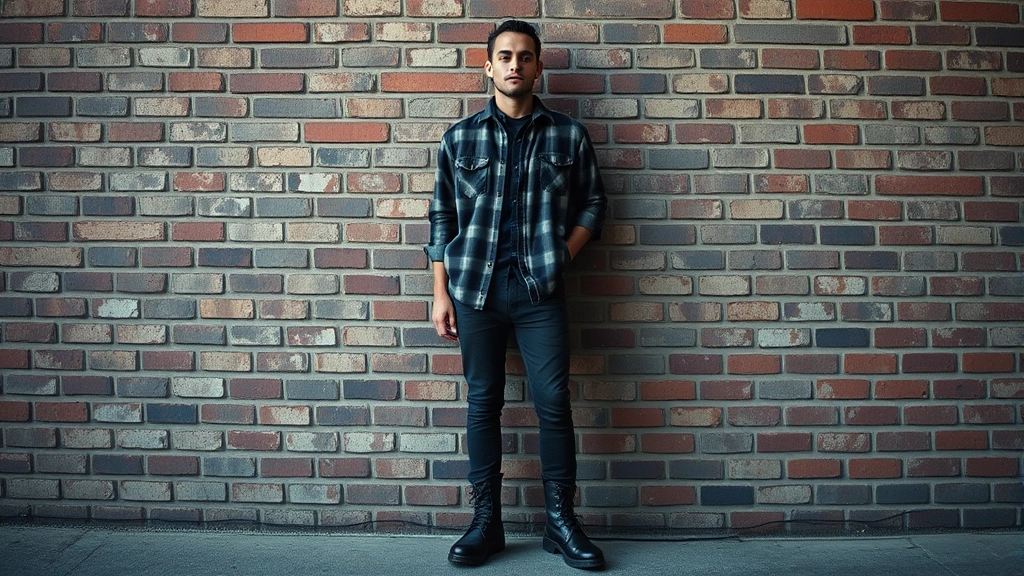
The foundation of grunge style rested on thrift store finds and working-class aesthetics. Flannel shirts, often oversized and worn unbuttoned over band t-shirts, became the uniform of a generation. These weren’t fashion statements crafted by designers; they were genuine garments chosen for comfort and practicality. The beauty of the grunge look lay in its apparent effortlessness—the idea that you simply threw on whatever was available without concern for coordinated outfits or trend forecasting.
Plaid patterns in muted earth tones dominated grunge wardrobes. Blacks, grays, forest greens, and burgundies created a cohesive palette that felt intentional despite the movement’s anti-fashion ethos. Worn-in denim, vintage band tees, and heavy boots completed the aesthetic. Understanding different fashion styles helps you appreciate how grunge represented a deliberate rejection of contemporary fashion norms while ironically becoming the decade’s most recognizable trend.
What made grunge particularly revolutionary was its accessibility. Unlike high fashion that required significant financial investment, grunge style could be assembled from thrift stores for minimal cost. This democratization of fashion appealed to young men who felt alienated by mainstream consumer culture. The movement proved that style didn’t require expensive designer labels—authenticity and attitude mattered far more than price tags.
Hip-Hop and Streetwear: The Rise of Urban Cool
While grunge dominated alternative culture, hip-hop introduced an entirely different aesthetic that would prove equally influential to guys fashion in the 90s. Emerging from New York City and spreading nationwide, hip-hop style celebrated bold colors, oversized silhouettes, and visible branding—a direct counterpoint to grunge’s minimalist approach. Yet both movements shared an emphasis on authenticity and cultural identity.
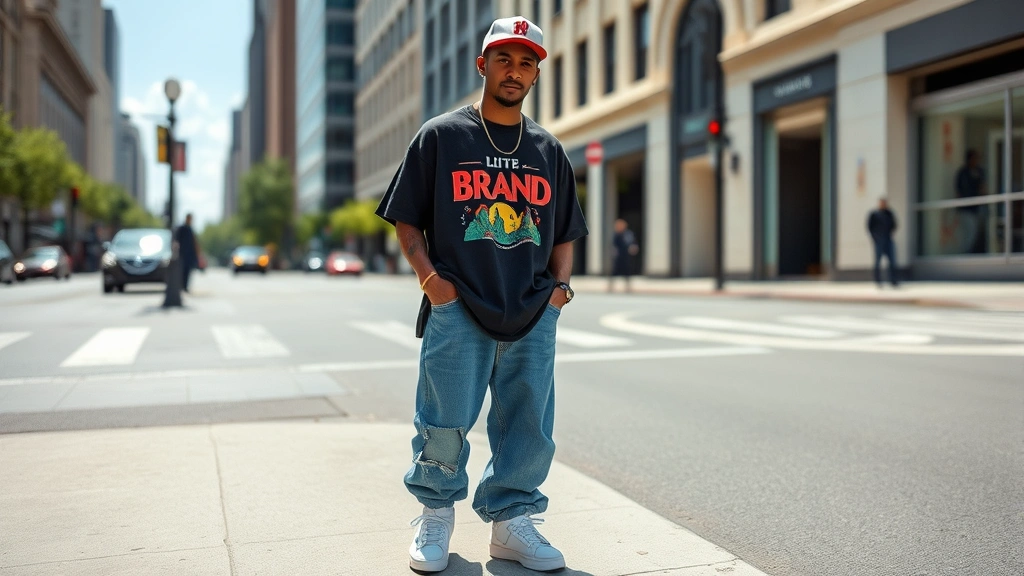
Hip-hop fashion drew from street culture, basketball courts, and urban environments. Baggy jeans worn significantly below the waist paired with oversized jerseys created a distinctive silhouette that dominated city streets. Brands like Tommy Hilfiger, FUBU, and Nautica became status symbols, worn prominently to signify cultural affiliation and economic aspirations. Designer logos appeared everywhere—on hats, jackets, and accessories—transforming brands into visible statements of identity.
The hip-hop aesthetic celebrated volume and movement. Oversized hoodies, baggy cargo pants, and chunky sneakers created a relaxed yet intentional look that prioritized comfort and street credibility. Unlike the worn, distressed quality of grunge, hip-hop style featured fresh, clean garments—pristine white sneakers, crisp jerseys, and unworn denim. This distinction reflected different cultural values: grunge’s worn aesthetic suggested authenticity through age and use, while hip-hop’s immaculate presentation demonstrated access to new, desirable products.
The influence of hip-hop on 90s men’s fashion extended beyond clothing into attitude and cultural significance. Fashion became a language through which young men expressed identity, affiliation, and aspirations. Finding your personal style often involves understanding how cultural movements shape aesthetic preferences. Hip-hop demonstrated that fashion could be simultaneously rebellious and aspirational, street-authentic and commercially viable.
Minimalism and High-Fashion Simplicity
Beyond grunge and hip-hop, the 1990s witnessed a parallel movement toward minimalism in high fashion. Designers like Calvin Klein, Jil Sander, and Helmut Lang championed clean lines, neutral palettes, and reduced silhouettes. This aesthetic represented intellectual sophistication and refined taste—a deliberate counterpoint to 1980s excess.
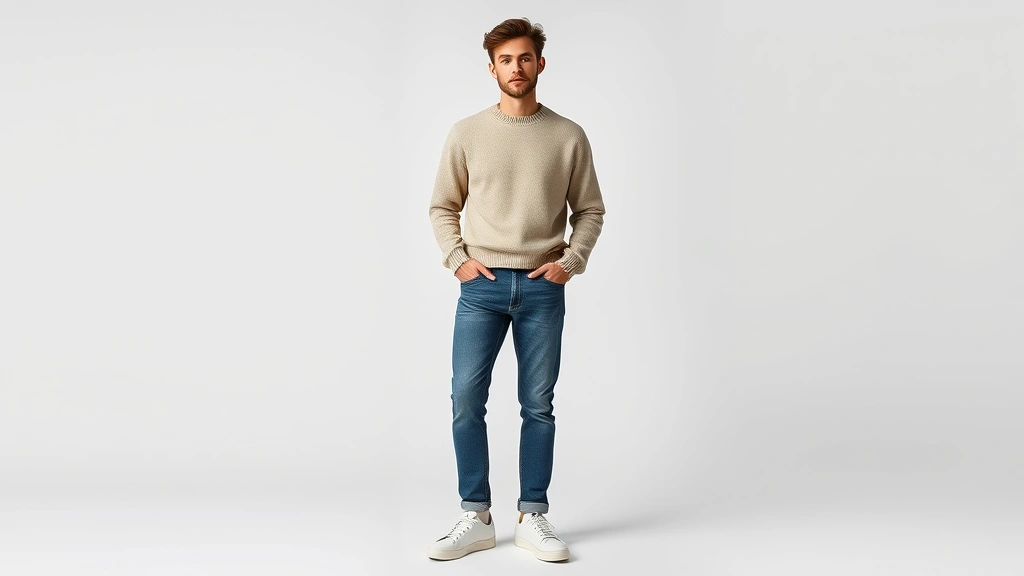
Minimalist 90s men’s fashion emphasized quality over quantity. Simple white t-shirts, neutral sweaters, and tailored trousers formed the foundation of sophisticated wardrobes. Colors remained muted—blacks, grays, whites, and earth tones—creating an understated elegance that suggested confidence and cultural awareness. This approach appealed to men who wanted to appear thoughtful and intentional about their clothing choices without the overt rebellion of grunge or the flashiness of hip-hop.
The minimalist aesthetic proved remarkably practical and timeless. These pieces created versatile foundations that could be mixed and matched effortlessly. A simple linen shirt could be dressed up or down depending on context. Neutral sweaters paired with numerous bottoms. This practicality ensured that minimalist pieces remained relevant beyond the 1990s, influencing contemporary fashion philosophy regarding personal fashion style and wardrobe basics.
What distinguished 90s minimalism from earlier minimalist movements was its cultural moment. The 1990s economic prosperity and technological optimism created space for restraint and simplicity as markers of success. Rather than displaying wealth through visible branding, minimalist men demonstrated sophistication through knowing the value of quality basics and refined understatement.
Denim Culture: The Universal Fabric of the 90s
Denim transcended subcultural boundaries in 90s men’s fashion, serving as the universal fabric that connected grunge musicians, hip-hop artists, and everyday men seeking comfortable, versatile clothing. The decade witnessed intense focus on denim fit, wash, and presentation—debates about baggy versus fitted, light versus dark, distressed versus pristine dominated fashion conversations.
Grunge enthusiasts favored vintage or heavily worn denim in dark indigo or black. Rips and distressing appeared authentic rather than manufactured—genuine damage from wear rather than designer-created destruction. The fit varied wildly, from slim to baggy, with the emphasis on personal comfort rather than flattering silhouettes. Many grunge adherents simply grabbed whatever denim fit their bodies without concern for current trends.
Hip-hop culture embraced baggy denim worn low on the hips, often paired with oversized shirts that completely obscured the body’s outline. This silhouette celebrated volume and movement, creating a distinctive visual presence on streets and in music videos. The bagginess represented freedom and rejection of constrictive clothing norms. Brands like JNCO introduced ultra-wide legs and exaggerated proportions that became iconic symbols of 90s hip-hop fashion.
Meanwhile, minimalist advocates preferred clean, well-fitted denim in classic washes. These pieces emphasized the body’s natural lines without excessive ornamentation or distressing. The focus remained on quality construction and timeless appeal rather than trend-driven details. This approach established denim as a sophisticated staple rather than purely casual wear.
The denim debates of the 1990s reflected broader cultural conversations about authenticity, self-expression, and fashion’s role in identity construction. Whether you preferred your jeans baggy or fitted, distressed or pristine, your denim choice communicated something about your cultural allegiances and personal values.
Accessories and Footwear: The Details That Defined Style
While clothing formed the foundation of 90s men’s fashion, accessories and footwear provided crucial details that completed looks and communicated subcultural affiliation. Hats, bags, and shoes functioned as powerful signifiers of style, taste, and cultural positioning.
Footwear played a particularly significant role in 90s fashion hierarchies. Grunge enthusiasts favored heavy combat boots—Doc Martens, Timberlands, and similar styles—that suggested toughness and authenticity. These boots appeared worn and weathered, their scuffs and marks evidence of genuine use rather than aesthetic affectation. The clunkiness of heavy boots contrasted deliberately with the slim, worn denim and flannel shirts worn above them.
Hip-hop culture elevated sneaker culture to unprecedented heights. Nike Air Jordans, Adidas Superstars, and New Balance models became coveted status symbols. Fresh, pristine sneakers demonstrated access to new products and cultural relevance. Sneaker collecting emerged as serious hobby and identity marker. The condition of your sneakers—whether they remained immaculately white or bore the patina of street wear—communicated your position within hip-hop hierarchies.
Minimalist men favored clean, simple sneakers or understated leather shoes. Brands like Adidas Stan Smiths or simple canvas sneakers completed minimalist outfits without drawing excessive attention. The focus remained on overall coherence and quality rather than statement-making accessories.
Hats served multiple functions in 90s men’s fashion. Beanies and knit caps provided warmth while suggesting grunge authenticity. Baseball caps and trucker hats appeared everywhere, often featuring sports team logos or brand names. Bucket hats emerged as distinctive accessories that could be worn ironically or seriously depending on context and styling. The hat you chose communicated your fashion awareness and subcultural positioning.
Bags and backpacks completed 90s looks. Grunge enthusiasts carried worn leather or canvas bags that appeared functional rather than fashionable. Hip-hop culture embraced oversized backpacks and messenger bags, often featuring prominent brand logos. Minimalist men preferred simple, quality bags in neutral colors that complemented their understated aesthetic.
Iconic Pieces Every 90s Guy Owned (Or Wanted to Own)
Certain garments became so emblematic of 90s men’s fashion that they defined the decade’s aesthetic across subcultural boundaries. Understanding fashion trends through iconic pieces provides insight into how specific items achieve cultural significance.
The flannel shirt stands as perhaps the most recognizable 90s garment. Available in countless plaid patterns, this oversized button-up represented grunge authenticity while remaining practical and comfortable. Men wore flannel shirts unbuttoned over band t-shirts, tied around waists, or worn alone depending on weather and styling intention. The flannel shirt’s versatility and affordability made it accessible across economic classes.
Band t-shirts functioned as crucial identity markers, communicating musical taste and cultural allegiances. Wearing a Nirvana, Pearl Jam, or Soundgarden shirt signaled grunge affiliation. Hip-hop enthusiasts wore oversized jerseys—both authentic NBA jerseys and replica versions—that celebrated basketball culture and hip-hop artists. These shirts weren’t simply clothing; they were visible declarations of taste and identity.
Oversized sweaters and hoodies provided warmth and volume that defined 90s silhouettes. Crewneck sweatshirts in neutral colors or featuring minimal branding offered comfort and style. Hoodies, still relatively new to mainstream fashion in the early 90s, became increasingly popular as the decade progressed. Their practicality and casual aesthetic appealed across subcultural boundaries.
Baggy cargo pants emerged as essential 90s pieces, particularly within hip-hop and skate cultures. Multiple pockets and relaxed fits prioritized function and comfort while creating distinctive visual presence. These pants often featured oversized silhouettes that completely obscured the body’s outline, celebrating volume and movement.
Simple white sneakers—whether Adidas, Nike, or generic brands—appeared in nearly every 90s man’s closet. These shoes worked with virtually any outfit, from grunge flannel to hip-hop oversized wear to minimalist basics. The white sneaker’s versatility made it an essential foundation piece.
Modern Revival and Contemporary Relevance
The 1990s have experienced a remarkable fashion revival in recent years, with contemporary designers and street style enthusiasts drawing heavily from this rich decade. Understanding why 90s fashion resonates with modern sensibilities reveals important truths about timeless style principles and cyclical fashion trends.
Modern fashion’s embrace of authenticity and anti-fashion aesthetics echoes grunge’s core values. Contemporary consumers increasingly reject fast fashion and excessive consumption, seeking instead quality pieces with genuine character. Vintage 90s items—authentic flannel shirts, worn band tees, and weathered denim—appeal to modern sensibilities that value sustainability and authenticity. The worn quality that once signaled grunge rebellion now demonstrates environmental consciousness and resistance to throwaway consumer culture.
Oversized silhouettes that dominated 90s hip-hop culture have returned to mainstream fashion. Contemporary designers celebrate volume and relaxed fits that prioritize comfort and individual expression over body-conforming silhouettes. The baggy aesthetic once reserved for hip-hop culture now appears on luxury runways, validating its artistic merit and cultural significance.
Minimalism’s influence on contemporary fashion remains undeniable. The emphasis on quality basics, neutral palettes, and thoughtful curation that characterized 90s high fashion continues shaping how modern men approach personal style. Understanding fashion history helps explain why these principles endure across decades.
Sneaker culture, elevated to unprecedented importance by 90s hip-hop fashion, has only intensified in contemporary culture. Sneaker collecting, resale markets, and collaborations between luxury brands and athletic companies demonstrate how 90s values persist and evolve. The white sneaker, once a simple casual shoe, now functions as a sophisticated wardrobe essential that works across contexts.
Fashion designers explicitly reference 90s aesthetics in contemporary collections. Brands like Fear of God, Off-White, and Essentials deliberately incorporate oversized silhouettes, neutral palettes, and street-influenced design that echo 90s sensibilities. High fashion has validated what 90s men instinctively understood: authenticity, comfort, and personal expression matter more than conformity to restrictive fashion rules.
The cyclical nature of fashion ensures that trends eventually return with fresh interpretations. However, 90s fashion’s revival suggests something deeper than simple nostalgia. These trends endure because they address fundamental human desires for authenticity, comfort, and meaningful self-expression. The grunge musician’s worn flannel and the hip-hop artist’s baggy jeans, though aesthetically opposed, shared commitment to genuine identity expression that resonates across generations.
For modern men seeking to incorporate 90s elements into contemporary wardrobes, the key involves understanding the principles underlying these trends rather than simply copying surface-level aesthetics. The grunge emphasis on authenticity translates to seeking quality pieces with genuine character. The hip-hop celebration of cultural identity suggests wearing pieces that meaningfully connect to your interests and values. The minimalist appreciation for quality basics provides foundation for versatile, sophisticated wardrobes.
FAQ
What defined guys fashion in the 90s?
90s men’s fashion encompassed diverse aesthetics including grunge’s worn, anti-fashion approach; hip-hop’s celebration of oversized, branded silhouettes; and high-fashion minimalism’s clean lines and neutral palettes. The decade emphasized authenticity, comfort, and individual expression over conformity to rigid fashion rules.
Which brands dominated 90s men’s fashion?
Tommy Hilfiger, FUBU, Nautica, and Calvin Klein became prominent 90s brands. However, grunge culture often prioritized thrift store finds and vintage pieces over contemporary designer brands. Sneaker brands like Nike and Adidas achieved cultural significance through hip-hop endorsements and athlete sponsorships.
How can I incorporate 90s fashion into modern style?
Focus on principles rather than literal recreation. Seek quality basics in neutral colors, embrace comfortable oversized silhouettes when appropriate, invest in classic sneakers, and choose pieces that authentically reflect your interests and identity. Vintage 90s pieces can work alongside contemporary items for balanced, intentional styling.
Why has 90s fashion experienced such a strong revival?
Modern consumers appreciate 90s fashion’s emphasis on authenticity, comfort, and anti-consumerism values. Sustainable fashion movements align with grunge’s worn aesthetic. Contemporary design celebrates the oversized silhouettes and street influence that hip-hop pioneered. Additionally, nostalgia cycles naturally return to the 1990s as younger generations discover this influential decade.
What footwear styles defined 90s men’s fashion?
Combat boots like Doc Martens represented grunge authenticity. Sneakers—particularly Nike Air Jordans and Adidas models—achieved status symbol importance within hip-hop culture. Simple white canvas sneakers provided versatile foundations across all 90s subcultural aesthetics. Chunky, statement-making shoes complemented oversized silhouettes popular throughout the decade.
How did 90s men’s fashion differ from the 1980s?
While the 1980s celebrated excess, bold colors, and visible branding as status markers, the 1990s embraced restraint, authenticity, and anti-fashion aesthetics. Oversized silhouettes replaced the fitted, body-conscious styles of the previous decade. The 90s rejection of 80s excess reflected broader cultural shifts toward authenticity and skepticism toward consumer culture.