Elevate Your Casual Look: Expert Men’s Style Tips
Casual fashion for men has evolved dramatically over the past decade. What once meant simply throwing on a t-shirt and jeans now encompasses a sophisticated understanding of fit, color theory, and intentional styling choices. The modern man recognizes that casual doesn’t mean careless—it means creating effortless looks that feel authentic while maintaining polish and purpose.
Whether you’re navigating the office on dress-down Friday, meeting friends for weekend activities, or simply wanting to feel more confident in your everyday appearance, mastering guys casual fashion is an essential skill. This comprehensive guide will walk you through proven strategies that fashion experts and style professionals use to transform ordinary outfits into genuinely compelling looks.
The beauty of casual menswear lies in its accessibility and versatility. You don’t need a closet overflowing with designer pieces or complicated layering techniques. Instead, you need foundational knowledge about proportions, color harmony, and the strategic use of texture. Let’s explore how to build a casual wardrobe that works harder and looks better.
Master the Fundamentals of Fit
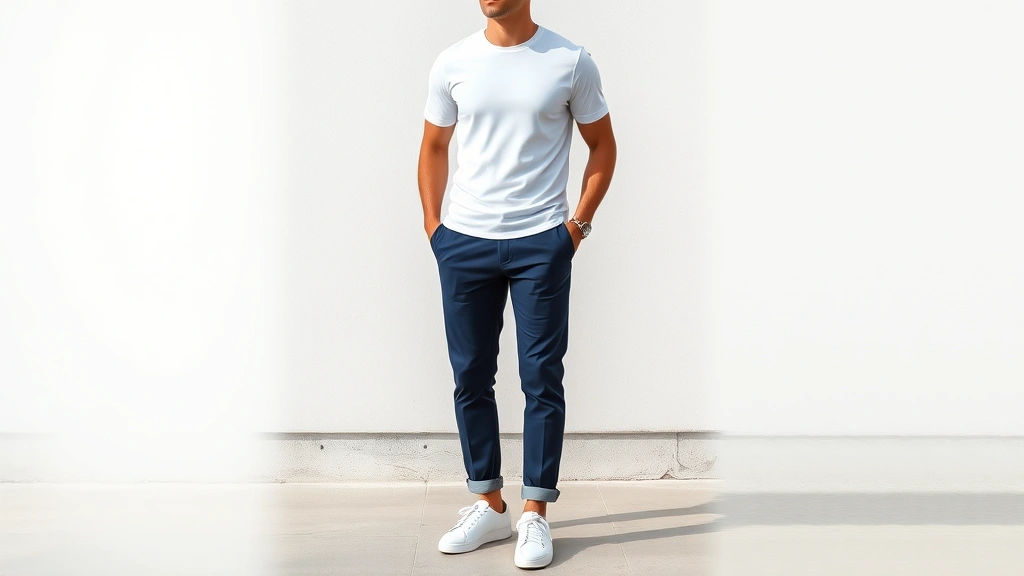
The most transformative step in elevating your casual look begins with understanding fit. Regardless of how expensive or trendy a garment is, poor fit will undermine your entire aesthetic. Proper proportions create visual harmony that instantly communicates intentionality and style awareness.
For t-shirts and casual tops, aim for a silhouette that skims your body without clinging or drowning. The shoulder seam should align with your actual shoulder point—not extending past it or sitting too far inward. The length should reach your hip bone, allowing you to move freely without the shirt riding up or sagging excessively. When you raise your arms, you shouldn’t see excessive fabric bunching at the sides.
Jeans and casual trousers should break slightly at the ankle, creating a clean line without stacking fabric. Too much break looks dated and sloppy; too little makes you appear uncomfortable or creates unflattering proportions. The waist should sit at your natural waistline without requiring constant adjustment, and the thigh should have enough room for comfortable movement without appearing baggy.
Consider exploring how to find your personal style to understand which silhouettes genuinely flatter your body type. Different frame types respond better to different proportions, and recognizing this accelerates your styling journey significantly.
Many men benefit from tailoring investment pieces. A $40 pair of jeans tailored to your exact proportions outperforms $200 jeans that fit incorrectly. Tailors can adjust inseams, taper legs, bring in waistbands, and refine shoulder seams—transformations that dramatically elevate your overall presentation.
Build a Versatile Color Palette
Color selection dramatically influences how polished and intentional your casual outfits appear. Rather than randomly grabbing whatever colors appeal to you, develop a cohesive palette that works together harmoniously.
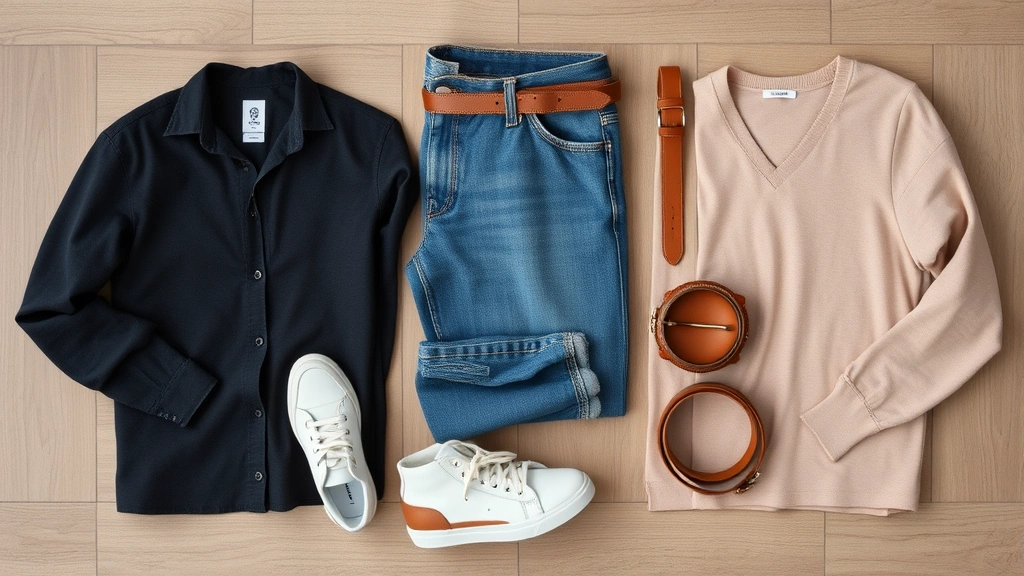
Neutral foundations form the backbone of effortless styling. Navy, charcoal gray, black, white, cream, and khaki create versatile bases that layer beautifully and coordinate with virtually any accent color. These neutrals also age well in your closet, maintaining relevance across seasons and trends.
Beyond neutrals, identify 2-3 accent colors that complement your skin tone and personal preference. These might include earth tones like olive, rust, or tan; cool tones like slate blue or forest green; or warmer shades like burgundy or terracotta. The key is consistency—when your accent colors relate to each other, mixing and matching becomes intuitive.
Understanding color temperature transforms your styling immediately. Cool-toned individuals look vibrant in blues, purples, and cool grays, while warm-toned individuals shine in oranges, warm browns, and golden hues. Neutral skin tones enjoy flexibility with both palettes. When you dress within your natural color temperature, you look healthier, more awake, and more intentional.
Explore types of fashion styles to see how color palettes function within different aesthetic frameworks. This contextual understanding helps you make choices aligned with your personal vision.
Monochromatic dressing—wearing various shades of a single color—creates sophisticated, elongating silhouettes that feel unexpectedly elevated. A charcoal t-shirt with slate jeans and dark gray sneakers creates visual coherence without appearing costume-like. This approach works beautifully for casual styling and requires minimal cognitive effort when getting dressed.
The Power of Quality Basics
Your casual wardrobe’s foundation rests on quality basics that you’ll wear repeatedly. These essential pieces deserve investment because they form the basis of countless outfits.
Essential casual basics include:
- Plain crew-neck t-shirts in white, black, navy, and gray
- Long-sleeve henley shirts in neutral tones
- Well-fitting jeans in medium blue, dark blue, and black
- Casual chinos in khaki, navy, and olive
- Lightweight sweaters in neutral colors
- Plain button-down shirts for dressier casual occasions
- Comfortable shorts in neutral tones for warm weather
Quality basics should feel substantial—not flimsy—and maintain their shape through repeated wearing and washing. Higher thread count fabrics, reinforced seams, and quality construction justify premium pricing because these pieces earn their keep through constant rotation.
When shopping for basics, prioritize fit and fabric over brand name. A $25 t-shirt from an unknown brand that fits perfectly serves you better than a $80 designer shirt that doesn’t flatter your proportions. Focus on how garments make you feel and how they work within your existing wardrobe ecosystem.
Building a foundation of quality basics creates a “capsule wardrobe” mentality where every piece works with multiple others. This approach reduces decision fatigue, saves money long-term, and ensures you always have something appropriate to wear. Your basics are the invisible infrastructure supporting everything else.
Layering Techniques That Work
Layering elevates casual looks from simple to sophisticated while providing practical temperature regulation. Strategic layering creates visual interest and dimension without appearing overdone.
The classic three-layer approach works beautifully: A base layer (t-shirt), a mid layer (shirt or lightweight sweater), and an outer layer (jacket or overshirt). This formula creates depth, allows you to adjust to temperature changes, and provides visual complexity that reads as intentional.
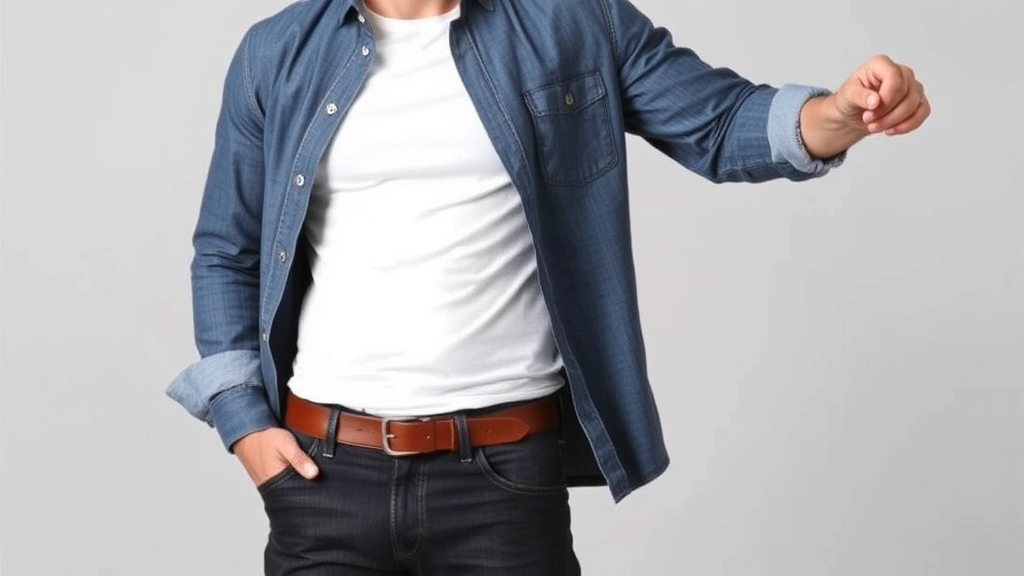
Contrast matters significantly in layering. Pairing a white t-shirt under a navy overshirt creates cleaner lines than layering similar colors. Rolling or cuffing shirt sleeves to reveal the layer beneath adds visual interest and prevents the stacked-fabric look.
Texture variation enhances layered outfits considerably. A smooth cotton t-shirt under a textured knit sweater, topped with a structured jacket creates visual richness. Conversely, mixing textures that are too similar—like two knits—can appear bulky or confused.
Proportion awareness becomes crucial in layering. If you’re wearing a voluminous overshirt, pair it with more fitted base layers to maintain silhouette clarity. Conversely, fitted outer layers work beautifully over relaxed base pieces. This balance prevents the “oversized everything” look that can appear unkempt.
Season-specific layering follows natural progression. Spring and fall allow creative mid-layer experimentation with cardigans, lightweight sweaters, and overshirts. Summer layering focuses on breathable fabrics and strategic sun protection. Winter layering emphasizes warmth while maintaining visual proportion through careful color and texture selection.
Footwear Strategies for Every Occasion
Shoes anchor your entire casual outfit and deserve thoughtful consideration. The right footwear elevates everything above it; poor shoe choices undermine even the most carefully constructed outfit.
Essential casual shoe categories include:
- White sneakers – The ultimate versatile casual shoe, working with virtually every casual outfit while maintaining understated polish
- Neutral canvas shoes – Tan, gray, or navy canvas provides visual lightness and pairs beautifully with denim or chinos
- Chelsea boots – A dressier casual option that works beautifully with chinos or dark jeans for elevated casual situations
- Casual leather loafers – Offering sophistication without formality, perfect for business casual or nicer casual events
- Minimalist sneakers – Clean, simple designs in neutral colors that read as intentional rather than sporty
- Suede desert boots – Textured options that add visual interest while maintaining casual approachability
Condition matters tremendously. Clean, well-maintained shoes signal intentionality and respect for your appearance. Regular cleaning, appropriate storage, and occasional professional conditioning extend shoe life while maintaining visual appeal. Scuffed, dirty shoes instantly undermine an otherwise thoughtful outfit.
Color coordination through footwear creates visual harmony. Generally, shoes should either match your pants color (creating a lengthening line) or provide intentional contrast. White shoes create brightness and visual interest; neutral shoes recede; bold shoes become statement pieces. Choose consciously based on your outfit’s overall energy.
Proportion matters in shoe selection. Larger-framed men generally look better in slightly chunkier shoes with more visual weight; smaller-framed individuals appear better in sleeker silhouettes. This isn’t rigid—it’s about visual balance and how shoes anchor your overall proportions.
Accessorizing with Purpose
Accessories transform casual basics into personalized, intentional outfits. Rather than random additions, strategic accessorizing tells a story about your aesthetic preferences and attention to detail.
Key casual accessories include:
- Watches – A functional accessory that adds wrist interest and demonstrates personal style
- Bracelets – Subtle woven or leather options add texture without appearing costume-like
- Hats – Baseball caps, beanies, or bucket hats add personality while serving practical purposes
- Belts – Both functional and aesthetic, belts should coordinate with your shoe color
- Bags – Backpacks, crossbody bags, or tote bags complete your outfit while serving practical purposes
- Sunglasses – Quality frames protect your eyes while adding cool-factor appeal
- Scarves – Lightweight options add texture and sophistication, particularly in transitional seasons
The “rule of three” works beautifully in casual accessorizing: choose three complementary pieces that work together cohesively. This prevents the over-accessorized appearance while creating intentional visual interest.
Quality matters significantly in accessories. A genuine leather belt outperforms a cheap alternative that cracks after months. Affordable watches from reputable brands offer better value than expensive pieces from unknown manufacturers. Invest in accessories you’ll wear frequently and that align with your aesthetic vision.
Personal style emerges through accessory choices. While basics remain consistent, your accessory selections communicate your personality, interests, and style perspective. A vintage watch, specific hat style, or unique bag choice distinguishes your look from generic casual dressing.
Seasonal Casual Styling
Adapting your casual style to seasonal changes maintains relevance and comfort while preventing tired, repetitive outfits.
Spring casual styling embraces lighter fabrics and emerging colors. Pastel accents, lightweight layers, and breathable materials suit warming temperatures. Overshirts, unstructured blazers, and cardigans layer beautifully over basics. Canvas sneakers and lighter footwear feel appropriate as winter boots retire.
Summer casual styling prioritizes breathability and comfort. Linen shirts, cotton basics, and lightweight shorts dominate warm-weather wardrobes. Neutral color palettes keep outfits cool visually; bold accent colors add personality without overwhelming. Sandals, canvas shoes, and minimalist sneakers suit casual summer vibes. Hats provide practical sun protection while adding style.
Fall casual styling reintroduces layering opportunities and richer color palettes. Earth tones, rust, burgundy, and forest green feel seasonally appropriate. Lightweight sweaters, flannel shirts, and structured jackets transition wardrobes toward cooler temperatures. Chelsea boots and suede options emerge as weather cools.
Winter casual styling emphasizes warmth without sacrificing style. Heavy knits, insulated jackets, and structured outerwear become outfits’ focal points. Neutral, deep-toned color palettes create visual coherence. Beanies, scarves, and gloves serve practical purposes while adding personality. Darker pants and heavier fabrics suit winter’s visual aesthetic.
Understanding the complete fashion history timeline provides context for seasonal styling evolution and helps you make historically-informed choices that feel timeless rather than trendy.
Common Mistakes to Avoid
Even with foundational knowledge, certain mistakes persistently undermine casual styling efforts. Recognizing and avoiding these pitfalls accelerates your style development.
Oversized everything: While comfortable, excessively loose garments create shapeless silhouettes that read as unkempt rather than intentional. Seek the balance between comfortable and flattering—your clothes should skim your body, not drown it.
Mismatched proportions: Pairing oversized tops with equally oversized bottoms, or extremely fitted pieces throughout, creates visual awkwardness. Balance volume—if your top is relaxed, taper your bottoms, and vice versa.
Ignoring fit adjustments: Many men tolerate poor-fitting basics because tailoring feels unnecessary for casual wear. However, $15 tailoring transforms $40 basics into pieces that look significantly more expensive and polished.
Random color combinations: Throwing together unrelated colors creates chaotic, unintentional-looking outfits. Develop a cohesive palette and make deliberate choices within that framework.
Neglecting grooming: Style exists within a grooming context. Well-fitting clothes paired with unkempt hair, ungroomed facial hair, or poor hygiene undermines your entire look. Grooming and styling work together synergistically.
Wearing damaged or stained clothes: Small stains, holes, or excessive wear instantly signal carelessness. Maintain your clothes through regular washing, appropriate storage, and timely repairs.
Ignoring occasion context: Wearing the same casual outfit to a casual dinner as you would to a yard work session signals style confusion. Adjust your casual styling based on the specific situation—casual dinner casual differs from weekend-at-home casual.
Following trends blindly: While trend awareness matters, building a personal style that transcends temporary trends creates longevity. Choose trendy pieces as accents within a timeless foundation, not as your entire wardrobe.
FAQ
What’s the difference between casual and smart casual?
Casual styling emphasizes comfort and relaxation—jeans, t-shirts, and relaxed silhouettes dominate. Smart casual introduces dressier elements like button-down shirts, chinos, and structured pieces while maintaining approachability. Smart casual suggests slightly elevated effort without formality.
How much should I spend on casual wardrobe basics?
Quality basics deserve investment because you’ll wear them repeatedly. Allocate $25-60 per basic piece, seeking value rather than brand names. A $40 perfectly-fitting t-shirt serves better than a $100 poorly-fitting designer piece. Build slowly, prioritizing fit and fabric quality.
Can casual fashion work for professional environments?
Absolutely. Many workplaces embrace casual dress codes. Elevate casual basics through intentional layering, quality materials, and refined color palettes. Structured pieces like button-down shirts and chinos, combined with quality footwear, create polished casual looks suitable for professional settings.
How do I develop my personal casual style?
Start by observing outfits that resonate with you—save images, note common elements, and identify patterns. Experiment with different silhouettes, colors, and accessories to discover what feels authentically you. Your personal style emerges through consistent choices that reflect your values and aesthetic preferences.
What’s the most important casual styling rule?
Fit matters more than anything else. The most expensive, trendiest piece looks terrible if it doesn’t fit properly. Conversely, affordable basics in perfect proportions look significantly more expensive and polished. Prioritize fit above all other considerations.
How can I transition my wardrobe to better casual styling?
Rather than overhauling everything simultaneously, replace basics as they wear out. When you need new jeans, choose a better fit. When you buy t-shirts, select quality materials. Gradually build a cohesive wardrobe through intentional replacement rather than massive purchases.