Grunge Fashion for Men: Expert’s Guide to Authentic Street Style
Grunge fashion for men represents more than just a clothing aesthetic—it’s a cultural rebellion that emerged from the Seattle music scene in the early 1990s and continues to influence contemporary menswear today. This raw, anti-fashion movement transformed the way men approach personal style, replacing polished formality with deliberate dishevelment and authenticity. Whether you’re drawn to the iconic flannel shirts, distressed denim, or the overall ethos of understated coolness, understanding grunge fashion allows you to craft a wardrobe that feels genuinely you rather than dictated by mainstream trends.
The beauty of grunge lies in its accessibility and anti-establishment philosophy. Unlike luxury fashion movements that require significant investment, grunge celebrates thrift store finds, worn-in pieces, and the patina that comes with authentic wear. For modern men seeking to incorporate grunge elements into their fashion style, this guide breaks down the essential components, styling techniques, and contemporary interpretations that keep grunge eternally relevant. From Kurt Cobain’s iconic cardigan to today’s high-fashion grunge interpretations, we’ll explore how to build an authentic grunge wardrobe that commands respect without trying too hard.
The History and Origins of Grunge
Grunge fashion emerged organically from Seattle’s underground music scene during the mid-1980s and exploded into mainstream consciousness in the early 1990s. Bands like Nirvana, Pearl Jam, Soundgarden, and Alice in Chains didn’t set out to create a fashion movement—they simply wore what was comfortable, affordable, and reflected their working-class backgrounds and anti-consumerist values. The music’s raw emotional intensity found its perfect visual expression in equally raw, unpolished clothing.
The aesthetic drew heavily from thrift culture, workwear traditions, and the utilitarian style of Pacific Northwest logging communities. Flannel shirts, originally working-class garments, became symbols of authenticity. Ripped jeans weren’t a fashion statement but rather a reflection of actual wear and tear. This unintentional fashion movement gained traction when Kurt Cobain wore a cardigan to perform on MTV’s Unplugged, accidentally launching one of fashion history’s most enduring trends. Suddenly, what had been dismissed as poor or unfashionable became the height of cool.
What distinguished grunge from previous countercultures was its explicit rejection of fashion itself. Punks and other rebels intentionally provoked; grunge simply didn’t care. This apathy toward appearance paradoxically made grunge the most influential youth movement in fashion history. By the mid-1990s, luxury designers like Marc Jacobs were presenting grunge collections on high-fashion runways, attempting to commodify something fundamentally anti-commercial. This tension between grunge’s anti-fashion ethos and fashion industry appropriation remains relevant today.
Essential Grunge Wardrobe Pieces
Building an authentic grunge wardrobe begins with understanding the core pieces that define the aesthetic. These aren’t trendy items meant to be discarded seasonally but rather timeless basics that form the foundation of different types of fashion styles rooted in grunge culture.
Flannel Shirts are non-negotiable in any grunge wardrobe. The classic plaid pattern, typically in muted tones like black-and-red, navy-and-green, or grey combinations, serves as the movement’s unofficial uniform. Look for oversized fits that drape loosely over your frame, suggesting you grabbed whatever was available rather than carefully selecting a tailored piece. Authentic grunge flannel often appears slightly faded, worn at the cuffs, and imperfectly aged. Brands like Pendleton and vintage Levi’s offer authentic options, though thrift stores provide the most genuine specimens.
Band T-Shirts function as more than merchandise—they’re cultural artifacts and conversation starters. Vintage Nirvana, Soundgarden, and Alice in Chains tees carry historical weight. These work best when visibly worn, with faded graphics and soft, thin fabric that’s been washed countless times. Modern band tees from contemporary artists also work, provided they maintain the authentic aesthetic rather than appearing overly polished or commercialized.
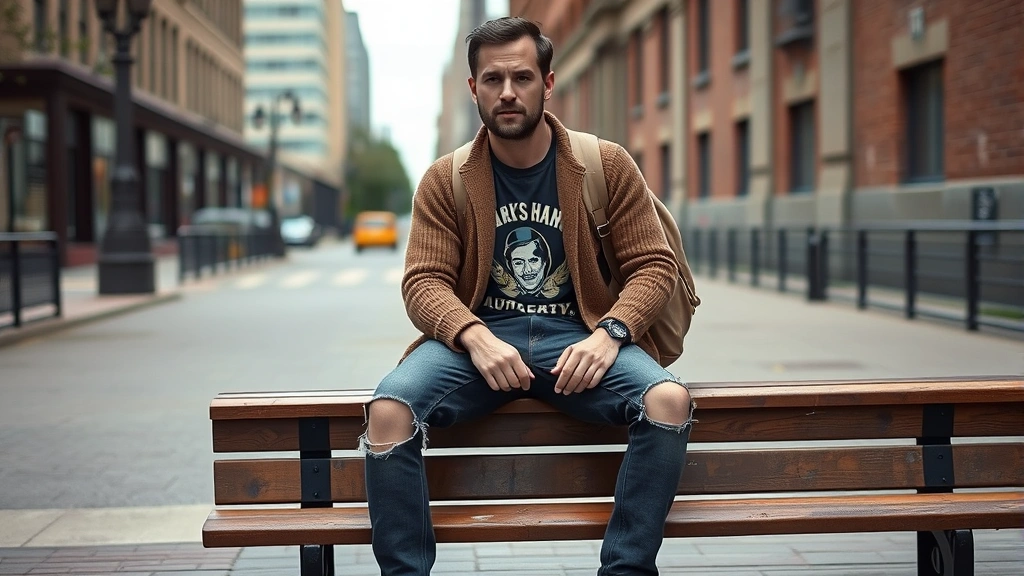
Cardigans and Sweaters offer layering opportunities essential to grunge’s aesthetic. The cardigan gained iconic status through Kurt Cobain’s oversized brown Grandpa-style cardigan, but any well-worn, slightly too-large cardigan works. These pieces should appear comfortable and slightly disheveled, worn over graphic tees or band shirts. Chunky knit textures, subtle color variations, and visible wear enhance authenticity.
Distressed Denim completes the foundation. Unlike contemporary distressed jeans with carefully placed rips and designer-applied damage, authentic grunge denim shows genuine wear patterns. Rips appear naturally at stress points like the knees and thighs. The fit is typically loose and straight-leg rather than skinny, allowing comfortable movement. Black, dark indigo, and grey are standard grunge colors, though lighter washes work for summer interpretations.
Oversized Jackets and Outerwear provide layering and attitude. Denim jackets, leather jackets, and wool coats all work when worn slightly too large. Thrift stores offer authentic vintage pieces with genuine patina. Flannel-lined jackets add practical warmth while maintaining the aesthetic. Oversizing creates silhouette interest and suggests the wearer isn’t concerned with perfect fit—a fundamentally grunge attitude.
Thermal Shirts and Long Underwear layer underneath primary pieces, visible at cuffs and necklines. These typically come in neutral colors—grey, black, or white—and add visual texture. The visible layering suggests practicality and environmental awareness rather than fashion calculation.
Styling Techniques and Combinations
Grunge styling succeeds through apparent casualness that actually requires understanding proportion, texture, and color harmony. The key is looking like you didn’t try while clearly knowing what you’re doing.
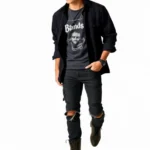
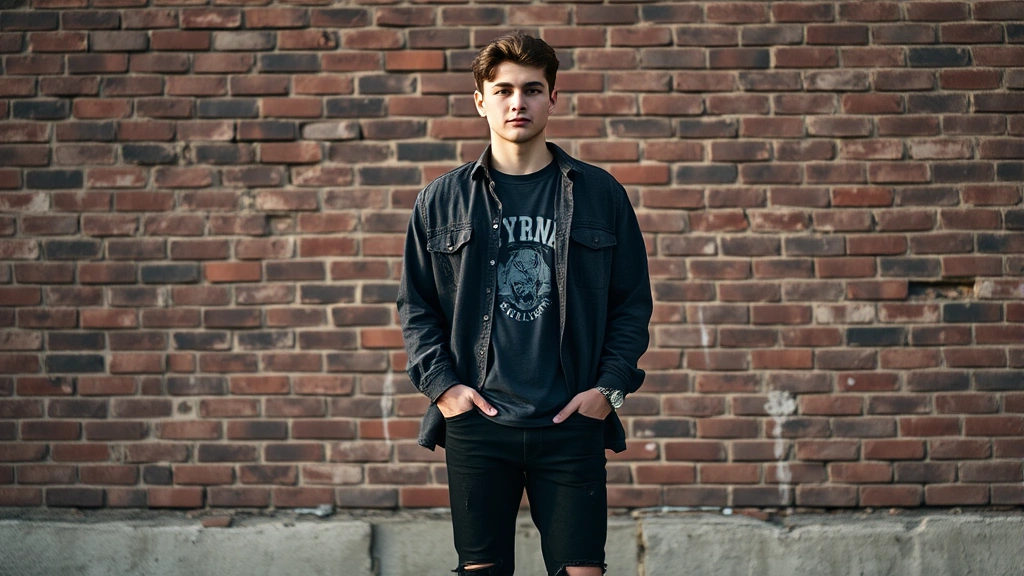
The Classic Combination: Start with a graphic band tee or plain shirt as your base. Layer an open flannel shirt over it, allowing both items to show. Add distressed dark jeans and complete with work boots or sneakers. This fundamental combination works everywhere from casual outings to relaxed social settings. The visual interest comes from texture variation—smooth cotton tee, woven flannel, denim weight, and shoe material—rather than color blocking.
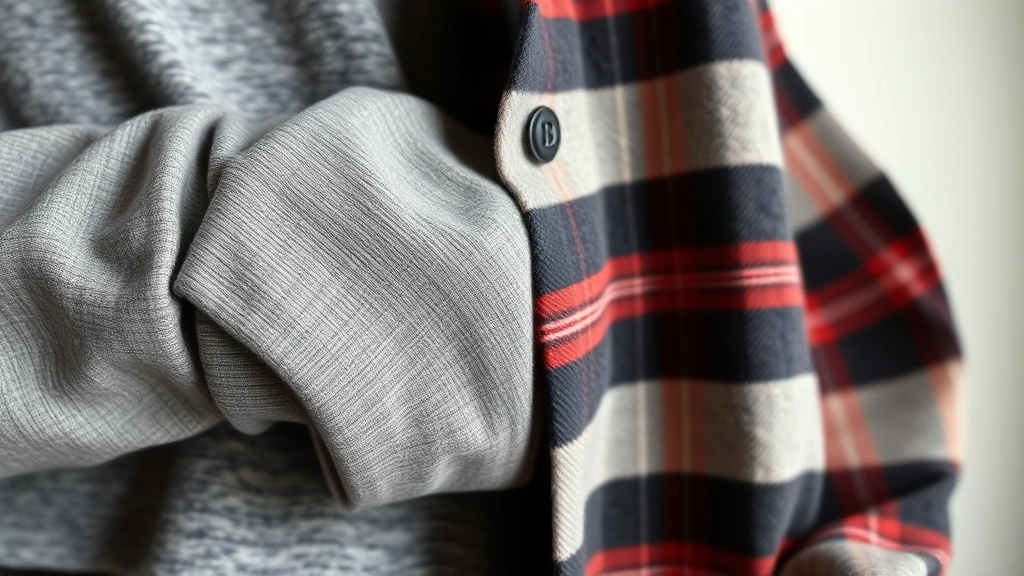
Layering for Depth: Grunge thrives on strategic layering that adds visual complexity. Wear a thermal shirt with visible cuffs under a band tee, then add an oversized cardigan or flannel shirt. This creates a cohesive look with color and texture variation. Sleeves should hit at different lengths, suggesting the pieces were selected for comfort rather than coordinated matching.
Color Palette Approach: Grunge traditionally employs muted, earthy tones—blacks, greys, dark greens, dark reds, and browns. These colors naturally complement each other and create the movement’s characteristic somber aesthetic. Avoid bright or neon colors that feel contemporary rather than grunge. Occasional pops of color work if muted—a faded vintage band tee with a slightly unusual color, for instance.
Texture Mixing: Grunge’s visual appeal comes significantly from combining different fabric textures. Pair smooth cotton with rough denim, add chunky knit cardigans, include worn leather jackets, and finish with canvas or suede shoes. This texture variation creates visual interest without relying on pattern mixing or bright colors.
Proportion Play: While oversizing is fundamental, balance is crucial. Pair oversized tops with fitting-or-slightly-loose jeans rather than oversized everything, which reads as sloppy rather than intentional. Conversely, oversized jeans work with fitted or standard-fit tops. This proportional balance creates silhouette interest while maintaining the relaxed aesthetic.
Footwear and Accessories
Shoes and accessories complete the grunge look, grounding the outfit in authenticity and practical style. Your choice here signals whether you’re genuinely embracing grunge philosophy or simply adopting surface aesthetics.
Footwear Options: Doc Martens represent the quintessential grunge shoe—durable, unfashionable in mainstream culture during the ’90s, and comfortable for all-day wear. Their heavy appearance and serious demeanor perfectly complement grunge’s anti-fashion stance. Worn-in Doc Martens with visible creasing and scuffing look more authentic than pristine new pairs. Combat boots and military-style footwear offer similar energy. Conversely, worn canvas sneakers like Converse Chuck Taylors or Vans provide a more accessible entry point while maintaining authenticity. Avoid pristine, obviously new shoes; grunge shoes should appear lived-in and weathered.
Belts: Heavy leather belts in black or brown serve practical purposes while adding visual weight to your silhouette. Metal buckles should be understated—avoid oversized statement buckles that feel fashionable rather than functional. Chain wallets occasionally appear in grunge styling, dangling from belt loops in a subtle nod to punk influence.
Bags: Practical over decorative, grunge bags include simple backpacks, canvas messenger bags, or worn leather satchels. These should appear functional and lived-in rather than obviously designer. Vintage band merchandise bags or simple canvas totes work perfectly. Avoid logos, visible branding, or anything that screams current fashion.
Jewelry: Grunge keeps jewelry minimal and intentional. Simple silver or black metal chains, understated rings, and occasionally visible tattoos serve as personal expression. Avoid flashy or obviously expensive pieces that contradict grunge’s anti-consumerist values. A single meaningful necklace or small collection of simple rings works better than layered, coordinated jewelry.
Hats and Headwear: Beanies, worn baseball caps, and simple knit hats add character while serving practical purposes. Avoid pristine new hats; look for vintage or well-worn pieces that appear authentically aged. Trucker hats and winter beanies in neutral colors work well. Avoid branded or obviously fashionable headwear.
Sunglasses: Simple, dark sunglasses in classic styles work for grunge. Avoid oversized designer frames or obviously trendy styles. Small rectangular or oval dark lenses create the right aesthetic. Vintage frames often work better than current fashion eyewear.
Modern Interpretations and Contemporary Trends
Grunge fashion continues evolving, and contemporary interpretations maintain the movement’s core values while reflecting modern sensibilities. Understanding how grunge manifests today helps you create relevant outfits that honor tradition while feeling current.
High fashion has repeatedly attempted to commodify grunge, with luxury brands like Vogue regularly featuring grunge-inspired collections. Designers like Vetements, Raf Simons, and Rick Owens have built reputations partly on grunge reinterpretation. These designer versions maintain aesthetic elements—oversizing, muted colors, raw textures—while using premium materials and construction. For budget-conscious men seeking authentic grunge, thrift stores remain superior to luxury interpretations that charge premium prices for intentionally distressed pieces.
Contemporary streetwear has absorbed grunge DNA, with brands like Supreme and Stüssy blending grunge’s casual aesthetic with modern graphic design. The result feels grunge-adjacent but distinctly contemporary. These pieces work for men seeking to blend grunge influences with current fashion rather than pursuing pure historical accuracy.
Gender-neutral and oversized fashion trends have legitimized grunge’s silhouettes in mainstream culture. What once read as unfashionable or sloppy now aligns with contemporary fashion’s embrace of comfort and proportion play. This cultural shift makes grunge more accessible—you’re no longer fighting against fashion establishment values but rather aligning with them.
Sustainable fashion movements have renewed interest in grunge’s thrift-based approach. As consumers increasingly question fast fashion’s environmental impact, grunge’s emphasis on secondhand pieces and long-term wearability gains relevance. Buying vintage grunge pieces becomes not just stylish but environmentally responsible.
Building Your Grunge Wardrobe on Budget
Authentic grunge fashion costs far less than most style movements because the aesthetic celebrates thrift and secondhand pieces. Your budget becomes an advantage rather than a limitation when approaching how to find your personal style through grunge.
Thrift Store Strategy: Dedicate time to exploring local thrift stores, estate sales, and secondhand shops. Look specifically for flannel shirts, band tees, cardigans, and denim that show authentic wear. The hunt itself embodies grunge philosophy—you’re not shopping designer collections but rather discovering unique pieces with history. Expect to visit multiple stores before finding quality pieces, but prices typically range from $3-$15 per item.
Online Secondhand Platforms: Depop, Vestiaire Collective, and Grailed offer curated vintage pieces with detailed photography and seller ratings. These platforms charge slightly more than local thrift stores but offer access to rare vintage band tees and designer grunge pieces. Set price alerts for specific items and check regularly for deals.
Priority Purchases: If budget is limited, invest first in quality basics—well-fitting dark jeans, neutral cardigans, and one or two authentic flannel shirts. These foundational pieces mix and match across multiple outfits. Band tees and graphic elements can come from thrift stores where prices are lowest.
New Purchases That Work: While thrift shopping is ideal, certain items work well when purchased new. Thermal underwear, basic socks, and plain tees can be found affordably at stores like H&M, Uniqlo, or Target. Brands like Levi’s and Carhartt offer authentic workwear that fits grunge aesthetics at reasonable prices. Avoid fast fashion pieces that feel obviously new and disposable.
Maintenance Over Replacement: Grunge values longevity and authenticity of wear. Rather than constantly buying new pieces, invest in quality basics and wear them until they develop genuine patina. This approach saves money while creating the worn-in aesthetic that defines authentic grunge.
Making Grunge Your Own
While this guide provides grunge fundamentals, authentic personal style emerges when you adapt these principles to your unique preferences and life. Grunge’s anti-fashion philosophy explicitly encourages individuality over conformity.
Consider your lifestyle and environment. Grunge works across contexts—from creative industries to casual social settings—but how you interpret it should reflect your actual life. A construction worker might naturally gravitate toward authentic workwear-based grunge, while a student might blend grunge with contemporary streetwear. Neither approach is less authentic; they’re simply different expressions of the same philosophy.
Explore your music preferences and cultural influences. Grunge emerged from specific musical traditions, and your personal taste might draw from different genres. Incorporating band tees from artists you genuinely love creates authentic personal expression rather than wearing historically significant bands you don’t actually listen to. This personal connection makes your grunge aesthetic feel genuine rather than costume-like.
Experiment with color and texture within grunge’s traditional palette. Perhaps you’re drawn to forest green rather than black, or prefer heavyweight wool sweaters to cardigans. These personal variations maintain grunge’s core aesthetic while reflecting your preferences. The movement’s anti-fashion stance explicitly supports such individualization.
Consider incorporating pieces from Style Loom Daily Blog recommendations and other fashion resources that resonate with your sensibilities. Grunge doesn’t exist in isolation but rather as one expression within broader fashion conversation. You might blend grunge influences with elements from fashion nova dresses aesthetic (through color or attitude) or incorporate references from fashion quotes that inspire you. The key is maintaining grunge’s core values—authenticity, anti-consumerism, comfort—while allowing your unique taste to guide specific choices.
Remember that grunge’s greatest strength is its flexibility. The movement explicitly rejects rigid fashion rules, making it more forgiving than other aesthetics. You can experiment, make mistakes, and adjust your approach without violating some sacred fashion law. This freedom to evolve and personalize makes grunge an ideal style for men discovering their authentic aesthetic voice.
FAQ
Can I wear grunge fashion to professional settings?
Grunge works best in creative industries and casual workplace environments. For formal professional settings, grunge elements like blazers and tailored pieces can incorporate grunge’s aesthetic without violating dress codes. However, pure grunge—distressed jeans and band tees—doesn’t suit corporate environments. Consider your workplace culture and adjust accordingly.
Is grunge fashion still relevant in 2024?
Absolutely. Grunge’s emphasis on comfort, authenticity, and anti-consumerism aligns perfectly with contemporary values. High fashion continues drawing inspiration from grunge, and the movement’s timeless pieces never truly go out of style. Grunge remains relevant because it addresses fundamental human desires for comfort and authenticity rather than chasing trends.
How do I find authentic vintage band tees?
Thrift stores, vintage shops, and online platforms like Depop and Grailed offer authentic vintage band tees. Look for faded graphics, soft worn fabric, and genuine age indicators. Avoid obviously new reproductions printed to look vintage. Authentic pieces often cost more but carry historical value and superior quality. Concert tees from actual performances are most valuable, though any vintage band merchandise works aesthetically.
What’s the difference between grunge and hipster fashion?
While both aesthetics embrace vintage and thrift pieces, their philosophies differ fundamentally. Grunge emerges from anti-fashion values and working-class authenticity, while hipster fashion often uses vintage pieces ironically or fashionably. Grunge doesn’t care about fashion; hipster fashion cares deeply but approaches it self-consciously. Grunge pieces show genuine wear; hipster pieces might appear vintage but prioritize visual impact. The distinction lies in intention and attitude rather than specific items.
Can women wear grunge fashion?
Absolutely. While this guide focuses on men’s grunge, the aesthetic transcends gender. Women grunge fashion incorporates the same principles—flannel shirts, band tees, distressed denim, oversizing, and muted colors. The core values of authenticity and comfort apply universally. Gender simply doesn’t factor into genuine grunge philosophy.
Should grunge pieces be expensive?
No. Authentic grunge thrives on affordability and accessibility. Spending significant money contradicts grunge’s anti-consumerist values. Thrift stores, secondhand platforms, and budget retailers offer everything needed for genuine grunge aesthetics. Designer grunge pieces exist but represent fashion industry appropriation rather than authentic movement expression. Your grunge wardrobe should cost less than conventional fashion.
How do I avoid looking like I’m wearing a costume?
Authenticity comes from genuine interest in grunge values and music rather than surface aesthetic adoption. Wear pieces because they’re comfortable and reflect your actual taste, not because you’re performing grunge. Incorporate personal touches—your favorite bands, colors you genuinely prefer, pieces that fit your lifestyle. Avoid obviously new or pristine pieces that scream intentional styling. The more naturally grunge integrates into your life, the more authentic it appears.
What should I avoid when wearing grunge?
Avoid over-styling, excessive accessorizing, or obviously new pieces that feel costume-like. Skip bright colors, designer logos, or anything suggesting you tried too hard. Don’t adopt grunge as temporary trend; the movement rewards consistency and genuine commitment. Avoid mixing grunge with explicitly opposite aesthetics like high fashion or formal wear unless intentionally creating contrast. Most importantly, avoid adopting grunge purely for fashion credibility without understanding or respecting its cultural origins.