

Greek Fashion Trends: Designer Insights and Mediterranean Style Evolution
Greek fashion represents a captivating blend of ancient heritage, Mediterranean warmth, and contemporary innovation. From the sun-soaked islands of Santorini to the vibrant streets of Athens, Greek designers are reshaping the global fashion landscape with their distinctive approach to elegance and sustainability. The Greek fashion industry has evolved dramatically over the past decade, moving beyond traditional perceptions to establish itself as a powerhouse of creativity and craftsmanship.
This comprehensive guide explores the most influential Greek fashion trends, designer philosophies, and the cultural elements that make Greek style instantly recognizable. Whether you’re seeking to incorporate Mediterranean aesthetics into your wardrobe or understand the deeper significance of Greek fashion movements, this article provides exclusive insights from industry experts and emerging designers who are revolutionizing the way we think about contemporary fashion.
The Heritage of Greek Fashion Design
Greek fashion draws profound inspiration from thousands of years of cultural and artistic tradition. The classical silhouettes that emerged from ancient Greece—flowing chitons, elegant draping, and minimalist aesthetics—continue to influence contemporary designers worldwide. However, modern Greek fashion transcends historical references by creating a dialogue between past and present, blending timeless principles with cutting-edge design techniques.
The foundation of Greek style lies in its philosophy of simplicity and proportion. Ancient Greek architecture and sculpture emphasized balance, harmony, and the celebration of natural form. These principles directly translate into contemporary fashion, where Greek designers prioritize clean lines, strategic draping, and garments that enhance the wearer’s natural silhouette. This approach distinguishes Greek fashion from other European design movements, offering a refreshingly minimalist yet deeply sophisticated aesthetic.
The post-war era saw Greek fashion develop its own distinct identity, separate from Parisian dominance. The 1960s and 1970s witnessed the emergence of Athens as a creative hub, with local designers beginning to export their work internationally. This period established the foundation for contemporary Greek fashion houses that now compete on the global stage. Understanding this historical context helps us appreciate why Greek designers maintain such a strong commitment to quality, timelessness, and cultural authenticity.
When exploring fashion style fundamentals, Greek design principles offer invaluable lessons. The emphasis on natural fabrics, neutral color schemes, and functional elegance creates pieces that transcend seasonal trends. This philosophy aligns perfectly with the broader shift toward sustainable and mindful fashion consumption.
Contemporary Greek Designers Redefining Style
Today’s Greek fashion scene showcases an impressive roster of talented designers who are gaining international recognition. These visionaries combine traditional Greek sensibilities with avant-garde experimentation, creating collections that resonate with fashion-forward audiences globally. Leading Greek designers have established themselves at prestigious fashion weeks and secured retail partnerships with luxury boutiques worldwide.
One of the most significant trends in contemporary Greek fashion is the rise of independent designers who prioritize direct-to-consumer models and digital platforms. These creators leverage social media and e-commerce to build global communities without relying on traditional gatekeepers. This democratization of fashion aligns with broader industry shifts and allows Greek designers to maintain creative control while reaching international markets.
The influence of Greek designers extends beyond clothing into accessories, footwear, and lifestyle products. Many contemporary Greek houses have developed comprehensive collections that reflect a cohesive design philosophy. From structured handbags crafted in Athens to minimalist jewelry pieces inspired by ancient Greek motifs, these designers create complete aesthetic experiences rather than isolated garments.
Notably, many Greek designers emphasize the storytelling aspect of their work. Each collection often references specific regions, historical periods, or cultural moments within Greek history. This narrative approach transforms fashion into a medium for cultural expression and education, allowing wearers to connect with deeper meanings beyond aesthetic appeal. When you find your personal style, incorporating pieces from Greek designers can add meaningful cultural dimensions to your wardrobe.
International fashion publications and trend forecasters have increasingly recognized Greek fashion’s significance. Vogue and other leading style authorities regularly feature Greek designers in their seasonal coverage, acknowledging the region’s contribution to global fashion discourse. This recognition validates the years of innovation and dedication that Greek design houses have invested in establishing their brands.
Mediterranean Color Palettes and Textures
The Mediterranean landscape profoundly influences Greek fashion’s signature aesthetic. The brilliant azure of island waters, the warm ochre and terracotta tones of traditional architecture, and the silvery-green of olive groves create a natural color palette that Greek designers frequently reference. These colors transcend seasonal trends, appearing consistently across collections because they reflect the unchanging beauty of the Greek environment.
White and cream remain foundational colors in Greek fashion, echoing the whitewashed buildings of Cycladic islands. These neutral bases provide versatility and elegance, allowing designers to create pieces that transition seamlessly between seasons and occasions. The strategic use of white creates visual breathing room in collections, emphasizing quality construction and fine details rather than visual complexity.
Navy blue represents another cornerstone color, referencing both the sea and traditional Greek maritime heritage. Many Greek designers incorporate navy as a sophisticated neutral, pairing it with crisp whites and accent colors to create timeless combinations. This color duo has become synonymous with Mediterranean style and appears across clothing, accessories, and home furnishings.
Accent colors drawn from Mediterranean flora and minerals—terracotta, sage green, dusty rose, and warm gold—add dimension without overwhelming the minimalist aesthetic. Greek designers use these colors strategically, often incorporating them through accessories, embroidery, or secondary garments rather than dominating entire looks. This restrained approach maintains the sophisticated simplicity that characterizes Greek fashion.
Texture plays an equally important role in Greek design aesthetics. Linen, cotton, and natural fibers dominate because they suit the Mediterranean climate while offering exceptional durability. The way these materials age—developing a beautiful patina and softening with wear—aligns with Greek fashion’s emphasis on timelessness and longevity. Designers often showcase raw edges and natural imperfections, celebrating the authenticity of materials rather than masking them.
Sustainable Fashion Movement in Greece
Greek fashion’s commitment to sustainability emerges naturally from the region’s strong connection to nature and cultural values emphasizing longevity and respect for resources. Many Greek designers have embraced sustainable practices not as marketing trends but as fundamental business philosophies rooted in Mediterranean traditions of stewardship and moderation.
The slow fashion movement finds particularly strong resonance in Greece, where artisanal production methods and small-scale manufacturing remain prevalent. Unlike fast fashion industries that prioritize rapid production cycles, Greek designers often maintain limited collections, extended production timelines, and careful quality control. This approach reduces waste while ensuring that each garment meets exacting standards.
Organic and locally-sourced materials feature prominently in contemporary Greek fashion collections. Designers collaborate with regional farmers and textile producers, creating closed-loop supply chains that support local economies while minimizing transportation impacts. This localization strategy strengthens community connections and ensures transparency throughout production processes.
Several Greek fashion houses have achieved international recognition for their environmental initiatives. These brands implement practices such as zero-waste pattern cutting, natural dyeing techniques, and biodegradable packaging. By sharing their methodologies and certifications publicly, these designers contribute to broader industry conversations about sustainability standards and accountability.
The concept of investment dressing—purchasing fewer, higher-quality pieces with lasting appeal—aligns perfectly with Greek fashion philosophy. When combined with 90s fashion minimalism’s influence on contemporary style, this approach creates wardrobes that remain relevant across decades rather than seasons. Greek pieces function as capsule wardrobe foundations, providing timeless basics and sophisticated statement pieces.
Traditional Craftsmanship Meets Modern Design
One of the most distinctive aspects of Greek fashion involves the integration of traditional craftsmanship techniques with contemporary design methodologies. Artisans in various Greek regions maintain centuries-old skills in weaving, embroidery, leather working, and textile production. Contemporary designers increasingly collaborate with these craftspeople, creating pieces that honor traditional techniques while expressing modern aesthetics.
Island communities throughout Greece preserve specific textile traditions unique to their regions. Designers from Athens and other urban centers frequently travel to these communities to commission production runs, ensuring that traditional knowledge continues to be practiced and valued. This collaborative model benefits both designers and artisans, creating sustainable economic opportunities while preserving cultural heritage.
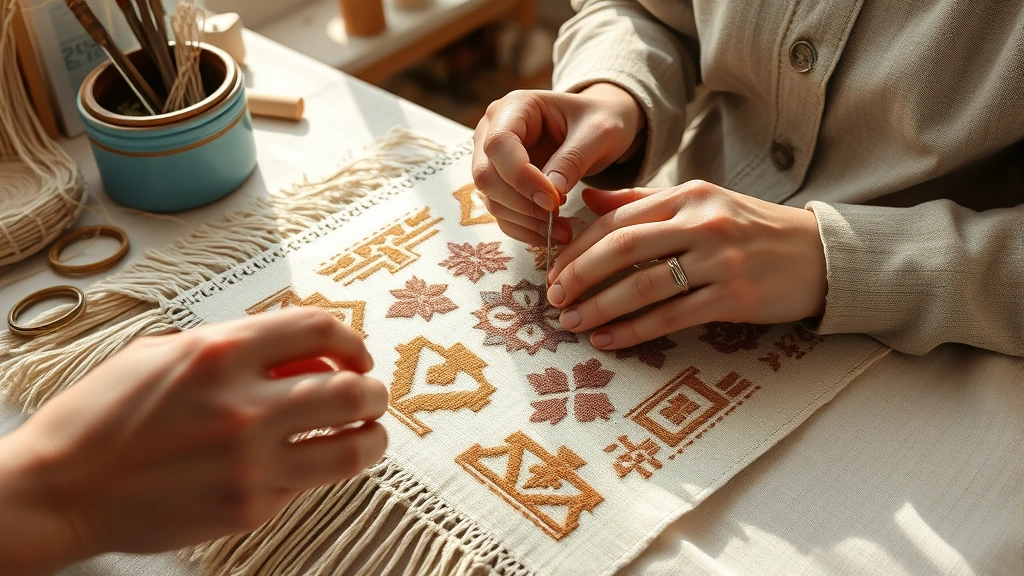
Hand-embroidery represents a particularly significant traditional craft in Greek fashion. Intricate embroidery patterns, often featuring geometric designs and symbolic motifs, appear on contemporary pieces ranging from casual knitwear to formal evening wear. The labor-intensive nature of hand-embroidery makes these pieces inherently exclusive and valuable, appealing to consumers seeking unique, artisanal quality.
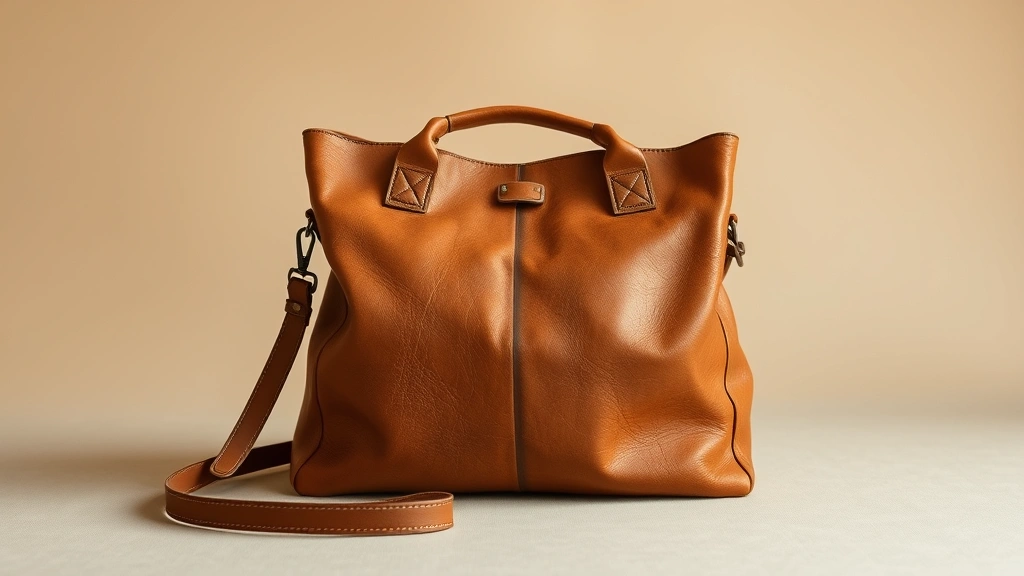
Leather craftsmanship maintains strong traditions in Greece, particularly in regions known for tanning and leather working. Greek leather goods—from structured handbags to minimalist footwear—demonstrate exceptional quality and durability. Designers work with leather artisans to create pieces that improve with age, developing rich patinas and character that synthetic alternatives cannot achieve.
The marriage of traditional techniques with digital design tools creates innovative possibilities. Some Greek designers use 3D design software to conceptualize garments before involving artisans in production, streamlining processes while maintaining handcrafted quality. This integration of technology and tradition positions Greek fashion at the forefront of contemporary design innovation.
Visiting the Style Loom Daily Blog provides additional insights into how traditional craftsmanship influences fashion trends globally. The emphasis on artisanal production and quality materials represents a universal shift toward more meaningful, sustainable fashion consumption.
Greek Fashion Week and Industry Events
Athens Fashion Week serves as the primary platform for showcasing Greek fashion talent to international audiences. Held biannually, this prestigious event attracts fashion editors, buyers, influencers, and industry professionals from around the globe. The event has evolved significantly over the past two decades, establishing Athens as a legitimate fashion capital alongside Paris, Milan, and New York.
Greek Fashion Week presentations showcase diverse design philosophies, from established houses with decades of heritage to emerging designers launching their inaugural collections. The event provides crucial exposure and networking opportunities, often serving as the launching pad for international success. Many currently celebrated Greek designers gained global recognition through memorable Greek Fashion Week presentations.
Beyond the main fashion week, numerous regional events celebrate Greek fashion and design. Island-based fashion festivals, artisan markets, and designer showcases throughout Greece create additional platforms for emerging talent. These grassroots events maintain strong connections between designers and local communities, fostering a sense of shared cultural investment in fashion as an art form.
International fashion institutions increasingly recognize Greek design contributions. Business of Fashion regularly features Greek designers in trend reports and industry analyses. This mainstream recognition has elevated Greek fashion’s status, attracting investment capital and talent to the region’s design sector.
Collaborations between Greek designers and international fashion houses have become increasingly common. These partnerships allow Greek designers to access global distribution networks while bringing their distinctive aesthetic to broader audiences. Such collaborations benefit both parties, enriching international fashion with Greek perspectives while providing Greek designers with resources for expanded production and marketing.
Incorporating Greek Style Into Your Wardrobe
Building a Greek-inspired wardrobe begins with understanding core design principles: simplicity, quality, natural materials, and timeless appeal. Rather than chasing trends, Greek fashion encourages thoughtful curation of pieces that will serve you across multiple seasons and occasions. Start by establishing a neutral foundation of classic pieces in white, cream, navy, and natural linen.
Essential Greek-inspired basics include well-fitted linen shirts, classic white t-shirts, neutral-toned trousers, and simple sweaters in natural fibers. These foundational pieces provide versatility and can be mixed and matched to create numerous outfits. The key is prioritizing quality construction and natural fabrics that improve with age, creating pieces you’ll genuinely want to wear for years.
Layering represents an important Greek fashion technique, allowing you to adjust to temperature changes while creating visual interest through texture and proportion. A lightweight linen overshirt worn open over a simple tank, or a long cardigan draped over basic pieces, exemplifies this approach. Layering also extends garment versatility, allowing single pieces to function across multiple seasons.
Accessories provide opportunities to introduce Mediterranean color and personality without overwhelming the minimalist aesthetic. Consider investing in quality leather bags, simple gold jewelry, and neutral footwear that anchors outfits while maintaining design coherence. A structured leather handbag or pair of minimalist sandals crafted by Greek artisans adds authentic cultural dimensions while supporting local designers.
When shopping for Greek fashion pieces, prioritize quality over quantity. Rather than purchasing multiple lower-quality garments, invest in fewer, exceptional pieces from established Greek designers or contemporary brands inspired by Greek aesthetics. This approach aligns with slow fashion principles and ensures your wardrobe remains current through thoughtful curation rather than rapid replacement.
Exploring Fashion Nova Dresses demonstrates how contemporary brands adapt classic silhouettes for modern audiences. While Fashion Nova represents a different market segment than luxury Greek fashion, understanding how designers across price points interpret classic styles helps you identify pieces that resonate with your personal aesthetic preferences.
Consider incorporating one or two statement pieces from Greek designers into existing wardrobes. A beautifully constructed linen dress, embroidered jacket, or unique accessory adds authentic Greek style while allowing you to gradually transition toward a more cohesive aesthetic. This gradual approach prevents wardrobe overwhelm while giving you time to discover which Greek design elements genuinely speak to your personal style.
Seasonal adaptation remains important even within minimalist Greek fashion. Summer collections emphasize lightweight linens and breathable fabrics in crisp whites and soft neutrals, while autumn and winter pieces introduce layering options and richer textures. Understanding these seasonal variations helps you build a year-round wardrobe that functions practically while maintaining aesthetic consistency.
FAQ
What makes Greek fashion distinctive compared to other European design movements?
Greek fashion emphasizes simplicity, proportion, and natural materials rooted in ancient Greek aesthetic principles. Unlike other European movements that prioritize ornamentation or rapid trend cycles, Greek design celebrates minimalism, timelessness, and the inherent beauty of quality materials. The strong connection to Mediterranean heritage and traditional craftsmanship further distinguishes Greek fashion as uniquely authentic and culturally grounded.
Are Greek fashion pieces affordable for average consumers?
Greek fashion exists across multiple price points. While luxury designer pieces from established houses command premium prices reflecting their quality and craftsmanship, emerging designers and contemporary brands inspired by Greek aesthetics offer accessible options. The key is identifying pieces that align with your budget while maintaining the quality and design principles that characterize Greek fashion philosophy.
How do I identify authentic Greek fashion designers?
Research designers’ backgrounds, production locations, and design philosophies. Authentic Greek designers often emphasize their heritage, showcase traditional craftsmanship, and maintain transparent supply chains. Look for designers featured in Greek Fashion Week presentations, international fashion publications, and luxury retailers specializing in contemporary design. Visiting designer websites and social media provides insights into their collections and design processes.
Can Greek fashion work for all body types and personal styles?
Absolutely. Greek fashion’s emphasis on quality construction and thoughtful proportions means pieces can be adapted for various body types. The minimalist aesthetic provides a neutral canvas that allows personal style expression through accessories, layering, and color choices. Rather than prescribing specific looks, Greek design philosophy encourages individual interpretation and authentic self-expression.
What’s the difference between Greek fashion and Greek-inspired fashion?
Greek fashion refers to designs created by Greek designers maintaining authentic connections to Greek heritage and production. Greek-inspired fashion describes pieces created by designers worldwide that reference Greek aesthetic principles without necessarily involving Greek designers or production. Both can be valuable, though authentic Greek fashion directly supports Greek designers and communities.
How should I care for Greek linen and natural fiber pieces?
Natural fibers require gentle care to maintain longevity. Wash linen in cool water with mild detergent, avoid excessive wringing, and dry flat or on a line when possible. Embrace the natural wrinkles that develop—they’re part of linen’s charm and authenticity. Store pieces in breathable containers, use cedar blocks for protection, and repair small damage promptly to extend garment life.