Classic Sweet Potato Pie Recipe: Chef-Approved Grandma’s Old Fashioned Technique
There’s something deeply nostalgic about a slice of classic sweet potato pie—the creamy filling, the buttery crust, and those warm spices that transport you straight to grandmother’s kitchen. This beloved dessert has been a cornerstone of family gatherings, holiday tables, and cherished memories for generations. Whether you’re looking to recreate your grandma’s old fashioned sweet potato pie recipe or discover the secrets behind the most authentic versions, this chef-approved guide will walk you through every step with professional precision and heartfelt tradition.
Sweet potato pie represents more than just a dessert; it’s a celebration of culinary heritage, seasonal ingredients, and the art of baking with intention. The beauty of this timeless recipe lies in its simplicity—just a handful of quality ingredients transform into something extraordinary. Professional chefs and home bakers alike recognize that mastering the fundamentals of sweet potato pie opens doors to endless variations while honoring the classic foundation that makes this dessert so special.
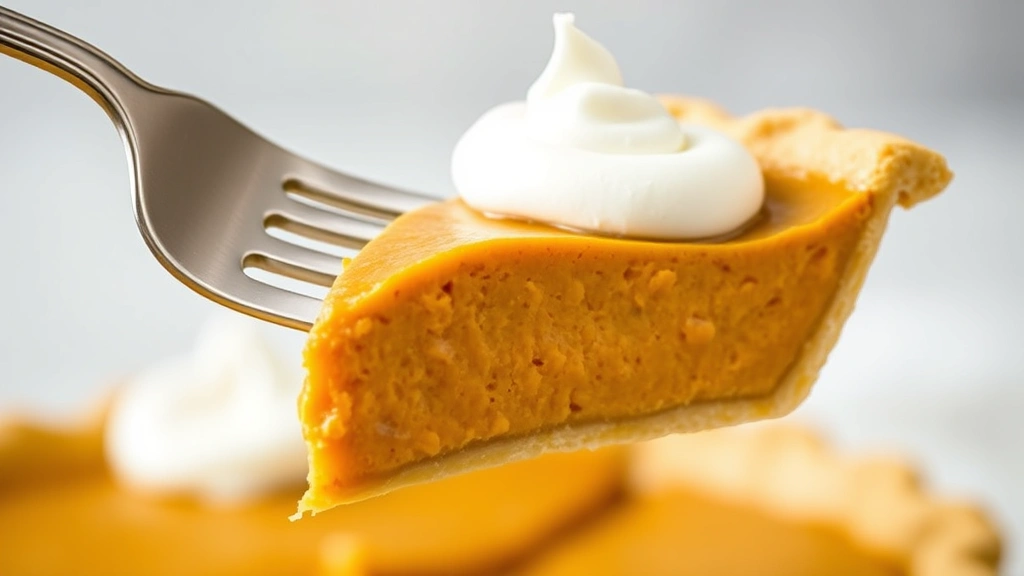
The Heritage and History of Sweet Potato Pie
Sweet potato pie carries deep cultural significance, particularly in Southern and African American culinary traditions. This dessert evolved from both African and European influences, creating a uniquely American classic that appears prominently at Thanksgiving tables, Christmas celebrations, and family gatherings year-round. Understanding the history behind this beloved pie enhances appreciation for every spoonful and connects us to generations of skilled home cooks who perfected this recipe.
The sweet potato itself was domesticated in Central and South America thousands of years ago, but it became deeply embedded in American food culture through the Southern colonies. The combination of sweet potatoes with warm spices like cinnamon, nutmeg, and ginger reflects colonial trade routes and the blending of culinary traditions. When you prepare a grandma old fashioned sweet potato pie recipe, you’re participating in a tradition that spans centuries and cultures.
What makes this dessert particularly special is how it has remained largely unchanged despite modern cooking trends. While many classic recipes have been reimagined or deconstructed, sweet potato pie maintains its integrity—a testament to its perfect balance of flavors and textures. Professional pastry chefs often return to this recipe as a foundation for understanding fundamental baking principles: crust development, custard-like fillings, and the precise timing required for ideal results.
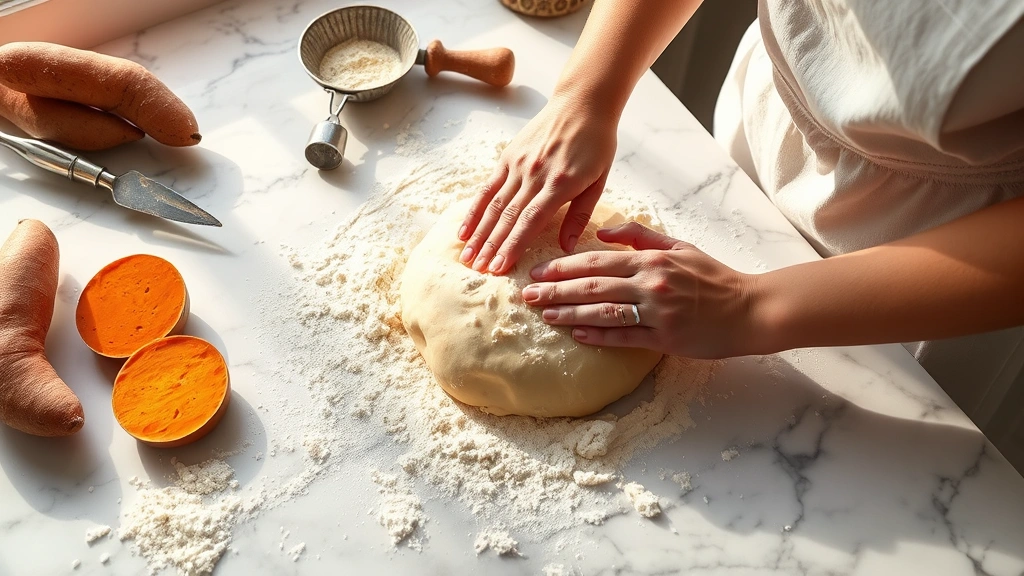
Selecting and Preparing Your Sweet Potatoes
The foundation of any exceptional sweet potato pie begins with selecting quality ingredients. Choose medium-sized sweet potatoes with unblemished skin and firm texture—these typically yield the best flavor and consistency. Avoid potatoes that are soft, wrinkled, or show signs of sprouting, as these indicate age and potential flavor degradation.
For the most authentic results, use orange-fleshed sweet potatoes rather than white varieties. The orange varieties contain more natural sugars and create that rich, velvety texture characteristic of traditional pies. You’ll need approximately three to four medium sweet potatoes to yield the two cups of puree required for most classic recipes.
Preparation is straightforward but requires attention to detail. Wash the sweet potatoes thoroughly under running water, scrubbing gently to remove any soil. Pierce each potato several times with a fork—this prevents steam buildup during cooking. Bake them at 375°F for approximately 45-60 minutes, depending on size, until a knife slides through the flesh with minimal resistance. The skin should wrinkle slightly when fully cooked, indicating the starches have fully converted to sugars.
Once cooled slightly, scoop the soft flesh into a bowl. Press the puree through a fine-mesh strainer or food mill to achieve a smooth, lump-free consistency. This step is crucial—any remaining texture will compromise the pie’s creamy filling. Some bakers prefer using a blender or food processor, pulsing gently until the desired smoothness is achieved. If your puree seems watery, drain it through cheesecloth for 30 minutes to remove excess moisture that could affect the filling’s set.
The Perfect Pie Crust Foundation
While the filling often receives most attention, the crust is equally important to the overall success of your pie. A proper crust should be tender, flaky, and sturdy enough to support the creamy filling without becoming soggy. This balance requires understanding the science of pie dough and practicing proper technique.
The classic approach uses all-purpose flour, cold butter, salt, and ice water—nothing more. The ratio matters: combine two cups flour with one-half teaspoon salt, then cut in one cup of cold, cubed butter until the mixture resembles coarse breadcrumbs with some pea-sized pieces remaining. These butter pieces create steam pockets during baking, producing the desired flaky texture.
Add ice water gradually, one tablespoon at a time, mixing gently until the dough just comes together. The key is avoiding overworking the dough, which develops gluten and creates a tough crust. Professional bakers often use their fingertips rather than mixers, allowing better control and feel. Form the dough into a disk, wrap in plastic wrap, and refrigerate for at least one hour before rolling.
When rolling the dough, work on a lightly floured surface, using short, gentle strokes from the center outward. Rotate the dough frequently to maintain an even thickness. Roll until approximately one-eighth inch thick, then transfer to a nine-inch pie pan. Trim the edges to one inch beyond the pan’s rim, then fold under and crimp decoratively using your fingers or a fork.
Blind baking—partially baking the crust before adding filling—prevents sogginess. Prick the bottom with a fork, line with parchment paper, and fill with pie weights or dried beans. Bake at 375°F for 10-12 minutes until the edges are set but the bottom remains pale. Remove the weights and parchment, then brush the crust lightly with egg white to seal it before adding the filling.
Mastering the Creamy Filling
The filling is where classic sweet potato pie truly shines, transforming simple ingredients into a luxurious custard-like texture. The traditional approach combines sweet potato puree with eggs, cream, butter, and spices in precise proportions that balance richness with proper setting.
Begin by whisking together two cups of prepared sweet potato puree with one-half cup of granulated sugar and one-quarter cup of packed brown sugar. The combination of sugars adds depth—white sugar provides sweetness while brown sugar contributes molasses undertones. Add one-half teaspoon each of ground cinnamon and ground ginger, one-quarter teaspoon of ground nutmeg, and one-eighth teaspoon of ground cloves.
Some traditional recipes include a pinch of sea salt and a small amount of vanilla extract—these enhance the spice profile without making their presence obvious. Whisk in three large eggs, one at a time, ensuring each is fully incorporated before adding the next. Add one cup of heavy cream and two tablespoons of melted butter, whisking until the mixture is completely smooth and homogeneous.
The filling should have a pourable consistency—not too thick, but not watery. If you notice lumps or streaks of sweet potato, strain the entire mixture through a fine-mesh sieve before pouring into the crust. This extra step ensures professional results and eliminates any graininess in the finished pie.
Pour the filling into your prepared crust, filling to approximately one-half inch from the rim. Place the pie on the lower oven rack positioned at 350°F. Bake for 50-60 minutes, until the filling is mostly set but still slightly jiggly in the center when gently shaken. The residual heat will continue cooking the center as the pie cools—overbaking results in a rubbery texture.
Baking Techniques for Perfection
Temperature control is absolutely critical when baking sweet potato pie. An oven thermometer ensures accuracy—many home ovens run hot or cold, affecting baking times significantly. Position the thermometer at the center of your oven and verify the temperature before baking begins.
Watch for visual cues rather than relying solely on time. The pie is finished when the filling has risen slightly, the edges appear set and slightly darker, but the center still jiggles very slightly when you gently shake the pan. The residual heat from the hot crust and filling will continue the cooking process as the pie cools, resulting in the perfect creamy texture.
If the crust edges brown too quickly, cover them loosely with aluminum foil after 20-25 minutes of baking. This prevents burning while allowing the filling to continue cooking. Some bakers prefer using a pie shield—a specialized tool that protects only the crimped edges.
Cooling is equally important as baking. Remove the pie from the oven and place it on a wire rack in a cool location. Avoid placing it in a drafty area, which can cause cracking. Allow the pie to cool to room temperature—approximately two hours—before refrigerating. This gradual cooling process allows the filling to set properly without shocking the structure.
For optimal flavor development and texture, refrigerate the cooled pie for at least four hours, preferably overnight, before serving. The cold temperature firms up the filling and allows flavors to meld beautifully. This patience pays dividends in the final result.
Flavor Variations and Modern Twists
While honoring the grandma old fashioned sweet potato pie recipe is important, creative variations allow personal expression within the traditional framework. Understanding the classic recipe provides the foundation for intelligent experimentation.
Some bakers add a tablespoon of bourbon or dark rum to the filling, which deepens the spice notes and adds subtle complexity. Others incorporate a touch of maple syrup alongside the brown sugar for earthy sweetness. A small amount of orange zest brightens the filling beautifully without overwhelming the traditional spice profile.
For those exploring modern presentations, consider a pecan pie crust or adding a thin layer of candied pecans on top before baking. Some variations include a bourbon whipped cream topping or a brown butter sauce drizzled over individual slices. These additions enhance rather than replace the classic foundation.
Temperature and texture variations are also worth exploring. Some bakers prefer a slightly firmer filling, while others enjoy a more custardy consistency. This can be adjusted by reducing or increasing the cream slightly and monitoring baking time carefully. Personal preference should guide these decisions once you’ve mastered the classic technique.
Serving and Storage Tips
Sweet potato pie is best served slightly warm or at room temperature, allowing the flavors to shine without the muting effect of cold. A slice served with unsweetened whipped cream or a dollop of crème fraîche provides a sophisticated contrast to the sweet, spiced filling.
Storage is straightforward. Cover the cooled pie with plastic wrap or aluminum foil and refrigerate for up to five days. The pie actually improves slightly over the first two days as flavors continue melding. For longer storage, wrap the entire pie in plastic wrap and then aluminum foil, then freeze for up to three months. Thaw overnight in the refrigerator before serving.
Individual slices can be reheated gently in a 300°F oven for 8-10 minutes if you prefer warm pie. Avoid using the microwave, which can create uneven heating and compromise texture. Some bakers enjoy serving chilled pie directly from the refrigerator, which creates a more custard-like consistency.
When serving at gatherings, cut slices with a sharp knife dipped in hot water and wiped clean between cuts. This prevents the filling from sticking to the blade and ensures clean, attractive slices. A bench scraper or thin offset spatula helps lift slices from the pan without breaking them.
FAQ
What’s the difference between sweet potato pie and pumpkin pie?
While both are autumn favorites, sweet potato pie uses sweet potato puree as its primary ingredient, creating a naturally sweeter, creamier filling. Pumpkin pie relies on pumpkin puree with additional sugar and cream. Sweet potato pie typically contains more spice, while pumpkin pie often features a lighter spice profile. The textures also differ slightly—sweet potato pie tends toward creamier consistency, while pumpkin pie is often slightly firmer.
Can I use canned sweet potato puree?
Fresh sweet potato puree produces superior results, but quality canned puree can work in a pinch. Ensure you’re using pure pumpkin or sweet potato puree, not pie filling, which contains added sugar and spices. If using canned puree, reduce the sugar in the recipe by one-quarter cup and adjust spices to taste. Many bakers find homemade puree worth the extra effort for the best flavor and texture.
How do I prevent a soggy crust?
Blind baking the crust before adding filling is essential. Additionally, avoid filling the pie until just before baking, and ensure the filling isn’t too wet. If your sweet potato puree seems watery, drain it through cheesecloth. Using a lower oven rack position during baking also helps the bottom crust bake more thoroughly.
Why is my pie cracking on top?
Cracks typically result from overbaking or too-rapid cooling. The filling should still jiggle slightly in the center when done. Allow the pie to cool gradually at room temperature before refrigerating. Avoid placing it in drafty locations. A small amount of cracking is normal and doesn’t affect flavor, though covering cracks with whipped cream makes them invisible.
Can I make sweet potato pie ahead of time?
Yes, this is one of sweet potato pie’s greatest advantages. Bake the pie completely, cool it thoroughly, then cover and refrigerate for up to five days. You can also prepare the filling the day before and refrigerate it separately, then pour and bake the next day. This advance preparation reduces stress when serving for gatherings.
What’s the best way to thaw frozen sweet potato pie?
Thaw the entire wrapped pie in the refrigerator overnight. This slow thawing prevents condensation from making the crust soggy. Once thawed, the pie can be served cold or reheated gently in a 300°F oven for 8-10 minutes. Never thaw at room temperature, which can compromise food safety.