

Grammys Red Carpet Looks: Designer Insights Into Music’s Biggest Fashion Moment
The Grammy Awards represent far more than just a celebration of musical excellence—they’re a pinnacle moment for grammys fashion where the world’s most influential artists become walking canvases for haute couture’s most visionary designers. Each year, the red carpet transforms into an electrifying showcase of creativity, innovation, and bold personal expression that shapes global fashion trends for months to come. From avant-garde silhouettes to timeless elegance, Grammy attendees push boundaries and challenge conventions in ways that ripple through the entire fashion industry.
The intersection of music and fashion has never been more profound than at the Grammys, where artists collaborate with legendary designers to craft unforgettable looks that become instantly iconic. These aren’t merely outfits—they’re statements, artworks, and cultural moments that define careers and influence millions of fashion enthusiasts worldwide. Understanding the designer insights behind these red carpet appearances reveals the meticulous creative process, strategic choices, and visionary thinking that elevate Grammy fashion to an art form.
The Evolution of Grammy Fashion
Grammy fashion has undergone a remarkable transformation over the decades, reflecting broader shifts in cultural attitudes, musical genres, and design philosophies. In the early years of the Grammy Awards, fashion choices were relatively conservative, with performers opting for classic tuxedos and elegant gowns that prioritized sophistication over shock value. However, as music evolved and became more diverse, so too did the fashion statements on the red carpet.
The 1980s marked a turning point when musicians began using fashion as a direct extension of their artistic identity. Artists like Prince, Madonna, and David Bowie understood that finding your personal style meant breaking free from conventional expectations. This era introduced theatrical elements, bold colors, and experimental silhouettes that challenged what could be worn to an awards show. Designers began collaborating more intentionally with artists, recognizing that a Grammy moment could launch both musical careers and design houses into the stratosphere.
The 1990s and 2000s saw the rise of celebrity styling as a distinct profession, with renowned stylists becoming as famous as their clients. This professionalization of red carpet dressing meant that every element—from fabric selection to accessory choice—was strategically considered. Designers started creating custom pieces specifically for Grammy attendees, understanding that a single photograph could generate millions of dollars in brand visibility and influence.
Today’s Grammy fashion represents the pinnacle of this evolution, where technology, sustainability, and artistic expression converge. Modern designers incorporate smart fabrics, sustainable materials, and innovative construction techniques while maintaining the glamour and impact that makes Grammy fashion so captivating. The red carpet has become a laboratory for fashion innovation, where designers test new ideas and push creative boundaries.
Designer Collaborations and Creative Vision
The relationship between artists and designers at the Grammys is deeply collaborative, requiring mutual respect, shared vision, and creative synergy. When a designer takes on the responsibility of dressing an artist for the Grammys, they’re not simply creating a beautiful garment—they’re crafting a narrative that communicates the artist’s current artistic direction, personality, and cultural positioning.
Leading luxury houses like Vogue regularly features the most anticipated Grammy collaborations, highlighting how designers approach these high-stakes moments. The process typically begins months in advance, with designers studying the artist’s discography, recent performances, and personal aesthetic. They consider what message the artist wants to send, whether they’re promoting a new album, celebrating a career milestone, or simply making a bold artistic statement.
Consider how fashion style becomes a conversation between artist and designer. The designer must balance their own creative vision with the artist’s preferences, ensuring the final piece feels authentic to both parties. This often involves multiple fittings, revisions, and detailed discussions about proportions, movement, and how the garment will photograph under intense red carpet lighting.
Some of the most memorable Grammy moments have emerged from designers who truly understood their collaborator’s essence. These partnerships transcend transactional relationships, becoming genuine creative unions where both parties elevate each other’s work. The designer gains exposure to millions of viewers, while the artist receives a custom-created piece that enhances their presence and communicates their artistic identity with sophistication and impact.
Emerging designers often view dressing Grammy attendees as a career-defining opportunity. A single red carpet appearance can launch a designer’s career into the international spotlight, attracting wealthy clients, media attention, and opportunities with major fashion houses. This creates incredible motivation for designers to create their absolute best work, knowing that a Grammy moment could fundamentally change their professional trajectory.
Color Psychology and Fabric Innovation
The choice of color at the Grammys carries significant psychological weight and cultural meaning. Designers meticulously select hues based on how they’ll photograph, the messages they convey, and how they complement the wearer’s complexion and personal brand. Red traditionally signals power and confidence, making it a perennial favorite for artists who want to command attention. Black represents sophistication and timelessness, while jewel tones communicate luxury and artistic depth.
Recent Grammy red carpets have seen bold explorations of unconventional color combinations that challenge traditional fashion rules. Designers increasingly pair unexpected hues—like marigold with deep plum or chartreuse with navy—creating visually striking looks that generate conversation and demonstrate creative courage. These color choices often reflect current design trends but are executed with enough originality to feel fresh and exclusive.
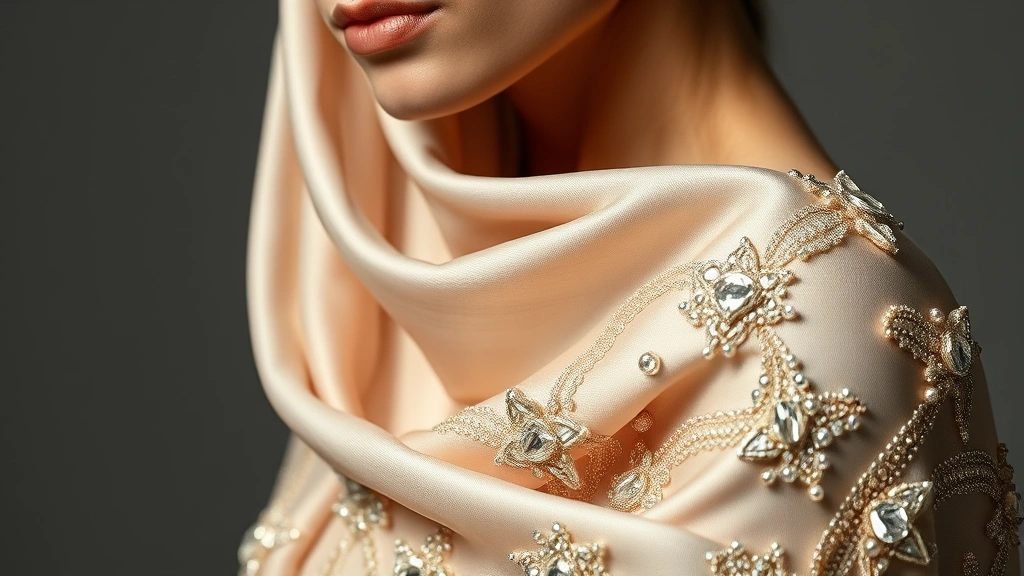
Fabric selection represents another crucial designer consideration. The different types of fashion styles each demand specific fabric choices that enhance their impact. For structured, architectural designs, designers might select stiff silks or technical fabrics that hold their shape. For flowing, ethereal pieces, they’ll choose lightweight silks, chiffons, or innovative performance fabrics that move beautifully under stage lighting.
Innovation in fabric technology has revolutionized Grammy fashion possibilities. Designers now work with sustainable materials that perform like luxury fabrics, smart textiles that incorporate subtle technological elements, and recycled materials that maintain the aesthetic quality of virgin fibers. Some designers create custom fabric blends specifically for Grammy pieces, ensuring their designs stand out through both visual impact and tactile luxury.
The interplay between color and fabric creates the complete sensory experience of a Grammy look. A deep emerald silk charmeuse will catch light differently than an emerald technical fabric, creating distinct visual effects. Designers understand these nuances intimately, using their knowledge to create pieces that translate powerfully across multiple mediums—from in-person red carpet presence to photographs to video footage.
Iconic Moments That Shaped Fashion History
Certain Grammy fashion moments have transcended the awards show itself, becoming cultural touchstones that influenced fashion for years afterward. These iconic looks often share common characteristics: they’re unexpected, they’re beautifully executed, and they reveal something genuine about the wearer’s artistic identity.
The rise of fashion trends documented across StyleLoom Daily often traces back to Grammy red carpet moments. When an influential artist wears something innovative and impactful, fashion enthusiasts worldwide immediately seek similar pieces, designers rush to create interpretations, and fashion magazines dissect every element of the look. This cascading influence demonstrates the Grammys’ unique power as a fashion trendsetter.
Designers who create Grammy moments that achieve iconic status often share a particular approach: they understand the difference between trendy and timeless. They create pieces that feel current and exciting while possessing enough sophistication to remain relevant years later. This balance requires deep fashion knowledge, understanding of design history, and confidence to make bold choices that might initially seem risky.
The most celebrated Grammy fashion moments often involve some element of surprise—perhaps an unexpected fabric combination, an innovative silhouette, or a daring color choice that somehow works perfectly. These surprises aren’t random; they emerge from careful planning and deep understanding of design principles. The designer knows exactly why their choices will work, even if the overall effect feels surprising to viewers.
Social media has amplified the impact of Grammy fashion moments exponentially. A single look can generate millions of impressions within hours, with fashion enthusiasts sharing, commenting, and creating their own interpretations. This democratization of fashion criticism means that every choice—from the smallest accessory detail to the overall silhouette—receives intense scrutiny and appreciation from a global audience.
Sustainability and Ethical Luxury
Contemporary Grammy fashion increasingly reflects the fashion industry’s growing commitment to sustainability and ethical production. Designers recognize that creating beautiful garments carries responsibility toward environmental and social impact. Many Grammy-dressed artists now specifically request sustainable pieces, viewing this choice as aligned with their broader values and artistic messaging.
The challenge for designers lies in creating pieces that are simultaneously sustainable and luxurious, innovative and impactful. This requires sourcing exceptional materials from ethical suppliers, working with factories that maintain high labor standards, and designing pieces that will be cherished and worn repeatedly rather than discarded after a single event. Some designers create Grammy pieces from deadstock fabrics—high-quality materials left over from previous collections—transforming potential waste into something magnificent.
Rental and resale of designer pieces has also transformed Grammy fashion culture. Rather than creating new garments that will be worn once and archived, some artists now rent custom-designed pieces or wear previously-owned designer creations. This shift, while sometimes controversial in luxury fashion circles, represents a more sustainable approach that reduces waste while maintaining the glamour and impact of the red carpet.
Transparency in the design process has become increasingly important to socially conscious artists. They want to know where their garments’ materials originated, how workers were treated, and what environmental impact their custom piece generated. Designers who can provide detailed information about their supply chains, ethical practices, and sustainability initiatives appeal strongly to these values-driven collaborators.
The fashion industry’s leading publications increasingly highlight the sustainability aspects of Grammy looks, recognizing that beautiful fashion and environmental responsibility aren’t mutually exclusive. This coverage elevates designers who prioritize ethical practices, creating market incentives for more sustainable approaches across the industry.

Building Your Own Grammy-Inspired Look
You don’t need to be a Grammy attendee to incorporate the sophistication and boldness of Grammy fashion into your personal style. Understanding the design principles that make these looks work can help you create your own impactful fashion moments.
Start by exploring fashion history to understand how styles evolve, which provides context for making informed style choices. Study Grammy red carpet looks from various years, noting which elements resonate with you and which feel disconnected from your personal aesthetic. This analysis helps you identify your own style preferences and understand what makes certain looks work for your body type and coloring.
When building a Grammy-inspired look, consider the foundational principles designers use: silhouette, color, texture, and proportion. Choose a silhouette that flatters your body and feels authentic to how you want to present yourself. Select colors that complement your complexion and communicate the mood or message you want to convey. Incorporate interesting textures and fabrics that catch light and add visual interest. Pay attention to proportion, ensuring that oversized elements are balanced with more fitted pieces, or vice versa.
Accessories deserve the same careful consideration designers give them on the red carpet. The right jewelry, shoes, and bag can elevate a simple outfit into something extraordinary. Look for pieces that echo the sophistication of your main garment while adding personality and dimension. Consider how accessories will photograph and how they’ll make you feel wearing them—confidence is the most important accessory any look can have.
Don’t feel pressured to replicate Grammy looks exactly. Instead, use them as inspiration for understanding proportion, color combination, and styling principles. Take the elements you love and interpret them through your own aesthetic, budget, and lifestyle. The most successful personal style comes from understanding design principles deeply enough to apply them authentically to your own wardrobe.
Building a Grammy-inspired capsule wardrobe means investing in quality basics and statement pieces that work together. Include well-fitting neutral pieces that serve as foundations, then add bold statement items that reflect your personality. This approach allows you to create multiple looks from fewer pieces, much like professional stylists do when dressing clients.
Consider working with a personal stylist if you want guidance on translating Grammy inspiration into your personal style. Fashion experts at The Cut offer insights into how average people can incorporate high-fashion principles into everyday dressing. A stylist can help you understand your best colors, most flattering silhouettes, and how to assemble looks that feel both aspirational and authentically you.
FAQ
What makes a Grammy look truly iconic?
Iconic Grammy looks combine unexpected elements with flawless execution, reveal something genuine about the wearer’s artistic identity, and possess enough sophistication to remain relevant beyond the immediate moment. They often involve some element of surprise while maintaining impeccable taste and craftsmanship.
How far in advance do designers create Grammy pieces?
Most custom Grammy pieces begin development three to six months before the awards show. This timeline allows for concept development, material sourcing, multiple fittings, and revisions to ensure the final piece perfectly represents both the designer’s vision and the artist’s personality.
Can I recreate a Grammy look on a budget?
Absolutely. Study the design principles of looks you love—silhouette, color, proportion—and find affordable pieces that echo these elements. Focus on fit and quality basics, then add statement pieces strategically. Thrift stores, contemporary retailers, and online platforms offer many options for creating inspired looks without luxury price tags.
How do designers choose colors for Grammy pieces?
Color selection considers how the hue will photograph under red carpet lighting, the psychological messages it conveys, how it complements the wearer’s complexion, and current color trends. Designers often conduct lighting tests and create multiple color options before finalizing their choice.
What role does sustainability play in modern Grammy fashion?
Sustainability increasingly influences Grammy fashion as socially conscious artists request ethical pieces made from sustainable materials. Many designers now incorporate deadstock fabrics, work with ethical suppliers, and design pieces meant for multiple wearings rather than single-event use.
How can I identify design principles in Grammy looks?
Analyze silhouette, color, texture, proportion, and accessories separately. Notice how designers balance structure with flow, pair colors strategically, and use accessories to enhance rather than overwhelm the main piece. This analytical approach helps you understand what makes looks work and how to apply these principles to your own wardrobe.