Explore German Fashion Trends: Designer Insights
German fashion represents a unique intersection of precision engineering, minimalist aesthetics, and bold innovation that has captivated the global style landscape for decades. From the structured silhouettes of Berlin’s avant-garde designers to the timeless elegance of heritage luxury brands, German fashion embodies a philosophy that values quality over quantity, sustainability over excess, and understated sophistication over fleeting trends. This comprehensive exploration delves into the core principles that define German design, the visionary creators shaping contemporary style, and the emerging trends that are redefining luxury fashion on an international stage.
The German fashion industry stands as a beacon of craftsmanship and design excellence, combining traditional tailoring techniques with cutting-edge contemporary sensibilities. Whether you’re a dedicated fashion enthusiast seeking to understand the nuances of German style or a designer looking to draw inspiration from this rich sartorial heritage, this guide provides essential insights into what makes German fashion an enduring influence in the global fashion ecosystem.
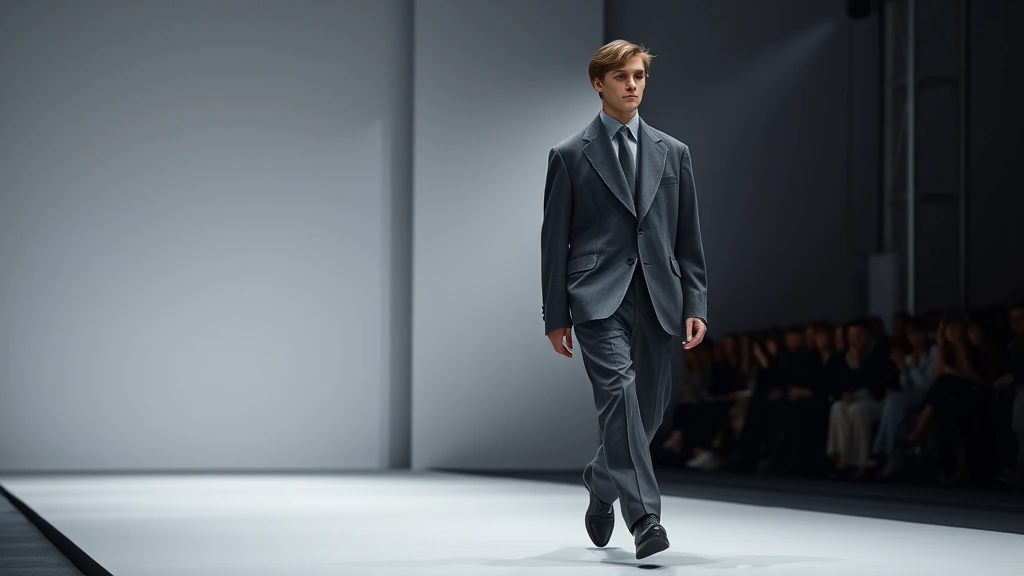
The Philosophy Behind German Fashion Design
German fashion philosophy is rooted in the concept of “Sachlichkeit,” or objectivity, which emphasizes functionality, clarity, and purpose in every design decision. This approach transcends mere aesthetics, creating garments that serve both practical and artistic functions. Unlike fashion systems that prioritize trend cycles and seasonal variations, German designers often focus on creating timeless pieces that maintain relevance across multiple years and styling contexts.
The influence of the Bauhaus movement—a revolutionary design school that emerged in early 20th-century Germany—continues to permeate contemporary German fashion. This movement established the principle that form should follow function, that design should be accessible to the masses, and that beauty exists in simplicity and purpose. Modern German fashion houses still adhere to these foundational principles, creating collections that emphasize geometric precision, neutral color schemes, and impeccable construction quality.
What distinguishes German fashion from other European style capitals is its commitment to intellectual rigor in design. Rather than chasing seasonal whims, German designers engage in deep research about material properties, construction techniques, and how garments interact with the human body. This methodical approach results in clothing that feels revolutionary precisely because it prioritizes wearer comfort and garment longevity.
Key German Fashion Designers and Houses
Germany has produced some of the world’s most influential fashion designers whose work has fundamentally shaped contemporary style. Karl Lagerfeld, though he worked internationally, maintained strong connections to German design principles throughout his career. His meticulous attention to detail and innovative approach to luxury fashion demonstrated how German sensibilities could achieve global acclaim.
Contemporary German designers continue this legacy with remarkable innovation. Jil Sander represents the pinnacle of minimalist luxury, creating collections characterized by impeccable tailoring, sophisticated color theory, and architectural silhouettes. Her designs exemplify how restraint and precision can create powerful visual impact. Similarly, Ann Demeulemeester, though Belgian-born, has been deeply influenced by German design philosophy and creates garments that reflect this aesthetic alignment.
Emerging designers from Berlin and other German cities are redefining luxury fashion for contemporary audiences. These creators blend traditional craftsmanship with experimental approaches to fabric manipulation, color application, and silhouette construction. Many are leveraging Berlin’s reputation as a global fashion innovation hub to establish independent labels that gain international recognition. If you’re interested in pursuing a career in this dynamic field, explore fashion designer vacancy opportunities that showcase how German design houses seek talent.
Hugo Boss and Escada represent the commercial success of German fashion philosophy, translating minimalist principles into accessible luxury that appeals to international markets. These houses demonstrate how German design can achieve both critical acclaim and commercial viability without compromising core aesthetic values.
Minimalism and Functionality: Core Design Principles
Minimalism in German fashion extends far beyond aesthetic preference—it represents a philosophical stance about consumption, sustainability, and the role of clothing in daily life. German designers believe that truly exceptional garments require minimal ornamentation because their construction quality, fabric selection, and proportional precision create inherent beauty.
This approach manifests in several distinctive design characteristics. First, German fashion emphasizes neutral color palettes dominated by blacks, whites, grays, navy, and earth tones. These colors serve practical purposes—they’re versatile, timeless, and allow focus to remain on garment construction rather than color trends. When German designers introduce color, they do so with intentionality, often using it as a structural element rather than decorative embellishment.
Second, functionality dictates form in German design. Pockets appear where they serve practical purposes. Seams are positioned to enhance silhouette and movement. Closures are selected based on usability and durability rather than decorative potential. This pragmatic approach creates garments that feel intuitively wearable, responding to actual human movement and lifestyle requirements.
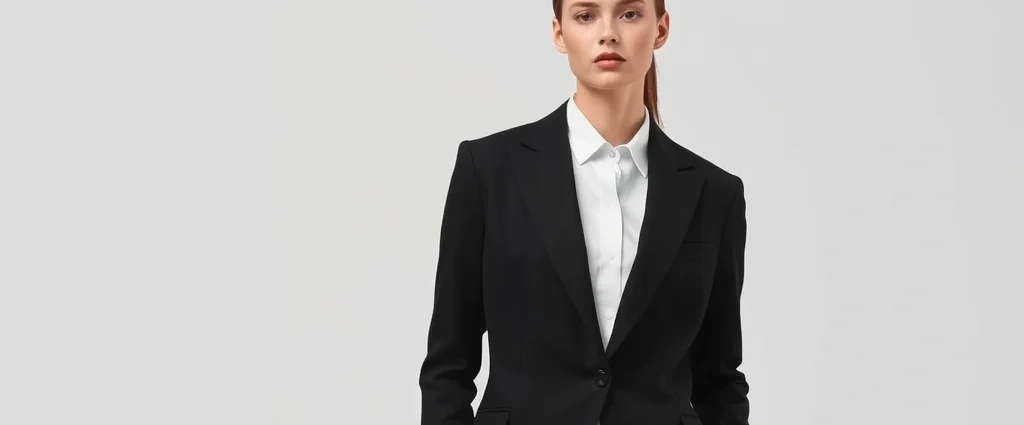
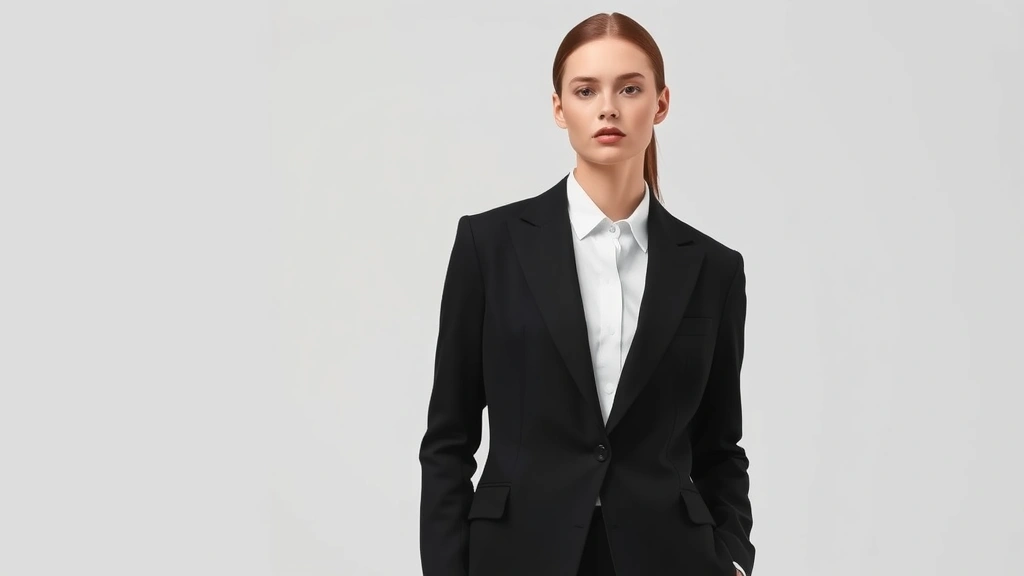
Third, proportion and fit receive meticulous attention. German designers understand that perfect proportions can make even the simplest garment appear sophisticated and intentional. A perfectly cut white button-down shirt, for instance, becomes a masterpiece through precise sleeve length, shoulder width, and torso length calculations that create visual harmony.
Sustainability in German Fashion
German fashion has emerged as a global leader in sustainable design practices, driven by both consumer demand and designer commitment to environmental responsibility. This alignment between German design philosophy and sustainability principles feels natural—if garments are designed to last decades rather than seasons, environmental impact is inherently reduced.
Many German fashion houses have implemented comprehensive sustainability initiatives including ethical sourcing, reduced production volumes, and investment in innovative eco-friendly materials. Designers work with mills and manufacturers to develop fabrics that maintain luxury qualities while minimizing environmental footprint. Organic cotton, linen, and innovative fiber technologies feature prominently in contemporary German collections.
The concept of “slow fashion” aligns perfectly with German design principles. Rather than producing multiple collections annually, many German designers create carefully considered seasonal offerings that encourage consumers to invest in fewer, higher-quality pieces. This approach reduces waste, supports fair labor practices, and creates more meaningful relationships between designers and consumers.
Beyond material selection, German fashion houses emphasize garment durability and repairability. Designs incorporate reinforced seams, quality fasteners, and construction techniques that allow for easy alterations and repairs. Some brands offer lifetime alteration services, recognizing that well-made garments should adapt to changing body shapes and lifestyle needs over decades.
Berlin Fashion Week and Cultural Influence
Berlin Fashion Week stands as one of Europe’s most important fashion events, showcasing the diversity, innovation, and creative energy of contemporary German design. Unlike the established fashion capitals of Paris and Milan, Berlin Fashion Week embraces experimental aesthetics, emerging designers, and conceptual approaches that challenge conventional fashion industry norms.
The event occurs twice annually and features presentations from established designers alongside groundbreaking emerging talent. This democratic approach to designer representation reflects German cultural values about accessibility and merit-based recognition. Berlin’s alternative fashion scene, characterized by independent boutiques, designer collectives, and experimental ateliers, creates an ecosystem that encourages bold creative risk-taking.
The cultural influence extending from Berlin’s fashion scene reaches far beyond the city’s boundaries. International designers, journalists, and fashion professionals travel to Berlin to understand emerging trends, discover new talent, and absorb the creative energy that defines contemporary German fashion culture. The city’s affordable real estate, vibrant nightlife, and artistic communities attract designers seeking alternatives to the commercial pressures of Paris, Milan, and New York.
Berlin’s fashion identity embraces contradiction and eclecticism. Designers working in the city often blend punk aesthetics with minimalist principles, experimental silhouettes with timeless tailoring, and avant-garde concepts with wearable sophistication. This creative collision produces fashion that feels simultaneously challenging and accessible, intellectual and sensual.
Contemporary Trends from German Designers
Current German fashion trends reflect a synthesis of heritage craftsmanship and forward-thinking innovation. Oversized tailoring appears frequently in contemporary collections, but with distinctly German precision—exaggerated proportions are carefully calculated to create visual interest while maintaining wearability and flattering silhouettes.
Monochromatic dressing continues as a dominant trend, with designers creating visual complexity through texture variation, fabric mixing, and subtle tonal shifts rather than color contrast. A single outfit might combine matte jersey with glossy vinyl, smooth wool with textured linen, creating sophisticated visual depth within a limited color palette.
Deconstructed tailoring represents another significant trend, with designers deliberately exposing seams, creating asymmetrical closures, and dismantling traditional garment structures. This approach maintains German precision while introducing conceptual and visual intrigue, transforming familiar garment types into unexpected contemporary statements.
Sustainable innovation drives trend development across German fashion. Innovative textile technologies including lab-grown materials, recycled fiber innovations, and bio-based fabrics appear increasingly in designer collections. These materials often possess superior performance characteristics while reducing environmental impact, allowing designers to create garments that are simultaneously luxurious and responsible.
Genderless and gender-fluid silhouettes reflect contemporary cultural values while aligning with minimalist design principles. Many German designers have moved away from strictly gendered collections, instead creating clothing organized by proportion and function that transcends traditional gender categories. This approach expands creative possibilities while acknowledging evolving social attitudes about identity and self-expression.
Color Palettes and Textile Innovation
While neutrals dominate German fashion, contemporary designers increasingly explore sophisticated color applications that maintain minimalist sensibilities. Monochromatic color blocking in subtle gradations creates visual interest without abandoning core design principles. Designers might present a collection in varying shades of gray, each tone carefully selected to create harmony while offering distinct styling possibilities.
Textile innovation represents a frontier where German engineering precision meets creative possibility. German mills collaborate with designers to develop fabrics with innovative performance characteristics—water-resistant linens, temperature-regulating wools, and ultra-lightweight technical fabrics that maintain luxury aesthetics while offering practical functionality.
The interaction between fabric and light receives careful attention in German design. Designers select materials based on how they reflect, absorb, or refract light, understanding that fabric finish fundamentally affects garment appearance and perceived quality. A matte finish communicates different values than a subtle sheen, even when colors appear identical.
Texture layering creates visual and tactile complexity within minimalist frameworks. Combining smooth and rough textures, glossy and matte finishes, and varied fabric weights within single garments allows designers to create sophisticated pieces that reward close observation while maintaining overall visual restraint.
German Fashion in the Digital Age
German fashion houses have embraced digital transformation while maintaining core design principles and quality standards. Many established designers now present collections through digital platforms, reaching global audiences without compromising the intimate design experience that characterizes German luxury fashion.
Digital innovation extends to production and supply chain management, where German precision and engineering excellence translate into advanced manufacturing technologies. Virtual fitting rooms, 3D design visualization, and AI-assisted pattern making enhance design capabilities while maintaining the human creativity and judgment that define exceptional fashion.
Social media and digital communities have democratized access to German fashion knowledge and trends. Contemporary designers share design processes, material research, and conceptual development through digital channels, allowing followers to understand the intellectual rigor underlying German design. This transparency reinforces the brand values of honesty and functionality that characterize German fashion philosophy.
E-commerce platforms have expanded the market reach of German designers, allowing independent creators and emerging brands to access international customers without traditional retail infrastructure. This digital accessibility has proven particularly valuable for Berlin-based designers seeking to build global audiences while maintaining independent creative control.
For those seeking to understand broader fashion trends and styling approaches, explore our fashion styling guide which incorporates principles from German design philosophy. Additionally, stay updated with our style loom daily blog for continuous insights into evolving fashion trends and designer innovations.
If you’re interested in fashion for different demographics, our coverage of fashion trends for older women incorporates timeless principles derived from German design philosophy that prioritize quality, fit, and longevity. For those exploring retro aesthetics, our 90s fashion for men guide demonstrates how contemporary designers reinterpret historical styles through modern sensibilities.
FAQ
What defines the German fashion aesthetic?
German fashion is characterized by minimalism, precision tailoring, neutral color palettes, and emphasis on functionality. The aesthetic prioritizes quality construction, timeless design, and sustainability over trend-chasing, reflecting principles established by the Bauhaus movement.
Which German designers should I follow?
Key contemporary German designers include Jil Sander, known for minimalist luxury; Ann Demeulemeester, recognized for architectural silhouettes; and emerging Berlin-based designers pushing experimental boundaries. Each represents different aspects of German design philosophy while contributing unique creative perspectives.
Why is Berlin important in fashion?
Berlin Fashion Week showcases innovative contemporary design and emerging talent, creating a democratic platform that challenges established fashion industry hierarchies. The city’s creative communities, affordable infrastructure, and alternative culture make it a global hub for fashion experimentation and conceptual development.
How sustainable is German fashion?
German fashion has emerged as a sustainability leader through commitment to quality garments designed for longevity, ethical manufacturing practices, innovative sustainable materials, and slow fashion principles. Many German designers prioritize durability and repairability, reducing environmental impact through extended garment lifecycles.
Can I find German fashion outside Germany?
Absolutely. Major luxury retailers worldwide stock German designers, and many brands operate e-commerce platforms offering international shipping. Berlin-based emerging designers increasingly reach global audiences through digital platforms and international fashion events.
How do I incorporate German fashion into my wardrobe?
Start by investing in neutral, well-tailored basics that emphasize fit and construction quality. Select pieces that prioritize functionality and versatility, allowing multiple styling combinations from fewer garments. Focus on timeless silhouettes rather than trendy items, building a cohesive wardrobe where pieces work harmoniously together.
What’s the price range for German fashion?
German fashion spans multiple price points. Luxury houses like Jil Sander command premium prices reflecting exceptional craftsmanship. Commercial brands like Hugo Boss offer accessible luxury. Emerging Berlin designers often position themselves at mid-to-luxury price points, creating exceptional quality at reasonable costs.