Front Door Fashion Trends: Designer Insights for 2025
Your front door is the first impression guests have of your home, and increasingly, it’s becoming a canvas for personal style expression. Front door fashion—the art of styling your entrance with color, materials, and design elements—has evolved from a purely functional concern into a significant trend in interior design and curb appeal. Leading designers and style experts are now treating the front door as a statement piece, much like a carefully curated outfit. This trend reflects our growing desire to showcase personality and sophistication right from the threshold of our homes.
The concept of front door fashion extends beyond simply choosing a paint color. It encompasses the integration of design elements that tell a story about the people who live within, from the hardware and wreath styling to the surrounding landscaping and lighting. Designers from luxury brands and renowned architects are weighing in on how to make this crucial architectural feature work harder in your home’s overall aesthetic. Whether you’re drawn to bold jewel tones, minimalist Scandinavian aesthetics, or eclectic bohemian vibes, your front door can become the ultimate reflection of your fashion sensibilities.
The Psychology Behind Front Door Fashion
Designers and psychologists alike agree that the front door serves as a psychological threshold—both literally and figuratively. It’s where the outside world meets your private sanctuary, and the styling of this space communicates volumes about your personality and aesthetic values. Vogue has recently highlighted how luxury homes are investing significantly in statement front doors as part of their overall design philosophy.
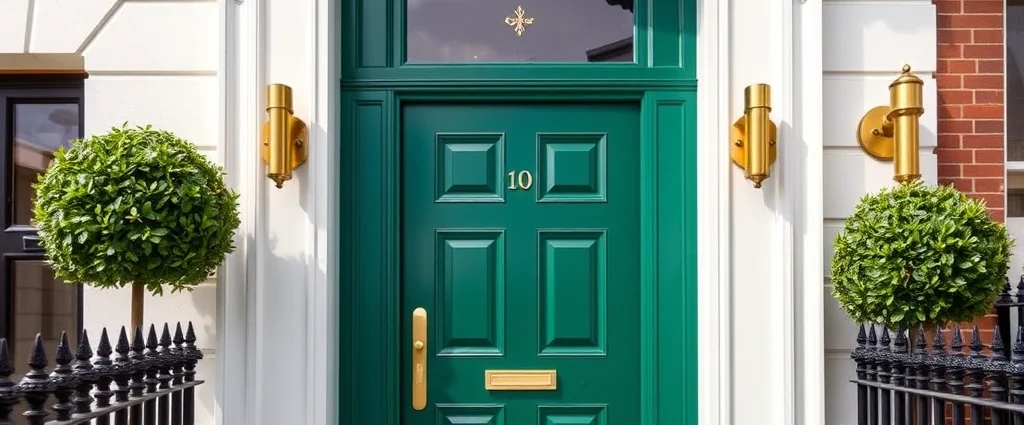
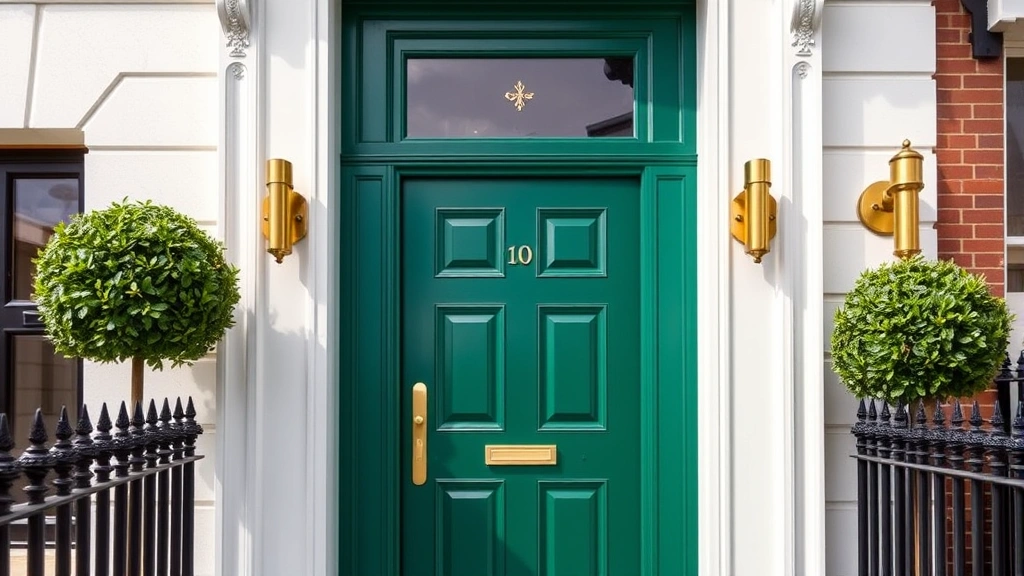
The trend toward front door fashion is rooted in our desire for self-expression and identity. Just as we carefully curate our wardrobes to reflect who we are, we’re now applying the same principles to our homes’ exteriors. A bold emerald door paired with brass hardware tells a different story than a sleek matte black entrance with minimalist fixtures. Designers note that this trend democratizes luxury—you don’t need an expensive renovation to make a significant style impact. Sometimes, a fresh coat of paint and thoughtfully selected hardware can transform your entire home’s curb appeal.
Leading interior designers emphasize that your front door fashion choice should align with your personal style while also considering your neighborhood’s architectural context. This balance between individual expression and cohesive design is what separates truly stylish entrances from those that feel disconnected or forced.
Designer-Approved Color Palettes for 2025
The color of your front door is arguably the most impactful design decision you’ll make in front door fashion. Pantone’s color forecasts and leading designers reveal that 2025 is embracing both bold maximalism and sophisticated minimalism simultaneously.
Deep jewel tones continue to dominate luxury design spaces. Emerald green, sapphire blue, and burgundy are experiencing a renaissance, particularly in urban and suburban settings where homeowners want to stand out. These colors project confidence and sophistication, making them ideal for those who view their front door as a fashion statement rather than a functional necessity.
Warm neutrals with depth appeal to minimalists and those preferring understated elegance. Terracotta, warm taupe, and soft ochre provide visual interest without the boldness of jewel tones. These colors work exceptionally well in Mediterranean, Southwestern, and farmhouse-style homes, creating a cohesive aesthetic that feels both timeless and current.
Black and charcoal remain eternally sophisticated. Modern designers consistently recommend these colors for contemporary homes, particularly when paired with natural wood elements or metal accents. Black doors create a striking contrast against lighter facades and have become synonymous with French fashion designers‘ approach to understated luxury.
Unexpected pastels are gaining traction among younger homeowners and design-forward individuals. Soft sage green, dusty rose, and pale blue offer personality without aggression, appealing to those influenced by cottagecore and contemporary maximalist trends.
When selecting your front door color, consider how it relates to your home’s overall palette, the surrounding landscape, and your personal style evolution. Remember that fashion trends for older women and timeless design principles often overlap—classic choices age beautifully, while trendy selections may feel dated within a few years.
Materials and Textures Dominating the Trend
Beyond color, the material composition of your front door significantly impacts its fashion credentials. Contemporary front door fashion celebrates diverse materials that serve both aesthetic and functional purposes.
Natural wood has experienced a remarkable resurgence. Rather than painted wood doors, designers are championing natural finishes—warm walnut, honey oak, and reclaimed timber—that celebrate the material’s inherent beauty. This aligns with broader design trends emphasizing authenticity and natural elements. Wood doors paired with modern hardware create compelling contrasts that feel both organic and sophisticated.
Matte and textured finishes have largely replaced glossy surfaces in designer recommendations. Matte black, textured bronze, and powder-coated finishes provide visual depth and reduce glare, creating more refined appearances. These finishes also hide fingerprints and weathering better than traditional high-gloss options, making them practical choices for busy households.
Steel and metal doors appeal to minimalists and industrial design enthusiasts. Brushed steel, copper, and warm bronze offer durability with contemporary style. These materials weather beautifully, developing patinas that add character over time. Metal doors work exceptionally well in modern, industrial, and transitional home styles.
Glass and composite materials are increasingly popular for creating visual interest. Frosted glass panels, sidelights, and transom windows allow light penetration while maintaining privacy. Some cutting-edge designs incorporate sustainable composite materials that mimic natural wood while offering superior durability.
When considering materials, think about your climate, maintenance preferences, and how the material aligns with your broader design vision. A front door is a long-term investment, so durability should balance with aesthetic appeal. Explore our StyleLoom Daily Blog for comprehensive guides on material selection and care.
Hardware and Accessories That Make a Statement
Hardware represents the jewelry of front door fashion. Just as accessories elevate an outfit, thoughtfully selected door hardware transforms the entire entrance aesthetic. Designers emphasize that hardware selection deserves as much attention as the door color itself.
Lever handles have displaced traditional knobs in contemporary design. Sleek, minimalist lever handles in brushed brass, matte black, or stainless steel create clean lines and modern sophistication. Luxury brands are producing sculptural lever designs that function as artwork, making hardware a focal point rather than an afterthought.
Knockers and door rings experience cyclical popularity. Statement knockers in oversized brass, sculptural designs, or vintage-inspired styles add personality and functionality. Modern interpretations combine traditional aesthetics with contemporary materials, creating pieces that feel both nostalgic and current.
Hinges and kick plates contribute to the overall design narrative. Visible hinges in complementary metals create architectural interest, while decorative kick plates protect the door’s lower section while adding visual rhythm. These elements, often overlooked, significantly impact the door’s finished appearance.
Wreath hangers and accessories provide seasonal flexibility in front door fashion. Sleek modern hangers in matte finishes complement contemporary doors, while ornate options suit traditional styles. Consider how your seasonal styling will integrate with your door’s permanent design elements.
Hardware selection should create cohesion with your home’s other metallic finishes—light fixtures, mailbox, house numbers, and gate hardware. This coordinated approach elevates the entire property’s design coherence. For inspiration on integrating various design elements, check out our guide on 90s fashion trends, which demonstrates how eclecticism can create compelling visual narratives when thoughtfully executed.
Seasonal Front Door Fashion Updates
One of the most exciting aspects of front door fashion is its adaptability throughout the year. Unlike your actual wardrobe, where seasonal changes might mean different coats and boots, front door fashion allows for more dramatic transformations while maintaining the same foundational elements.
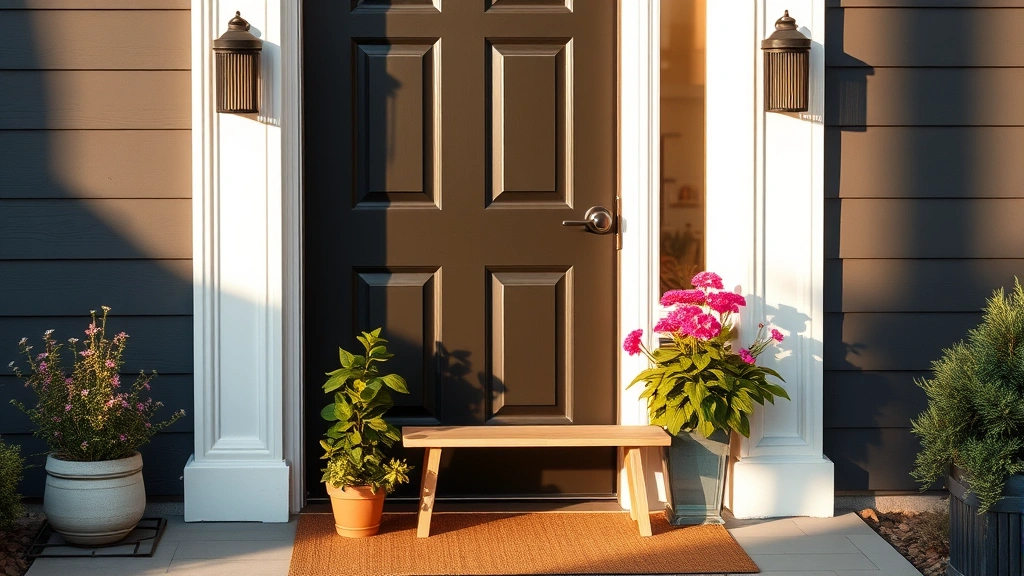
Spring styling embraces renewal and lightness. Fresh wreaths featuring flowering branches, soft pastels in accessories, and lighter hardware finishes create an inviting aesthetic. Consider adding potted plants with blooming flowers on either side of the door to enhance the seasonal narrative.
Summer front door fashion celebrates brightness and openness. Light, airy wreaths, vibrant planters, and coastal-inspired accessories work beautifully. If your door is a bold color, summer is an excellent time to emphasize it with complementary seasonal styling that doesn’t compete for attention.
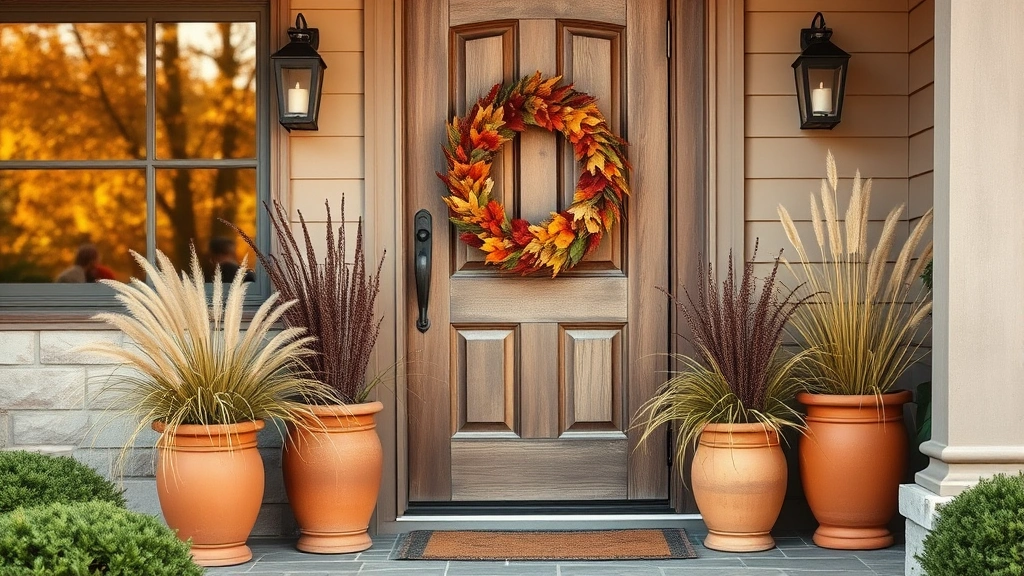
Autumn updates introduce warmth through traditional elements. Harvest-inspired wreaths, warm-toned planters, and rich fabric accessories create cozy aesthetics. This season works beautifully with jewel-toned doors and warm metallic hardware.
Winter styling ranges from minimalist elegance to festive abundance. Evergreen wreaths, metallic accents, and sophisticated color palettes create elegant winter presentations. Some designers recommend embracing monochromatic winter styling—all white, all silver, or all natural wood—for refined sophistication.
The key to successful seasonal front door fashion is maintaining a cohesive base while allowing accessories to evolve. Your door color, hardware, and architectural elements remain constant while wreaths, planters, and decorative accessories rotate seasonally.
Integrating Front Door Style with Your Home’s Architecture
Front door fashion doesn’t exist in a vacuum. Successful design integration requires understanding your home’s architectural style and ensuring your door treatment complements rather than contradicts it. Architectural Digest consistently emphasizes this principle in their design recommendations.
Modern and contemporary homes benefit from clean-lined doors in bold colors or natural materials. Minimalist hardware, geometric planters, and uncluttered styling create harmony with the home’s overall aesthetic. Black or charcoal doors with brushed metal hardware represent the gold standard for contemporary front door fashion.
Traditional and colonial homes suit classic colors like deep red, forest green, or black. Ornate hardware, traditional wreaths, and symmetrical planting arrangements honor the home’s historical aesthetic. However, modern designers often recommend subtle contemporary twists—perhaps a sleek knocker paired with traditional styling—to prevent the space from feeling museum-like.
Mediterranean and Spanish colonial homes celebrate warm terracotta, deep blue, and natural wood doors. Arched entryways, decorative tiles, and abundant greenery create authentic styling. Wrought iron hardware and traditional lantern-style lighting complete the aesthetic.
Farmhouse and cottage-style homes embrace natural materials and rustic charm. Weathered wood doors, vintage-inspired hardware, and abundant flowering plants create welcoming aesthetics. Soft colors like sage green, cream, or soft blue align beautifully with this design philosophy.
Transitional homes offer flexibility, allowing designers to blend traditional and contemporary elements. A classic door color with modern hardware, or a bold contemporary color with traditional architectural framing, creates compelling visual interest.
Before making significant front door fashion decisions, evaluate your home’s existing architectural character. Document the style, materials, and color palette already present. This analysis guides you toward choices that feel intentional rather than random. For additional style guidance, explore our resources on Fashion Week London Location, where international designers showcase their approaches to cohesive design narratives.
Sustainable and Eco-Friendly Door Styling
Contemporary front door fashion increasingly incorporates sustainability and environmental consciousness. Leading designers recognize that style and responsibility aren’t mutually exclusive—they’re increasingly intertwined.
Sustainable materials dominate forward-thinking design conversations. Reclaimed wood doors, recycled composite materials, and sustainably harvested timber offer aesthetic appeal with minimal environmental impact. These materials often develop beautiful patinas over time, improving with age rather than deteriorating.
Natural finishes and non-toxic paints represent a significant shift in front door fashion. Low-VOC (volatile organic compound) paints deliver the same color intensity and durability as traditional options while eliminating harmful chemical emissions. Brands are increasingly producing premium paint lines specifically formulated for environmental responsibility.
Living door surroundings enhance sustainability while elevating front door fashion. Native plants, drought-resistant landscaping, and pollinator-friendly flowers create beautiful styling while supporting local ecosystems. This approach aligns with broader trends emphasizing connection with nature and environmental stewardship.
Long-term design investment represents perhaps the most sustainable approach to front door fashion. Selecting timeless colors and classic designs that won’t require frequent updates reduces waste and consumption. Quality doors and hardware that last decades prove more sustainable than cheaper alternatives requiring replacement.
Sustainable front door fashion doesn’t require aesthetic compromise. Some of the most beautiful contemporary doors incorporate eco-friendly materials and finishes, proving that environmental responsibility and design excellence enhance rather than limit each other.
For specific product recommendations and promotional opportunities, check our Fashion Nova Promo Codes June 2025 for curated selections that align with contemporary style sensibilities.
FAQ
What’s the most popular front door color for 2025?
Deep jewel tones, particularly emerald green and sapphire blue, dominate 2025 trends. However, sophisticated blacks, warm terracottas, and unexpected pastels also trend strongly. Your ideal color depends on your home’s architecture, climate, and personal style preferences. Consider how your choice will age—classic colors remain beautiful longer than trendy selections.
How often should I update my front door fashion styling?
Your foundational door color and hardware can remain constant for 5-10 years or longer. However, seasonal accessories—wreaths, planters, and decorative elements—can rotate quarterly or more frequently. This approach allows you to refresh your aesthetic without significant investment or effort.
Can I change my front door color without repainting?
Yes, temporary solutions exist. High-quality contact paper, removable paint, and door wraps offer flexibility if you’re hesitant about permanent color changes. However, these solutions typically last 1-2 years before requiring replacement. For longer-term styling, professional painting remains the most durable option.
What hardware finish works with every door color?
Brushed brass and matte black hardware work beautifully with virtually every door color. These finishes offer versatility while maintaining contemporary sophistication. Brushed brass particularly suits warm door colors, while matte black complements both warm and cool palettes.
How do I choose front door fashion that won’t feel dated quickly?
Prioritize classic colors and timeless hardware designs. Bold jewel tones and black remain perpetually elegant, while soft neutrals offer understated sophistication. Avoid trendy color combinations or novelty accessories that may feel dated within a few years. Quality materials and thoughtful design choices age beautifully.
Should my front door match my home’s interior color palette?
Not necessarily, but harmony is important. Your front door can be a bold statement piece that contrasts with interior colors, or it can extend your interior palette outward. The key is intentionality—your choice should feel deliberate rather than random or disconnected from your home’s overall aesthetic.