
How to Master French Style? Expert Insights
French fashion has long captivated the world with its effortless elegance, timeless sophistication, and understated charm. The allure of French fashion style lies not in loud statements or trend-chasing, but in a carefully cultivated approach to dressing that prioritizes quality, simplicity, and impeccable taste. Whether you’re drawn to the minimalist aesthetic of Parisian street style or the refined elegance of the French Riviera, mastering French style requires understanding the philosophy behind it—a philosophy that celebrates individuality while maintaining an air of refined restraint.
The secret to French style isn’t about following rigid rules or accumulating endless wardrobes. Instead, it’s about understanding timeless principles that have guided French women and men for generations. From investing in classic pieces to perfecting the art of accessorizing, French fashion teaches us that true style transcends trends and seasons. This comprehensive guide draws on expert insights to help you unlock the secrets of French style and incorporate its transformative principles into your everyday wardrobe.
The Philosophy Behind French Fashion
At its core, French style represents a mindset rather than a specific aesthetic. The French approach to fashion is rooted in the belief that less is more, and that true elegance emerges from restraint rather than excess. This philosophy has been shaped by centuries of cultural refinement, artistic tradition, and a distinctly French attitude toward life itself—one that values quality experiences, intellectual engagement, and understated beauty.
French fashion experts emphasize that the foundation of this style lies in understanding your own body, preferences, and lifestyle. Unlike trend-driven fashion cultures that celebrate constant change, French style encourages you to develop a personal uniform—a collection of versatile, well-fitting pieces that work harmoniously together. This approach not only simplifies daily dressing but also ensures that every item in your closet serves a genuine purpose and reflects your authentic self.
According to Vogue, the essence of French style lies in the intersection of comfort and sophistication. French women prioritize feeling good in their clothes, which means investing in proper fit, natural fabrics, and timeless cuts rather than chasing fleeting trends. This philosophy has influenced fashion globally, inspiring designers and style enthusiasts worldwide to reconsider their relationship with clothing and consumption.
Building Your French Wardrobe Essentials
Creating a French-inspired wardrobe begins with identifying the foundational pieces that will serve as your style anchors. These essentials are characterized by their versatility, quality construction, and ability to work across multiple seasons and occasions. When you find your personal style, you’ll discover which essentials resonate most with your lifestyle.
The classic French wardrobe typically includes:
- The White Button-Down Shirt: A crisp, well-fitted white shirt is the cornerstone of French style. It can be worn alone, layered under sweaters, or tied at the waist for a casual vibe. Quality matters here—look for natural fibers like cotton or linen.
- Dark Denim: A pair of perfectly fitting dark jeans in a classic cut transcends trends and seasons. French style favors slightly tapered silhouettes that elongate the leg without being overly trendy.
- The Striped Shirt: Navy and white stripes are quintessentially French. This Breton-inspired piece adds character while remaining neutral enough to pair with almost anything in your wardrobe.
- Tailored Blazer: A well-constructed blazer in navy, black, or camel instantly elevates any outfit. The key is finding one that fits your shoulders perfectly.
- Neutral Sweaters: Invest in quality knits in cream, gray, navy, and black. These pieces layer beautifully and provide endless styling possibilities.
- Classic Trousers: A pair of well-tailored trousers in black or navy serves as a versatile alternative to denim for more polished occasions.
Building these essentials requires patience and intentionality. Rather than purchasing everything at once, French style advocates recommend investing gradually in high-quality pieces that you genuinely love and will wear regularly. This approach aligns with sustainable fashion practices and ensures that your wardrobe evolves authentically with your personal style journey.
The Art of Minimalism and Quality
One of the most transformative aspects of French style is its embrace of minimalism without sacrificing sophistication. This principle challenges the Western consumer culture that often equates more possessions with greater style. Instead, French fashion celebrates the idea that a carefully curated collection of quality pieces provides more versatility and satisfaction than an overflowing closet of mediocre items.
Quality is paramount in French style philosophy. Rather than buying multiple cheap items, French women typically invest in fewer pieces made from superior materials and crafted with excellent construction. This approach saves money in the long run, reduces closet clutter, and ensures that every item you wear looks and feels exceptional. When exploring fashion design education, you’ll learn that quality construction involves attention to seams, hems, fabric weight, and finishing details—all elements that distinguish luxury pieces from fast fashion alternatives.
The minimalist approach also extends to how you style outfits. French women often repeat pieces frequently, mixing and matching them in different combinations rather than constantly seeking new looks. This strategy not only simplifies daily dressing but also ensures that every combination works cohesively. By mastering a smaller wardrobe, you develop a deeper understanding of your personal aesthetic and can make more intentional purchasing decisions going forward.
Sustainable fashion practices align naturally with this philosophy. By choosing quality over quantity and investing in timeless pieces rather than trendy items, you’re making environmentally conscious decisions while simultaneously developing a more refined personal style.
Color Palettes and Neutral Elegance
French style is renowned for its sophisticated approach to color. While this doesn’t mean avoiding color entirely, it does mean employing color strategically and maintaining a cohesive palette that creates a sense of harmony and intentionality. The classic French color palette centers on neutrals enhanced by carefully chosen accent colors.
The foundational neutral palette typically includes:
- Black: The ultimate French neutral, black provides sophistication and can be worn year-round. French women often incorporate black through tailored pieces, structured bags, and classic shoes.
- White: A crisp, clean white balances black and adds freshness to outfits. From button-downs to linen pants, white pieces are essential to the French wardrobe.
- Navy: This refined blue serves as a softer alternative to black and works beautifully with nearly every other color. The classic navy and white combination is quintessentially French.
- Gray: Available in countless shades from charcoal to dove, gray provides versatile options for layering and creates sophisticated monochromatic looks.
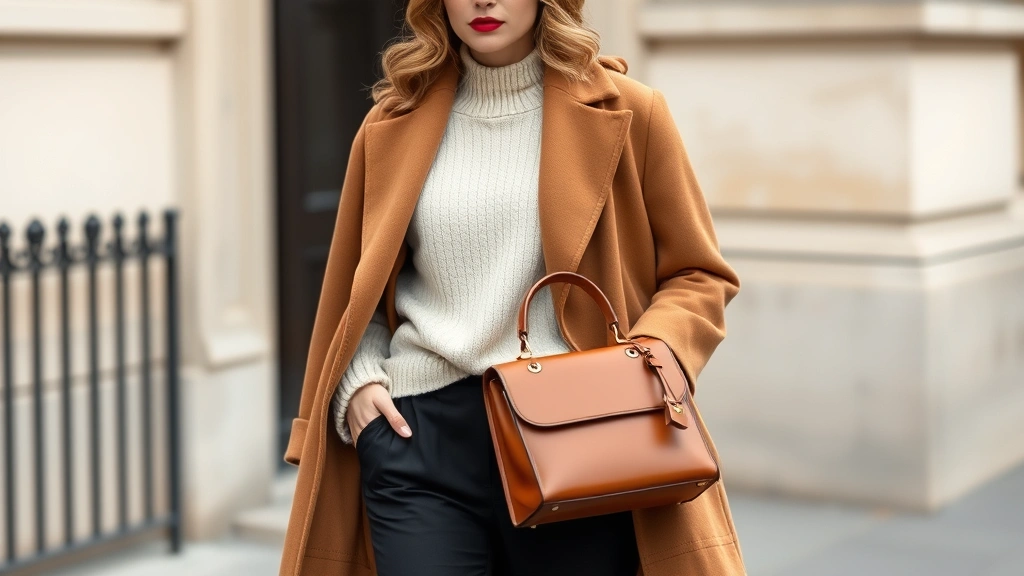
- Camel: This warm neutral adds richness to the palette and works beautifully in coats, sweaters, and accessories.
- Cream and Beige: Softer neutrals that add warmth and approachability to outfits while maintaining the sophisticated aesthetic.
Within this neutral foundation, French style incorporates strategic color through accessories, layering, and carefully selected statement pieces. A bold red lip, a structured handbag in an unexpected hue, or a silk scarf in jewel tones can add personality without compromising the overall refined aesthetic. The key is ensuring that any color introduction feels intentional rather than accidental.
Mastering Accessories Like a Parisian
Accessories represent the art form of French style. While the base wardrobe remains relatively consistent, accessories allow for personal expression and seasonal variation. French women understand that the right accessories can completely transform an outfit, elevating simple basics into something memorable and distinctive.
Key accessories in the French style arsenal include:
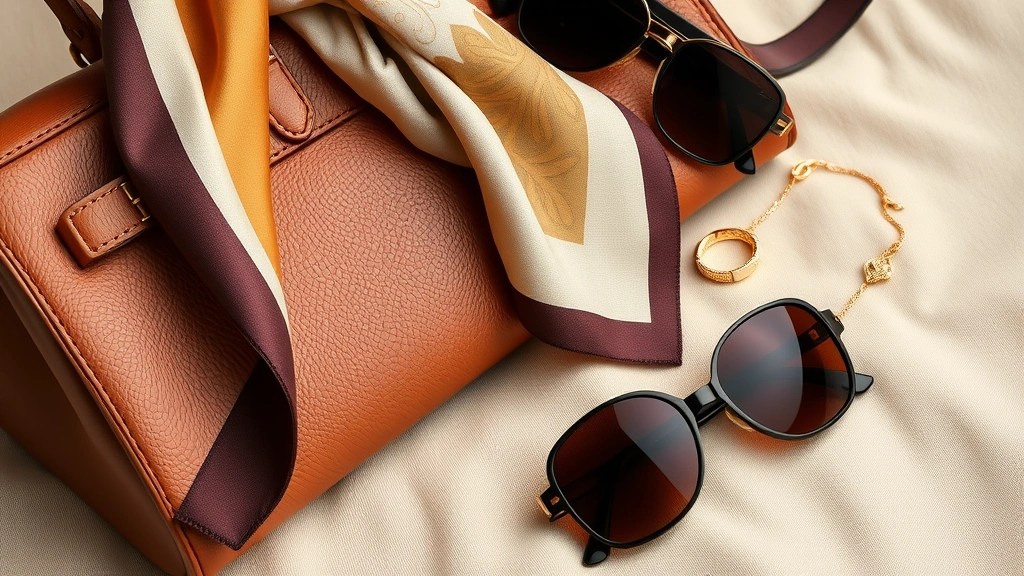
- The Silk Scarf: Perhaps the most iconic French accessory, a silk scarf can be worn around the neck, in the hair, tied to a handbag, or even as a belt. Investing in quality silk scarves from heritage brands provides endless styling possibilities.
- Structured Handbag: A well-made leather handbag in a classic shape serves as both a functional item and a style statement. French women often favor timeless designs over trendy shapes.
- Classic Shoes: From ballet flats to tailored pumps to refined loafers, shoe choices significantly impact overall style. French women prioritize comfort and quality construction, ensuring their shoes feel as good as they look.
- Simple Jewelry: Delicate gold or silver jewelry, pearls, and understated watches complement French style perfectly. The emphasis is on quality materials and timeless designs rather than bold statement pieces.
- Sunglasses: A classic pair of sunglasses protects your eyes while adding an element of effortless cool. Cat-eye and oversized frames are particularly popular in French style.
The art of accessorizing in French style involves restraint and intentionality. Rather than layering multiple accessories simultaneously, French women typically select one or two statement pieces that elevate the outfit without overwhelming it. This approach ensures that accessories enhance rather than distract from your overall look.
Hair, Makeup, and Grooming Standards
French style extends beyond clothing to encompass overall grooming and presentation. The French aesthetic celebrates natural beauty enhanced through skillful grooming rather than heavy makeup or elaborate styling. This approach emphasizes working with your natural features rather than dramatically transforming them.
Hair represents a crucial element of French style. The ideal French hairstyle appears effortlessly chic—tousled waves, sleek ponytails, or casually styled bobs that suggest you didn’t spend hours perfecting them, even if you did. The French often favor longer hair worn down or in simple styles like low buns or half-up arrangements. Regular trims and quality haircare products ensure that hair looks healthy and well-maintained.
Makeup in French style follows similar principles of restraint and enhancement. The typical French makeup look features:
- A light, natural foundation or BB cream for an even complexion
- Subtle contouring that enhances natural bone structure
- Neutral eyeshadow or a simple wash of color
- Well-defined brows that frame the face naturally
- A classic red or nude lip, often the focal point of the makeup look
- Minimal blush applied subtly for a fresh appearance
Grooming standards in French style emphasize maintenance and cleanliness. Regular skincare routines, well-maintained nails, and attention to body hair removal contribute to the polished French aesthetic. The goal is to look effortlessly put-together rather than heavily made-up or over-styled.
When considering fashion icons who exemplify French style, you’ll notice their grooming reflects these principles—they appear naturally beautiful and well-maintained rather than dramatically styled.
Seasonal Adaptations in French Style
While French style emphasizes timelessness, it also adapts thoughtfully to seasonal changes. Rather than completely overhauling your wardrobe each season, the French approach involves strategic layering and the introduction of season-appropriate pieces that work within your existing color palette.
During spring and summer, French style lightens through the introduction of linen, lightweight cotton, and breathable fabrics. Longer skirts, loose-fitting pants, and flowing silhouettes replace heavier winter pieces. Neutral colors dominate, with pops of color appearing through accessories and lightweight scarves. Sandals, ballet flats, and simple leather shoes replace heavier winter footwear.
Autumn and winter invite richer textures and layering opportunities. Wool sweaters, tailored coats, and structured pieces create visual interest while maintaining the refined aesthetic. Neutral tones deepen to charcoal, navy, and camel. Leather jackets, oversized blazers, and classic coats become focal points of outfits. Scarves, hats, and gloves provide both functional warmth and styling opportunities.
The key to seasonal adaptation in French style is ensuring that each new piece coordinates with your existing wardrobe. Rather than introducing entirely new colors or silhouettes seasonally, strategic additions enhance your current collection while maintaining overall cohesion.
Common Mistakes to Avoid
Understanding what to avoid is as important as knowing what to embrace when mastering French style. Common pitfalls include:
- Over-accessorizing: While accessories are important, too many simultaneously creates visual clutter. Select one or two statement pieces and let them shine.
- Prioritizing trends over fit: A trendy piece that doesn’t fit perfectly will never look as good as a classic piece tailored to your body. Fit is paramount in French style.
- Neglecting grooming: Even the most carefully selected outfit loses its impact if paired with unkempt hair or neglected nails. Grooming maintenance is essential.
- Mixing too many patterns: While pattern mixing can work, French style typically favors subtle combinations rather than bold clashing prints.
- Ignoring your personal preferences: French style is about developing authentic personal style, not conforming to rigid rules. If something doesn’t feel right for you, skip it.
- Sacrificing comfort for appearance: Shoes that hurt, clothes that don’t fit properly, or fabrics that feel uncomfortable undermine French style’s emphasis on effortless elegance.
- Constant wardrobe turnover: True French style involves building a lasting wardrobe rather than continuously replacing items. Invest thoughtfully and wear pieces repeatedly.
French fashion blogs and style resources consistently emphasize that mastering French style requires patience, intentionality, and self-awareness. Rather than rushing into purchases, take time to understand your body, preferences, and lifestyle before making investment pieces part of your collection.
FAQ
What is the most important principle of French style?
The most fundamental principle of French style is the philosophy that quality and fit matter more than quantity and trends. Investing in fewer, well-made pieces that work together cohesively creates a more sophisticated and functional wardrobe than accumulating numerous trendy items.
Can I incorporate French style if I live outside France?
Absolutely. French style is a philosophy and approach to dressing that transcends geography. By understanding the principles of quality, fit, neutral palettes, and intentional accessorizing, you can develop French-inspired style regardless of where you live. Adapt the approach to your climate and lifestyle while maintaining the core aesthetic.
How much should I spend on building a French wardrobe?
There’s no single answer, as budgets vary widely. The key is investing in quality pieces gradually rather than making large purchases all at once. A well-made white button-down shirt, quality jeans, and a tailored blazer are better investments than multiple cheaper items. Focus on cost-per-wear rather than initial price tag.
Is French style appropriate for all body types?
Yes. French style emphasizes proper fit and working with your natural body shape rather than forcing yourself into specific silhouettes. By understanding your proportions and choosing pieces that fit correctly, you can embody French style regardless of your body type. The principle of tailoring and fit works for everyone.
How do I start transitioning to French style?
Begin by assessing your current wardrobe and identifying pieces that align with French style principles. Gradually introduce classic essentials like a white button-down, quality jeans, and a neutral sweater. Focus on building a cohesive color palette and investing in better-quality pieces as you replace items. Consider exploring contemporary fashion collections to understand how modern designers interpret classic styles.
What role do trends play in French style?
While French style emphasizes timelessness, it’s not entirely resistant to trends. However, French women approach trends selectively, incorporating only those that align with their personal aesthetic and can work within their existing wardrobe. Rather than chasing every trend, the focus remains on building a lasting foundation that transcends seasonal changes.
Can men embrace French style?
Absolutely. French style applies to men’s fashion as well. The principles of quality, fit, neutral palettes, and understated elegance work for men’s wardrobes just as effectively. Classic pieces like well-fitting jeans, quality sweaters, tailored blazers, and simple accessories form the foundation of men’s French style.
How does French style relate to historical fashion movements?
Understanding fashion history helps contextualize French style. The evolution of fashion through different decades shows how French style has remained relatively consistent while other trends fluctuated dramatically. This consistency reflects the timeless principles underlying French aesthetic choices.