Best Shoes for Bunions? Podiatrist’s Top Picks for Fashionable Comfort
Finding the perfect pair of shoes when you have bunions doesn’t mean sacrificing style for comfort. Bunions, those painful bony bumps that develop at the base of your big toe, affect millions of people worldwide, and many believe they’re forced to choose between looking good and feeling good. The truth is, modern footwear design has evolved dramatically, offering sophisticated solutions that keep your feet healthy while keeping you fashion-forward. Whether you’re navigating the office, attending social events, or simply living your best life, there are stylish options that accommodate bunion-prone feet without compromise.
As someone who values both aesthetics and wellness, understanding how to shop for bunion-friendly shoes transforms your entire approach to fashion. This comprehensive guide combines podiatric expertise with style intelligence, revealing the best shoes for bunions that don’t look like medical devices. We’ll explore how to identify features that protect your feet, discover brands that prioritize both form and function, and learn styling strategies that make bunion-accommodating footwear the star of your outfits.
Understanding Bunions and Footwear Needs
Bunions develop when the joint at the base of your big toe becomes misaligned, causing the toe to angle toward your other toes. This structural change creates a prominent bump on the side of your foot, which can become inflamed, painful, and increasingly restrictive. The condition affects how pressure distributes across your foot, making standard shoe designs uncomfortable or even harmful over time. Understanding this biomechanical reality is the first step toward finding shoes that truly work for your feet.
The relationship between bunions and footwear is bidirectional: while tight shoes don’t cause bunions, they certainly aggravate existing ones and can accelerate their progression. Conversely, properly designed shoes can significantly reduce pain, prevent further deformity, and allow you to maintain an active, stylish lifestyle. Podiatrists emphasize that bunion-friendly shoes aren’t about settling for less fashionable options—they’re about making informed choices that prioritize your foot health while maintaining your personal style standards.
Your feet carry you through life, and they deserve shoes that respect their unique structure. Whether your bunions are mild or severe, there’s a spectrum of fashionable solutions available. The key is understanding what makes a shoe bunion-friendly and then identifying styles that meet those criteria while aligning with your aesthetic preferences and lifestyle needs.
Key Features of Bunion-Friendly Shoes
Podiatrists consistently identify specific shoe characteristics that make footwear suitable for bunion sufferers. The most critical feature is a wide toe box—not just wide overall, but specifically wide across the forefoot where your toes live. This generous space prevents the shoe from pressing against your bunion and allows your toes to spread naturally, reducing pressure and pain. A quality bunion-friendly shoe provides at least a half-inch of clearance beyond your longest toe.
Flexibility is another non-negotiable feature. Your shoe should bend at the ball of your foot, where your toes naturally flex when you walk. Rigid soles force your foot into unnatural movement patterns, aggravating bunion pain. Look for shoes with soft, bendable materials in the forefoot while maintaining adequate arch support in the heel and midfoot areas. This combination allows natural gait mechanics while supporting your foot’s structure.
Arch support deserves special attention because bunions often develop alongside other foot structure issues like flat feet or high arches. Proper arch support helps distribute pressure evenly across your foot, reducing the compensatory stress that exacerbates bunion pain. Premium insoles and built-in arch support systems in quality shoes make a measurable difference in daily comfort. Many podiatrists recommend shoes that accept custom orthotics, giving you flexibility to personalize support as your needs evolve.
The heel height matters significantly. While you don’t need to embrace flats exclusively, heels over two inches can shift weight toward your forefoot, increasing pressure on your bunion. Podiatrists typically recommend heels between zero and two inches for optimal bunion comfort. Fortunately, this range encompasses countless fashionable options, from elegant flats to stylish mid-heel pumps that work for virtually any occasion.
Material quality impacts both comfort and style. Soft, breathable materials like leather, suede, and quality knits mold to your foot’s contours, reducing friction and pressure points. Stretchy materials offer additional forgiveness for bunion-prone feet. Avoid rigid materials that don’t give, as these create pressure zones that aggravate bunions throughout the day.
Top Podiatrist-Recommended Brands
Several brands have earned consistent praise from podiatrists for combining medical-grade comfort features with contemporary design. Vogue’s fashion editors and foot health specialists alike recognize brands that refuse to compromise on either front.
New Balance leads the athletic category, offering extensive width options and cushioning technologies specifically engineered for foot pain relief. Their newer collections prove that performance footwear can be genuinely stylish, with designs that work equally well for gym sessions and casual outings. The brand’s commitment to sizing inclusivity means bunion sufferers can find their perfect fit without settling.
Vionic has revolutionized fashion footwear for people with foot issues. Founded on podiatric principles, every Vionic shoe incorporates orthopedic features while maintaining runway-worthy aesthetics. Their collections span sandals, flats, heels, and boots—all designed with bunion accommodation in mind. Style-conscious customers appreciate that Vionic doesn’t look or feel like orthopedic footwear.
Clarks represents the sweet spot between accessibility and quality. Known for comfort-forward design, Clarks offers genuinely fashionable options across multiple price points. Their extensive width selections and soft leather uppers provide the comfort bunion sufferers need without the “medical shoe” aesthetic. From professional pumps to weekend flats, Clarks delivers across categories.
KIZIK and Allbirds appeal to style-forward customers seeking sneaker alternatives with superior comfort. These brands emphasize natural materials, flexible soles, and spacious toe boxes. Perfect for the modern professional who values comfort without sacrificing contemporary style, these options work beautifully in casual and business-casual settings.
Cole Haan offers luxury footwear with hidden comfort technology. Their shoes feature cushioning systems and flexible soles that belie their sophisticated appearance. For customers seeking upscale options for professional and social occasions, Cole Haan bridges the gap between high fashion and practical comfort.
Stylish Shoe Categories for Bunion Relief
Understanding which shoe categories work best for bunion-prone feet helps you build a versatile, stylish wardrobe that keeps you comfortable in any situation.
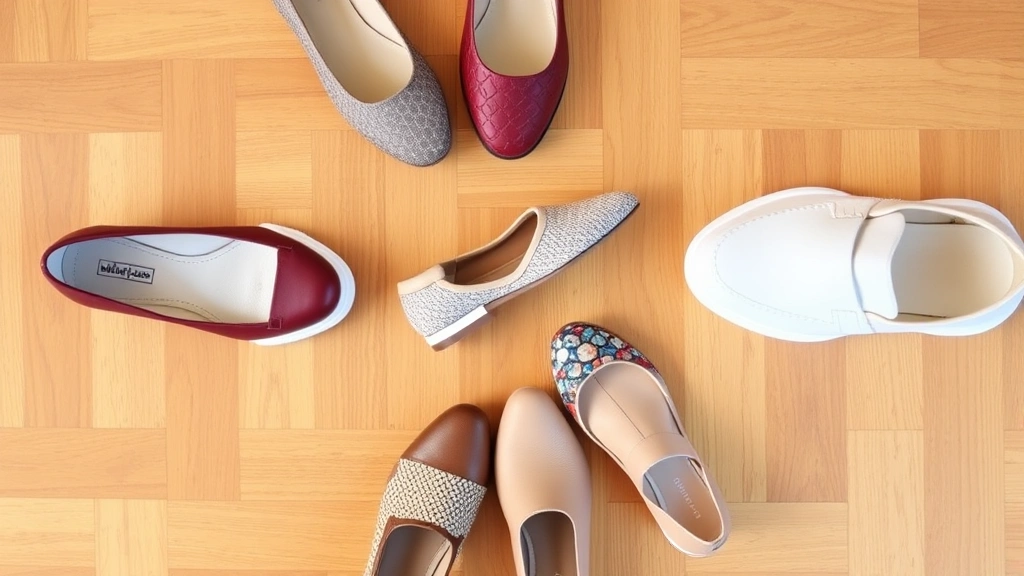
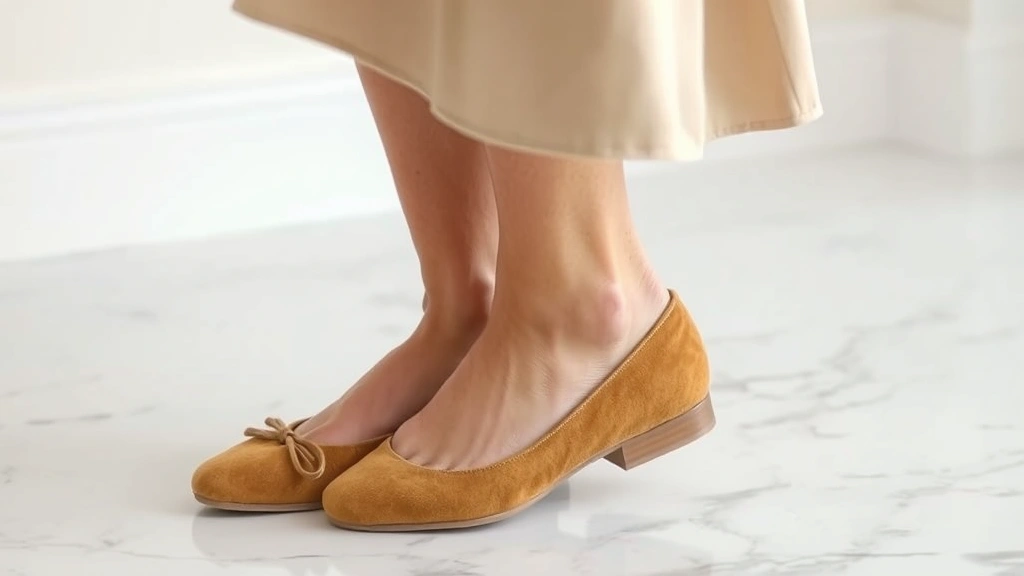
Flat Shoes and Ballet Flats represent the most obvious bunion-friendly category. Modern flat designs have evolved far beyond basic ballet slippers. Today’s flats feature pointed toes, rounded toes, loafer styles, and avant-garde silhouettes. The key is choosing flats with adequately wide toe boxes—not all flats are created equal. Look for brands like fashion style guides that emphasize proper fit, ensuring your flats provide comfort without pinching.
Sneakers and Athletic Shoes have become fashion statements rather than purely functional footwear. Contemporary sneaker design embraces comfort technology while delivering cutting-edge style. Chunky sneakers, minimalist designs, and retro silhouettes all work beautifully in modern outfits. The wide toe boxes inherent in quality athletic shoes make them excellent bunion solutions. Pair them with dresses, trousers, or casual separates for effortlessly stylish looks.
Sandals and Slides offer summer and warm-weather solutions. Strappy sandals with adjustable closures and wider forefoot areas work well for bunion sufferers. Slides and slip-on sandals provide easy on-and-off convenience with minimal pressure on your bunion. Look for styles with cushioned footbeds and arch support to maximize comfort during long days.
Loafers and Slip-Ons combine professional polish with casual comfort. These shoes naturally accommodate wider feet and bunions without looking orthopaedic. Leather loafers work beautifully in professional settings, while canvas or suede versions suit casual occasions. The slip-on design means no struggling with laces or buckles—just effortless comfort.
Boots can work wonderfully for bunion sufferers when you choose styles with roomy toe boxes. Ankle boots, knee-high designs, and over-the-knee silhouettes all come in wide versions from quality brands. Soft leather and stretchy materials offer the give your feet need. Avoid narrow, pointed-toe boot styles that concentrate pressure on your bunion.
Heeled Shoes and Pumps don’t have to be off-limits. The key is selecting styles with modest heel heights (under two inches) and appropriately wide toe boxes. Block heels, wedge heels, and kitten heels distribute weight more evenly than thin stilettos. Mary Jane pumps, T-strap heels, and round-toe designs all provide bunion-friendly options for occasions requiring dressier footwear.
Styling Tips for Bunion-Accommodating Footwear
Wearing bunion-friendly shoes doesn’t mean sacrificing your personal style or fashion-forward sensibility. Strategic styling transforms comfortable footwear into the focal point of stunning outfits.
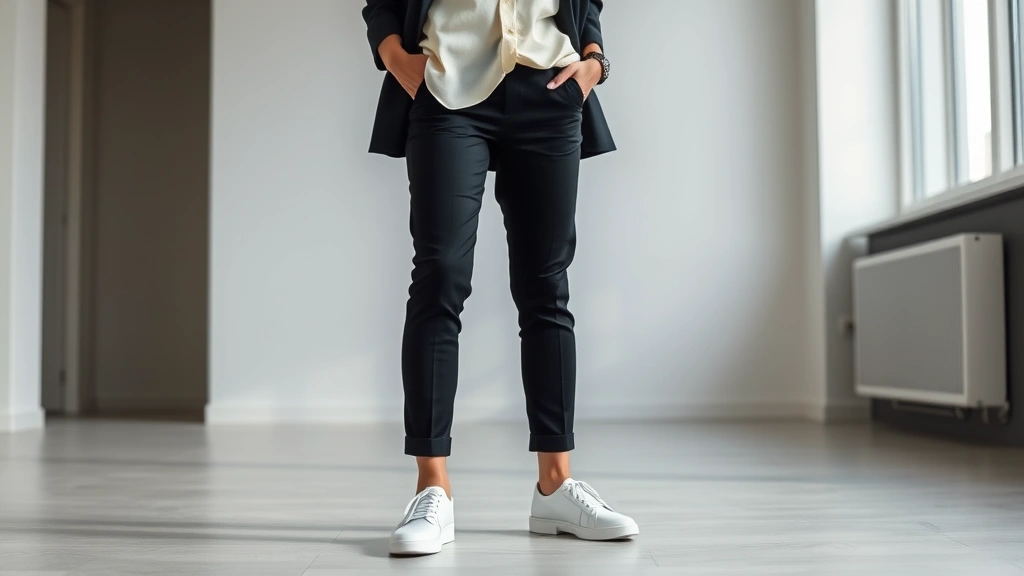
Embrace the Sneaker Moment: Quality sneakers have transcended their athletic origins to become legitimate fashion statements. Pair white leather sneakers with tailored trousers and a silk blouse for elevated casual elegance. Chunky sneakers work beautifully with midi skirts, creating a playful contrast. Monochromatic sneaker styling—matching your shoe color to your outfit—creates elongating, sophisticated effects. Consider exploring 90s fashion trends for inspiration on styling sneakers with contemporary flair.
Elevate Your Flats: Modern flats deserve recognition as serious style players. Metallic flats add glamour to evening dresses. Patterned flats introduce visual interest to neutral outfits. Embellished flats transform casual looks into something special. Choose flats in unexpected colors or textures to make them statement pieces rather than background players in your outfit.
Layer Strategically: Longer hemlines, midi skirts, and wide-leg trousers work beautifully with comfortable shoes. When your shoe isn’t a statement piece, let your clothing create visual interest. Flowing fabrics, interesting textures, and bold colors draw attention upward, making your footwear choice less noticeable while keeping you comfortable.
Accessorize Intentionally: When wearing simpler, more comfortable shoes, elevate your styling through accessories. Statement jewelry, scarves, bags, and belts create visual focal points that shift attention from your feet. Bold sunglasses, interesting hats, or eye-catching outerwear make your overall look compelling regardless of your footwear choice.
Explore Color and Pattern: Comfortable shoes come in every color and pattern imaginable. Patterned flats, colorful sneakers, and interesting textures make shoes interesting design elements. A burgundy flat or patterned sneaker becomes a conversation starter, shifting focus to your fashion-forward thinking rather than your footwear choice.
Consider Occasion-Appropriate Styling: Professional settings call for structured comfortable shoes like loafers, ballet flats, or modest-heeled pumps in neutral colors. Casual settings embrace sneakers, slides, and colorful flats. Social events can feature dressy flats, embellished sandals, or heeled styles in elegant designs. Matching your shoe formality to the occasion ensures you look appropriately dressed while maintaining comfort.
Shopping Guide and Sizing Advice
Successfully shopping for bunion-friendly shoes requires understanding proper sizing and fit standards specific to your needs.
Measure Your Feet Properly: Have your feet measured professionally, ideally at a specialty shoe store. Bunion sufferers often need wider widths than they’d guess. Professional measurement accounts for your bunion’s prominence and ensures you’re shopping in the correct width category. Remember that width needs may differ between your feet—this is normal and worth accommodating.
Shop at Specialty Retailers: Stores specializing in comfort footwear often have knowledgeable staff who understand bunion-related needs. They can recommend styles based on your specific requirements rather than simply pushing popular items. Many offer generous return policies, recognizing that fit is paramount for people with foot issues.
Try Shoes in the Afternoon: Feet swell throughout the day, so shopping in the afternoon ensures you’re sizing for your largest foot dimensions. This prevents buying shoes that feel comfortable in the morning but tight by evening. Bring the socks or hosiery you typically wear to ensure accurate fit assessment.
Test the Toe Box: Your longest toe should have approximately half an inch of space beyond it. Press gently on the toe box area where your bunion sits—there should be no pressure or pinching. The shoe should feel roomy across your forefoot without being sloppy overall.
Evaluate Arch Support: Stand in the shoes and assess how the arch feels. Proper support should feel like a gentle lift, not painful pressure. If your bunions are accompanied by flat feet or high arches, prioritize shoes with customizable insole options or sufficient depth for custom orthotics.
Consider Online Shopping Strategically: Many specialty brands offer free returns, making online shopping viable for bunion sufferers. Order multiple sizes and widths, try them thoroughly at home, and return what doesn’t work. This approach expands your options beyond local inventory limitations.
Invest in Quality: Higher-quality shoes typically feature better materials, superior construction, and more refined cushioning systems. While price doesn’t guarantee comfort, very inexpensive shoes often lack the engineering that makes them bunion-friendly. Budget for quality footwear as a health investment that pays dividends in daily comfort.
Break Shoes in Gradually: Even ideal bunion-friendly shoes need a brief adjustment period. Wear new shoes for short periods initially, gradually extending wear time as they mold to your foot. This allows materials to soften and your foot to acclimate without overwhelming discomfort.
Explore Width Options Fully: Standard (B) width often doesn’t accommodate bunions adequately. Wide (D) and extra-wide (2E, 4E) options from quality brands provide the space bunion sufferers need. Don’t assume your typical size works—bunions often necessitate wider widths than you might otherwise wear.
For additional styling inspiration and fashion guidance, explore contemporary fashion collections that emphasize comfort-forward design. Understanding fashion trends across demographics helps you identify styles that work for your age, lifestyle, and personal aesthetic while accommodating your bunion needs.
FAQ
Can I wear heels with bunions?
Yes, but with important caveats. Heels should be modest—under two inches—and feature wide toe boxes. Block heels, wedge heels, and kitten heels distribute weight better than thin stilettos. Avoid pointed-toe designs. Reserve heeled shoes for occasions rather than daily wear to minimize cumulative stress on your bunion. Many people with bunions comfortably wear dressy flats or modest heels for special events.
What’s the best shoe material for bunions?
Soft, breathable materials like leather, suede, and quality knits work best. These materials mold to your foot’s contours, reducing pressure points. Stretchy fabrics offer additional forgiveness. Avoid rigid materials that don’t give. Look for leather quality that softens with wear rather than remaining stiff. Natural materials typically breathe better than synthetics, reducing moisture buildup and foot fatigue.
Should I buy shoes a size larger to accommodate bunions?
Not necessarily. Instead, focus on width options. A larger size might create other fit issues like heel slipping or excessive overall looseness. Wide or extra-wide widths in your normal size typically work better than larger sizes in standard widths. Professional fitting helps you find the right size and width combination rather than simply going larger.
Are orthopedic shoes the only option for bunion relief?
No. While orthopedic shoes provide excellent support, contemporary fashion brands now offer stylish alternatives with the same comfort features. Vionic, Clarks, New Balance, and many others create fashionable shoes that accommodate bunions without looking medical. You can maintain your personal style while prioritizing foot health.
How often should I replace bunion-friendly shoes?
Quality shoes typically last 300-500 miles or about one year with regular wear. However, if cushioning compresses or shoes lose their shape, replacement becomes necessary. Some people rotate multiple pairs to extend individual shoe lifespans. Investing in 2-3 quality pairs that you rotate provides better longevity than relying on a single pair.
Can bunion-friendly shoes prevent bunion progression?
Proper shoes can’t reverse existing bunions, but they can slow progression and reduce pain significantly. Wearing supportive, appropriately-fitted shoes prevents aggravation that accelerates deformity. Many people manage bunions effectively through conservative measures including proper footwear, without requiring surgery. Consult a podiatrist about your specific situation.
What’s the difference between bunion-friendly and regular wide shoes?
Regular wide shoes provide width overall but may still have narrow toe boxes. Bunion-friendly shoes specifically feature wide forefoot areas where your toes sit, even if the heel is proportionally narrower. Additionally, bunion-specific shoes incorporate arch support, flexible soles, and cushioning designed for foot pain relief—features not necessarily present in standard wide shoes.