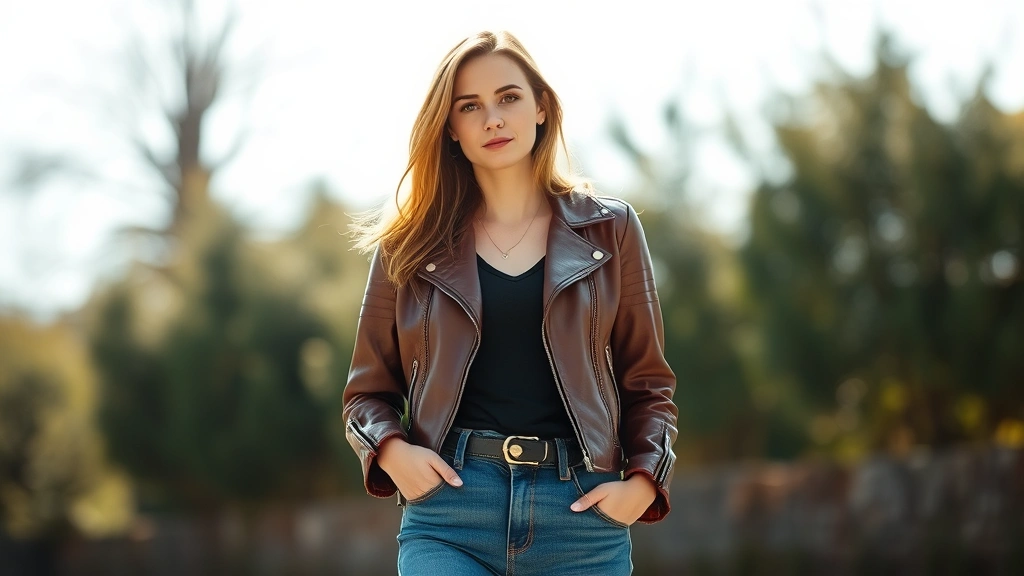
Is Fashionability Overrated? Expert Opinions on Style vs. Substance
In an era where social media dictates trends faster than ever before, the question of whether fashionability truly matters has become increasingly complex. We’re living in a paradox: while fashion influence has never been more pervasive, there’s simultaneously a growing movement questioning whether chasing every trend is worth the energy, expense, and environmental cost. Fashion experts, designers, and style psychologists are divided on this fundamental question, offering compelling arguments from multiple perspectives.
The concept of fashionability—the quality of being fashionable or aligned with current trends—has traditionally served as a social currency. Yet in 2024, we’re witnessing a cultural shift where authenticity, sustainability, and personal expression are challenging the tyranny of trendiness. This exploration dives deep into expert opinions about whether fashionability deserves its elevated status in our society, or if we’ve been chasing an illusion at the expense of genuine style and self-confidence.
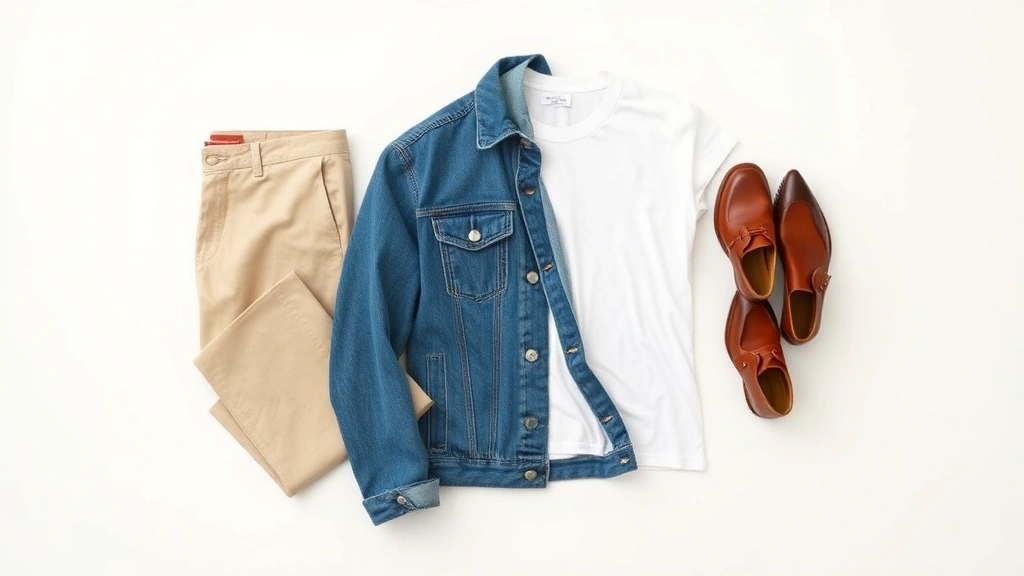
The Rise and Reality of Fashion Trends
Fashion has always been cyclical, but the velocity of trend cycles has accelerated dramatically. What once took seasons to establish now emerges and disappears within weeks. The democratization of fashion through social media platforms has created an environment where anyone with an aesthetic eye can become a tastemaker. This shift has fundamentally altered how we perceive fashionability.
The traditional fashion calendar—spring/summer and fall/winter collections—has been disrupted by fast fashion retailers releasing new items constantly. Brands like ASOS, Shein, and H&M introduced a model where trend cycles compress from months to weeks. This acceleration creates constant pressure on consumers to stay current, raising an important question: is this actually beneficial, or is it manufactured urgency designed to drive consumption?
When you explore the resurgence of 90s fashion, you notice something interesting—trends are increasingly circular. What was considered dated becomes desirable again, suggesting that fashionability is less about absolute correctness and more about cultural timing and nostalgia. This cyclical nature actually undermines the importance of always being on-trend, since today’s must-have often becomes tomorrow’s throwback.
Industry experts from Vogue have documented how trend cycles now operate in overlapping waves rather than distinct seasons. This creates confusion among consumers about what’s actually fashionable versus what’s being pushed by marketing budgets. The democratization of fashion information means that traditional gatekeepers—fashion editors, designers, and stylists—no longer have exclusive authority over what’s considered fashionable.
Expert Perspectives on Fashionability
Fashion industry leaders offer surprisingly diverse opinions on whether fashionability should be a primary concern. Dr. Valerie Steele, chief curator at the Fashion Institute of Technology, emphasizes that fashion is a form of communication, but that doesn’t mean every person needs to be fluent in every trend. She argues that fashionability becomes problematic when it overshadows individuality and financial responsibility.
Renowned fashion designer Stella McCartney has been vocal about the toxicity of constant trend-chasing, particularly regarding sustainability. Her perspective suggests that true style transcends fashionability—it’s about creating a cohesive personal aesthetic that endures beyond seasonal shifts. When considering pursuing a fashion design degree, many students are taught that innovation matters more than imitation.
Psychologist and style expert Jennifer Baumgartner notes that fashionability often masks deeper insecurities about belonging and self-worth. She explains that people who constantly chase trends may actually be seeking validation rather than genuine self-expression. This psychological dimension adds nuance to the debate—fashionability might be less about fashion and more about emotional needs.
Fashion forecasting experts at trend forecasting firms reveal that contrary to popular belief, most people don’t actually follow trends closely. Studies show that approximately 70% of consumers prioritize comfort and personal preference over being fashionable. This statistic alone suggests that fashionability might be overrated in the collective consciousness, even if it dominates media narratives.
Luxury fashion insiders argue that true fashionability exists in the high-end sector, where craftsmanship, heritage, and timelessness matter. Hermès, Chanel, and other heritage brands have built their empires on pieces that transcend seasonal trends. Their perspective is that fashionability divorced from quality and longevity is ultimately hollow.
The Psychology Behind Trend-Chasing
Understanding why we chase trends requires examining human psychology. Social comparison theory suggests that we evaluate ourselves by comparing our appearance to others, particularly those we perceive as higher status. Fashion trends exploit this natural tendency, creating hierarchies where those who are “in the know” feel superior to those who aren’t.
The concept of FOMO (fear of missing out) has become weaponized by fashion marketing. Limited-edition drops, exclusive collaborations, and scarcity-driven campaigns all leverage our psychological need to feel included. When a trend is framed as fleeting and exclusive, our brains interpret it as more valuable, even if objectively it’s no different from last season’s version.
Interestingly, research from the Fashion Institute of Technology shows that people who are most concerned with fashionability often experience higher levels of anxiety and lower self-esteem. This suggests a vicious cycle: fashionability-focused thinking creates insecurity, which then drives more trend-chasing as a coping mechanism.
Color psychology plays a role too. When fashion declares that “millennial pink” or “dopamine dressing” are the trends, it’s not that these colors suddenly became beautiful—it’s that collective agreement creates perceived value. This manufactured consensus can override personal preference, leading people to adopt aesthetics that don’t genuinely resonate with them.
The influencer economy has amplified these psychological mechanisms. When someone with millions of followers wears something, it signals that it’s fashionable, regardless of its actual quality or suitability. This creates a feedback loop where fashionability becomes self-reinforcing rather than merit-based.
Personal Style vs. Fashionability
This is perhaps the most crucial distinction in the fashionability debate: personal style and fashionability are not synonymous. Personal style is about knowing your body, your aesthetic preferences, your lifestyle needs, and dressing accordingly. Fashionability is about alignment with current trends. These can overlap, but they’re fundamentally different concepts.
When you examine fashion style through this lens, you realize that some of the most stylish people are those who ignore trends entirely. Think of individuals like Iris Apfel, known for her maximalist aesthetic that predates and transcends trend cycles. Her style is fashionable not because she follows trends, but because her confidence and coherence make her fashionable.
Personal style development requires self-knowledge: understanding your body shape, skin tone, lifestyle demands, and aesthetic preferences. It’s work that doesn’t generate revenue for fashion brands, which is why it’s underemphasized in fashion media. Yet this work is infinitely more valuable than chasing trends, as it creates a sustainable, authentic wardrobe.
The concept of a “capsule wardrobe” directly challenges fashionability culture. By investing in versatile, quality basics that can be mixed and matched, you create a personal style that’s both practical and elegant. This approach means you’re not constantly buying new items to stay fashionable—you’re building something lasting.
Exploring fashion trends for women over 50 reveals something important: as people age, they often become less concerned with fashionability and more confident in personal style. This shift often results in them looking better, not worse. There’s wisdom in prioritizing personal style over fashionability at any age.
Sustainability and the Cost of Fast Fashion
The environmental and ethical costs of chasing fashionability have become impossible to ignore. The fashion industry produces 92 million tons of textile waste annually, largely driven by overconsumption fueled by constant trend cycles. When fashionability is the primary driver of purchasing decisions, sustainability becomes collateral damage.
Fast fashion brands have built business models around making fashionability affordable and accessible. However, this affordability comes at tremendous cost: exploited labor, toxic manufacturing processes, and environmental degradation. The true price of fashionable clothing is hidden in supply chains that most consumers never see.
Sustainable fashion experts argue that the most fashionable thing you can do is wear what you already own. The concept of “slow fashion” directly opposes trend-chasing, emphasizing quality, longevity, and intentionality. When you buy fewer, better pieces aligned with your personal style, you reduce your environmental footprint while actually improving your wardrobe.
The rise of secondhand fashion platforms like Depop, Vestiaire Collective, and Poshmark suggests a generational shift away from fashionability-driven consumption. Younger consumers increasingly prefer vintage and pre-owned items, which offers both sustainability benefits and authentic style opportunities. These platforms prove that you can be fashionable without participating in destructive consumption cycles.
Brands like Patagonia and Reformation have built loyalty by prioritizing sustainability over trend-chasing. Their approach suggests that fashionability built on ethical foundations is more valuable—and ultimately more fashionable—than trend-driven fast fashion. This perspective is gaining traction, particularly among conscious consumers who recognize that true style shouldn’t require environmental compromise.
Finding Balance in Your Wardrobe
The answer to whether fashionability is overrated isn’t binary. Instead, the healthiest approach involves intentional engagement with fashion rather than wholesale rejection or uncritical acceptance of trends.
Start by identifying your personal style foundation. What colors make you feel confident? What silhouettes suit your body? What lifestyle do you actually live? These foundational questions matter more than any trend. Once you have this clarity, you can selectively incorporate trends that genuinely enhance your aesthetic rather than derail it.
Visit the Style Loom Daily Blog for consistent guidance on navigating fashion decisions thoughtfully. Quality fashion journalism helps you understand trends contextually rather than just accepting them as imperatives.
Create a budget that reflects your actual priorities. If fashion is important to you, allocate resources accordingly. But be honest about whether you’re spending to express yourself or to manage anxiety about being fashionable. The former is healthy; the latter suggests fashionability has become overrated in your life.
Invest in timeless basics that form your personal style foundation. Then, if you want to engage with trends, do so in small, affordable ways—accessories, color accents, or temporary pieces that won’t devastate your budget or wardrobe if they fall out of favor. This approach lets you enjoy fashion without being enslaved to fashionability.
Follow fashion sources that emphasize personal style and sustainability. When your fashion inspiration comes from stylists discussing how to work with what you have rather than from influencers promoting constant consumption, your relationship with fashionability naturally becomes healthier.
Remember that contemporary fashion options are abundant, meaning you have genuine choice. You’re not obligated to follow trends just because they exist. The most fashionable thing you can do is dress authentically, confidently, and intentionally—regardless of what’s currently trending.
Consider developing a personal style statement—a few sentences describing your aesthetic philosophy. This becomes your north star when evaluating whether a trend serves your actual style or just serves fashion industry interests. With this clarity, you’ll find that fashionability becomes a tool you control rather than a master that controls you.
FAQ
Is it possible to be stylish without being fashionable?
Absolutely. Personal style and fashionability are distinct concepts. Many of the most stylish people—from icons like Steve Jobs to fashion mavens like Iris Apfel—built their reputations on consistency and authenticity rather than trend-following. True style transcends trends.
How often should I update my wardrobe?
Rather than following seasonal fashion cycles, update your wardrobe when pieces wear out or your lifestyle genuinely changes. Quality basics can serve you for years. Trendy items might be incorporated occasionally if they genuinely appeal to you, but they shouldn’t be the foundation of your wardrobe.
Can I be fashionable on a budget?
Yes, but fashionability on a budget often means engaging with fast fashion, which has ethical and environmental costs. A better approach is building a personal style with affordable basics and selectively adding pieces you love. Quality secondhand fashion offers another budget-friendly option.
Why do fashion trends change so quickly?
Modern trend cycles are accelerated by social media, influencer culture, and fast fashion business models that profit from constant consumption. Historically, trends evolved more slowly. The current velocity is largely a result of marketing strategies designed to create perceived obsolescence.
What should I do with clothes that are no longer fashionable?
If they still fit and function well, wear them anyway. Personal style should transcend fashionability. If you genuinely don’t like them, donate to secondhand platforms or thrift stores where others might love them. This extends garment life and reduces waste.
How do I know if I’m over-focused on fashionability?
Ask yourself: Am I buying clothes because I genuinely like them and they serve my lifestyle, or because I’m anxious about being fashionable? Do I feel stressed about trends? Am I spending beyond my means? If you answered yes to any of these, fashionability may be overrated in your life.