Korean Fashion Evolution: A Historian’s Deep Dive into Women’s Clothing Timeline
Korean fashion represents one of the most dynamic and transformative style narratives in global fashion history. From the elegant silhouettes of the Joseon Dynasty to the cutting-edge streetwear dominating Seoul’s fashion districts today, Korean women’s clothing tells a compelling story of cultural resilience, modernization, and creative innovation. Understanding this evolution requires examining how historical periods, colonial influences, war, economic development, and globalization have collectively shaped what Korean women wear today.
The journey of Korean fashion is not merely about aesthetics; it reflects deeper transformations in Korean society, women’s roles, and the nation’s relationship with tradition versus modernity. Fashion historians recognize Korean style as a fascinating case study in how cultures negotiate between preserving heritage and embracing contemporary global influences. This comprehensive exploration uncovers the pivotal moments, key silhouettes, and influential figures that have defined Korean women’s fashion across centuries.
The Joseon Dynasty: Foundation of Korean Elegance
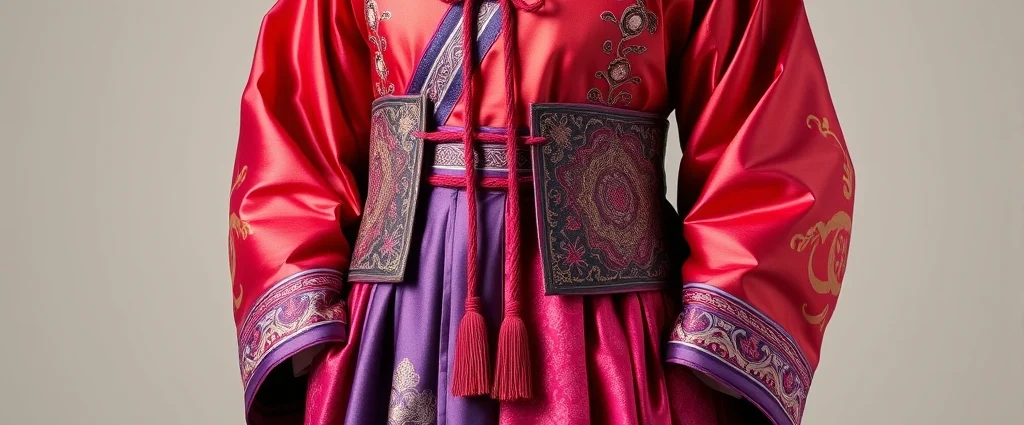
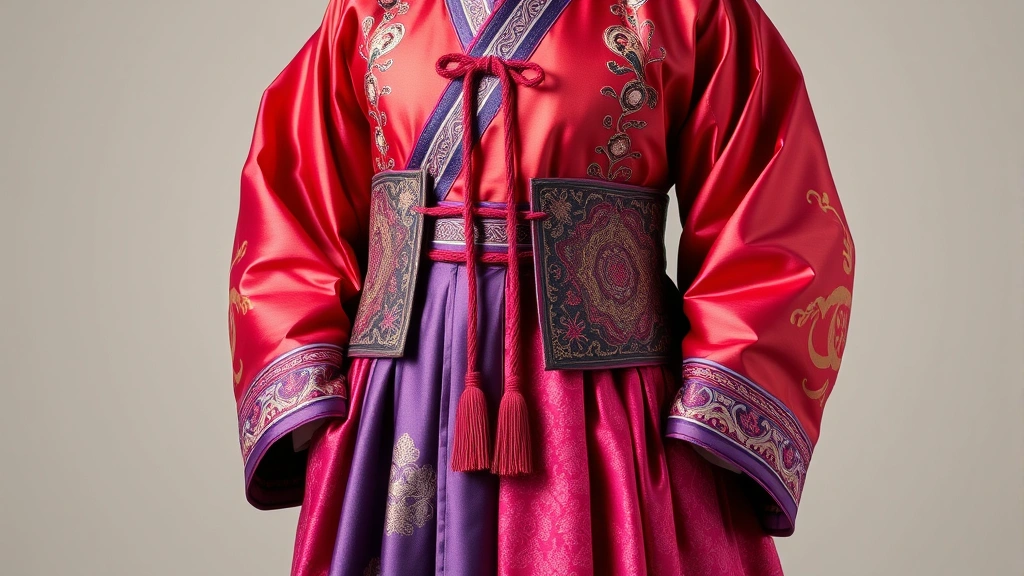
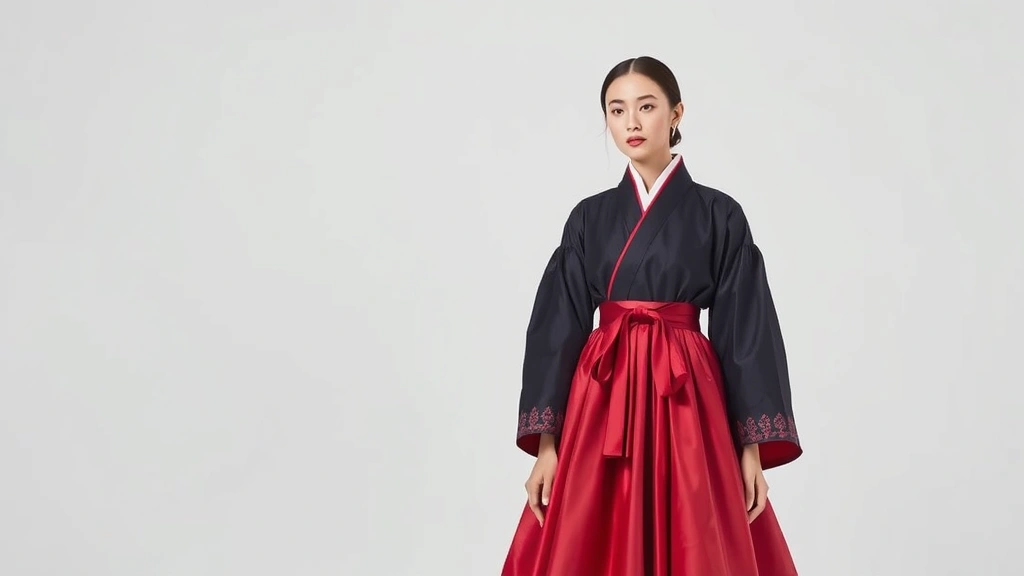
The Joseon Dynasty (1392-1910) established the aesthetic foundations that continue influencing Korean fashion today. During this period, women’s clothing featured the iconic jeogori (short jacket) and chima (wrap skirt), which together created the distinctive silhouette known as hanbok. Fashion historians emphasize that hanbok wasn’t merely decorative; it reflected Confucian values, social hierarchy, and women’s prescribed roles within Korean society.
The characteristic high-waisted silhouette of Joseon-era hanbok created an elongated, graceful appearance that became deeply embedded in Korean aesthetic consciousness. Fabric choices, color palettes, and embellishment techniques varied significantly by social class. Upper-class women wore vibrant silk with intricate embroidery, while commoners utilized cotton and simpler designs. The otgoreum (decorative ties) and layering techniques demonstrated remarkable sophistication in construction and visual balance.
What makes this period particularly significant for fashion historians is how the hanbok’s structure influenced subsequent generations of Korean designers. Even contemporary fashion creatives reference Joseon proportions, color theory, and construction methods when developing modern collections. The silhouette’s emphasis on vertical lines and the interplay between fitted and flowing elements became quintessentially Korean design vocabulary.
During the Joseon Dynasty, seasonal variations in Korean women’s fashion were pronounced. Summer garments featured lightweight hemp and linen, while winter pieces incorporated layering and warmer materials. The evolution from casual daily wear to formal ceremonial hanbok demonstrated how Korean women navigated different social contexts through clothing choices, a practice that continues in modern Korean fashion sensibilities.
Colonial Period and Early Modernization (1910-1945)
Japanese colonial rule fundamentally disrupted Korean fashion traditions while simultaneously accelerating modernization. This contradictory period witnessed simultaneous promotion of Western clothing and suppression of Korean cultural expression through dress. Fashion historians identify this era as a crucial turning point where Korean women’s fashion became a site of cultural resistance and negotiation.
During the 1920s and 1930s, Korean women increasingly adopted Western-style clothing, particularly in urban centers like Seoul. The moga (modern girl) emerged as a fashion icon—young women wearing Western dresses, bobbed hair, and Western accessories. These women represented progressive ideals and modernization, yet their fashion choices also reflected complex power dynamics under colonial rule. The tension between embracing modernity and preserving cultural identity became embedded in Korean fashion consciousness.
Interestingly, some Korean women maintained hanbok wearing as a form of cultural nationalism. Fashion became political; choosing traditional dress represented resistance to colonization, while Western clothing symbolized modernization and sometimes collaboration. This complex relationship between tradition and modernity would resurface repeatedly throughout Korean fashion history.
The technical aspects of Korean women’s fashion also evolved during this period. Introduction of Western tailoring techniques, new textile technologies, and mass production methods gradually transformed how Korean garments were constructed. The blending of Western construction methods with Korean aesthetic sensibilities created hybrid fashion forms that characterized much of twentieth-century Korean style.
Post-War Era: Reconstruction and Western Influence (1945-1960s)
Following Korean independence and the devastating Korean War, fashion became intertwined with national reconstruction and American cultural influence. The post-war period introduced unprecedented Western fashion dominance, particularly American styles, which arrived through military presence and economic aid programs. Fashion historians note that this period fundamentally altered Korean women’s everyday clothing choices.
The 1950s witnessed rapid Westernization of Korean women’s fashion, particularly among younger generations in urban areas. Full skirts, fitted waists, and American-inspired silhouettes became aspirational. Western magazines, Hollywood films, and American military presence created powerful cultural narratives around Western fashion as modern, desirable, and progressive. Korean women largely abandoned daily hanbok wearing in favor of Western dresses and suits.
However, this period also saw deliberate efforts to preserve hanbok traditions. The government and cultural institutions promoted hanbok wearing for special occasions, holidays, and formal events. This bifurcation—Western clothing for daily wear, hanbok for ceremonial occasions—became the dominant pattern in Korean women’s fashion that persists today. Understanding this fashion styling approach requires recognizing how Korean culture negotiated tradition and modernity through clothing choices.
Economic factors significantly influenced post-war fashion evolution. As Korea’s economy gradually recovered, Korean women gained increased purchasing power and fashion choice autonomy. Domestic textile industries developed, enabling local production of Western-style clothing. Korean dressmakers and tailors adapted Western patterns to Korean body types and aesthetic preferences, creating distinctly Korean interpretations of Western fashion.
The 1960s-1980s: Economic Boom and Fashion Identity
South Korea’s rapid industrialization and economic development during the 1960s-1980s fundamentally transformed fashion production, consumption, and innovation. This period witnessed emergence of Korean fashion as a distinct industry with domestic designers, manufacturers, and retail infrastructure. Fashion historians recognize this era as crucial for establishing Korea’s contemporary fashion identity.
The 1960s introduced the miniskirt and mod fashion to Korea, reflecting global youth culture movements. Young Korean women embraced these styles enthusiastically, creating generational distinctions in fashion choices. Korean fashion magazines proliferated, featuring both Western and emerging Korean designers. The professionalization of fashion design through formal education programs and design competitions accelerated Korean fashion development.
During the 1970s, Korean government actively promoted fashion industry development as part of broader economic strategy. Export-oriented manufacturing created massive textile and apparel industries. While much production served foreign brands, Korean designers simultaneously developed original collections. This period established Korea’s reputation for quality manufacturing and innovative production techniques—foundations for contemporary Korean fashion industry dominance.
The 1980s witnessed explosion of Korean fashion creativity and consumer culture. Seoul became increasingly fashion-conscious, with new shopping districts, boutiques, and fashion shows proliferating. Designers like Lee Young-hee gained international recognition, demonstrating that Korean fashion could achieve global prestige. The emergence of Korean fashion weeks and industry infrastructure paralleled Korea’s broader economic and cultural confidence.
This era also witnessed renewed interest in hanbok among some designers and cultural practitioners. Rather than viewing traditional dress as obsolete, progressive designers began reinterpreting hanbok through contemporary lenses. These efforts established the pattern of hanbok modernization that characterizes contemporary Korean fashion, where traditional garments receive innovative reinterpretation rather than preservation as historical artifacts.
The Hallyu Wave: Korean Fashion Goes Global (1990s-2010s)
The Korean Wave—or Hallyu—fundamentally transformed Korean fashion’s global positioning. Beginning with Korean popular music, television dramas, and cinema, Korean cultural exports created unprecedented international interest in Korean style. Fashion historians identify this period as revolutionary for Korean fashion’s global recognition and influence.
Korean television dramas, particularly popular in Asia during the 1990s and 2000s, became powerful fashion vehicles. Characters wore contemporary Korean clothing, creating aspirational style templates for international audiences. The dramas’ costume designers became influential style authorities, and clothing worn by popular actors frequently sparked fashion trends across Asia. This phenomenon demonstrated how cultural media could drive fashion influence more effectively than traditional fashion industry mechanisms.
K-pop’s explosive international growth accelerated Korean fashion globalization exponentially. Idols became global fashion icons whose styling influenced millions of followers worldwide. Korean fashion brands and designers gained international distribution through K-pop marketing ecosystems. The genre’s emphasis on visual presentation and styling innovation elevated Korean fashion to unprecedented global prominence, transforming Korean designers from manufacturing partners to creative authorities.
During this period, Korean designers achieved significant international recognition. Brands like Cheil Jedang, Mixxo, and eventually luxury labels gained global distribution. Korean fashion weeks attracted international press attention. Korean fashion schools produced designers who studied abroad and returned with global perspectives. The industry transformed from primarily export-manufacturing to encompassing original design, luxury production, and creative innovation.
Interestingly, the Hallyu wave simultaneously revived hanbok interest. Korean dramas frequently featured hanbok, introducing international audiences to traditional dress. Contemporary hanbok designers gained prominence, creating modern interpretations that appealed to younger generations. This period established hanbok as fashionable contemporary wear rather than purely ceremonial garment—a significant shift in how Korean culture positioned tradition.
The rise of Korean fashion during the Hallyu era also reflected broader economic and cultural shifts. Korea transitioned from developing economy to advanced economy status. Korean women gained increased economic independence and social authority. Fashion became medium through which Korean women expressed modern identity while maintaining cultural connection to tradition. Understanding Korean women’s contemporary fashion requires recognizing how Hallyu created global platforms for Korean style expression.
Contemporary Korean Fashion: Street Style to Haute Couture
Contemporary Korean fashion represents synthesis of all historical influences—traditional hanbok elements, Western fashion foundations, modernist innovation, and global cultural exchange. Today’s Korean fashion landscape encompasses diverse expressions from haute couture to streetwear, luxury to fast fashion, traditional to experimental.
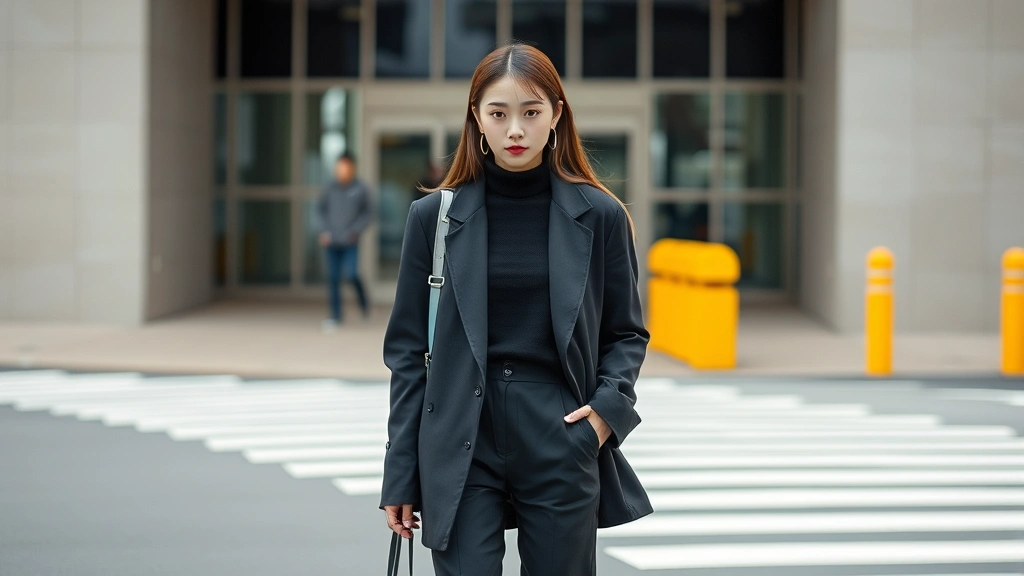
Seoul’s fashion scene has become globally influential, with Korean street style attracting international fashion media attention. Korean women’s approach to styling emphasizes individual expression within carefully curated aesthetic frameworks. The prevalence of personal styling services, fashion consulting, and styling apps reflects Korean culture’s sophisticated approach to fashion styling as deliberate practice. Contemporary Korean fashion philosophy emphasizes intentionality, coordination, and personal brand development.
Luxury Korean fashion has achieved unprecedented global prominence. Brands like Gentle Monster, Ader Error, and Juun.J receive international recognition and distribution. Korean fashion weeks attract global press and industry professionals. Korean designers frequently reference historical elements—hanbok proportions, traditional color palettes, historical construction techniques—while creating decidedly contemporary collections. This approach of honoring tradition while pushing innovation characterizes much contemporary Korean fashion.
Modern hanbok represents particularly fascinating evolution of Korean fashion. Contemporary designers have transformed hanbok from ceremonial wear to fashionable everyday possibility. Modern hanbok features diverse silhouettes, color palettes, and fabrications that appeal to younger generations. Rental services, affordable contemporary brands, and designer interpretations have made hanbok accessible and fashionable rather than exclusively formal. This democratization of hanbok reflects broader shifts in how Korean culture relates to tradition.
The intersection of Korean fashion and technology represents another contemporary development. Korean fashion brands extensively utilize social media, e-commerce, and digital marketing. Online shopping culture, live-streaming fashion shows, and digital styling services have become integral to Korean fashion industry operations. Korean fashion consumers demonstrate sophisticated digital literacy and engagement with fashion innovation.
Contemporary Korean women’s fashion also reflects increased gender equality and women’s economic independence. Fashion choices demonstrate expanded possibilities—from conservative to provocative, from traditional to experimental, from minimalist to maximalist. The diversity of contemporary Korean women’s fashion contrasts sharply with historical periods when fashion choices reflected prescribed social roles. Today’s Korean fashion landscape celebrates individual expression and identity negotiation through clothing.
International fashion collaborations have become increasingly common. Korean designers partner with global brands, European luxury houses commission Korean artisans, and Korean fashion concepts influence international collections. This reciprocal exchange positions Korean fashion as equal participant in global fashion dialogue rather than peripheral player or manufacturing partner.
The influence of Korean fashion extends beyond clothing to broader lifestyle aesthetics. Korean beauty standards, skincare routines, and personal grooming practices have achieved global recognition. The comprehensive approach to self-presentation that characterizes Korean culture extends fashion influence into beauty, wellness, and lifestyle domains. Understanding contemporary Korean fashion requires recognizing how clothing exists within broader cultural frameworks emphasizing aesthetic refinement and intentional self-presentation.
For those interested in fashion careers, understanding Korean fashion evolution provides valuable insights. The fashion stylist jobs landscape increasingly includes positions focused on Korean brand styling, K-pop styling, and Korean fashion consulting. Korean fashion industry offers diverse career opportunities from design to merchandising to digital marketing.
Those considering fashion design degree programs should recognize that Korean fashion education has achieved international prominence. Korean design schools attract international students and produce globally competitive designers. The combination of traditional craftsmanship knowledge and contemporary design innovation characterizes Korean fashion education.
Beyond professional contexts, Korean fashion evolution offers insights relevant to broader fashion trends for women over 50 and other demographic segments. Korean culture’s emphasis on age-appropriate yet fashionable dressing, combined with sophisticated styling approaches, provides valuable models for women navigating contemporary fashion across life stages. The accessibility of hanbok for various occasions offers alternatives to Western formal wear that appeal to diverse age groups.
The Style Loom Daily Blog regularly features Korean fashion insights, contemporary trends, and styling approaches influenced by Korean fashion philosophy. Exploring Korean fashion evolution through fashion media and educational resources provides deeper understanding of how historical processes shape contemporary style possibilities.
FAQ
What is hanbok and why is it significant in Korean fashion history?
Hanbok represents traditional Korean dress characterized by the jeogori (short jacket) and chima (wrap skirt). It’s significant because it established aesthetic foundations—proportions, silhouettes, color theory, and construction techniques—that continue influencing contemporary Korean designers. Hanbok embodies Korean cultural values and represents connection to tradition in modern fashion contexts.
How did Japanese colonization influence Korean women’s fashion?
Colonial rule accelerated Western fashion adoption while simultaneously suppressing Korean cultural expression. This created complex dynamics where fashion became politically charged—traditional dress represented cultural resistance, while Western clothing symbolized modernization. These tensions between tradition and modernity became embedded in Korean fashion consciousness and continue influencing contemporary choices.
What role did the Korean War play in Korean fashion evolution?
Post-war American military presence and economic aid introduced unprecedented Western cultural influence, including American fashion. This period witnessed rapid Westernization of Korean women’s everyday clothing while hanbok became reserved for ceremonial occasions. This bifurcation—Western daily wear, traditional formal wear—became dominant pattern persisting today.
How did Korean economic development shape fashion industry growth?
Korea’s rapid industrialization created massive textile and apparel manufacturing industries. Government actively promoted fashion industry development as economic strategy. This infrastructure enabled Korean designers to establish original brands, develop design talent, and achieve international recognition. Economic prosperity increased consumer purchasing power and fashion choice autonomy.
What is the Hallyu wave’s impact on global Korean fashion recognition?
The Korean Wave—encompassing K-pop, television dramas, and cinema—created unprecedented global interest in Korean style. K-pop idols became fashion icons influencing millions globally. Korean designers gained international distribution and prestige. This cultural export mechanism proved more effective than traditional fashion industry channels for establishing Korean fashion authority.
How do contemporary Korean designers approach tradition?
Modern Korean designers frequently reference traditional elements—hanbok proportions, historical color palettes, traditional construction—while creating decidedly contemporary collections. This synthesis honors cultural heritage while pushing innovation. Modern hanbok represents particularly fascinating evolution, transforming ceremonial wear into fashionable everyday possibility through contemporary reinterpretation.
What distinguishes contemporary Korean fashion aesthetics?
Contemporary Korean fashion emphasizes intentionality, careful coordination, and personal brand development. Korean women demonstrate sophisticated styling approaches utilizing personal stylists, fashion apps, and consulting services. Fashion choices reflect individual expression within curated aesthetic frameworks. The approach positions clothing as deliberate identity expression rather than casual consumption.
How has technology influenced Korean fashion industry?
Korean fashion extensively utilizes social media, e-commerce, and digital marketing. Online shopping culture, live-streaming fashion shows, and digital styling services have become integral to operations. Korean consumers demonstrate sophisticated digital literacy and engagement. Technology has democratized fashion access while enabling Korean brands to reach global audiences directly.
What career opportunities exist in Korean fashion industry?
Korean fashion offers diverse career opportunities including design, merchandising, digital marketing, styling, and brand management. K-pop styling, Korean brand consulting, and international fashion collaborations represent emerging specializations. Korean fashion education has achieved international prominence, attracting global students and producing globally competitive designers.