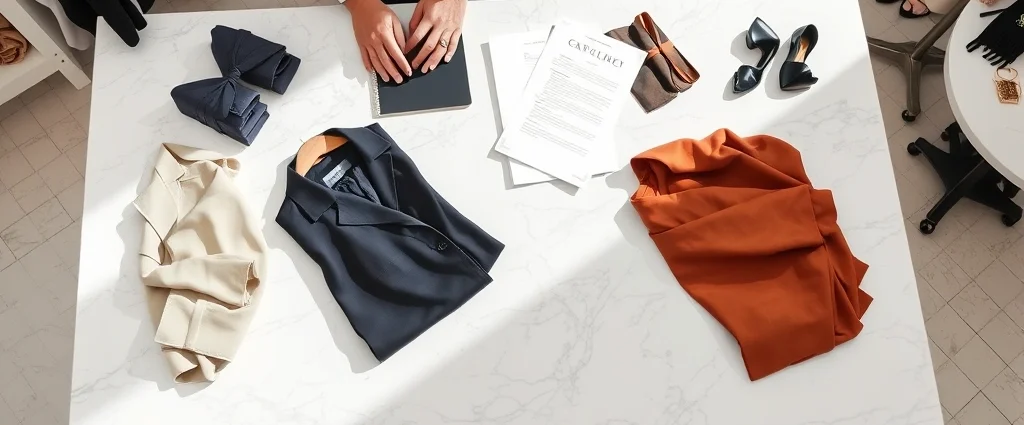

How to Land Fashion Stylist Jobs: Expert Advice for Breaking Into the Industry
The fashion industry is calling, and if you’ve ever dreamed of curating wardrobes, styling celebrities, or transforming ordinary outfits into extraordinary looks, becoming a fashion stylist might be your perfect career path. Fashion stylist jobs offer creative freedom, diverse projects, and the opportunity to work with talented individuals across entertainment, retail, and editorial sectors. Whether you’re passionate about fashion styling as an art form or eager to launch your professional career, this comprehensive guide will equip you with the knowledge and strategies needed to break into this competitive yet rewarding field.
Landing fashion stylist jobs requires more than just a keen eye for aesthetics. It demands strategic planning, continuous skill development, networking prowess, and a portfolio that speaks volumes about your creative vision. In this guide, we’ll explore proven methods to help you secure your first styling gig, build a thriving client base, and establish yourself as a sought-after professional in the fashion world.

Education and Training Requirements
While formal education isn’t always mandatory, many successful stylists combine practical experience with structured learning. Pursuing a fashion design degree or certificate program provides foundational knowledge in color theory, textile understanding, body proportions, and fashion history. These programs often include internship opportunities that can jumpstart your career in fashion stylist jobs.
Consider enrolling in specialized styling courses offered by reputable institutions. The Fashion Institute of Technology, Parsons School of Design, and numerous online platforms offer styling-focused programs that teach wardrobe consultation, personal shopping techniques, and styling for different mediums including television, film, and photography. These educational pathways not only enhance your credibility but also provide invaluable networking opportunities with industry professionals.
Beyond formal education, self-directed learning is equally important. Study fashion style through fashion magazines, runway shows, social media influencers, and fashion documentaries. Understanding current trends, historical fashion context, and emerging designers gives you the competitive edge needed to excel in fashion stylist jobs.

Building Your Styling Portfolio
Your portfolio is your calling card in the fashion industry. It should showcase your best work, demonstrating versatility, creativity, and understanding of different aesthetics and body types. Start by styling friends, family members, or even volunteer your services to local photographers and models building their portfolios. Every project, regardless of compensation, contributes to your professional styling collection.
Create a cohesive portfolio that tells a story. Organize your work by categories such as casual wear, formal events, seasonal collections, or client transformations. Include before-and-after photos when relevant, as they powerfully demonstrate your impact. Digital portfolios on platforms like Instagram, Squarespace, or Wix are essential for modern fashion stylist jobs. Your online presence should be polished, regularly updated, and easily accessible to potential clients and employers.
Collaborate with photographers, makeup artists, and hair stylists to create editorial-quality images. These collaborations produce stunning portfolio pieces while building relationships with other creative professionals. Document the styling process through behind-the-scenes content, which adds authenticity and shows potential clients your work methodology.
Consider creating themed lookbooks or seasonal collections that demonstrate your understanding of current fashion trends and styling concepts. These projects showcase your ability to create cohesive, wearable looks that appeal to target audiences, which is crucial for securing fashion stylist jobs in editorial, retail, or personal styling sectors.
Networking and Industry Connections
In fashion, who you know is often as important as what you know. Building genuine relationships with photographers, makeup artists, designers, casting directors, and fellow stylists creates opportunities for collaboration and referrals. Attend fashion shows, industry events, workshops, and networking mixers where you can meet established professionals and fellow aspiring stylists.
Join professional organizations like the Association of Image Consultants International or local fashion associations. These memberships provide access to exclusive events, educational resources, and job boards dedicated to fashion stylist jobs. They also lend credibility to your professional profile.
Leverage social media strategically. Follow industry leaders, engage thoughtfully with their content, and share your own styling work. Instagram is particularly crucial for fashion stylists, as it serves as both portfolio and networking platform. Use relevant hashtags, tag collaborators, and engage with the fashion community authentically. Direct messages to potential collaborators or clients should be professional yet personable.
Consider reaching out to established stylists for informational interviews. Many professionals are willing to share their journey and advice if approached respectfully. These conversations provide insider knowledge about navigating fashion stylist jobs and may lead to mentorship opportunities or future collaborations.
Types of Fashion Stylist Jobs
Understanding the diverse landscape of fashion stylist jobs helps you target opportunities aligned with your interests and strengths. Personal stylists work one-on-one with clients, understanding their lifestyle, body type, and preferences to create personalized wardrobes. This path offers flexibility and the potential for recurring income through retainer relationships.
Editorial stylists work with magazines, newspapers, and online publications, creating visually compelling looks for photoshoots and articles. These fashion stylist jobs require strong creative vision and the ability to interpret editorial briefs while collaborating with photographers and art directors.
Television and film stylists style actors and talent for productions. These roles demand quick decision-making, problem-solving under pressure, and deep knowledge of costume history and character development. Working on set can be demanding but incredibly rewarding.
Retail stylists work for fashion retailers, providing styling services to customers. These fashion stylist jobs combine sales, customer service, and styling expertise. Retail chains and boutiques increasingly offer professional styling services, creating growth in this sector.
Celebrity and influencer stylists work with high-profile clients, attending events, managing wardrobes, and creating looks that align with their public image. These positions require discretion, impeccable taste, and strong relationships within entertainment circles.
Explore fashion stylist fashion opportunities in emerging areas like virtual styling, e-commerce fashion consultation, and sustainable fashion styling. These growing sectors offer fresh opportunities for innovative stylists.
Finding Opportunities and Resources
Multiple platforms host fashion stylist jobs across different sectors. Vogue’s career resources provide industry insights and job listings. LinkedIn is invaluable for discovering positions with fashion brands, agencies, and production companies. Set up job alerts for “stylist,” “wardrobe consultant,” and “fashion consultant” positions.
Specialized job boards like Fashion Career Central and The Dots aggregate fashion industry positions. Craigslist and local community boards often list personal styling opportunities, particularly in major fashion hubs like New York, Los Angeles, and London.
Talent agencies and styling agencies represent stylists and connect them with clients. Research agencies in your area and submit your portfolio for representation. Agencies handle booking, contracts, and client relations, allowing you to focus on styling.
Social media serves as both networking and job-hunting tool. Follow brands, production companies, and stylists you admire. Comment thoughtfully on their posts, and when opportunities arise, you’ll be visible to decision-makers. Many fashion stylist jobs are filled through referrals and social connections before being publicly posted.
Consider freelance platforms like Upwork or Fiverr for initial clients, though these typically pay less than direct bookings. They provide experience, testimonials, and portfolio material that support your journey toward higher-paying fashion stylist jobs.
Essential Skills for Success
Beyond aesthetic judgment, successful stylists possess diverse skill sets. Communication skills are paramount. You must understand client needs, ask probing questions, and translate visions into reality. Clear communication prevents misunderstandings and builds trust with clients and collaborators.
Organizational abilities keep you managing multiple clients, projects, and deadlines simultaneously. Spreadsheets tracking client preferences, measurements, and budgets are essential. Time management ensures you deliver quality work consistently across all fashion stylist jobs.
Business acumen is crucial for independent stylists. Understanding pricing, contracts, invoicing, and taxes ensures profitability. Knowledge of business basics separates struggling stylists from thriving entrepreneurs in the fashion stylist jobs market.
Problem-solving skills are invaluable when unexpected challenges arise on set or with client preferences. The ability to think creatively under pressure and adapt to changing circumstances makes you invaluable to clients and employers.
Fashion knowledge extends beyond trends. Understand body types, color theory, fabric properties, and how different elements work together. Study fashion trends across demographics to understand diverse styling needs.
Technical skills in photography, photo editing, and social media management enhance your professional toolkit. Many fashion stylist jobs now require digital literacy and the ability to manage your own marketing and brand presence.
Emotional intelligence helps you navigate client relationships, understand unspoken needs, and build lasting professional connections. The ability to make clients feel confident and beautiful is as important as technical styling expertise.
Resourcefulness separates good stylists from great ones. Knowing where to find specific pieces, building relationships with designers and boutiques, and understanding inventory management allows you to deliver exceptional results within budget constraints.
FAQ
Do I need a degree to become a fashion stylist?
No formal degree is required, though fashion-related education provides advantages. Many successful stylists build careers through apprenticeships, online courses, and practical experience. What matters most is your portfolio, skills, and industry connections. However, a fashion design degree or styling certification can accelerate your entry into competitive fashion stylist jobs, particularly with established agencies or major brands.
How much do fashion stylists earn?
Earnings vary significantly based on experience, location, and specialization. Personal stylists might charge $75-$300 per hour, while celebrity stylists command substantially higher rates. Editorial and retail stylists typically earn $35,000-$60,000 annually starting out, with experienced professionals earning six figures. Freelance fashion stylist jobs offer variable income depending on client base and rates charged.
What’s the best way to gain experience as a new stylist?
Start by volunteering with photographers, models, and local productions. Intern at fashion agencies, retail boutiques, or styling companies. Style friends and family, documenting the results professionally. Collaborate with other creatives on passion projects. Each project builds portfolio pieces and industry relationships that lead to paid fashion stylist jobs.
How important is social media for fashion stylists?
Extremely important. Social media serves as your portfolio, networking tool, and marketing platform. Instagram particularly is essential for fashion stylists to showcase work, connect with industry professionals, and attract clients. Regular posting, engagement with followers, and strategic hashtag use increase visibility and opportunities for fashion stylist jobs.
Should I specialize or generalize as a stylist?
Both approaches work. Specialization (celebrity styling, plus-size fashion, sustainable fashion) can differentiate you and command premium rates for fashion stylist jobs. Generalization offers broader opportunities but requires maintaining diverse skills. Consider starting generalist while exploring specializations that resonate with you.
How do I transition from personal styling to editorial styling?
Build an editorial portfolio through collaborations with photographers and publications. Study editorial work, understand the differences between personal and editorial styling, and pitch styling ideas to magazines and blogs. Network with editors and art directors. Many fashion stylist jobs bridge both sectors, offering transition opportunities.