
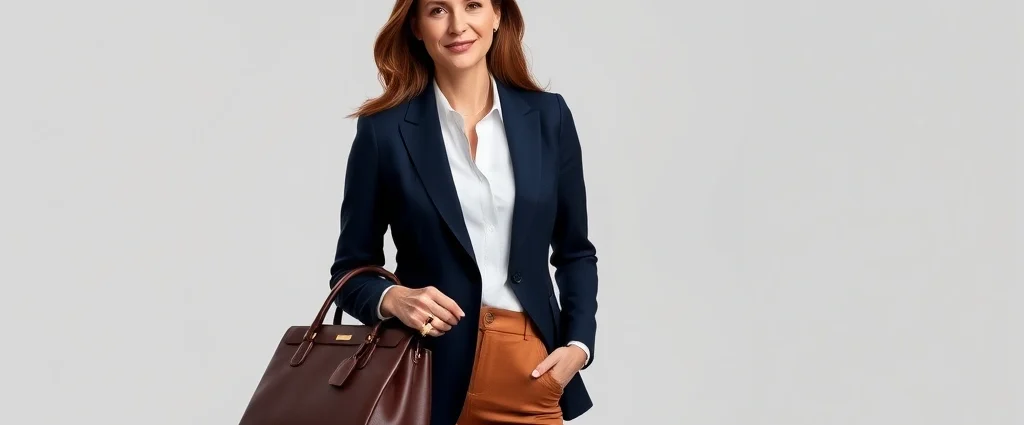
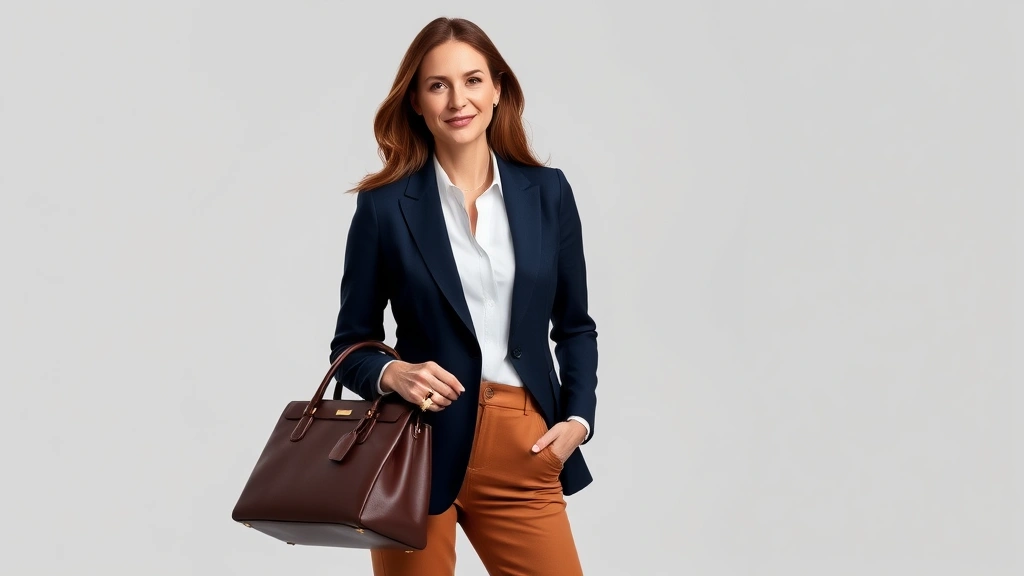
How to Elevate Your Look: Expert Styling Tips for Timeless Sophistication
Your personal style is a powerful form of self-expression, and mastering the art of fashion styling can transform not just your wardrobe, but your entire presence. Whether you’re preparing for a crucial business meeting, a special event, or simply want to feel more confident in your everyday life, understanding the fundamentals of fashion styling is essential. The difference between looking good and looking exceptional often comes down to intentional choices, proper fit, and understanding what works best for your unique body type and lifestyle.
Elevating your look isn’t about following trends blindly or spending a fortune on designer labels. Instead, it’s about developing a discerning eye for quality, learning to mix and match pieces strategically, and understanding the principles that make outfits work harmoniously. This comprehensive guide will walk you through proven styling techniques that fashion professionals use to create stunning looks, ensuring you always present your best self to the world.
Understanding Style Fundamentals
Before diving into specific styling techniques, it’s crucial to understand that fashion styling is fundamentally about proportion, balance, and intentionality. The most elegant outfits aren’t necessarily the most expensive—they’re the ones where every piece serves a purpose and works in harmony with the others. Professional stylists spend years studying how colors interact, how silhouettes flatter different figures, and how to create visual interest through strategic layering and accessorizing.
One of the most important concepts in styling is the principle of balance. When you wear a voluminous top, you’ll want to balance it with fitted bottoms. Conversely, if you’re sporting skinny jeans or leggings, a slightly looser or oversized top creates a flattering silhouette. This isn’t about rigid rules—it’s about understanding visual weight and creating compositions that feel harmonious to the eye. Visit the Style Loom Daily Blog for more foundational styling insights.
Another fundamental principle is the concept of the “rule of three,” which suggests that outfits with three colors or fewer tend to feel more cohesive and intentional. This doesn’t mean your outfit can only have three colors total, but rather that you should have three dominant colors that work together. This creates a sophisticated, put-together aesthetic that immediately elevates your appearance.
Dressing for Your Body Type
Understanding your body type is perhaps the single most important factor in developing a personal style that makes you feel confident and beautiful. Rather than fighting against your natural shape, strategic styling celebrates your best features while creating balance throughout your silhouette. Fashion experts typically categorize body types into several general shapes: pear, apple, hourglass, rectangle, and inverted triangle, though of course, most people are unique combinations of these.
For pear-shaped figures, the goal is to draw attention upward and balance wider hips. This means investing in structured tops, interesting necklines, and statement shoulders. Darker colors on the bottom and lighter or more patterned fabrics on top create visual balance. A-line skirts and wide-leg trousers work beautifully for this shape, as they skim over the hips without clinging.
Apple-shaped bodies benefit from styles that create definition at the waist and draw focus away from the midsection. Wrap dresses, belted styles, and tops with ruching are your friends. Darker colors in the center with lighter or brighter colors on the periphery create a flattering frame. Empire waists and peplum tops add dimension without adding bulk.
Those with hourglass figures are lucky—your curves are your best asset. Fitted styles that follow your natural contours, wrap dresses, and belted pieces all work beautifully. Your goal is to maintain the balance between your bust and hip, so avoid oversized silhouettes that hide your natural shape. If you’re interested in exploring different style approaches, check out our guide on Fashion Style Korea, which offers unique silhouettes perfect for various body types.
Rectangle or athletic body types benefit from pieces that create the illusion of curves. Peplum tops, ruffles, and horizontal stripes add dimension. Belted dresses and tops create definition at the waist, and layering different textures adds visual interest. Don’t shy away from bold patterns and colors—your straighter silhouette provides an excellent canvas for fashion-forward choices.
Inverted triangle shapes, where shoulders are wider than hips, should focus on balancing the upper body. A-line skirts, wide-leg pants, and bold bottoms draw attention downward. Avoid broad shoulders and busy tops; instead, opt for streamlined upper pieces with interesting details on the bottom half.
Color Theory and Coordination
Color is one of the most powerful tools in a stylist’s arsenal, yet many people struggle with coordinating colors effectively. Understanding color theory transforms your styling capabilities and ensures your outfits always feel intentional and sophisticated. The color wheel is your best friend, and learning to use it takes your styling from amateur to expert level.
Complementary colors—those opposite each other on the color wheel—create vibrant, energetic combinations. Think navy and orange, or purple and yellow. These pairings work beautifully for making a statement, though they’re best used in balanced proportions. Analogous colors, which sit next to each other on the color wheel, create harmonious, sophisticated looks. Pairing blues with greens, or reds with oranges, creates visual flow without jarring contrast.
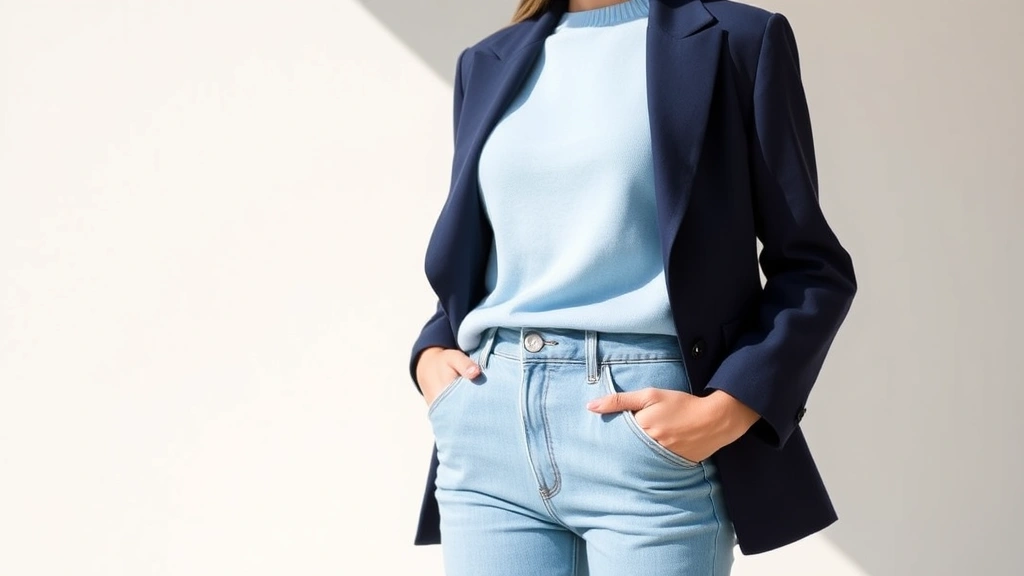
Monochromatic styling, using different shades and tints of the same color, creates an elongated, elegant silhouette. A light blue top with medium blue jeans and a navy blazer creates visual continuity that’s inherently sophisticated. This approach works particularly well for creating a streamlined appearance and is a go-to technique for fashion professionals.
Understanding undertones is equally important. Colors have warm undertones (yellows, oranges, reds) or cool undertones (blues, purples, greens). Your skin undertone—whether warm, cool, or neutral—determines which colors make you glow and which wash you out. Warm undertones typically look stunning in gold, warm reds, oranges, and warm greens. Cool undertones shine in silver, cool reds, blues, and cool greens. Neutral undertones are lucky—you can typically wear any color beautifully.
Why Fit Matters Most
No matter how expensive or trendy a piece is, if it doesn’t fit properly, it will never look elevated or sophisticated. This is why professional stylists often recommend investing in tailoring. A perfectly tailored piece from a modest price point will always outshine an ill-fitting designer garment. Fit is about more than just size—it’s about proportion, length, and how a garment interacts with your body.
The shoulder seam is one of the most critical fit points. It should sit right at your natural shoulder point, not drooping down your arm or cutting into your shoulder. When you raise your arms, the seam shouldn’t move significantly. The sleeve length is equally important—for most styles, sleeves should hit just at your wrist bone, creating an elegant line that elongates your arm.
Trouser and pant length is another crucial element. Pants should have a slight break at the top of your shoe, creating a clean line without bunching or dragging. Cropped pants should hit intentionally at the ankle or mid-calf, not accidentally shorter due to poor fit. For dresses, the length should be proportional to your height and the occasion—a general rule is that the hem should hit at a point that feels balanced with the rest of your silhouette.
Torso length is equally important. A top that’s too long can overwhelm a petite frame, while one that’s too short might create awkward gaps. The ideal length should hit at your natural hip, creating a balanced proportion between your upper and lower body. Investing in basic tailoring services—hemming, taking in seams, or adjusting sleeve length—is one of the best style investments you can make.
The Power of Accessories
Accessories are the punctuation marks of your outfit, and mastering their use is what separates good styling from exceptional styling. A simple jeans-and-white-tee combination becomes instantly elevated with the right accessories. These finishing touches show intentionality and refinement, transforming basic pieces into cohesive, sophisticated looks.
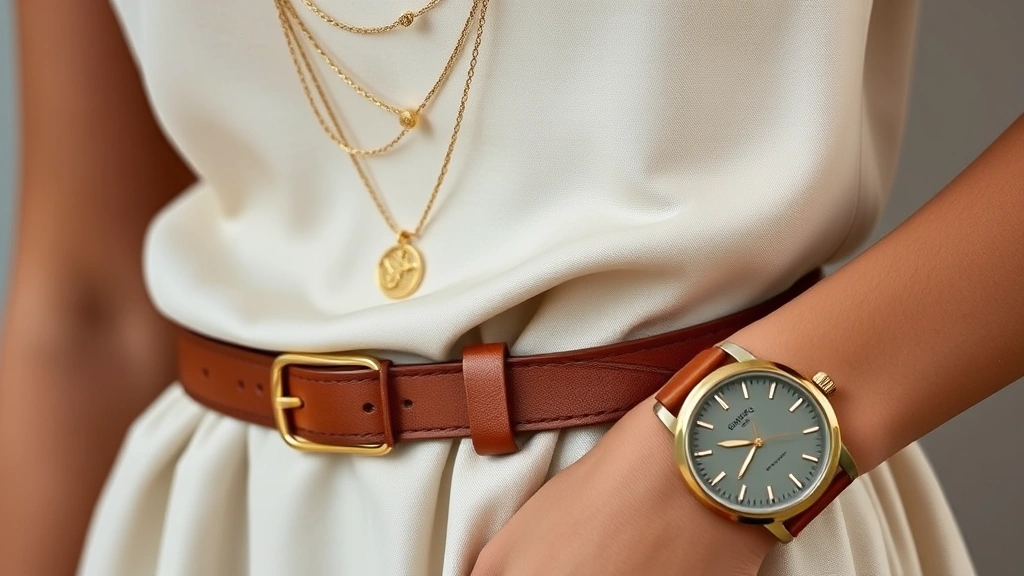
Jewelry should be proportional to your frame and the occasion. Delicate pieces work beautifully for petite frames and professional settings, while bolder statement jewelry suits larger frames and creative environments. A general rule is to choose either a statement necklace or statement earrings, not both—this prevents visual overwhelm and keeps focus on one stunning piece. Layering delicate necklaces has become increasingly popular and creates an effortlessly elegant aesthetic when done thoughtfully.
Belts are incredibly underutilized styling tools. A structured belt can instantly define your waist, create proportion in oversized silhouettes, and add visual interest to simple outfits. Belts work beautifully over dresses, long cardigans, and oversized sweaters. They’re particularly effective for creating definition in loose or flowing silhouettes.
Bags should serve both functional and aesthetic purposes. A well-chosen bag anchors your outfit and communicates your personal style. Structured, quality bags in neutral colors (black, navy, caramel, grey) are investment pieces that work with nearly everything. Colorful or patterned bags add personality and can tie together color schemes in your outfit. The proportions matter too—a large, structured bag suits taller frames and longer silhouettes, while smaller, delicate bags work beautifully with petite frames and fitted styles.
Scarves are versatile styling tools that add dimension, color, and sophistication. A silk scarf can be worn around your neck, tied to your bag, or even woven through your hair. Scarves work beautifully for adding a pop of color without committing to a full garment, and they’re particularly useful for extending your wardrobe’s versatility.
Mastering the Art of Layering
Layering is a technique that creates visual interest, allows for temperature regulation, and instantly elevates your style credentials. Effective layering isn’t about throwing on random pieces—it’s about understanding proportion, texture, and how different pieces interact with each other. Fashion professionals use layering to create dimension and depth, transforming simple basics into sophisticated ensembles.
The key to successful layering is understanding visual weight and proportion. If you’re layering a bulky sweater under a jacket, you want the jacket to be slightly more structured or fitted to avoid creating bulk. Conversely, if your base layer is fitted, you have more freedom with looser outer layers. Texture variation is crucial—mixing different fabrics like cotton, linen, wool, and silk creates visual interest and prevents a flat, one-dimensional appearance.
Length variation in layered pieces creates an elegant, intentional look. A long cardigan over a shorter top, or a cropped jacket over a longer dress, creates visual flow and proportion. This technique works beautifully for creating the illusion of length and elongating your silhouette. The general rule is that visible layers should be progressively longer as you go underneath, creating a cascading effect.
Color layering requires understanding how colors interact. Monochromatic layering (different shades of the same color) creates seamless elegance. Complementary color layering (opposite colors on the color wheel) creates bold, energetic combinations. Neutral layering provides a sophisticated backdrop for statement pieces, while analogous color layering (neighboring colors on the color wheel) creates harmonious, sophisticated looks.
Essential Wardrobe Staples
Building a cohesive wardrobe starts with investing in timeless staples that work together and serve as a foundation for countless outfits. These pieces should be high quality, fit impeccably, and work with your personal color palette. Rather than chasing trends, building your wardrobe around these essentials ensures you always have something to wear that looks polished and intentional.
A well-fitting white button-down shirt is non-negotiable. This single piece works with virtually everything—wear it crisp for professional settings, tie it at the waist for a casual look, layer it under sweaters, or wear it oversized for an effortlessly cool aesthetic. Invest in quality fabric that won’t wrinkle excessively and that drapes beautifully on your frame.
Dark denim in a flattering cut and wash is another essential. This should fit perfectly through the hips and thighs and have the appropriate length for your height and preferred styling. Dark denim works across seasons and occasions, pairing beautifully with everything from t-shirts to blazers. For inspiration on different denim styling approaches, explore 90s Fashion Men for some classic silhouettes that remain timeless.
A neutral blazer in black, navy, or caramel instantly elevates any outfit. This piece transforms casual basics into professional ensembles and adds structure and polish to any look. Choose a cut that flatters your body type—whether that’s fitted, slightly oversized, or somewhere in between—and ensure the shoulders fit perfectly.
Neutral basics in quality fabrics—white t-shirts, grey sweaters, black turtlenecks—form the foundation of a versatile wardrobe. These pieces work together seamlessly and provide a neutral backdrop for bolder pieces and accessories. Quality basics in natural fibers last longer, look better, and age beautifully.
A well-fitting pair of neutral trousers (black, navy, or caramel) that works for both professional and casual settings is essential. These should fit perfectly through the hips and thighs with the appropriate length and break for your frame. Quality tailoring ensures these pieces look polished and expensive regardless of price point.
Styling for Different Occasions
Different occasions call for different styling approaches, and understanding how to adapt your personal style to various settings is a hallmark of sophisticated dressing. The key is maintaining your personal aesthetic while respecting the expectations and context of each occasion.
Professional settings require polished, put-together styling that communicates competence and professionalism. This means well-fitting pieces in neutral or jewel tones, minimal but quality jewelry, structured bags, and closed-toe shoes. Blazers, tailored trousers, and classic dresses are your friends in professional environments. Keep patterns subtle and colors sophisticated. For insights into professional styling across cultures, check out Fashion Style Korea, which offers contemporary professional aesthetics.
Casual settings allow for more personality and experimentation. This is where you can play with color, pattern, and more relaxed silhouettes. Well-fitting jeans, comfortable sweaters, and sneakers create an effortlessly cool aesthetic. The key is ensuring pieces are still intentional and well-coordinated, even if the overall vibe is more relaxed.
Evening and special occasion dressing calls for elevated pieces and more dramatic styling. This might mean investing in special occasion pieces like structured dresses, statement jewelry, and elevated footwear. The key is choosing pieces that make you feel confident and beautiful while still reflecting your personal style. Metallics, jewel tones, and interesting textures work beautifully for evening events.
Seasonal styling requires adapting your wardrobe while maintaining your personal aesthetic. Summer calls for lighter fabrics and brighter colors, while winter embraces heavier textures and jewel tones. Transitional seasons allow for layering and mixing weights of fabric. Understanding how to style seasonally while staying true to your personal palette is crucial for year-round sophistication.
Creating Your Personal Style Brand
True style sophistication comes from developing a recognizable personal aesthetic—a cohesive visual identity that’s uniquely yours. This doesn’t mean wearing the same outfit repeatedly; rather, it means developing a consistent approach to color, silhouette, and overall vibe that makes your style instantly recognizable.
Start by identifying your style icons and analyzing what draws you to their aesthetic. Is it their color palette? Their silhouette choices? Their approach to accessories? Once you understand what resonates with you, you can begin to cultivate that aesthetic in your own wardrobe. This creates a personal brand that feels authentic and intentional.
Your personal style brand should reflect your lifestyle and values. If you’re a creative professional, your style might embrace more color and pattern than someone in a conservative corporate environment. If you value sustainability, your brand might focus on quality, timeless pieces that last for years. Aligning your style with your lifestyle and values creates an aesthetic that feels genuinely yours rather than forced or inauthentic.
Building a capsule wardrobe—a curated collection of pieces that work together—is an excellent way to develop your personal brand. Rather than randomly accumulating clothes, intentionally choose pieces in your signature colors, silhouettes, and styles. This ensures everything in your wardrobe works together, making outfit creation effortless and ensuring you always look intentional and put-together.
Investing in quality pieces rather than quantity is crucial for developing a sophisticated personal brand. A small wardrobe of well-made, perfectly fitting pieces that you love will always look more elevated and intentional than a closet overflowing with cheaply made, poorly fitting garments. Quality fabrics, impeccable fit, and timeless design create a visual impression of sophistication and refinement.
For those interested in pursuing style professionally, exploring Fashion Design Degree programs can provide formal training in design principles, construction, and styling theory. Understanding the technical side of fashion enhances your ability to make intentional styling choices.
FAQ
What’s the most important factor in elevating your style?
Proper fit is absolutely the most important factor. No matter how expensive or trendy a piece is, if it doesn’t fit your body perfectly, it will never look elevated. Invest in tailoring to ensure all your pieces fit impeccably.
How can I develop my personal style if I’m not naturally fashion-savvy?
Start by identifying style icons whose aesthetic resonates with you. Analyze their color palettes, silhouette choices, and overall approach. Create a mood board and begin intentionally building a wardrobe around these inspirations. Over time, your personal style will emerge naturally.
Is it necessary to follow fashion trends to look stylish?
Absolutely not. The most sophisticated style is often timeless rather than trendy. Focus on building a wardrobe of quality, well-fitting basics in your signature colors and silhouettes. You can incorporate trends through accessories or smaller pieces, but your foundation should be timeless.
How many colors should I use in an outfit?
The “rule of three” suggests using three dominant colors in an outfit for a cohesive, intentional look. This doesn’t mean your outfit can only have three colors total, but rather that you should have three colors that work together harmoniously.
What’s the best way to start building a quality wardrobe?
Start with essential basics in neutral colors: white button-downs, dark denim, neutral blazers, and quality t-shirts. Then add pieces in your signature colors and silhouettes. Invest in quality over quantity, and ensure everything fits perfectly. Build slowly and intentionally rather than trying to create a complete wardrobe overnight.
How can accessories elevate a basic outfit?
Accessories are the finishing touches that transform basic pieces into sophisticated looks. A simple jeans-and-white-tee combination becomes elevated with quality jewelry, a structured bag, and intentional footwear. Choose accessories that work with your personal style and the occasion.
What should I prioritize when shopping for new pieces?
Prioritize fit above all else. A perfectly fitting piece from an affordable brand will always look better than an expensive piece that doesn’t fit properly. Also consider whether new pieces work with existing items in your wardrobe and whether they align with your personal style brand. For current trends and discounts, check out Fashion Nova Coupon Codes June 2025 for accessible style options.
How do I style for my age and body type simultaneously?
Focus on silhouettes and proportions that flatter your body type, then choose colors and styles that make you feel confident and beautiful at your age. There’s no rule that says certain ages must wear certain styles—the key is wearing what makes you feel good. For age-inclusive styling inspiration, explore Fashion Trends for Women Over 50 for contemporary approaches to sophisticated dressing.
What’s the difference between looking trendy and looking stylish?
Looking trendy means following current fashion trends, which change seasonally and may not suit your personal aesthetic or body type. Looking stylish means developing a cohesive personal aesthetic that reflects your values, flatters your body, and stands the test of time. Stylish is always in fashion; trendy is fleeting.
How can I make my existing wardrobe look more elevated?
Focus on proper fit—invest in tailoring to ensure everything fits perfectly. Then elevate with quality accessories, strategic layering, and intentional color coordination. Sometimes the most impactful change is simply ensuring pieces fit beautifully and work together cohesively.

