Behind the Scenes: Victoria’s Secret 2017 Insights
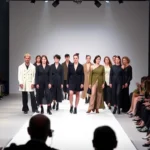
The Victoria’s Secret Fashion Show 2017 remains one of the most talked-about moments in luxury lingerie and fashion history. This spectacular event, held in Shanghai, China, marked a pivotal moment for the brand as it expanded its global reach while maintaining its signature glamour and sophistication. The show featured an impressive lineup of 55 models, including the iconic Victoria’s Secret Angels, walking across a stage that transformed into a dazzling display of haute couture meets intimate apparel.
What made the 2017 show particularly significant was its cultural positioning and the way it bridged Western fashion sensibilities with Asian markets. The event showcased not just lingerie, but a complete lifestyle narrative that spoke to modern women about confidence, beauty, and self-expression. From the carefully curated musical performances to the meticulously designed runway segments, every element was orchestrated to create an unforgettable experience that would resonate across continents and social media platforms.
This behind-the-scenes exploration reveals the intricate planning, creative vision, and industry expertise that transformed Victoria’s Secret’s 2017 show into a landmark event. Understanding the mechanics of such a massive production offers valuable insights into how luxury brands maintain relevance, manage global audiences, and push creative boundaries in the competitive world of fashion.
Show Production & Logistics
Producing a Victoria’s Secret Fashion Show requires unprecedented coordination across multiple departments and international teams. The 2017 Shanghai show involved months of meticulous planning, with producers working across time zones to coordinate every detail. From securing the venue to arranging international travel for models, makeup artists, stylists, and production crew, the logistical undertaking was enormous.
The production team had to consider not only the aesthetic vision but also practical concerns like runway safety, lighting specifications, sound system requirements, and emergency protocols. Each segment of the show was timed down to the second, with models rehearsing their walks multiple times to ensure seamless transitions. The production involved over 200 crew members working behind the scenes, from set designers to technical specialists managing the elaborate lighting rigs and visual effects.
Understanding fashion show production mechanics is essential for anyone interested in fashion design schools and professional training. The 2017 show demonstrated how contemporary luxury brands orchestrate massive events that serve as both marketing tools and artistic statements. Budget considerations, sponsorship deals, and media rights negotiations all played crucial roles in bringing this vision to life on the Shanghai stage.
The venue selection itself was strategic—Shanghai represented Victoria’s Secret’s commitment to Asian markets and reflected the brand’s global ambitions. The production team transformed the space into a luxurious environment that conveyed elegance while accommodating thousands of attendees, photographers, and media personnel. Every architectural element, from the runway design to the seating arrangements, was carefully planned to create optimal viewing angles and photographic opportunities.
The Angel Lineup & Casting
The 2017 Victoria’s Secret Fashion Show featured an exceptional roster of models, both established Angels and emerging talent. The casting process for such an event involves rigorous selection criteria, considering not just physical attributes but also runway presence, brand alignment, and global appeal. Victoria’s Secret Angels are essentially brand ambassadors, and their selection reflects the brand’s positioning and aesthetic vision.
The lineup included supermodels like Kendall Jenner, Gigi Hadid, Bella Hadid, and other internationally recognized faces who bring significant social media followings and cultural relevance. Alongside these celebrities were the core Victoria’s Secret Angels—models who have worked exclusively or primarily with the brand. This mix of celebrity power and brand loyalty created a dynamic that appealed to diverse audience segments, from fashion enthusiasts to mainstream pop culture followers.
Casting for major fashion shows involves considerations that extend beyond finding your personal style—it’s about understanding market demographics, cultural representation, and brand narrative. The 2017 show’s diversity in model selection reflected evolving conversations about inclusivity in fashion, though these discussions continued to develop in subsequent years. Each model selected brought unique qualities that contributed to the overall aesthetic and message of the collection.
The preparation process for selected models was intensive. They underwent fittings, makeup tests, and rehearsals weeks before the actual show. Hair and makeup teams worked with individual models to create looks that complemented both the lingerie designs and the overall show aesthetic. The Angels’ fitness regimens, skincare routines, and styling choices became subjects of public fascination, with many fans attempting to replicate their looks and lifestyle choices.
Design Vision & Collections
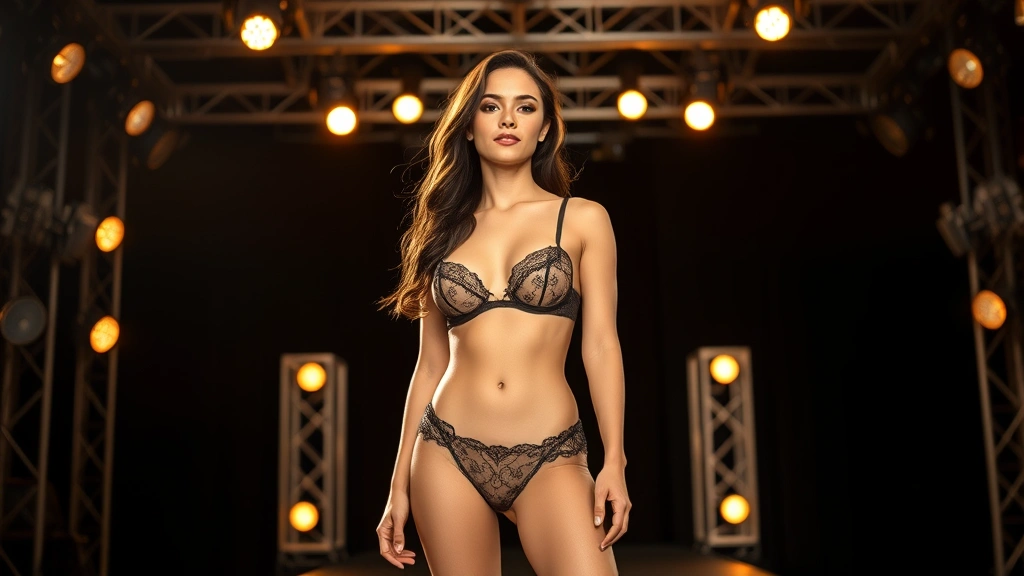
The 2017 collection represented Victoria’s Secret’s interpretation of contemporary luxury and sensuality. The designs featured a sophisticated palette of blacks, whites, golds, and pastels, with varying degrees of embellishment and transparency. Each segment of the show told a story through costume design, from romantic and ethereal to bold and empowering.
The creative team, led by Chief Design Officer Monica Mitro and her team, developed collections that balanced commercial appeal with artistic innovation. The lingerie pieces showcased advanced engineering in terms of fit and comfort while maintaining the brand’s signature aesthetic of glamour and desirability. The use of lace, silk, satin, and innovative fabrics demonstrated the technical sophistication behind seemingly simple designs.
One of the notable aspects of the 2017 show was how it integrated fashion trends visible in broader fashion history and modern trends. The designers drew inspiration from various sources, including art, architecture, and contemporary culture. The show featured themed segments that progressed through different aesthetic territories, each with distinct styling, music, and mood.
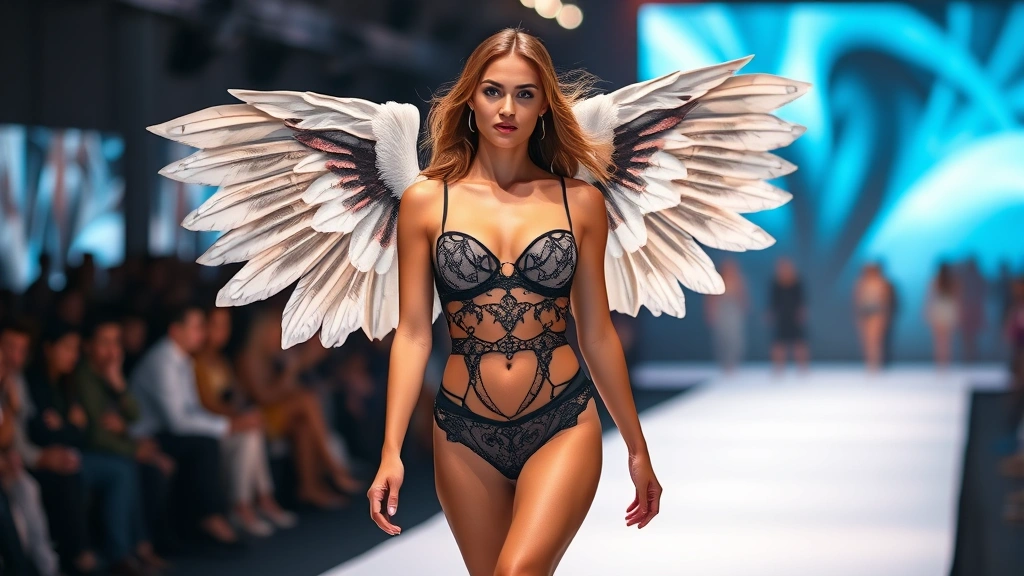
The production values extended to accessories, footwear, and props. Models wore carefully selected heels that complemented their segments without compromising runway safety. Wings—Victoria’s Secret’s iconic accessory—were redesigned and engineered to be lighter and more comfortable while maintaining their visual impact. These wings became Instagram-famous, with each design reflecting the specific theme and aesthetic of its segment.
Musical Performance & Entertainment
The 2017 show featured live musical performances that elevated the event beyond a typical fashion presentation. The carefully selected artists performed songs that energized the audience while complementing the visual narrative unfolding on the runway. Music selection played a crucial role in establishing the mood for different segments and maintaining audience engagement throughout the two-hour spectacle.
Live entertainment at fashion shows serves multiple purposes: it creates memorable moments for attendees, generates compelling video content for digital platforms, and enhances the overall brand experience. The 2017 show’s producers understood that in an era of viral content and social media dominance, performance moments needed to be spectacular enough to translate effectively across digital platforms while remaining impactful for live audiences.
The integration of music and fashion showcased how contemporary luxury brands create multisensory experiences. The sound design wasn’t incidental but integral to the show’s narrative arc. Different musical styles accompanied different segments, with transitions carefully orchestrated to maintain momentum and audience interest. This approach reflects broader trends in how brands, particularly those in fashion and cultural movements, use entertainment to create immersive brand experiences.
The performances also served as strategic media moments. Clips of musical performances generated millions of views on YouTube and social media platforms, extending the show’s reach far beyond the Shanghai venue. This understanding of digital distribution and viral potential influenced every production decision, from performance choreography to camera angles and editing strategies.
Cultural Impact & Market Strategy
Victoria’s Secret’s decision to hold the 2017 show in Shanghai represented a significant strategic shift toward Asian markets. China has emerged as a crucial market for luxury brands, with growing consumer purchasing power and increasing interest in Western fashion and lifestyle brands. The Shanghai location signaled Victoria’s Secret’s commitment to this market while also creating content that resonated with global audiences.
The show’s cultural positioning involved careful navigation of different market sensibilities. What appeals to American audiences might require adjustments for Asian markets, and the production team had to balance global brand consistency with local market considerations. This complexity is precisely what makes such productions fascinating case studies for understanding modern luxury brand management.
From a business perspective, the 2017 show generated significant media coverage, social media engagement, and brand awareness. The event was streamed online, making it accessible to millions of viewers worldwide. This democratization of luxury fashion content—allowing people who couldn’t attend in person to experience the show virtually—represents a fundamental shift in how luxury brands engage audiences. It’s a strategy that aligns with broader discussions about fashion communication and digital engagement in contemporary media landscapes.
The show also influenced consumer purchasing behavior and fashion trends. Pieces featured in the show became bestsellers, and the specific styling, makeup looks, and hair trends showcased at the event were replicated by consumers worldwide. This trickle-down effect from runway to retail is a fundamental mechanism through which fashion shows drive commercial success.
Backstage Secrets & Preparation
Behind every spectacular fashion show moment lies extensive preparation and countless small decisions that collectively create magic. The backstage area of the 2017 Victoria’s Secret show was a carefully orchestrated operation where hair, makeup, wardrobe, and timing teams worked in perfect synchronization.
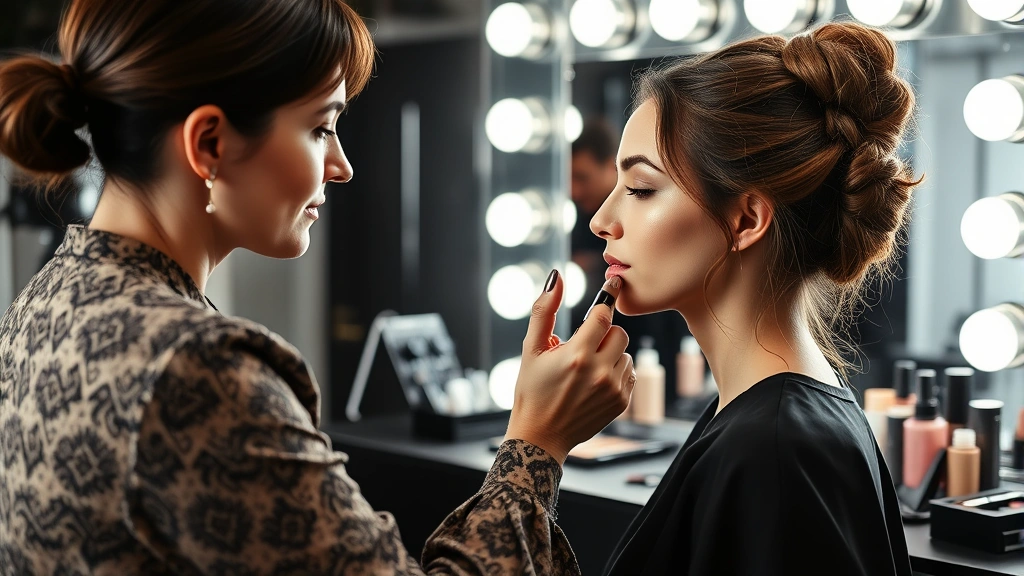
Hair and makeup stations were set up with precision, with multiple artists working simultaneously to prepare models for their segments. Each model’s look was created according to specific designs developed during pre-show planning sessions. The makeup artists referenced mood boards, color palettes, and design sketches to ensure consistency within segments while allowing for individual variation that showcased each model’s unique features.
Wardrobe teams managed the logistics of getting models into correct pieces, ensuring proper fit, and making any necessary adjustments moments before runway appearance. The coordination required between design, production, and wardrobe teams was extraordinary—one delay could cascade through the entire schedule. This is where meticulous planning and experienced crew members prove invaluable.
The backstage energy captured in behind-the-scenes footage revealed the professional atmosphere mixed with creative excitement. Models, despite their experience, still felt nervous before their segments. Makeup artists provided last-minute touch-ups, stylists adjusted hair, and production assistants cued models for their runway entrances. This human element—the real emotions and interactions happening away from cameras—forms an essential part of the fashion show experience.
Hydration, nutrition, and wellness were carefully managed for models throughout the event. Backstage areas included water stations, healthy snacks, and rest areas. Production teams understood that models needed to maintain energy and composure throughout the show, and providing proper support was essential for both performance quality and model wellbeing.
Technology & Digital Innovation
The 2017 Victoria’s Secret show represented the intersection of traditional fashion spectacle and cutting-edge digital technology. While the live event remained central, the production team invested heavily in capturing and distributing content across multiple digital platforms simultaneously.
Professional cameras positioned throughout the venue captured footage from multiple angles, allowing for sophisticated editing and multiple content outputs. Some footage was edited for broadcast television, other content was optimized for social media platforms with different aspect ratios and length requirements. This multi-platform approach maximized reach and ensured the show remained relevant across diverse audience segments and consumption habits.
Lighting technology played a crucial role in creating visual spectacle. Advanced lighting rigs allowed for rapid changes in mood and atmosphere, supporting the progression through different themed segments. The runway itself featured integrated lighting that could highlight specific elements of designs or create dramatic effects that enhanced the visual impact of collections.
Sound technology ensured that music and performances reached every attendee with optimal quality. Professional audio engineers managed complex sound requirements, coordinating live performances with backing tracks and ensuring seamless transitions between segments. The technical sophistication required for such productions often goes unnoticed by audiences but represents significant expertise and investment.
Social media integration was another technological consideration. Production teams understood that real-time sharing and viral moments drive engagement, so the show was designed with Instagram, Twitter, and YouTube in mind. Dramatic moments, stunning visuals, and celebrity appearances were strategically positioned to generate social media content that extended the show’s reach far beyond the live venue.
FAQ
When was the Victoria’s Secret 2017 Fashion Show held?
The 2017 Victoria’s Secret Fashion Show took place in November in Shanghai, China, marking the first time the event was held outside the United States.
Who were the main models in the 2017 show?
The show featured a mix of Victoria’s Secret Angels and celebrity models, including Kendall Jenner, Gigi Hadid, Bella Hadid, and other internationally recognized supermodels alongside core Angels.
Why did Victoria’s Secret move the show to Shanghai?
The shift to Shanghai represented a strategic decision to expand into Asian markets and demonstrate Victoria’s Secret’s commitment to global audiences while capitalizing on China’s growing luxury consumer base.
How long did it take to plan the 2017 show?
Planning for a show of this magnitude typically begins several months in advance, involving coordination across design, production, casting, and logistics teams working across multiple continents.
Was the 2017 show televised or streamed online?
Yes, the show was broadcast on television and streamed online, making it accessible to millions of viewers worldwide who couldn’t attend the live event in Shanghai.
What was the theme of the 2017 collection?
The collection featured themed segments progressing through different aesthetic territories, incorporating elements of romance, empowerment, luxury, and contemporary fashion sensibilities with Victoria’s Secret’s signature glamour.
How many people were involved in producing the show?
Over 200 crew members worked on the production, including designers, makeup artists, stylists, technical specialists, photographers, and logistical coordinators.
What made the 2017 show different from previous years?
The international location, expanded focus on Asian markets, scale of production, and strategic integration of digital platforms distinguished the 2017 show as a landmark event in Victoria’s Secret’s history.
How can I learn more about fashion show production?
Exploring resources like fashion blogs and industry publications provides insights into production processes, while fashion design education programs offer formal training in event production and fashion industry practices.