Fashion Representatives: Who Are They? Expert Insights
In the dynamic world of fashion, fashion representatives serve as essential connectors between creative talent and commercial opportunity. These professionals operate behind the scenes, shaping careers, negotiating deals, and ensuring that designers, models, and brands reach their fullest potential. Whether you’re aspiring to break into the industry or simply curious about how fashion works, understanding the role of fashion representatives is crucial to comprehending the intricate ecosystem that produces the trends we see on runways and in stores.
Fashion representatives wear many hats—they’re strategists, negotiators, mentors, and sometimes visionaries who spot talent before the world does. From scouting emerging designers to managing relationships with luxury conglomerates, these professionals are the backbone of the fashion industry. This comprehensive guide explores who fashion representatives are, what they do, and how they shape the future of style and design.
Understanding the Fashion Representative Role
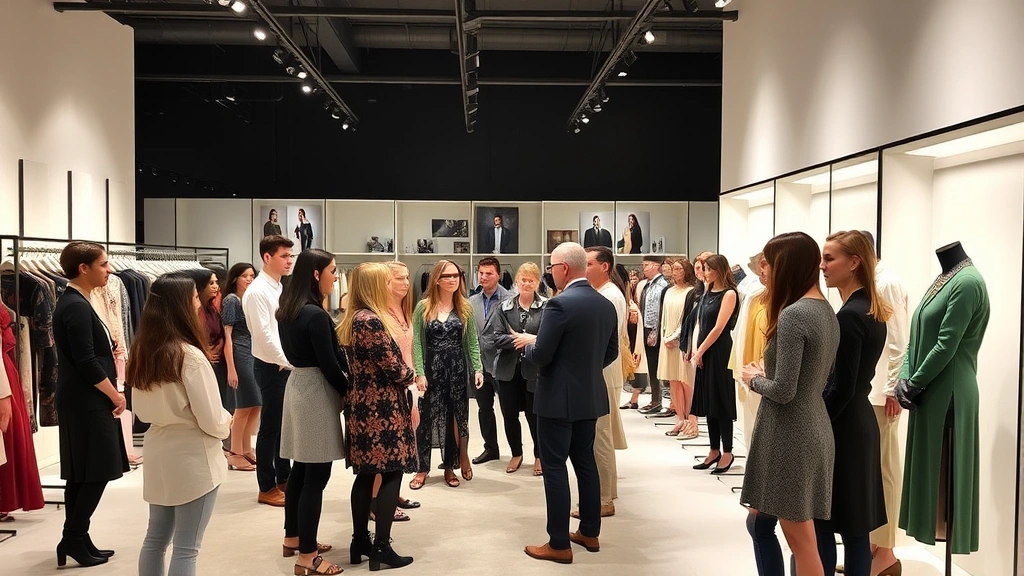
A fashion representative is a professional advocate and business manager for fashion entities—whether that’s an individual designer, an established brand, a model, or a fashion house. These individuals possess an intricate understanding of market dynamics, creative vision, and commercial viability. They’re tasked with positioning their clients in the best possible light while securing opportunities that align with both financial goals and artistic integrity.
The role has evolved significantly over the decades. What once meant primarily representing models at agencies has expanded into a multifaceted profession encompassing brand management, designer representation, showroom coordination, and strategic business development. Modern fashion representatives must be part creative consultant, part business executive, and part diplomat, navigating the sometimes-contentious relationship between art and commerce.
Understanding this role is essential for anyone looking to work with designers or brands. When you explore StyleLoom Daily Blog, you’ll find numerous examples of how strong representation has transformed fashion careers and elevated emerging talent to international prominence.
Fashion representatives typically work within talent agencies, independent representation firms, or as freelance consultants. They maintain extensive networks across the industry—from magazine editors and retailers to luxury conglomerates and digital influencers. This connectivity is perhaps their most valuable asset, as it opens doors that would otherwise remain closed for their clients.
Types of Fashion Representatives
The fashion representation landscape includes several distinct categories, each requiring specialized knowledge and different skill sets:
- Model Representatives: These professionals work for modeling agencies and represent models of all types—runway, commercial, plus-size, and specialty models. They negotiate contracts, secure bookings, and manage the model’s public image and career trajectory.
- Designer Representatives: These individuals advocate for fashion designers, helping them secure production partnerships, distribution deals, and retail placements. They understand the technical and financial aspects of bringing collections to market.
- Brand Representatives: Working directly for fashion houses or brands, these professionals manage relationships with retailers, media, and consumers. They’re instrumental in maintaining brand identity and expanding market reach.
- Showroom Representatives: Operating from physical or digital showrooms, these professionals present collections to buyers and retailers, facilitating wholesale transactions that get designs into stores.
- Sales Representatives: Focused primarily on revenue generation, fashion sales representatives manage client relationships with retailers and distributors, ensuring product placement and sales targets are met.
- Digital and Influencer Representatives: In today’s landscape, these newer representatives manage relationships between fashion brands and digital content creators, influencers, and social media personalities.
Each type of fashion representative requires distinct expertise. For instance, someone representing models needs to understand casting calls, contract law, and image management, while a designer representative must grasp production costs, supply chain management, and market positioning. Explore Types of Fashion to understand how different fashion segments operate and influence representation strategies.
Key Responsibilities and Duties
Fashion representatives shoulder a diverse array of responsibilities that extend far beyond simple booking management. Their duties form the foundation upon which successful fashion careers are built:
Negotiation and Contract Management: Representatives are skilled negotiators who secure favorable terms for their clients. Whether negotiating appearance fees, commission structures, or exclusivity clauses, they ensure their clients receive fair compensation and favorable contract terms. They review agreements, identify potential pitfalls, and advocate fiercely for their clients’ interests.
Opportunity Identification and Placement: With their extensive industry networks, representatives constantly scout for opportunities aligned with their client’s brand and career goals. This might include Fashion Week NYC 2025 presentations, retail partnerships, or collaboration opportunities with complementary brands.
Brand Development and Strategy: Representatives work with their clients to develop a cohesive brand narrative. They advise on positioning, help identify target markets, and ensure all client activities reinforce a consistent brand identity. This strategic guidance can be the difference between a fleeting trend and lasting success.
Media Relations and Publicity: Fashion thrives on visibility. Representatives cultivate relationships with fashion editors, journalists, bloggers, and digital media outlets. They pitch stories, secure press coverage, and manage their client’s public perception.
Financial Management and Oversight: While not necessarily accountants, representatives understand finances. They track earnings, manage commissions, ensure timely payments, and provide clients with clear financial reporting. This transparency builds trust and allows clients to make informed business decisions.
Crisis Management: When controversies arise—and in fashion, they occasionally do—representatives protect their client’s reputation. They develop response strategies, manage communications, and work to minimize damage while preserving long-term brand integrity.
How Representatives Build Successful Careers
Becoming a successful fashion representative requires a combination of natural talent, acquired skills, and strategic positioning within the industry. Here’s how the most effective representatives build thriving careers:
Building Authentic Networks: The foundation of representation success is genuine relationship-building. Top representatives invest time in cultivating connections—attending industry events, maintaining regular contact with key players, and offering value to their network even before they need something in return. These relationships become invaluable when opportunities arise.
Developing Industry Expertise: Successful representatives possess deep knowledge of their niche. They understand market trends, consumer behavior, retail dynamics, and creative standards. They read industry publications, attend fashion shows, and continuously educate themselves about emerging trends. Check out Fall Fashion Trends 2025 to see how staying current with trend forecasting informs representation strategy.
Cultivating Strong Communication Skills: Representation is fundamentally about communication—translating a designer’s vision to retailers, explaining a brand’s value proposition to media, or negotiating between parties with competing interests. Representatives who excel are typically excellent communicators who can adapt their message to different audiences.
Demonstrating Results: In fashion as in any business, results matter. Successful representatives build their reputation by delivering tangible outcomes for their clients—securing major placements, increasing sales, generating media coverage, or launching successful collections. These proven results attract new clients and command higher commissions.
Specialization and Differentiation: Rather than trying to represent everything, successful representatives often specialize. Some focus exclusively on sustainable fashion, others on emerging designers, still others on luxury heritage brands. This specialization allows them to develop unparalleled expertise and attract clients seeking that specific focus.
The Impact on Industry Standards
Fashion representatives don’t simply facilitate transactions—they actively shape industry standards and practices. Their collective influence drives important changes:
Diversity and Representation: Progressive representatives actively work to increase diversity within fashion. They champion underrepresented designers, seek out models from varied backgrounds, and push brands to expand their representation. This advocacy has gradually shifted industry standards toward greater inclusivity.
Ethical Sourcing and Sustainability: As consumers increasingly demand ethical fashion, representatives guide their clients toward sustainable practices. They help brands navigate certifications, source responsibly, and communicate their environmental commitments authentically. Discover more about evolving fashion values at Fashion Nova Tracking, which explores how brands are adapting to modern consumer expectations.
Fair Compensation and Worker Protection: Representatives advocate for fair wages and safe working conditions throughout the supply chain. They refuse to work with partners who exploit workers, and they negotiate contracts that ensure designers and makers receive appropriate compensation for their creative labor.
Digital Integration: As fashion rapidly digitizes, representatives push the industry toward embracing new technologies. They help clients leverage social media, e-commerce platforms, virtual fashion shows, and digital design tools, ensuring their clients remain competitive in an increasingly digital landscape.
Navigating the Digital Age
The digital revolution has fundamentally transformed fashion representation. Today’s representatives must navigate an entirely different landscape than their predecessors:
Social Media Management: Effective representation now includes managing or overseeing social media presence. Representatives help clients develop content strategies, engage with followers, and build authentic digital communities. A single viral post can create opportunities or crises, making digital savvy essential.
Data Analytics and Insights: Digital platforms provide unprecedented data about consumer preferences, engagement patterns, and market trends. Sophisticated representatives leverage this data to inform strategy, identify opportunities, and measure campaign effectiveness.
Direct-to-Consumer Opportunities: Digital platforms have democratized fashion, allowing designers to reach consumers directly without traditional retail intermediaries. Representatives now help clients navigate e-commerce, digital marketing, and direct customer relationships—skills that weren’t necessary a decade ago.
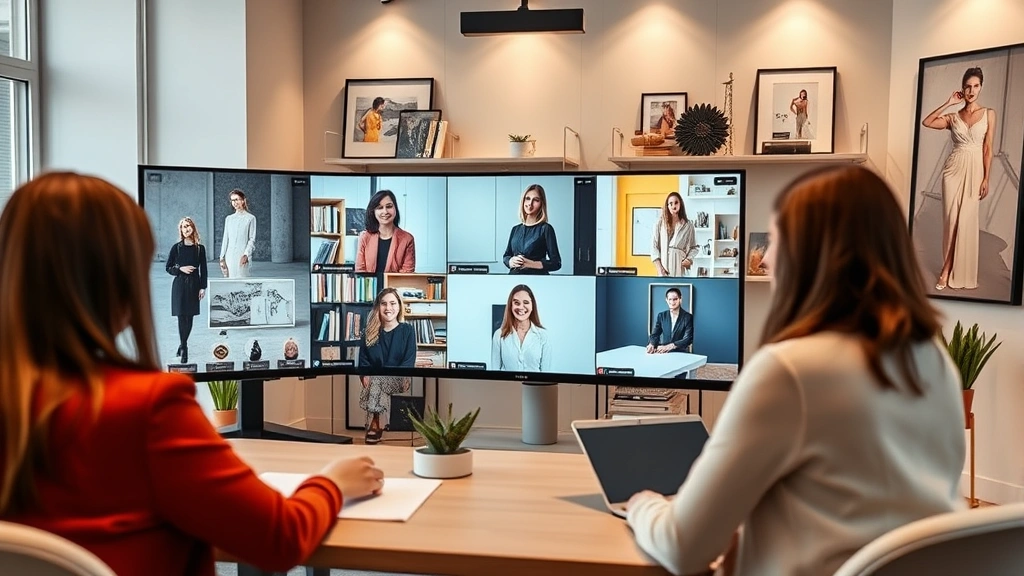
Virtual and Hybrid Events: The pandemic accelerated adoption of virtual fashion shows and digital presentations. Representatives must now orchestrate both physical and digital experiences, reaching global audiences without geographical limitations.
Influencer and Creator Partnerships: The rise of fashion influencers and content creators has created new representation opportunities. Representatives broker partnerships between brands and creators, ensuring authentic collaborations that benefit all parties.
Understanding how personal style develops in this digital environment is crucial. Learn more about How to Find Your Personal Style, which explores how modern consumers navigate fashion choices in an increasingly digital world.
The most successful contemporary representatives balance traditional relationship-building skills with cutting-edge digital expertise. They understand that while technology has changed the tools, the fundamental principle remains: connecting the right people with the right opportunities at the right time.
FAQ
What qualifications do fashion representatives need?
While there’s no single required degree, successful fashion representatives typically have a background in business, marketing, communications, or fashion. More importantly, they need industry connections, business acumen, negotiation skills, and a genuine passion for fashion. Many representatives begin in entry-level positions within agencies or showrooms, learning the business from experienced mentors.
How much do fashion representatives earn?
Compensation varies widely based on experience, specialization, and client success. Many representatives work on commission, earning a percentage (typically 10-20%) of their client’s earnings. Others earn salaries if employed by agencies. Top representatives working with successful clients can earn substantial incomes, while those just starting out may earn modest salaries supplemented by commission.
How do I find a fashion representative?
Finding representation depends on your role. Models typically approach modeling agencies directly or are scouted. Designers often reach out to representation firms that specialize in their niche, or they network at industry events to connect with independent representatives. Building a strong portfolio and establishing credibility in your niche increases the likelihood that representatives will approach you.
What’s the difference between a fashion representative and a talent agent?
While the terms are sometimes used interchangeably, talent agents typically represent people (models, actors), while fashion representatives may represent people, brands, or collections. Agents usually work within larger agencies with established structures, while representatives might work independently or for specialized firms. The distinction has become increasingly blurred as the industry evolves.
Can fashion representatives work independently?
Absolutely. Many successful fashion representatives operate as independent consultants, representing a carefully curated roster of clients. This approach allows for greater flexibility and often stronger personal relationships with clients, though it requires the representative to handle all business operations independently.
How has social media changed fashion representation?
Social media has democratized fashion visibility, allowing emerging designers and models to build audiences directly. Representatives must now understand digital marketing, content creation, and influencer dynamics. However, this hasn’t diminished the value of representation—if anything, it’s made strategic guidance more valuable as the landscape becomes more complex.