
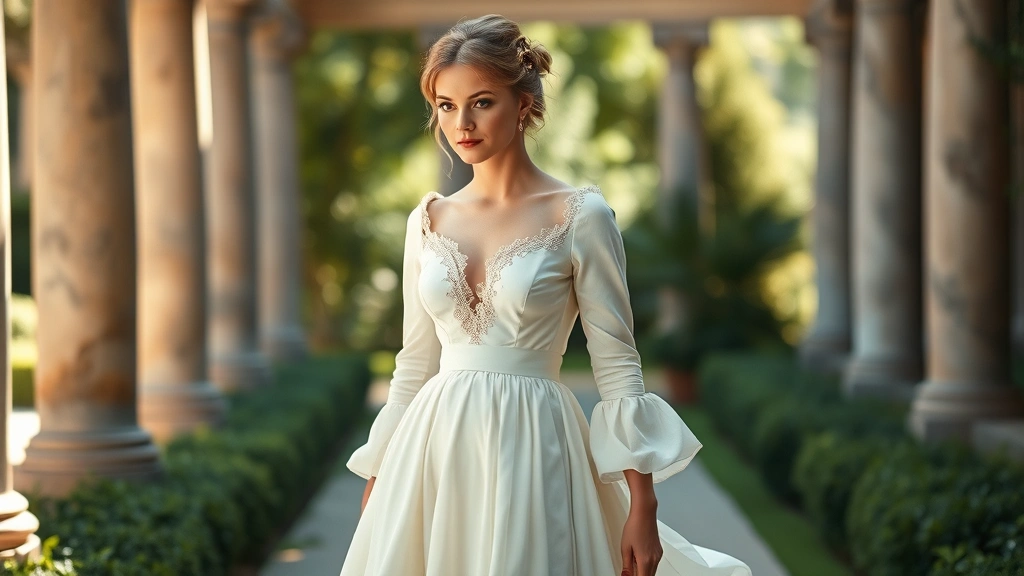
Regency Fashion Comeback? Historian Insights into the Era’s Timeless Appeal
The Regency era, spanning from 1811 to 1820, represents one of fashion history’s most elegant and refined periods. Characterized by high waistlines, flowing silhouettes, and classical influences, Regency fashion has transcended time to become a major trend in contemporary style. What was once confined to historical textbooks and period dramas has now captured the imagination of modern fashion enthusiasts, designers, and cultural influencers worldwide. This resurgence isn’t merely nostalgia—it’s a deliberate return to principles of elegance, femininity, and sophistication that resonate deeply with today’s fashion-conscious consumers.
The popularity of television adaptations, particularly the Netflix series “Bridgerton,” has undeniably amplified interest in Regency aesthetics. However, historians and fashion experts argue that the comeback runs far deeper than screen entertainment. It reflects a broader cultural shift toward valuing timeless design principles over fast fashion trends, celebrating craftsmanship, and seeking inspiration from periods when clothing conveyed status, artistry, and personal identity. Understanding why Regency fashion resonates so powerfully today requires examining both historical context and contemporary cultural values.
The Historical Foundation of Regency Fashion
The Regency period emerged during a transformative moment in British history. Prince George, later King George IV, assumed the role of Prince Regent due to his father’s mental illness, creating a decade of cultural flourishing known as the Regency era. This period coincided with the Napoleonic Wars, yet paradoxically, it became an age of unprecedented artistic, literary, and sartorial innovation. Fashion during this time was heavily influenced by classical Greek and Roman aesthetics, a movement known as Neoclassicism that dominated visual arts across Europe.
Women’s fashion underwent a dramatic transformation during the Regency years. The restrictive corsetry of the Georgian era gave way to high-waisted empire silhouettes that emphasized the bust and created elongated, graceful lines. Fabrics became lighter and more diaphanous, with muslin becoming the fabric of choice for fashionable ladies. Men’s fashion, too, evolved significantly—tailoring became more refined, with emphasis on well-fitted coats, breeches, and an overall aesthetic that valued understated elegance over ostentatious ornamentation. Understanding the complete fashion history timeline provides crucial context for appreciating how the Regency period influenced subsequent fashion movements.
The Regency aesthetic wasn’t simply about clothing—it represented a philosophy of beauty grounded in classical principles. Symmetry, proportion, and restraint were valued over excessive decoration. This approach to fashion design created garments that were simultaneously sensual and refined, demonstrating that elegance and femininity need not rely on restrictive or uncomfortable construction. The era celebrated the natural human form while maintaining propriety and social conventions, a balance that many contemporary designers still strive to achieve.
Key Design Elements That Define the Era
Several distinctive design elements characterize authentic Regency fashion, and understanding these features helps explain why the aesthetic translates so effectively to modern wardrobes. The empire waistline, positioned directly beneath the bust, is perhaps the most iconic Regency silhouette. This placement creates vertical elongation and emphasizes the upper body while allowing comfortable movement through the skirt. Unlike Victorian corsetry, Regency gowns provided structural support without severely restricting the wearer’s mobility or breathing.
Fabrics and textures played crucial roles in Regency fashion. Muslin, cotton, linen, and silk were preferred materials, often featuring delicate patterns or remaining elegantly plain. The lightweight nature of these fabrics created the characteristic flowing, ethereal quality associated with the era. Embellishments, when present, were carefully considered—delicate embroidery, lace trim, and subtle beading enhanced garments without overwhelming them. This restraint in ornamentation reflects the classical influence that permeated Regency design philosophy.
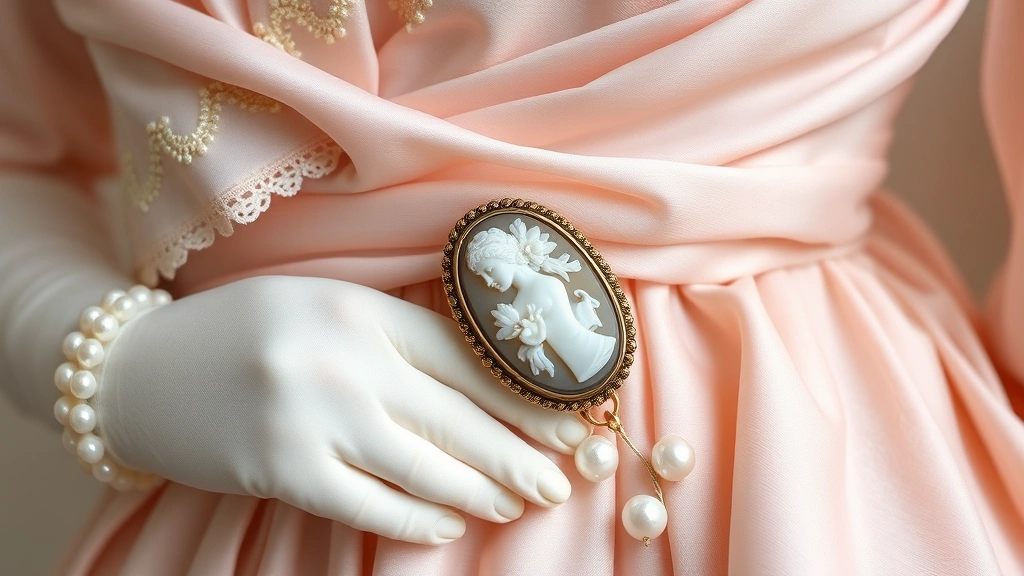
Color palettes during the Regency era were notably sophisticated. Pastels—soft whites, pale yellows, blush pinks, and lavender—dominated women’s daywear, while deeper jewel tones and rich hues appeared in evening wear. Men typically wore darker, more neutral tones, with emphasis on quality tailoring and fit rather than color variation. Accessories were equally important: long gloves, bonnets with decorative ribbons, reticules (small drawstring bags), and jewelry completed the look. The attention to accessorizing demonstrates that Regency fashion was never about individual pieces in isolation but rather about creating cohesive, thoughtfully composed ensembles.
Silhouettes for both men and women emphasized verticality and proportion. High necklines, often featuring delicate ruching or gathering, framed the face elegantly. Sleeves ranged from short and puffed to long and fitted, adapting to the season and occasion. Hemlines fell just above the ankle, revealing fashionable slippers or half-boots. This overall aesthetic created an impression of grace, refinement, and intentionality—qualities that resonate powerfully with contemporary fashion sensibilities.
Why Modern Fashion Embraces Regency Aesthetics
The contemporary fashion world’s embrace of Regency aesthetics reflects several interconnected cultural trends. First, there’s a growing rejection of fast fashion’s disposability in favor of timeless, investment-worthy pieces. Regency fashion, by its very nature, prioritizes quality construction, classic silhouettes, and enduring appeal over trendy gimmicks. Modern consumers increasingly recognize that clothing designed according to classical proportions and principles remains relevant across decades, making Regency-inspired pieces genuinely sustainable fashion choices.
Second, the Regency era represents a period when fashion was deeply connected to femininity without sacrificing agency or comfort. Modern women find inspiration in an era that celebrated softness, elegance, and beauty while allowing for intellectual and social participation. The Regency period produced extraordinary female writers, including Jane Austen, whose novels brilliantly captured the era’s social dynamics and female perspectives. This cultural context adds depth to fashion choices inspired by the period—wearing Regency-influenced clothing becomes a way of connecting with a moment when women’s voices, though constrained by historical standards, still managed to create lasting cultural impact.
Third, Regency fashion offers a counterpoint to contemporary fashion’s often contradictory demands. While modern style frequently pushes toward minimalism or maximum impact, Regency aesthetics occupy a sophisticated middle ground. The era’s emphasis on proportion, restraint, and timeless elegance provides a framework for personal style that feels both distinctive and enduring. When finding your personal style, many discover that classical principles underlying Regency fashion offer reliable guidance.
Additionally, the rise of social media and digital culture has paradoxically increased interest in historical fashion. Platforms like Pinterest and Instagram facilitate the sharing and celebration of period aesthetics, while streaming services make historical dramas accessible to global audiences. The visual beauty of Regency fashion translates exceptionally well to digital platforms, where flowing silhouettes, soft color palettes, and elegant compositions create aesthetically compelling content that drives engagement and inspiration.
Regency Influence on Contemporary Designers
Leading fashion houses and independent designers have increasingly incorporated Regency elements into their collections. Luxury brands recognize that the era’s design principles—emphasis on proportion, quality fabrication, and timeless silhouettes—align with contemporary desires for sustainable, investment-quality fashion. Designers like Needle & Thread, known for romantic, ethereal gowns, directly reference Regency aesthetics in their collections. Similarly, luxury brands such as Self-Portrait and Ganni have created pieces featuring high waistlines, flowing skirts, and delicate embellishments that echo Regency sensibilities.
High fashion’s engagement with Regency aesthetics extends beyond direct replication. Many contemporary designers use the era as inspiration for exploring femininity, proportion, and classical beauty standards. Fashion historian and critic Sarah Gordon notes that Regency fashion provides designers with a sophisticated vocabulary for discussing elegance without relying on restrictive construction or uncomfortable garment engineering. The empire waistline, for instance, allows modern designers to create figure-flattering silhouettes that work across diverse body types while maintaining the aesthetic sophistication associated with the era.
Independent designers and small fashion brands have found particular success in the Regency revival. Etsy sellers and boutique fashion creators offer meticulously crafted pieces that authentically interpret Regency aesthetics while incorporating modern construction techniques and sizing standards. This democratization of Regency-inspired fashion has made the aesthetic accessible beyond luxury price points, allowing broader audiences to participate in the trend. The Style Loom Daily Blog regularly features emerging designers working with historical inspiration to create contemporary pieces.
How to Incorporate Regency Elements into Modern Wardrobes
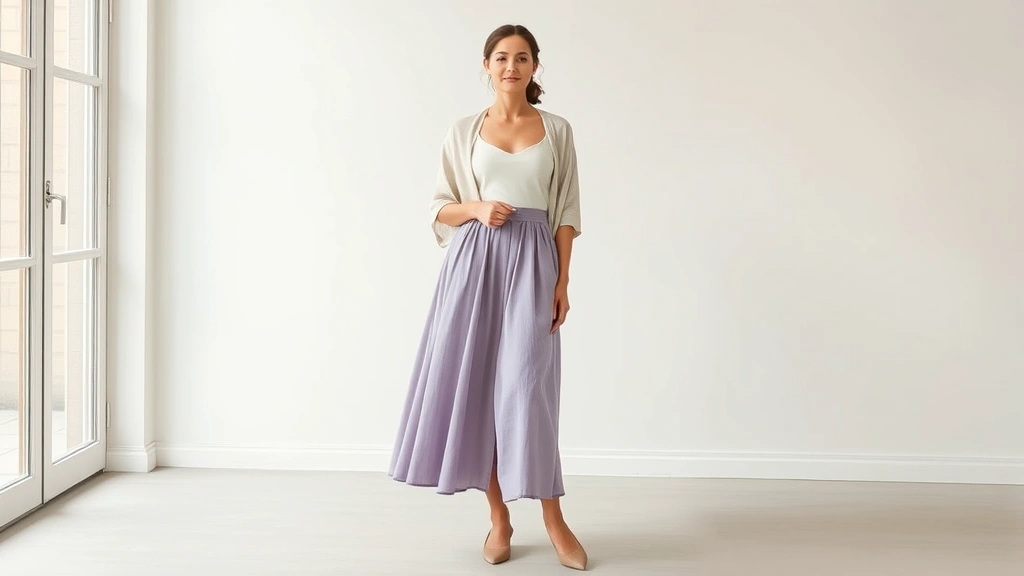
Integrating Regency fashion elements into contemporary wardrobes needn’t mean adopting full period costume. Instead, thoughtful incorporation of key design principles creates a sophisticated, distinctive personal style. Starting with silhouette is most effective—pieces featuring empire waistlines, whether dresses, tops, or even structured corset-style belts, immediately evoke Regency aesthetics while remaining contemporary. Pairing a high-waisted skirt with a fitted top creates the characteristic Regency proportion and can be styled with modern accessories for a fresh interpretation.
Fabric selection significantly influences how Regency elements read in modern contexts. Choosing lightweight, flowing materials—cotton, linen, silk, or quality blends—creates the ethereal quality associated with the era. These fabrics also offer practical advantages for contemporary living, providing comfort and breathability. Soft, draped fabrics in neutral or pastel tones create an effortlessly elegant aesthetic that works across multiple occasions and seasons.
Embellishment and ornamentation can be applied selectively. Rather than heavily decorated garments, choose pieces featuring subtle details: delicate lace trim, understated embroidery, or refined beading. This restrained approach to decoration aligns with both Regency principles and contemporary aesthetic preferences. A simple gown elevated by carefully placed lace at the neckline or hem creates sophistication without appearing costume-like.
Accessories deserve particular attention when incorporating Regency elements. Long gloves, delicate jewelry, and structured handbags enhance Regency-inspired outfits while remaining practical for modern life. A simple empire-waist dress becomes distinctly Regency-influenced when styled with period-appropriate accessories. Consider adding a shawl or pelisse (a lightweight outer layer), which provides both practical warmth and authentic period detail.
Footwear choices should complement the overall aesthetic. Regency-inspired outfits pair beautifully with ballet flats, delicate heeled slippers, or period-accurate boots. The key is maintaining proportion—shoes should be refined and elegant rather than heavy or overtly contemporary. This attention to detail demonstrates that authentically interpreting historical aesthetics requires considering every element of an outfit.
The Psychology Behind Historical Fashion Revivals
Fashion historians and psychologists note that historical fashion revivals typically respond to contemporary anxieties and desires. The current Regency fashion comeback reflects multiple psychological and cultural factors. During periods of rapid technological change and societal uncertainty, historical aesthetics provide a sense of stability and continuity. Regency fashion, with its emphasis on timeless principles and enduring beauty, offers reassurance that elegance and sophistication transcend momentary trends.
Additionally, historical fashion revivals often emerge as reactions against preceding trends. Following years of minimalism and the rise of athleisure, Regency fashion’s emphasis on femininity, ornamentation, and intentional dressing represents a deliberate shift. This cyclical pattern in fashion history demonstrates that style naturally oscillates between extremes, with historical periods providing templates for alternative aesthetic approaches. Understanding these cycles helps explain why certain eras resurface repeatedly while others remain dormant.
The concept of “romantic escapism” also plays a role. Regency fashion evokes a historical moment perceived as elegant, leisured, and aesthetically refined—even though historical reality was considerably more complex. This idealized version of the past appeals to contemporary consumers seeking respite from digital overwhelm and the pressures of modern life. Wearing Regency-inspired clothing becomes a form of gentle rebellion against fast fashion’s demands for constant novelty and consumption.
Furthermore, the Regency era’s association with literary greatness—Jane Austen, Lord Byron, Percy Bysshe Shelley—adds cultural cachet to the period’s aesthetics. Fashion doesn’t exist in isolation from literature, film, and broader cultural production. When audiences encounter Regency fashion through beloved literary adaptations or period dramas featuring compelling narratives, they develop emotional attachments to the aesthetic that transcend mere visual appreciation. This psychological connection makes Regency fashion feel meaningful rather than simply decorative.
Fashion scholars also note that historical revivals often reflect evolving attitudes toward femininity and gender expression. The Regency era, despite its historical constraints on women’s roles, produced fashion that celebrated softness and beauty without requiring physical restriction or discomfort. Contemporary women find this balance appealing—it offers an alternative to fashion narratives that equate femininity with either rigid corsetry or complete rejection of traditionally feminine aesthetics. Regency fashion demonstrates that femininity can be powerful, comfortable, and intellectually sophisticated simultaneously.
FAQ
What exactly defines Regency fashion?
Regency fashion, spanning 1811-1820, is characterized by empire waistlines positioned beneath the bust, high necklines, flowing skirts, and lightweight fabrics. The aesthetic was influenced by classical Greek and Roman design principles and emphasized proportion, restraint, and elegance over excessive ornamentation. Both men and women’s fashion featured refined tailoring and sophisticated color palettes.
How does Regency fashion differ from Victorian fashion?
While both periods valued propriety and elegance, Regency fashion was notably less restrictive than Victorian style. Regency gowns featured high waistlines and flowing skirts with minimal structure, allowing comfortable movement. Victorian fashion, emerging decades later, introduced the rigid corset and fuller, more heavily structured silhouettes. Regency fashion was lighter, more classically inspired, and less ornate than Victorian aesthetics.
Can I wear Regency-inspired fashion in contemporary settings?
Absolutely. Modern interpretations of Regency aesthetics work beautifully in contemporary contexts. Focusing on key elements—empire waistlines, flowing fabrics, soft color palettes, and refined accessories—creates sophisticated outfits suitable for casual, professional, and formal occasions. The key is selective incorporation rather than full historical costume.
Where can I find Regency-inspired clothing?
Luxury brands like Needle & Thread and Self-Portrait offer Regency-influenced pieces. Independent designers on platforms like Etsy create authentic interpretations. Additionally, vintage and antique clothing retailers sometimes stock original or reproduction Regency garments. Contemporary retailers increasingly offer pieces featuring empire waistlines and flowing silhouettes inspired by the era’s aesthetics.
Is Regency fashion sustainable?
Regency fashion principles align well with sustainable fashion values. The era emphasized quality construction, timeless design, and enduring beauty over trendy novelty. Investing in well-made pieces featuring classical silhouettes and proportions means clothing remains relevant and wearable across decades. This longevity reduces consumption and waste, making Regency-inspired fashion genuinely sustainable.
How does the “Bridgerton” series influence contemporary Regency fashion?
Netflix’s “Bridgerton” dramatically increased mainstream awareness and interest in Regency aesthetics. The series’ stunning costume design introduced millions of viewers to the era’s visual beauty, inspiring fashion consumers to seek similar pieces. However, historians note that the fashion comeback reflects deeper cultural shifts beyond screen entertainment—the series accelerated existing trends rather than creating them entirely.
What role do historians play in the Regency fashion revival?
Fashion historians provide essential context for understanding why Regency aesthetics resonate with contemporary consumers. They analyze the era’s cultural values, design principles, and social dynamics, helping modern audiences appreciate that Regency fashion represents more than nostalgic prettiness. Historians also guide designers and consumers toward authentic interpretations while acknowledging how modern construction techniques and sizing standards necessarily adapt historical designs for contemporary bodies and lifestyles. When exploring fashion design education, many institutions now incorporate historical analysis alongside contemporary design practices.