The fashion industry is one of the most dynamic and competitive sectors in the global economy, and fashion marketing jobs represent a golden opportunity for creative professionals who understand both style and strategy. Whether you’re passionate about luxury brands, sustainable fashion, or emerging designers, the path to landing your dream role in fashion marketing requires a combination of strategic planning, industry knowledge, and authentic passion for the craft.
Breaking into fashion marketing isn’t just about knowing the latest trends—it’s about understanding consumer psychology, brand storytelling, and digital-first marketing strategies that resonate with today’s fashion-forward audiences. This comprehensive guide will walk you through the essential steps, insider tips, and expert strategies to help you secure a coveted position in this exciting field. From building your personal brand to networking with industry leaders, we’ll cover everything you need to know to stand out from the competition and launch your career in fashion marketing.
Understanding the Fashion Marketing Landscape
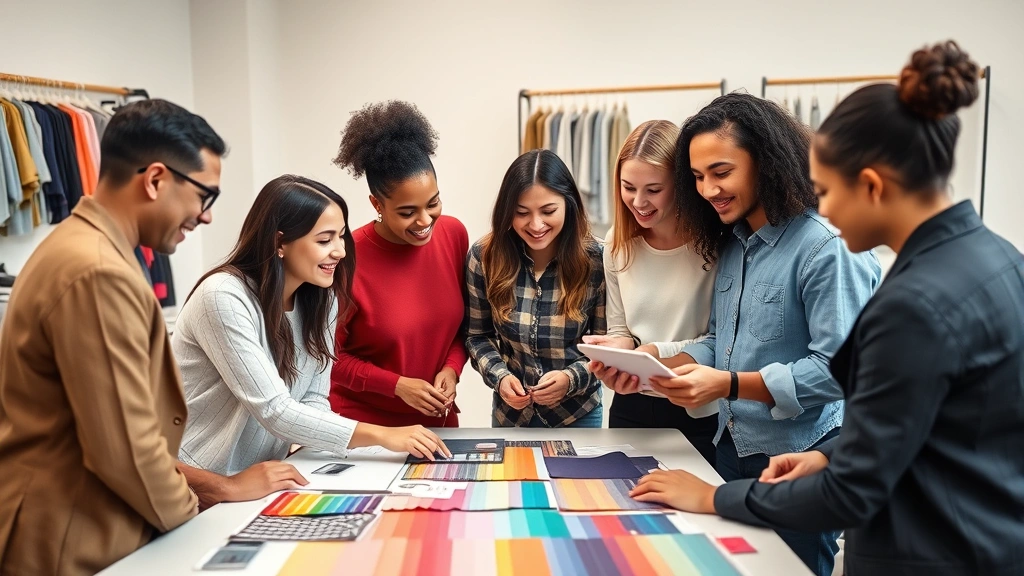
The fashion marketing industry has undergone a seismic shift over the past decade. Where traditional print advertising and runway shows once dominated, today’s landscape is characterized by influencer partnerships, social media strategy, data analytics, and omnichannel marketing campaigns. To successfully land fashion marketing jobs, you need to understand this evolving terrain and position yourself as someone who can navigate both legacy and cutting-edge marketing approaches.
Fashion marketing encompasses multiple specializations: brand management, digital marketing, social media strategy, content creation, market research, product positioning, and consumer engagement. Each of these areas requires different skill sets, but they all share a common thread: the ability to tell compelling stories that connect with fashion consumers on an emotional level. The best fashion marketers aren’t just trend forecasters—they’re cultural commentators who understand what drives purchasing decisions and brand loyalty.
The industry includes opportunities across different company sizes and structures. Luxury conglomerates like LVMH and Kering employ thousands of marketing professionals, while independent designers and emerging brands offer more intimate, creative environments. Department stores, e-commerce platforms, fashion publications, and marketing agencies all actively recruit talented marketing professionals. Understanding where your interests and strengths align within this ecosystem is crucial before you start your job search.
According to Vogue’s industry insights, the most in-demand fashion marketing positions currently focus on digital transformation, sustainability messaging, and personalization strategies. Brands are increasingly looking for marketers who understand how to leverage data to create targeted campaigns while maintaining authentic brand voice and values. This shift has created unprecedented opportunities for professionals who can blend creative thinking with analytical rigor.
Essential Skills and Qualifications
Succeeding in fashion marketing jobs requires a diverse skill set that combines creative talent with business acumen. While a fashion marketing degree or business degree with fashion focus is valuable, many successful professionals come from varied educational backgrounds—what matters most is demonstrating the right competencies.
Digital Marketing Expertise: Proficiency in digital marketing channels is non-negotiable. This includes social media marketing (Instagram, TikTok, Pinterest, LinkedIn), email marketing, SEO/SEM, content marketing, and marketing automation platforms. Brands want marketers who understand how algorithms work, can create viral-worthy content, and know how to measure ROI across digital channels.
Data Analysis and Insights: Modern fashion marketing is increasingly data-driven. Familiarity with analytics tools like Google Analytics, Tableau, or Salesforce is highly valuable. You should be comfortable interpreting consumer data, understanding market trends, and using insights to inform strategic decisions. Many positions now require basic knowledge of CRM systems and marketing automation.
Content Creation and Storytelling: The ability to craft compelling narratives that connect with audiences is fundamental. This includes written content, visual storytelling, video production concepts, and understanding how different platforms require different content approaches. Your ability to tell a brand’s story in authentic, engaging ways will set you apart from other candidates.
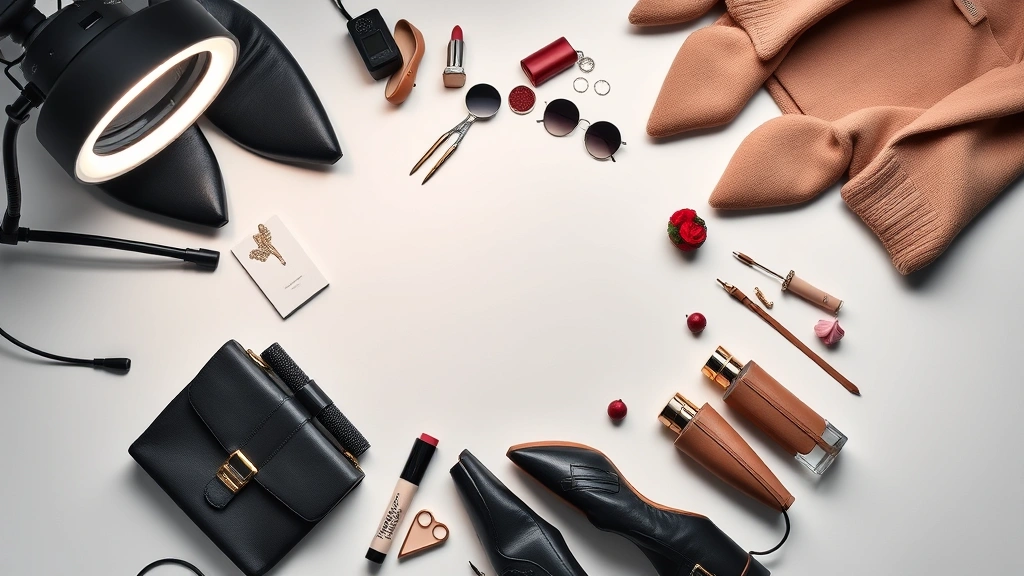
Visual and Aesthetic Sense: While you don’t need to be a designer, understanding design principles, color theory, and visual composition is essential. You should be able to collaborate effectively with creative teams and understand how visual elements communicate brand identity. This is what connects you to fashion style fundamentals that guide marketing decisions.
Brand Strategy Knowledge: Understanding brand positioning, market segmentation, consumer psychology, and competitive analysis is crucial. You should be able to articulate why a brand exists, who its target audience is, and what makes it unique in the marketplace.
Communication and Project Management: Marketing is inherently collaborative. Strong communication skills, the ability to manage multiple projects simultaneously, and proficiency with project management tools are essential. You’ll work with designers, photographers, product teams, executives, and external agencies—clear communication is paramount.
Adaptability and Trend Awareness: The fashion industry moves at lightning speed. You need to stay current with types of fashion and emerging trends while understanding which trends are meaningful for your brand versus which are fleeting. This requires voracious consumption of fashion media, trend forecasting reports, and cultural commentary.
Building Your Professional Brand
Before you apply for fashion marketing jobs, you need to build a compelling personal brand that demonstrates your expertise and passion. Your personal brand is your calling card—it shows potential employers that you practice what you preach and understand the power of brand storytelling.
Create a Strong Social Media Presence: Your Instagram, LinkedIn, and TikTok accounts should reflect your fashion knowledge and marketing expertise. Share insights about fashion trends, analyze brand campaigns, create original content that demonstrates your understanding of what resonates with audiences, and engage authentically with fashion communities. This isn’t about having millions of followers—it’s about demonstrating genuine expertise and engagement within your niche.
Develop a Professional Website or Portfolio: Create a clean, well-designed online portfolio that showcases your work, insights, and perspective on fashion marketing. Include case studies of campaigns you’ve worked on (with proper confidentiality considerations), blog posts analyzing fashion brands, or marketing analysis pieces. This demonstrates that you can execute on brand-building principles.
Write and Publish Content: Start a fashion marketing blog, contribute to industry publications, or write thought leadership pieces on Medium or LinkedIn. Topics might include emerging marketing trends in fashion, analysis of successful brand campaigns, the intersection of sustainability and marketing, or how specific brands have evolved their positioning. This establishes you as someone who thinks deeply about the industry.
Engage with Fashion Communities: Participate actively in fashion marketing discussions on LinkedIn, join professional organizations like the Fashion Marketing Association, attend industry events and webinars, and engage with fashion brands and influencers online. This visibility positions you as someone genuinely invested in the industry.
Document Your Learning Journey: Share your process of learning about fashion marketing—courses you’re taking, books you’re reading, conferences you’re attending, or skills you’re developing. This shows employers that you’re committed to continuous growth and professional development.
Crafting a Winning Resume and Portfolio
Your resume and portfolio are your first opportunities to impress hiring managers. For fashion marketing jobs, these documents need to do more than list responsibilities—they need to tell a compelling story about your impact and potential.
Resume Strategy: Rather than using a generic template, create a resume that reflects fashion industry sensibilities—clean design, strong typography, thoughtful use of white space, and visual hierarchy that guides the reader’s eye. Include a brief professional summary that articulates your unique value proposition in the fashion marketing space. Use metrics and results-oriented language: “increased Instagram engagement by 150%,” “launched product campaign that exceeded sales targets by 35%,” or “developed content strategy that reduced customer acquisition cost by 20%.”
Highlight Relevant Experience: Even if you haven’t worked directly in fashion yet, emphasize experiences that demonstrate marketing competency. Digital marketing internships, social media management, event coordination, content creation, or even personal projects that showcase strategic thinking are all valuable. Connect these experiences to fashion marketing competencies.
Portfolio Development: Create a portfolio that includes campaign analysis, content you’ve created, strategy documents, or case studies (respecting confidentiality agreements). If you’re early in your career, create original projects: develop a hypothetical brand positioning strategy, create a social media content calendar for a fictional fashion brand, analyze a competitor’s marketing strategy, or produce a trend forecasting report. These demonstrate your thinking and capabilities.
Include Relevant Coursework and Certifications: List any fashion industry certifications, digital marketing credentials (Google Analytics, Facebook Blueprint), or relevant coursework. If you’ve completed online courses in fashion marketing, social media strategy, or brand management, include these as they demonstrate commitment to the field.
Quantify Your Achievements: Numbers tell powerful stories. Include metrics about campaigns you’ve worked on, audience growth you’ve driven, content performance, customer engagement rates, or business results you’ve influenced. Employers want to see concrete evidence of your impact.
Networking Strategies for Fashion Professionals
In the fashion industry, your network is often as valuable as your resume. Building meaningful relationships with industry professionals opens doors that traditional job applications cannot. Strategic networking is essential for landing premium fashion marketing jobs.
Attend Industry Events: Fashion weeks, trade shows, marketing conferences, and industry networking events are goldmines for connections. Attend New York Fashion Week, Paris Fashion Week, or regional fashion events. Participate in marketing conferences focused on digital strategy and brand management. These events provide opportunities to meet professionals, learn about industry trends, and sometimes hear about job openings before they’re publicly posted.
Leverage LinkedIn Strategically: Build a robust LinkedIn profile and actively engage with fashion marketing professionals. Connect with people at brands you’re interested in, comment thoughtfully on industry posts, share your own insights, and engage in relevant discussions. LinkedIn is where many fashion marketing professionals discuss trends and opportunities. Message people with genuine, specific compliments about their work or requests for informational interviews.
Conduct Informational Interviews: Reach out to professionals working in roles you aspire to and request 15-20 minute informational interviews. Ask about their career path, what they look for in candidates, current industry challenges, and advice for breaking in. Most industry professionals are willing to help—they remember what it was like to be starting out. These conversations often lead to job referrals or valuable introductions.
Join Professional Organizations: Organizations like the Fashion Marketing Association, American Advertising Federation, or industry-specific groups provide networking opportunities, educational resources, and often job boards where positions are posted. Many also offer mentorship programs that can accelerate your career development.
Engage with Brand Communities: Follow and engage with fashion brands you admire. Comment on their posts, share their content, attend brand events or pop-ups. Brands notice engaged community members, and this visibility can lead to opportunities or introductions to their marketing teams.
Build Relationships with Recruiters: Connect with fashion industry recruiters on LinkedIn and maintain regular contact. Share your updated resume, let them know about your career aspirations, and stay top-of-mind. Recruiters often have access to positions before they’re publicly advertised and can advocate for you internally.
Create Your Own Network Events: Host or organize fashion marketing discussion groups, trend analysis meetups, or professional development workshops in your city. This positions you as a thought leader and connector, which naturally expands your network.
Landing Internships and Entry-Level Positions
For many professionals, internships serve as the gateway to fashion marketing jobs in established brands. Even if you’re not early in your career, starting with an internship or contract role can provide the industry experience that makes you competitive for full-time positions.
Internship Strategy: Seek internships at brands, agencies, or publications aligned with your interests. Luxury brands, emerging designers, fashion retailers, marketing agencies specializing in fashion, and fashion publications all hire interns. During your internship, focus on delivering exceptional work on every project, building relationships with team members, and documenting your contributions and learnings.
Leverage Entry-Level Positions: Don’t overlook entry-level roles like social media coordinator, marketing assistant, or content creator positions. These roles provide invaluable industry experience, professional development, and often lead to advancement opportunities. Many successful fashion marketers started as coordinators or assistants.
Contract and Freelance Work: Consider contract positions, freelance projects, or temporary roles with fashion brands or agencies. These provide flexibility while building your industry experience and expanding your professional network. Contract work often leads to permanent opportunities as employers evaluate your fit and capabilities.
Fashion Retail and Brand Experience: Even retail experience working for a fashion brand provides valuable insight into brand positioning, customer psychology, and product knowledge. Many marketing professionals in fashion started in retail and use that ground-level understanding to inform their marketing strategies.
Startup and Emerging Brand Opportunities: Emerging fashion brands and startups often offer more accessible entry points to marketing roles. You’ll likely wear multiple hats and gain broader experience than you might at a large corporation. These environments also tend to move quickly and value results over titles—perfect for building a strong portfolio.
Interview Preparation and Success
Landing the interview is just the beginning. Preparing thoroughly and presenting yourself effectively during interviews is what converts opportunities into job offers for fashion marketing jobs.
Research Thoroughly: Before any interview, conduct deep research on the brand. Understand their market positioning, target audience, recent campaigns, brand values, and competitive landscape. Follow their social media accounts, read recent press about them, understand their product lines, and know who their leadership is. This preparation allows you to ask informed questions and demonstrate genuine interest.
Prepare Brand Analysis: Many fashion marketing interviews include questions about how you’d approach marketing a specific brand or product. Prepare thoughtful analyses of brands you admire or the brand you’re interviewing with. Be ready to discuss their strengths, weaknesses, opportunities, and how you’d evolve their marketing strategy. This demonstrates strategic thinking.
Tell Compelling Stories: Use the STAR method (Situation, Task, Action, Result) to prepare stories about your accomplishments. Have stories ready about times you drove results, solved problems creatively, managed challenges, collaborated across teams, and learned from failures. In fashion marketing interviews, storytelling ability is itself a valued competency.
Develop Thoughtful Questions: Prepare intelligent questions about the role, team dynamics, company culture, marketing strategy, and career development opportunities. Questions demonstrate engagement and help you evaluate whether the role is right for you. Avoid questions easily answered by basic research.
Understand Current Industry Trends: Be ready to discuss current fashion marketing trends, emerging platforms, consumer behavior shifts, and industry challenges. Mention recent campaigns you admire, trends you’re following, and your perspective on where the industry is heading. This demonstrates that you’re genuinely invested in and knowledgeable about the field.
Dress Appropriately: For fashion industry interviews, your appearance communicates. You don’t need to wear a trend-forward outfit, but you should dress in a way that shows you understand style and presentation. Clean, well-fitted clothing that reflects your personal style and the brand’s aesthetic shows respect for the industry.
Follow Up Strategically: Send a thoughtful thank-you email within 24 hours that references specific conversation points and reiterates your interest. This demonstrates professionalism and keeps you top-of-mind as they make their decision.
Advancing Your Career in Fashion Marketing
Once you’ve landed your first role in fashion marketing jobs, the focus shifts to building a successful, upward trajectory in your career. The strategies you use to advance matter as much as the initial landing.
Continuous Skill Development: The fashion industry evolves rapidly. Commit to continuous learning through courses, certifications, conferences, and self-directed study. Stay current with emerging technologies, new marketing platforms, and evolving consumer preferences. Your ability to grow and adapt directly influences your career progression.
Build Your Track Record: Focus on delivering measurable results in your role. Document your successes, learn from failures, and build a portfolio of accomplishments you can point to. Success breeds opportunity—strong performance in one role opens doors to better positions.
Seek Stretch Assignments: Volunteer for projects outside your immediate responsibilities that challenge you and build new competencies. Leading a brand repositioning campaign, managing a product launch, or developing a new marketing channel demonstrates capability and readiness for advancement.
Find Mentors and Sponsors: Identify leaders in your organization or industry who can mentor you. Mentors provide guidance and advice; sponsors actively advocate for your advancement and create opportunities. Cultivate both types of relationships as they’re crucial for career progression.
Expand Your Industry Knowledge: Deepen your understanding of how to find your personal style principles and apply them to brand positioning. Understand fashion business fundamentals—margins, wholesale versus direct-to-consumer models, supply chain considerations. This broader knowledge makes you more valuable as you advance into leadership roles.
Network Intentionally: Continue building your professional network even as you advance. Relationships with peers, industry leaders, and professionals in adjacent fields open doors for opportunities, partnerships, and knowledge sharing. Many career advances come through your network rather than formal job postings.
Consider Lateral Moves: Sometimes advancing your career means moving laterally into new specializations—from brand marketing to product marketing, from social media to brand strategy, from agency to in-house roles. These moves broaden your experience and make you more competitive for senior positions.
Develop Leadership Skills: As you progress, focus on developing leadership capabilities—team management, strategic planning, executive communication, and business acumen. These skills become increasingly important as you move into director-level and above positions.
The fashion marketing industry rewards those who combine passion with strategic thinking, creativity with analytical rigor, and trend awareness with business acumen. By following these strategies—building your brand, developing critical skills, networking strategically, and continuously evolving—you’ll position yourself for success in landing and advancing within fashion marketing jobs.
Remember that the journey to your ideal role may not be linear. You might start in retail, move to a social media coordinator position, transition into brand marketing, and eventually lead a global marketing team. Each step builds on the previous one, and each experience adds value to your professional profile. Stay focused on growth, remain authentic in your passion for fashion, and leverage every opportunity to demonstrate your capabilities and commitment to the industry.
FAQ
What qualifications do I need for fashion marketing jobs?
While a degree in marketing, business, or fashion is valuable, the most important qualifications are demonstrated skills in digital marketing, content creation, data analysis, and brand strategy. Many successful fashion marketers come from diverse educational backgrounds—what matters is showing you understand the industry and can deliver results.
How do I break into fashion marketing with no experience?
Start with internships, freelance projects, or entry-level positions like social media coordinator or marketing assistant. Build your personal brand through content creation and social media engagement. Network actively within the fashion industry and seek mentorship from established professionals. Consider retail experience with fashion brands as a starting point.
What skills are most important for fashion marketing professionals?
Digital marketing expertise, data analysis, content creation and storytelling, visual aesthetic sense, brand strategy knowledge, communication skills, and adaptability are essential. Additionally, understanding consumer psychology, trend forecasting, and having genuine passion for fashion are crucial differentiators.
Which fashion marketing roles are most in-demand?
Currently, positions in digital marketing, social media strategy, content creation, brand management, and sustainability marketing are highly sought after. E-commerce and direct-to-consumer marketing roles are also expanding rapidly as brands invest in digital channels.
How important is social media management in fashion marketing?
Social media is absolutely central to modern fashion marketing. The ability to create engaging content, understand platform algorithms, build communities, and drive engagement through social channels is a core competency. Many fashion marketing roles include significant social media responsibilities.
Should I pursue an MBA for fashion marketing careers?
An MBA isn’t strictly necessary for fashion marketing roles, but it can accelerate career progression, especially if you aspire to senior leadership positions. Many successful fashion marketers build their expertise through on-the-job learning, certifications, and targeted courses rather than pursuing an MBA.
How can I stay current with fashion marketing trends?
Follow fashion publications like Vogue and Business of Fashion, subscribe to trend forecasting reports, follow fashion brands and marketing leaders on social media, attend industry conferences, and engage with fashion marketing communities online. Reading broadly about culture, technology, and consumer behavior also informs your understanding of marketing trends.
What’s the difference between fashion marketing and fashion PR?
Fashion marketing focuses on promoting and selling products or brands through paid advertising, content creation, consumer engagement, and strategic positioning. Fashion PR focuses on building brand reputation, managing media relationships, generating earned media coverage, and shaping public perception. While related, they require different skill sets, though there’s often overlap in responsibilities.
How do I transition from another marketing field to fashion marketing?
Leverage your existing marketing expertise while building fashion-specific knowledge. Take courses in fashion marketing or business, develop a portfolio of fashion marketing analysis or projects, build your personal brand within fashion communities, network with fashion industry professionals, and seek roles where your transferable skills are valued while you build industry-specific experience.
What salary range can I expect in fashion marketing jobs?
Salaries vary significantly based on location, company size, role seniority, and brand prestige. Entry-level positions typically range from $35,000-$50,000, mid-level roles from $60,000-$90,000, and senior positions from $100,000+. Luxury brands and larger companies typically pay more than emerging brands or smaller companies. Geographic location also significantly impacts compensation.