Fashion Marketing Trends: Expert Insights for Modern Brands
The fashion industry has undergone a seismic transformation in recent years, driven by digital innovation, changing consumer behaviors, and the rise of social commerce. Fashion marketing—once dominated by glossy magazine spreads and runway shows—now thrives in the dynamic realm of influencer partnerships, authentic storytelling, and data-driven personalization. Brands that understand and leverage these emerging trends are capturing market share and building loyal communities in ways previously unimaginable.
Today’s fashion marketers face both unprecedented opportunities and complex challenges. From navigating algorithm changes on TikTok to building sustainable brand narratives, the landscape demands agility, creativity, and strategic insight. This comprehensive guide explores the most impactful fashion marketing trends reshaping the industry, offering expert perspectives and actionable strategies for brands looking to stay ahead of the curve.
The Rise of Influencer and Creator Marketing
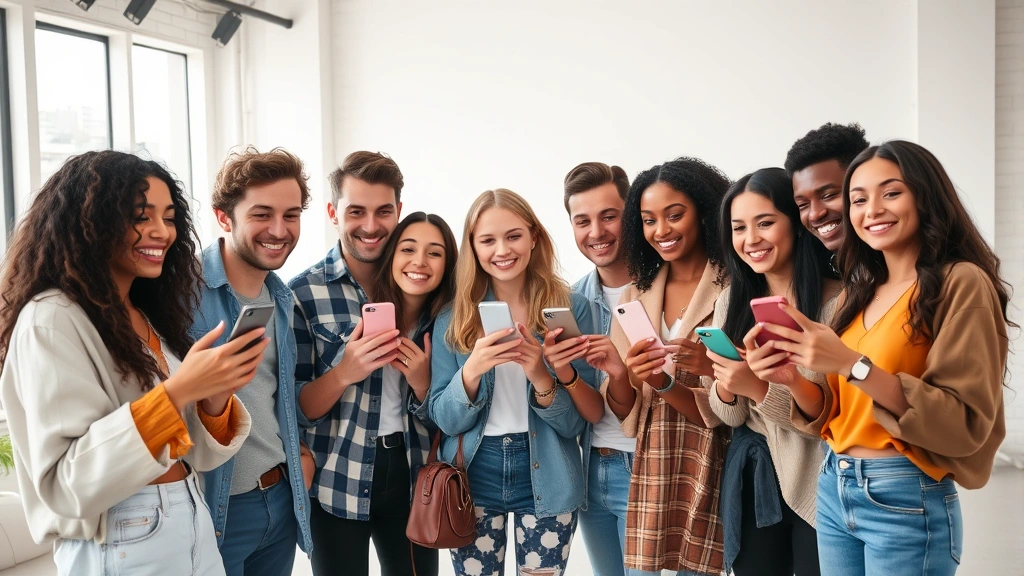
Influencer marketing has evolved from a novelty to a cornerstone strategy for fashion brands worldwide. However, the landscape has shifted dramatically from mega-influencers with millions of followers to a more nuanced ecosystem encompassing micro-influencers, nano-influencers, and authentic content creators. This democratization reflects a fundamental truth: audiences crave genuine connections and relatable voices over polished, distant celebrity endorsements.
According to Vogue Business, brands are increasingly investing in long-term creator partnerships rather than one-off sponsored posts. These collaborations allow creators to authentically integrate products into their lifestyles, resulting in higher engagement rates and conversion metrics. Micro-influencers with 10,000 to 100,000 followers often deliver superior ROI compared to celebrity partnerships, as their audiences tend to be highly engaged and niche-specific.
The key to successful influencer marketing lies in alignment and authenticity. Brands must identify creators whose values, aesthetic, and audience demographics match their positioning. Rather than dictating content, savvy marketers provide creative freedom while establishing clear guidelines, enabling influencers to craft messages that resonate authentically with their followers.
Sustainability as a Marketing Cornerstone
Sustainability has transcended corporate responsibility to become a primary marketing differentiator in fashion. Conscious consumers—particularly Gen Z and younger millennials—actively seek brands demonstrating genuine environmental and social commitment. This shift represents more than a trend; it’s a fundamental rewiring of consumer values that smart fashion marketers are capitalizing on.
Brands are increasingly transparent about their supply chains, manufacturing processes, and material sourcing. Companies like Patagonia have built entire brand identities around sustainability, using their marketing to educate consumers while building emotional loyalty. This approach requires authenticity—greenwashing, or making unsubstantiated environmental claims, is quickly called out by savvy consumers and can devastate brand reputation.
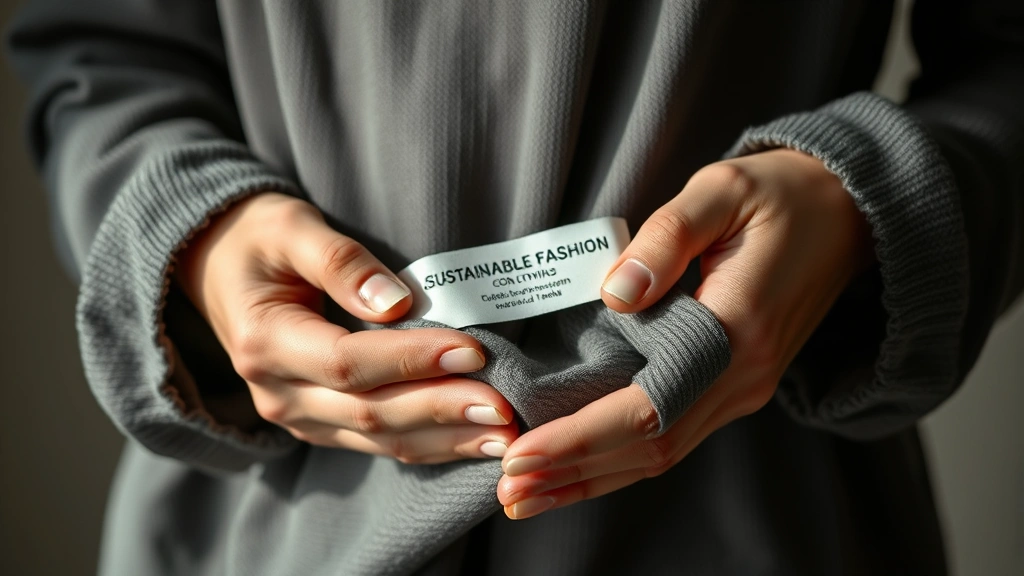
Effective sustainability marketing tells compelling stories about origin, craftsmanship, and impact. Brands showcase artisan partnerships, highlight reduced waste initiatives, and communicate the longevity and quality of their pieces. The narrative shifts from “buy more” to “buy better,” positioning fashion as an investment in quality and values rather than disposable consumption.
Social Commerce and Shoppable Content
The convergence of social media and e-commerce has created a frictionless shopping experience that’s transforming how consumers discover and purchase fashion. Shoppable posts, live shopping events, and in-app checkout features are eliminating friction from the consideration-to-purchase journey. Platforms like Instagram Shop, TikTok Shop, and Pinterest Buyable Pins have become critical sales channels for fashion brands.
Social commerce success requires strategic content planning. Fashion brands are creating dedicated content calendars featuring product-focused posts, styling guides, and behind-the-scenes content optimized for shopping. The most effective approach integrates education and entertainment—showing customers how to style pieces, wear them in different contexts, and visualize them in their lives before purchasing.
Live shopping events have emerged as particularly powerful tools. Brands host live streams featuring product launches, styling tips, and exclusive discounts, creating urgency and driving real-time sales. These events also foster community engagement, allowing customers to ask questions and interact with brand representatives in real-time.
Personalization and AI-Driven Experiences
Artificial intelligence and machine learning are revolutionizing how fashion brands understand and serve individual customers. Personalization has moved beyond basic email segmentation to sophisticated, real-time customization across every touchpoint. From personalized product recommendations to dynamic website experiences, AI enables brands to deliver individualized journeys at scale.
Advanced analytics platforms now track customer behavior across channels, predicting preferences and optimizing inventory based on individual tastes. Some brands use AI to generate personalized style recommendations, essentially creating virtual stylists accessible 24/7. This technology particularly resonates with customers seeking guidance in discovering their personal style, connecting naturally to our comprehensive guide on how to find your personal style.
The key to successful AI implementation in fashion marketing is transparency and privacy. Customers appreciate personalization when they understand how their data is used and feel confident in its security. Brands must balance customization with respect for privacy, clearly communicating their data practices and offering easy opt-out options.
Community Building and Brand Loyalty
Modern fashion marketing increasingly prioritizes community over transactions. Brands are creating exclusive communities—through membership programs, Discord servers, exclusive Facebook groups, and dedicated apps—where customers feel part of something larger than themselves. These communities foster deeper connections and drive lifetime value far exceeding one-time purchases.
Successful community-driven brands empower members to co-create, provide feedback, and influence product development. Some brands host design competitions, crowdsource product ideas, or create exclusive early-access opportunities for community members. This participatory approach transforms customers into brand advocates who feel genuine ownership and investment in the brand’s success.
Loyalty programs have evolved beyond simple points systems. Modern programs offer tiered benefits, exclusive experiences, early access to collections, and personalized rewards based on individual preferences. The most effective programs feel like exclusive clubs rather than transactional arrangements, creating psychological investment and social identity tied to brand membership.
Video Content Dominance
Video has become the dominant content format in fashion marketing, driven by platform algorithms favoring video content and consumer preferences for visual, dynamic storytelling. From short-form TikTok videos to long-form YouTube tutorials and Instagram Reels, video content drives engagement, shareability, and conversion across all demographics.
Fashion brands are experimenting with diverse video formats: styling tutorials, fabric close-ups, production process documentaries, customer testimonials, and trend forecasting content. The most effective videos balance entertainment value with subtle product integration, avoiding overt sales pitches in favor of genuine storytelling and value provision.
Short-form video platforms like TikTok have democratized fashion marketing, enabling smaller brands and independent creators to build massive audiences without traditional media budgets. Viral potential rewards creativity and authenticity over production value, leveling the playing field and creating opportunities for unexpected success stories.
Authenticity Over Perfection
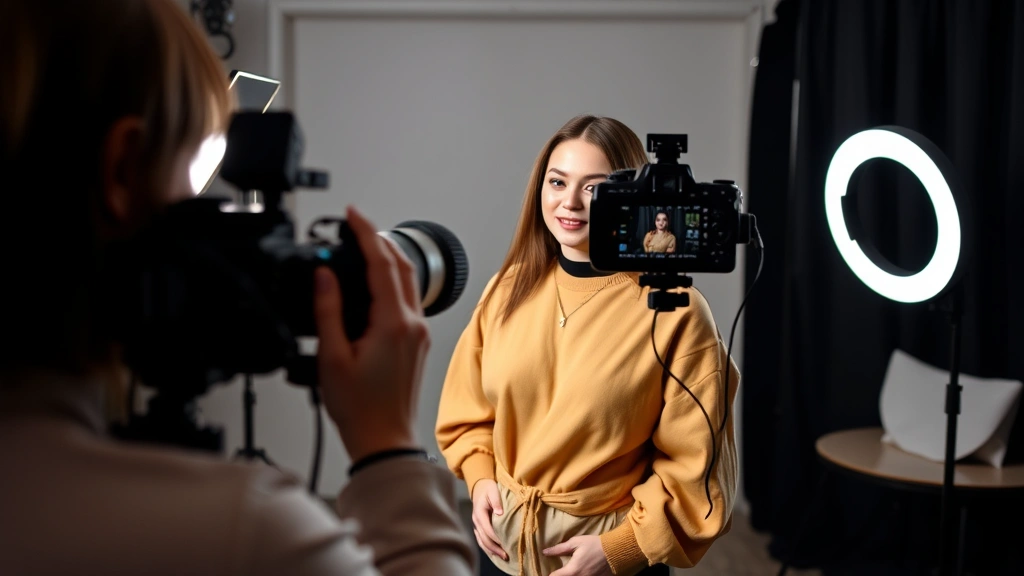
There’s been a notable cultural shift away from the highly curated, Instagram-perfect aesthetic that dominated fashion marketing throughout the 2010s. Today’s consumers crave authenticity, imperfection, and realness. Brands featuring diverse body types, unretouched photography, candid behind-the-scenes content, and honest customer reviews are earning trust and loyalty.
This trend reflects deeper consumer desires for inclusion and representation. Customers want to see people who look like them wearing clothes, not just impossibly perfect models. Brands embracing diverse casting, featuring real customer photos, and celebrating different body types and styles are building stronger emotional connections and broader market appeal.
Authenticity extends to brand communication. Customers appreciate honesty about challenges, mistakes, and learning moments. Brands that acknowledge supply chain disruptions, communicate transparently about production delays, or admit when they’ve made missteps build credibility and trust. This authentic approach contrasts sharply with traditional corporate messaging and resonates particularly with younger audiences.
Omnichannel Marketing Integration
Successful fashion marketing today requires seamless integration across channels—online and offline, social and email, mobile and desktop. Customers expect consistent messaging, coordinated promotions, and unified experiences regardless of touchpoint. Omnichannel strategies that enable customers to browse online and purchase in-store, or vice versa, are becoming table stakes.
Data integration across channels enables sophisticated attribution modeling, allowing brands to understand how different touchpoints contribute to conversions. A customer might discover a product on TikTok, research it on Pinterest, read reviews on Instagram, and complete purchase on a mobile app—sophisticated omnichannel strategies track this journey and optimize each touchpoint accordingly.
The convergence of physical and digital experiences is creating innovative retail formats. Pop-up shops integrate AR try-on technology, physical stores feature QR codes linking to extended product information and styling content, and online platforms drive foot traffic to physical locations. This blended approach leverages the strengths of each channel while addressing their individual limitations.
For brands seeking deeper understanding of fashion market dynamics, exploring types of fashion styles provides valuable context for market segmentation and positioning strategies. Similarly, understanding fashion accessories trends can inform complementary product marketing strategies and cross-selling opportunities.
The broader context of fashion evolution also informs marketing strategy. Understanding the complete fashion history timeline helps marketers appreciate cyclical trends and cultural references that resonate with audiences. Additionally, best fashion design schools often produce the creative talent and thought leaders shaping industry trends and marketing innovation.
For those building fashion marketing careers, the StyleLoom Daily Blog offers ongoing insights and analysis of emerging trends and industry developments.
FAQ
What is the most effective fashion marketing strategy right now?
There’s no single “most effective” strategy—success requires integrated approaches combining authentic influencer partnerships, compelling video content, social commerce optimization, and genuine community building. The brands winning today excel at omnichannel execution, data-driven personalization, and authentic storytelling that resonates with their specific audience segments.
How important is sustainability in fashion marketing?
Sustainability has become critically important, particularly for brands targeting conscious consumers. However, authenticity matters more than claims—brands must demonstrate genuine commitment through transparent practices, not greenwashing. When executed authentically, sustainability becomes a powerful differentiator and loyalty driver.
Should fashion brands focus on micro-influencers or mega-influencers?
Micro-influencers typically deliver superior ROI due to higher engagement rates and niche audiences, while mega-influencers offer broader reach. The optimal approach depends on campaign objectives—micro-influencers excel for conversion-focused campaigns, while mega-influencers work better for brand awareness initiatives. Most brands benefit from balanced portfolios combining both.
What role does TikTok play in fashion marketing?
TikTok has become essential for fashion brands, particularly those targeting Gen Z. The platform’s algorithm rewards creativity and authenticity over production value, enabling smaller brands to achieve viral success. Fashion brands use TikTok for trend forecasting, community building, and driving traffic to e-commerce platforms.
How can brands measure fashion marketing ROI effectively?
Effective measurement requires integrated analytics tracking customer journeys across channels. Key metrics include conversion rates, customer acquisition costs, lifetime value, engagement rates, and brand sentiment. Attribution modeling helps understand how different touchpoints contribute to conversions, enabling optimization of marketing spend allocation.
What’s the future of fashion retail marketing?
The future emphasizes seamless omnichannel experiences blending physical and digital touchpoints, increasingly sophisticated personalization powered by AI, and community-driven loyalty models. Augmented reality try-on technology, virtual fashion shows, and metaverse experiences are emerging as frontier channels for innovative brands.