

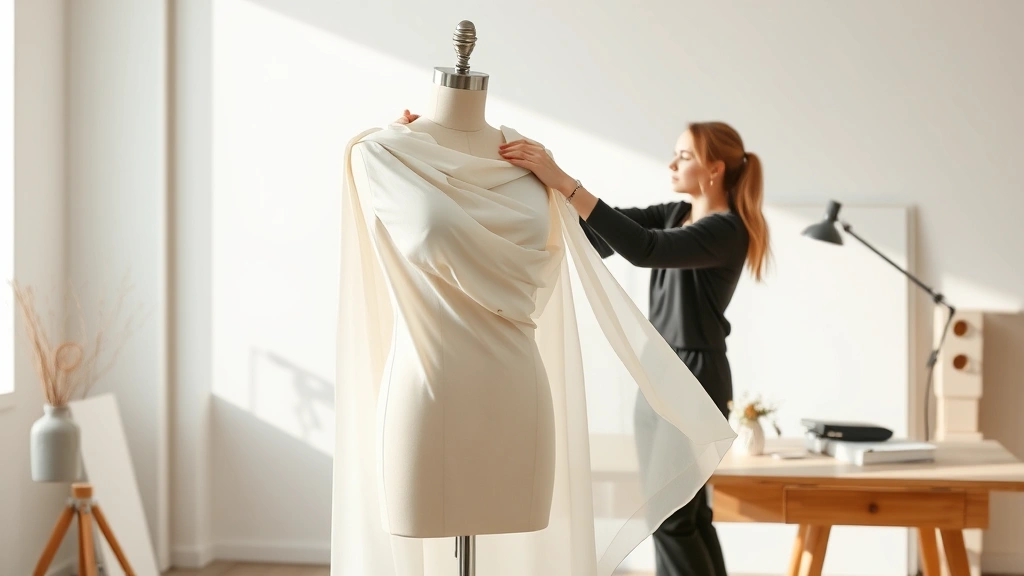
Fashion Mannequins: A Designer’s Secret Tool for Creating Stunning Collections
In the fast-paced world of fashion design, few tools are as essential and transformative as the humble fashion mannequin. These sculptural forms serve as the silent collaborators in every designer’s studio, bridging the gap between imagination and reality. Whether you’re sketching your first collection or refining pieces for a major runway show, understanding how to leverage fashion mannequins can dramatically elevate your design process and final product quality.
Fashion mannequins have evolved far beyond simple dress forms. Today’s designers work with sophisticated, anatomically correct figures that provide invaluable feedback on fit, proportion, drape, and overall aesthetic appeal. From haute couture ateliers in Paris to emerging designer studios worldwide, these tools remain indispensable for professionals who demand precision and excellence in their creations.
The relationship between designer and mannequin is intimate and collaborative. As you pin, drape, and adjust fabric on these forms, you’re not just constructing garments—you’re conducting a visual dialogue that informs every decision from silhouette to seaming. This guide explores why fashion mannequins matter so profoundly and how to maximize their potential in your design journey.
Understanding Fashion Mannequin Types and Styles
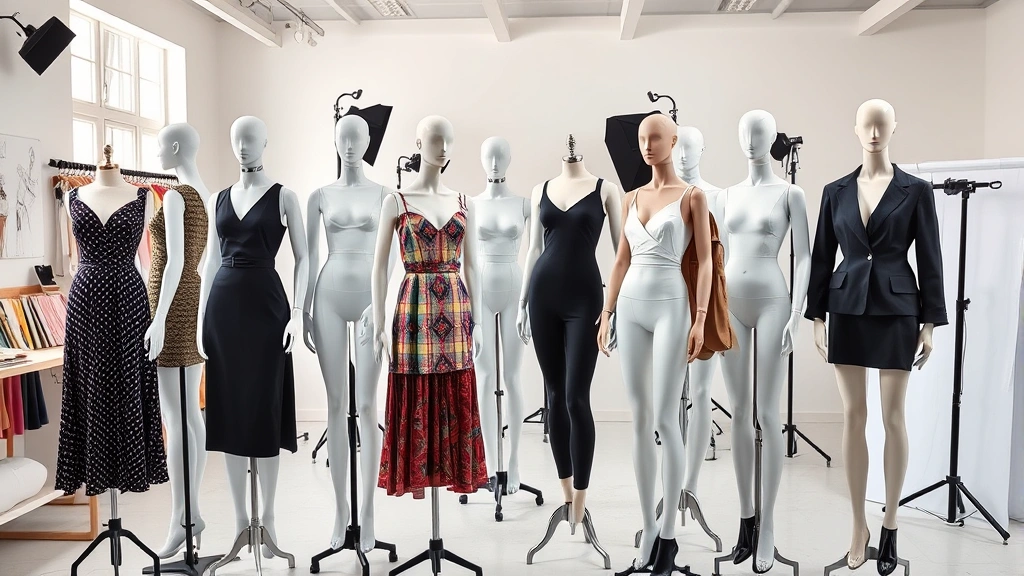
The fashion industry recognizes several distinct categories of mannequins, each serving specific design purposes. Understanding these variations is fundamental to selecting tools that align with your creative vision and practical requirements.
Full-Body Dress Forms represent the most versatile option for comprehensive garment development. These complete figures allow designers to assess how clothing interacts with the entire silhouette, from shoulder alignment to hem placement. Full-body forms excel at revealing how fabric drapes across the torso, moves through the arms, and hangs from the waist—critical considerations for any designer committed to excellence.
Headless Mannequins have gained tremendous popularity in contemporary design studios and retail environments. By eliminating the head, these forms emphasize garment structure and fabric qualities without facial distraction. Many designers prefer headless forms for technical work, as they provide an unobstructed view of necklines, shoulder construction, and upper-body tailoring. This style particularly suits those developing contemporary ready-to-wear collections with modern, minimalist aesthetics.
Torso-Only Forms offer focused evaluation of upper-body garment construction. Perfect for developing shirts, blouses, jackets, and bodices, torso mannequins eliminate lower-body considerations and provide intimate detail work capabilities. Designers working on intricate bodice construction or complex neckline engineering frequently rely on these specialized forms.
Collapsible and Adjustable Mannequins provide flexibility for studios with space constraints or designers working across multiple sizes. These innovative forms can be modified to represent different proportions, allowing single-piece investment to serve multiple design development needs. Modern collapsible mannequins maintain structural integrity while offering unprecedented adaptability.
Understanding fashion history and evolution reveals how mannequin design itself has transformed. Historical dress forms reflected period-specific ideals, while contemporary versions embrace diverse body types and proportions.
The Critical Role in Design Development
Fashion mannequins function as objective design partners, offering immediate visual feedback that sketches and digital renderings cannot replicate. When you drape fabric on a three-dimensional form, you instantly perceive how gravity, weight, and physics interact with your creative vision. This tangible feedback loop accelerates design refinement and prevents costly production mistakes.
The draping process itself is meditative and revelatory. As fabric touches the mannequin’s surface, unexpected possibilities emerge. A simple cotton muslin might suggest entirely new construction approaches. The way a bias cut interacts with the form’s curves might inspire design modifications that transform your original concept. This dialogue between designer, fabric, and form generates innovations that purely digital approaches often miss.
Proportion Assessment becomes infinitely clearer when viewing garments on three-dimensional forms. Sleeve length, shoulder width, bodice depth, and skirt volume read differently on mannequins than on flat patterns. Designers can immediately identify whether proportions feel balanced, whether silhouettes achieve intended effects, and whether construction details enhance or diminish overall impact.
Fit Evaluation requires mannequins with accurate body measurements. Professional-grade forms replicate standard sizing across the fashion industry, enabling designers to develop garments that will fit real bodies predictably. This precision proves essential when creating collections intended for manufacturing and retail distribution.
Drape and Movement Analysis reveals how garments will perform in real-world conditions. Will this fabric create elegant movement or awkward bunching? Does the hem swing gracefully or cling unattractively? Will seams strain under tension or distribute stress evenly? Only three-dimensional assessment answers these crucial questions.
Choosing the Right Mannequin for Your Work
Selecting appropriate fashion mannequins requires thoughtful consideration of your specific design focus, workspace constraints, and professional aspirations. This decision significantly impacts your design efficiency and creative satisfaction.
Size and Proportions matter tremendously. Standard fashion industry sizing (typically size 6-8 for women’s ready-to-wear) provides reliable reference points for mainstream collections. However, designers working with extended sizing, petite proportions, or plus-size collections should invest in mannequins reflecting their target market. Accuracy in base proportions ensures designs will translate successfully to production.
Material Quality distinguishes professional-grade mannequins from inferior alternatives. Fiberglass forms offer durability and smooth surfaces ideal for pinning and draping. Plastic alternatives may suffice for basic visualization but often prove frustrating for serious design work. Premium mannequins feature reinforced construction, smooth finishes, and stable bases that endure years of intensive studio use.
Adjustability Features enhance versatility. Look for forms with adjustable arms that move into multiple positions, enabling assessment of how sleeves fit across varying arm placements. Removable arms and legs allow detailed work on specific garment sections. Adjustable shoulders accommodate different neckline depths and shoulder seam placements.
Base Stability cannot be overlooked. A mannequin that wobbles or tips creates frustration and safety concerns. Heavy, weighted bases or professional stands ensure stable work surfaces. This stability proves especially important when working with heavy fabrics or complex draped silhouettes requiring extensive pinning.
When developing your personal design aesthetic, investing in quality mannequins aligned with your vision pays dividends throughout your career. Consider this investment in your professional development infrastructure.
Professional Applications and Industry Standards
Across the global fashion industry, mannequins serve critical functions in design houses, manufacturing facilities, and retail environments. Understanding these professional applications illuminates why quality tools matter.
Design Studio Workflows center on mannequins as primary development tools. Designers spend hours pinning muslin prototypes, assessing proportions, and refining construction details. This hands-on work generates the precise specifications that pattern makers translate into production patterns. Quality mannequins directly impact the accuracy of these technical developments.
Sample Development relies heavily on mannequin feedback. When manufacturers produce first samples, designers evaluate fit and construction on their studio forms. Discrepancies between designer intentions and sample execution become immediately apparent. This comparison process ensures subsequent production runs meet exacting standards.
Collection Presentation often features mannequins styled with completed garments. Whether for internal reviews, buyer presentations, or digital content creation, dressed mannequins convey design intent with clarity and professionalism. Retailers also use quality display mannequins to showcase merchandise effectively, influencing customer purchasing decisions.
Technical Education depends on accurate mannequins. Fashion schools and pattern-making programs require precision forms for teaching draping, fitting, and construction techniques. Students learning from quality tools develop superior technical skills compared to those working with inferior alternatives.
Exploring career opportunities in fashion, such as available fashion designer positions, reveals how professional-grade tools and skills directly impact employability and advancement potential.
Advanced Techniques for Maximum Design Impact
Experienced designers employ sophisticated techniques that maximize mannequin utility and accelerate creative development. Mastering these approaches elevates your design practice substantially.
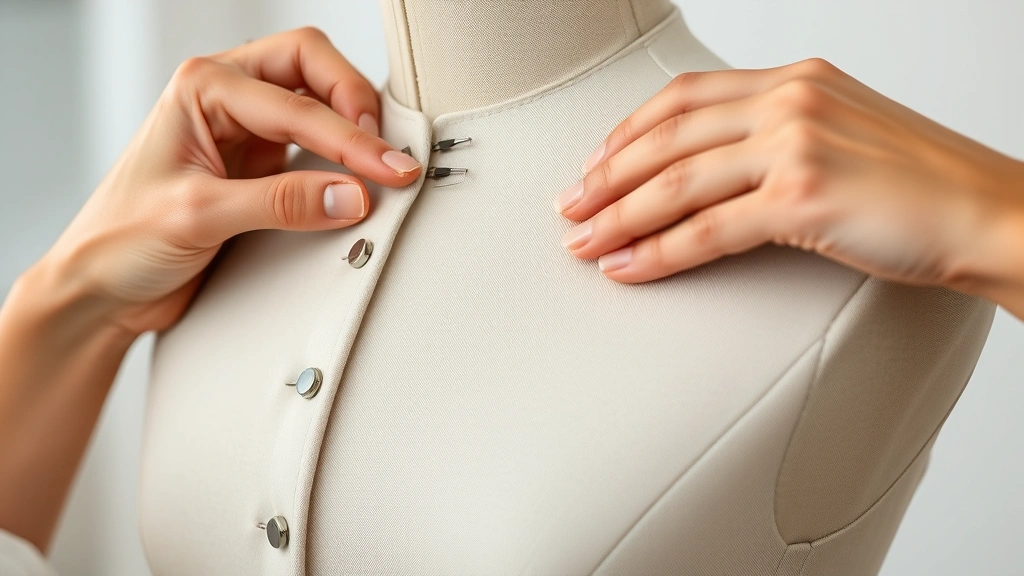
Strategic Pinning Methods require skill and understanding. Rather than randomly securing fabric, experienced designers pin strategically to control grain lines, maintain balance, and create intentional drapes. Precision pinning reveals design possibilities while allowing rapid adjustments and iterations. This technique requires quality mannequins with smooth, pin-receptive surfaces.
Fabric Experimentation becomes more productive when mannequins facilitate rapid testing. By quickly pinning various fabrics in similar silhouettes, designers assess how material properties affect final aesthetics. A silk charmeuse creates entirely different visual effects than cotton twill, even in identical proportions. Mannequins enable this comparative analysis efficiently.
Layering and Proportion Studies benefit from mannequin visualization. Understanding how multiple garment pieces interact—how jacket length relates to skirt proportions, how sleeve volume balances overall silhouette—requires three-dimensional assessment. Designers build sophisticated proportion relationships through systematic mannequin studies.
Muslin Prototyping creates a feedback loop essential for design refinement. Draping inexpensive muslin on mannequins allows rapid exploration of construction approaches without fabric waste. Once satisfied with proportions and construction, designers produce final samples in intended materials. This two-stage process saves both money and time while improving results.
Photography and Documentation benefit from quality mannequins. When designs are photographed on professional forms, resulting images convey clarity and professionalism. This visual documentation becomes invaluable for design archives, portfolio development, and client presentations.
Understanding contemporary trends, as explored in coverage of iconic fashion periods and their modern revival, helps designers contextualize their work within broader fashion conversations.
Investment and Maintenance Considerations
Viewing mannequins as professional investments rather than minor expenses fundamentally changes purchasing decisions and long-term satisfaction.
Budget Allocation for quality mannequins should reflect their importance in your design process. Professional-grade forms typically range from several hundred to several thousand dollars, depending on features and materials. This investment pays dividends through improved design quality, faster development cycles, and reduced pattern-making errors. Calculate the time and money saved through better design outcomes, and mannequin investment becomes obviously justified.
Durability and Longevity distinguish quality purchases from false economy. Premium mannequins withstand years of intensive use, maintaining surface integrity and structural stability. Cheaper alternatives deteriorate quickly, developing cracks, loose joints, and unstable bases that compromise functionality. A well-maintained professional mannequin remains productive for decades.
Maintenance Practices extend mannequin lifespan significantly. Regular cleaning removes dust and fabric residue. Avoiding excessive sunlight prevents color fading and material degradation. Protecting surfaces from sharp objects prevents gouges and damage. Proper storage prevents warping and deterioration. These simple practices maintain investment value and functionality.
Replacement and Upgrade Planning should be considered strategically. As your design practice evolves, you may need additional mannequins in different sizes or styles. Budgeting for periodic additions allows gradual expansion of your tool collection without financial strain. Some designers maintain mannequins representing multiple sizes, enabling development of size-inclusive collections.
Customization Options available from premium manufacturers allow tailoring forms to your specific needs. Custom height adjustments, specialized arm positions, and unique base configurations can be ordered. While more expensive, customized mannequins perfectly suited to your practice prove more satisfying and efficient than generic alternatives.
Building a comprehensive design practice, as discussed in contemporary fashion industry insights, requires thoughtful tool investment and strategic development planning.
FAQ
What size mannequin should fashion designers typically use?
Standard fashion industry practice employs size 6-8 mannequins for women’s ready-to-wear development, as this represents average sizing for mainstream collections. However, designers should select sizes reflecting their target market. Designers creating plus-size, petite, or extended-size collections should invest in appropriately proportioned forms. Many professional studios maintain multiple sizes for comprehensive collection development.
Can fashion mannequins be used for multiple garment types?
Absolutely. Quality full-body mannequins accommodate diverse garment development from structured jackets to flowing evening wear. Adjustable features enhance versatility further. However, specialized forms (torso-only, headless) excel at specific applications. Many designers maintain multiple mannequin types, each optimized for particular work.
How do professional designers use mannequins differently from beginners?
Experienced designers employ sophisticated pinning techniques, strategic fabric manipulation, and systematic proportion studies. They understand how to extract maximum information from mannequin work, using these forms as design partners rather than simple dress forms. Professional-grade tools and refined techniques distinguish expert practice from novice approaches.
What’s the difference between display mannequins and design mannequins?
Display mannequins prioritize visual appeal for retail presentation, often featuring stylized proportions and aesthetic details. Design mannequins prioritize accuracy and functionality, with neutral finishes and precise measurements. While similar, these serve different purposes. Design work requires accuracy-focused forms rather than aesthetically idealized display pieces.
Are digital design tools replacing physical mannequins?
Digital tools provide valuable visualization capabilities but cannot fully replace physical mannequins. Three-dimensional fabric interaction, gravity effects, and tactile feedback cannot be perfectly replicated digitally. Most professional designers combine digital visualization with physical mannequin work, leveraging each tool’s unique strengths.
How should fashion mannequins be stored and maintained?
Store mannequins in climate-controlled environments away from direct sunlight to prevent material degradation. Regular gentle cleaning removes dust without damaging surfaces. Protect forms from sharp objects and excessive pressure. Proper maintenance extends lifespan significantly, protecting your investment and ensuring continued functionality throughout your design career.