

What Defines Italian Fashion? Designer Insights
Italian fashion stands as one of the world’s most influential and revered style movements, a testament to centuries of craftsmanship, artistic excellence, and an unwavering commitment to quality. From the cobblestone streets of Milan to the romantic canals of Venice, Italy has cultivated a fashion philosophy that transcends trends and establishes timeless elegance as the ultimate goal. Unlike fast-fashion movements that prioritize quantity over quality, Italian designers have consistently championed the belief that true style emerges from superior materials, meticulous construction, and an understanding of how clothing should make a person feel.
The essence of Italian fashion lies in its ability to balance innovation with tradition, creating garments that honor heritage while pushing boundaries. Italian designers don’t simply create clothes; they craft experiences, weaving together decades of family knowledge, regional specialization, and an almost spiritual connection to their craft. Whether you’re exploring how to find your personal style or studying the foundations of contemporary design, understanding Italian fashion principles provides invaluable insights into what separates exceptional clothing from the ordinary.
The Heritage and Philosophy of Italian Design
The foundation of Italian fashion rests upon a philosophy that treats clothing as an art form deserving the same reverence as painting, sculpture, or music. This perspective emerged from Italy’s Renaissance, when the country’s wealthy families commissioned master craftspeople to create garments that reflected their status and refined taste. This historical context created a cultural expectation that excellence in design and execution was not merely desirable but essential.
Italian fashion philosophy fundamentally rejects the notion of disposable clothing. Instead, it embraces the concept of investment pieces—garments designed to last decades, improving with age and wear. This approach contrasts sharply with contemporary fast-fashion models, where seasonal collections and rapid turnover define the business model. Italian designers believe that true luxury manifests through longevity, timelessness, and the development of patina that tells a wearer’s personal story.
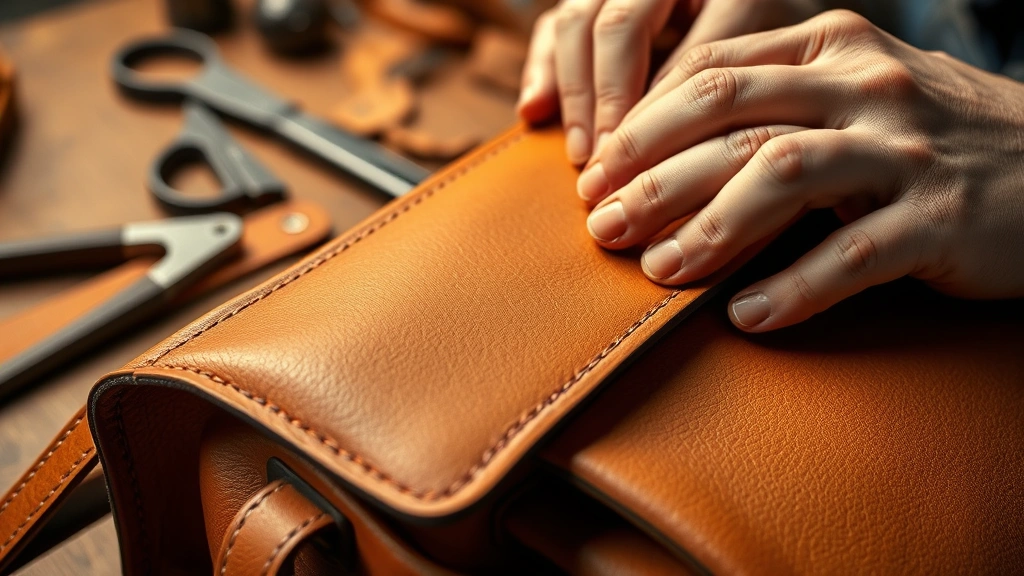
The philosophy also emphasizes restraint and elegance over ostentation. Rather than relying on excessive ornamentation or bold logos, Italian fashion communicates sophistication through subtle details, impeccable proportions, and the quality of materials. A perfectly tailored blazer, a silk blouse with exquisite seaming, or a leather bag with hand-stitched edges speaks volumes about the wearer’s understanding of style.
This mindset has made Italian fashion particularly influential among those seeking to explore contemporary fashion insights that transcend temporary trends. The Italian approach teaches that true style emerges from understanding oneself and investing in pieces that authentically represent one’s aesthetic values.
Regional Excellence: Where Italian Fashion is Made
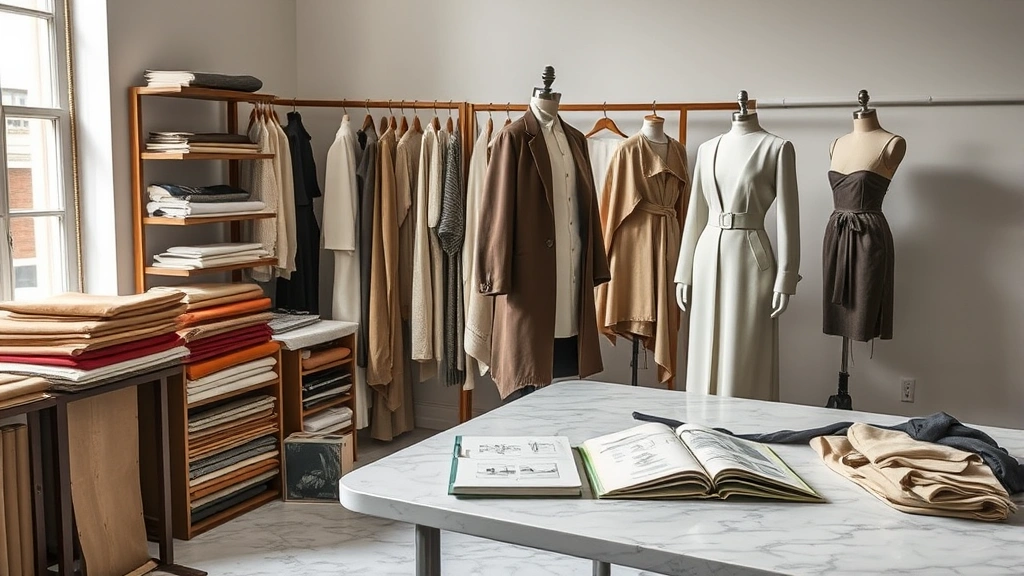
Italy’s fashion landscape is deeply interconnected with its geography, with specific regions developing specialized expertise in particular garment categories and manufacturing techniques. This regional specialization has created pockets of excellence throughout the country, each contributing unique strengths to the broader Italian fashion ecosystem.
Milan reigns as the undisputed capital of Italian fashion, home to the fashion houses that have achieved global recognition. The city’s fashion week showcases collections that set international trends, and its position as a financial and cultural hub has allowed it to attract top design talent from around the world. Milan’s fashion district, with its concentration of design studios, ateliers, and fashion schools, creates an environment where creativity and commerce intersect seamlessly.
Como, located in northern Italy near the Swiss border, has established itself as the silk capital of the world. The region’s textile mills produce some of the finest silk fabrics globally, with a heritage of silk production spanning centuries. Como’s manufacturers work closely with designers, developing innovative printing techniques and dyeing processes that have become industry standards.
Tuscany represents the heart of Italian leather production, particularly in the region around Florence. Leather craftspeople in this region employ traditional tanning methods, often using vegetable-based processes that create leather of exceptional quality. The region’s artisanal approach to leather working has made Tuscan leather synonymous with luxury and durability.
The Veneto region, particularly around Treviso, specializes in footwear production. The concentration of shoe manufacturers in this area has created a competitive environment that drives innovation while maintaining traditional craftsmanship standards. Many of the world’s most prestigious shoe brands manufacture their products in this region.
Understanding these regional specializations provides context for why Italian fashion maintains such consistent quality. Rather than centralizing production, the country has developed a distributed network of expertise, allowing each region to perfect its particular craft.
Key Design Principles That Define Italian Style
Several core design principles consistently appear across Italian fashion, creating a recognizable aesthetic that transcends individual designers and fashion houses. These principles form the foundation of what the world recognizes as authentically Italian style.
Proportion and Silhouette: Italian designers obsess over the relationship between a garment and the body it adorns. Rather than following arbitrary trends, they focus on creating silhouettes that flatter, elongate, and enhance natural proportions. This attention to fit means that Italian pieces often feel like a second skin, moving with the wearer rather than constraining movement.
Color Sophistication: While Italian fashion isn’t limited to neutral palettes, the approach to color demonstrates remarkable restraint. Rather than clashing combinations, Italian designers typically employ complementary color relationships. Neutral foundations often anchor outfits, with color introduced through accessories or subtle layering. This approach allows pieces to coordinate seamlessly across seasons and years.
Texture and Tactile Quality: The emphasis on how fabrics feel distinguishes Italian fashion profoundly. Designers select materials based not only on appearance but on hand—how the fabric drapes, moves, and feels against skin. This tactile consideration elevates garments from merely looking good to creating a complete sensory experience.
Minimalist Detailing: Rather than relying on obvious embellishments, Italian designers employ subtle details that reward close inspection. A perfectly placed seam, an unexpected pocket placement, or a distinctive button can transform a simple garment into something remarkable. This approach suggests confidence in the design itself, requiring no loud announcements.
Timelessness Over Trend-Chasing: Italian designers intentionally resist the pressure to completely reinvent collections each season. Instead, they introduce evolution—subtle shifts in proportion, refined color palettes, or innovative fabric treatments that build upon previous seasons. This evolutionary approach means Italian pieces remain wearable for years.
The Role of Craftsmanship and Materials
The distinction between Italian fashion and mass-produced clothing becomes immediately apparent when examining materials and construction methods. Italian fashion houses invest significantly in sourcing the finest raw materials, understanding that superior fabrics form the foundation for exceptional garments.
The selection of materials reflects a deep knowledge of textiles developed over generations. Italian manufacturers work with suppliers who understand the specific properties required for different applications. A fabric destined for a tailored jacket requires different characteristics than silk meant for evening wear. This specialized knowledge ensures that each material performs optimally in its intended context.
Craftsmanship in Italian fashion extends far beyond basic sewing. Master tailors spend years developing skills in techniques like hand-finishing seams, creating perfectly balanced hems, and constructing internal structures that enable garments to drape beautifully. Many Italian fashion houses employ artisans who learned their craft through apprenticeships, perpetuating techniques passed down through families for generations.
The construction methods employed in Italian fashion distinguish these pieces from industrially produced alternatives. While efficiency matters, quality takes precedence. Hand-stitching, where visible, serves both functional and aesthetic purposes. Seams are often finished meticulously, visible only to those who examine garments closely. Interior construction receives the same attention as exterior design, reflecting the belief that true luxury manifests in details invisible to casual observers.
This commitment to craftsmanship directly impacts sustainability and longevity. Garments constructed with such care can be repaired, altered, and restored throughout their lifespan, making them genuinely sustainable alternatives to disposable fashion. Many Italian pieces improve with age, developing a patina that reflects their wearer’s life and experiences.
Iconic Italian Fashion Houses and Their Legacies
Several fashion houses have become synonymous with Italian excellence, establishing design philosophies and standards that influence the entire industry. These houses demonstrate how Italian fashion principles translate into globally recognized brands.
Gucci, founded in Florence in 1921, initially gained recognition for leather goods before expanding into haute couture. The house’s evolution from heritage luxury brand to contemporary fashion leader illustrates how Italian fashion can honor tradition while embracing innovation. Gucci’s distinctive approach to color, pattern, and craftsmanship has established it as one of the world’s most influential fashion houses.
Prada, established in Milan in 1913, exemplifies the principle that luxury emerges from quality and restraint rather than ostentation. The house’s minimalist aesthetic and commitment to innovative materials have made Prada a touchstone for contemporary Italian fashion. The brand’s influence extends across fashion categories, from haute couture to accessories to footwear.
Versace represents a different expression of Italian fashion—one that embraces bold color, dramatic silhouettes, and sensuality. While Versace’s approach differs from minimalist houses, it demonstrates the diversity within Italian fashion philosophy. The house’s commitment to exceptional craftsmanship and innovative design remains consistent with broader Italian principles.
Armani revolutionized tailoring by introducing a softer, more relaxed approach to structured jackets. Giorgio Armani’s influence on power dressing and contemporary menswear cannot be overstated. His philosophy that luxury should be comfortable and understated has shaped how the entire industry approaches tailoring.
These houses, along with numerous others, have established Italy as the global center of fashion excellence. Their influence extends beyond their own collections, shaping how the entire industry approaches design, production, and the meaning of luxury.
How Italian Fashion Influences Global Trends
Italian fashion’s influence on global style extends far beyond the collections presented at Milan Fashion Week. The country’s design philosophy, production standards, and aesthetic sensibilities have become benchmarks against which the entire fashion industry measures itself. Understanding this influence provides insight into how fashion design education worldwide emphasizes Italian principles.
The concept of the “Italian look” has become universally recognized—an aesthetic combining elegance, quality, and understated sophistication. This look influences fashion designers globally, even those working in completely different cultural contexts. The Italian emphasis on tailoring, proportion, and material quality has become the standard that luxury brands worldwide aspire to achieve.
Italian fashion houses have also influenced how the entire luxury industry approaches sustainability and longevity. As consumers increasingly question the environmental impact of fashion, Italian brands’ emphasis on timeless design and superior craftsmanship has become increasingly relevant. The industry-wide shift toward quality over quantity owes much to Italian fashion’s consistent advocacy for this approach.
The production standards established by Italian manufacturers have become global benchmarks. When luxury brands worldwide seek manufacturing partners, they often look to Italian regions known for specific expertise. Como’s silk mills, Tuscan leather producers, and Veneto’s shoe manufacturers set quality standards that competitors attempt to match.
Italian fashion’s influence also manifests in how designers approach color, proportion, and restraint. Across fashion capitals worldwide, the principle that less can be more—that true luxury whispers rather than shouts—reflects Italian fashion’s enduring influence on contemporary design philosophy.
Modern Italian Designers Shaping Contemporary Fashion
While heritage houses continue to influence global fashion, contemporary Italian designers are actively shaping the future of the industry, proving that Italian fashion innovation remains vital and relevant. These designers honor their heritage while pushing boundaries and addressing contemporary concerns.
Emerging Design Voices: A new generation of Italian designers is challenging conventions while maintaining the core principles of Italian fashion. These designers explore sustainable production methods, experiment with unconventional silhouettes, and address social issues through their work. They represent how Italian fashion evolves while maintaining its essential character.
Sustainable Innovation: Modern Italian designers are leading the fashion industry’s sustainability revolution. Drawing on their heritage of quality and longevity, contemporary designers are developing innovative approaches to sustainable materials, ethical production, and circular fashion models. This approach aligns with Italian fashion’s historical emphasis on creating pieces meant to last.
Technology and Tradition: Contemporary Italian designers are exploring how technology can enhance rather than replace traditional craftsmanship. Digital design tools, innovative fabric technologies, and advanced production methods are being integrated into traditional processes, creating new possibilities while maintaining the quality standards Italian fashion demands.
These modern designers prove that Italian fashion remains dynamic and relevant. Rather than resting on historical laurels, contemporary Italian design continues to innovate, addressing contemporary concerns while honoring the principles that have made Italian fashion globally influential.
For those interested in pursuing fashion design, studying fashion design degree programs often emphasize Italian design principles as foundational knowledge. Understanding how modern designers build upon Italian fashion traditions provides valuable context for anyone seeking to understand contemporary design.
FAQ
What makes Italian fashion different from other fashion capitals?
Italian fashion distinguishes itself through its emphasis on quality, craftsmanship, and timelessness over trend-chasing. The country’s regional specialization, heritage of artisanal production, and design philosophy that prioritizes longevity and elegance create a distinctive approach that influences the entire global fashion industry.
Which Italian regions are most important for fashion production?
Milan serves as the fashion capital, Como specializes in silk production, Tuscany is renowned for leather craftsmanship, and the Veneto region leads in footwear manufacturing. Each region has developed specialized expertise that contributes to Italy’s fashion excellence.
How has Italian fashion influenced contemporary design?
Italian fashion has established global standards for quality, proportion, and restraint. The emphasis on timeless design, superior materials, and meticulous craftsmanship has become the benchmark for luxury brands worldwide. Contemporary designers globally incorporate Italian design principles into their work.
Are Italian fashion pieces worth the investment?
Italian fashion pieces typically represent excellent investments due to their superior construction, timeless design, and longevity. These garments can be worn for decades, often improving with age. The ability to repair and alter Italian-made pieces extends their lifespan further, making them genuinely sustainable alternatives to disposable fashion.
What should consumers look for when purchasing Italian fashion?
Focus on materials, construction quality, and design timelessness. Examine seams, hems, and interior finishes. Consider whether the piece will coordinate with your existing wardrobe and remain wearable in future seasons. Italian fashion emphasizes pieces that transcend trends, so prioritize designs that feel personally authentic rather than fashion-forward.
How do modern Italian designers address sustainability?
Contemporary Italian designers are leading the fashion industry’s sustainability movement by developing innovative sustainable materials, ethical production methods, and circular fashion models. They build upon Italian fashion’s historical emphasis on quality and longevity, creating pieces designed to last decades rather than seasons.
Can I incorporate Italian fashion principles into my personal style?
Absolutely. Apply Italian design principles by investing in quality basics, prioritizing proportion and fit, selecting complementary color palettes, and choosing pieces designed for longevity. Focus on materials that feel luxurious, seek well-constructed garments, and build a wardrobe of timeless pieces that coordinate seamlessly. This approach aligns with developing your personal style through intentional choices.