Ancient Greek Fashion: Historian Insights into Timeless Style
Ancient Greek fashion stands as one of history’s most influential style movements, shaping how we understand clothing, elegance, and personal expression even today. From the flowing chiton to the draped himation, the Greeks revolutionized textile design and body-conscious silhouettes that remain aspirational in contemporary fashion. Understanding fashion in ancient Greece reveals not just aesthetic preferences, but the philosophy, culture, and social hierarchies embedded in every fold of fabric.
Fashion historians recognize that ancient Greek garments transcended mere utility—they embodied democratic ideals, regional pride, and divine inspiration. The timeless appeal of Greek-inspired designs continues to influence luxury fashion houses and emerging designers who seek to capture that perfect balance of simplicity and sophistication. Whether you’re interested in fashion history timelines or seeking to find your personal style, ancient Greek fashion offers timeless lessons in elegant dressing.
The Essential Garments of Ancient Greece
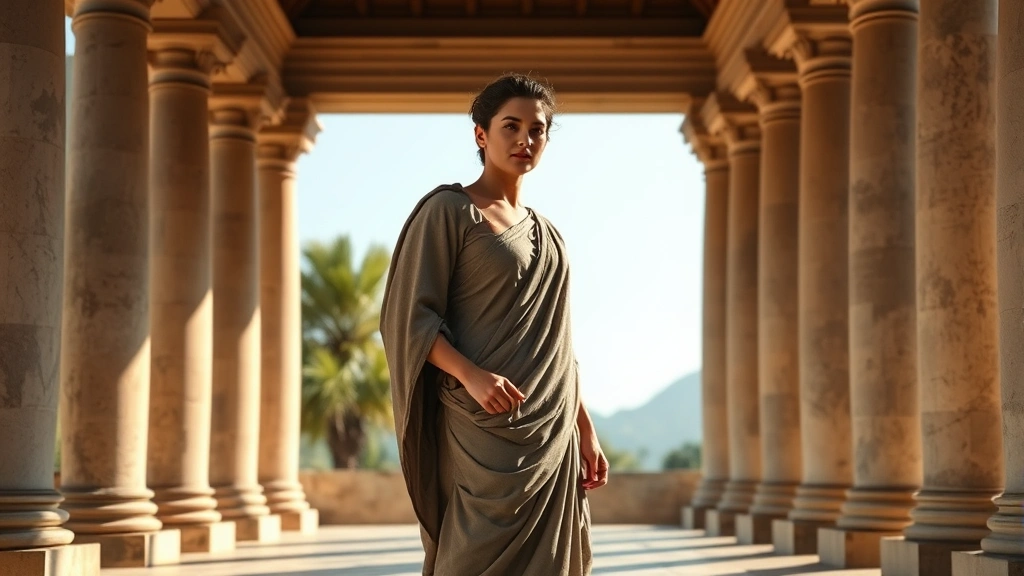
The foundation of ancient Greek fashion rested upon surprisingly simple garment construction, yet the results achieved extraordinary sophistication through draping technique and proportion. The chiton, the primary undergarment worn by both men and women, consisted of a rectangular piece of linen or wool fastened at the shoulders with pins or buttons called fibulae. This single piece of fabric, when expertly draped and belted, created an elegant silhouette that emphasized the body’s natural lines without constricting movement.
The himation, a larger rectangular cloth worn as an outer garment, represented the height of Greek fashion sophistication. Unlike the structured garments we know today, the himation required skill and practice to drape correctly, with different arrangements signifying social status, age, and occasion. Young men wore it differently than elders; married women arranged it distinctly from unmarried girls. This democratic approach to fashion—where the same garment could be worn in countless ways—reflected Greek values of individual expression within social parameters.
Beyond these primary garments, the peplos emerged as another crucial piece, particularly among women, featuring a distinctive overfold at the top that created an elegant columnar silhouette. The peplos represented a more structured approach than the chiton, yet still maintained the flowing aesthetic that defined Greek fashion. Understanding these fashion blog discussions of ancient garment construction helps modern designers appreciate the ingenuity of ancient tailoring.
Fashion historians emphasize that ancient Greek garments prioritized freedom of movement, a revolutionary concept for the ancient world. Unlike the restrictive corsets and structured undergarments that would dominate later European fashion, Greek clothing allowed athletes to compete, workers to labor, and philosophers to gesture expressively while discussing ideas. This practical elegance became the hallmark of Greek style.
Social Status and Fashion Expression
In ancient Greece, clothing functioned as a sophisticated visual language communicating social position, wealth, marital status, and civic role. While the basic garment types remained consistent across social classes, the quality of materials, intricacy of dyes, and presence of decorative elements immediately identified the wearer’s position in society. This stratification through fashion parallels modern luxury branding, where fashion design schools teach students how garments communicate status and identity.
Wealthy Athenian citizens could afford imported fabrics and rare purple dyes extracted from murex shells—a labor-intensive process that made purple garments extraordinarily expensive and exclusive. A single purple-dyed himation might require the shells of thousands of mollusks, making such garments reserved for the aristocracy and wealthy merchants. The color purple became so associated with power and privilege that it was eventually restricted by law to imperial use in later civilizations.
Working-class Greeks wore undyed wool or linen in natural cream and brown tones, sometimes colored with readily available plant-based dyes like madder root for reds or woad for blues. The simplicity of their garments reflected not lack of style sensibility, but rather economic reality. Even so, working Greeks took pride in the quality of their draping and the cleanliness of their garments, understanding that fashion extended beyond material cost to include presentation and grooming.
The concept of sophrosyne—moderation and self-control—deeply influenced Greek fashion choices. Excessive ornamentation or flamboyant displays were viewed with suspicion, particularly in democratic Athens, where citizens valued equality and viewed ostentatious wealth as potentially destabilizing. This philosophy created a distinctive aesthetic: luxury expressed through quality and subtlety rather than volume and decoration.
Regional Variations and Local Pride
Ancient Greece was not a unified political entity but rather a collection of independent city-states, each developing distinctive fashion traditions reflecting local values, climate, and trade connections. Athenian fashion emphasized simplicity and democratic ideals, while Spartan fashion rejected ornament entirely, with Spartan women famously wearing minimal clothing and participating in athletic activities—a radical departure from other Greek regions’ more restrictive approaches to female dress.
Corinth, a major trade hub, developed more elaborate fashion traditions incorporating influences from Egypt, Phoenicia, and the Near East. Corinthian women wore more decorated garments and accessories than their Athenian counterparts, reflecting the city’s cosmopolitan character and mercantile wealth. Fashion historians note that these regional variations created a complex fashion landscape where a traveler could identify someone’s origin through their garment style and decoration.
The island regions, particularly Crete and the Aegean islands, developed distinctive styles influenced by maritime trade and cultural exchange with Minoan and Near Eastern civilizations. Cretan fashion, preserved in archaeological evidence, shows more elaborate patterns, brighter colors, and greater use of decorative elements than mainland Greek fashion. These regional differences remind us that even in ancient times, fashion movements reflected local culture and values, much like contemporary regional style differences.
Archaeological evidence from pottery, sculpture, and textile fragments reveals that fashion consciousness extended even to these regional distinctions, with local artisans developing distinctive weaving patterns and decorative techniques. This regional pride in fashion created a vibrant, diverse aesthetic landscape across the Greek world.
Fabrics, Dyes, and Textile Innovation
The ancient Greeks demonstrated remarkable sophistication in textile production, developing techniques that remained largely unchanged until the Industrial Revolution. Wool dominated Greek textile production, particularly in mainland regions where sheep herding thrived. Wool’s natural properties—warmth, durability, and receptiveness to dye—made it ideal for the Mediterranean climate where layering could be adjusted seasonally.
Linen, produced from flax plants, represented a luxury fiber reserved for special occasions and the wealthy. Linen’s superior softness and breathability made it prized for summer garments and ceremonial dress, though its production required more labor-intensive processing than wool. The combination of linen and wool in mixed fabrics created garments with superior properties, though such mixing was sometimes restricted by sumptuary laws.
The dyeing process represented a major technological achievement, with Greek dyers developing sophisticated techniques for achieving consistent, vibrant colors. Beyond the prohibitively expensive Tyrian purple, dyers produced rich crimsons, deep blues, warm yellows, and subtle earth tones through careful manipulation of plant materials, mineral compounds, and mordants. The famous Vogue color trend analysis demonstrates how modern fashion still obsesses over color in ways ancient Greeks pioneered.
Weaving techniques showed remarkable advancement, with Greek artisans creating intricate patterns through careful manipulation of warp and weft threads. The geometric patterns characteristic of Greek pottery often appeared in textile designs, creating a cohesive aesthetic across artistic disciplines. Some weavers specialized in creating pictorial tapestries depicting mythological scenes, athletic competitions, and divine imagery.
The fulling process—cleaning and thickening finished cloth—represented another crucial innovation that improved fabric quality and durability. Fullers, specialized workers, treated newly woven fabric to remove oils and close the weave, creating garments that maintained their shape and color through repeated wearing and washing. This attention to textile finishing quality parallels modern garment construction standards.
Accessories and Adornment Philosophy
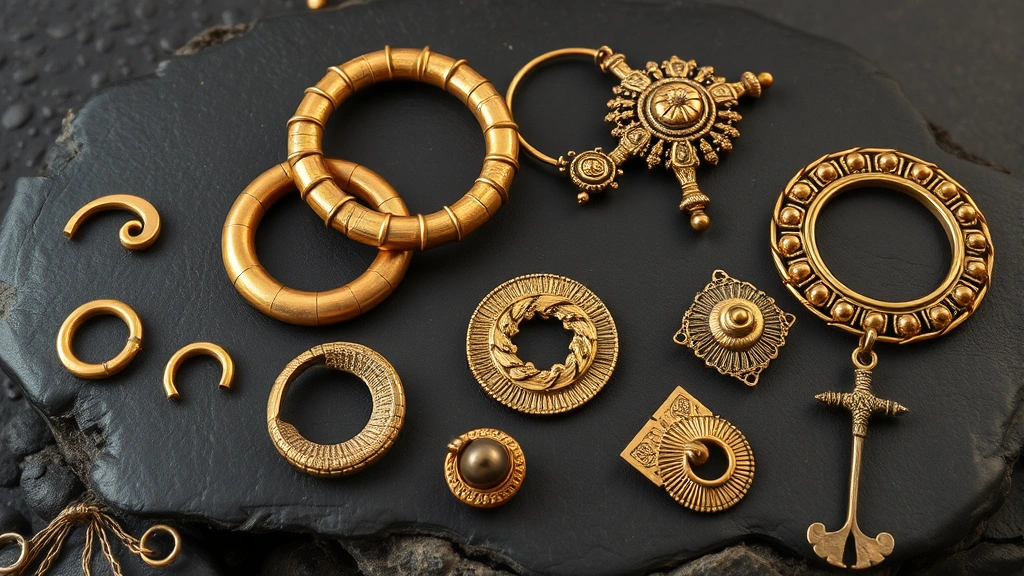
While ancient Greek fashion emphasized garment simplicity, accessories provided opportunities for personal expression and status display. Fibulae, decorative pins fastening garments at the shoulders, evolved from purely functional objects into status symbols, with wealthy Greeks wearing fibulae crafted from precious metals and adorned with gemstones. Bronze fibulae served the working classes, while gold and silver versions marked aristocratic status.
Jewelry in ancient Greece served both aesthetic and spiritual purposes. Necklaces, bracelets, earrings, and rings crafted from gold, silver, and bronze displayed wealth while often incorporating religious symbolism. Women wore more elaborate jewelry than men, with married women displaying distinctive pieces signifying their marital status. The craftsmanship of Greek jewelry influenced jewelry design for centuries, with neoclassical revival movements constantly referencing Greek aesthetic principles.
Hair ornamentation represented another crucial accessory category, with elaborate hairstyles requiring decorative combs, hairpins, and binding materials. Stephane (decorative headbands) and diadems marked special occasions and social status, with royal women wearing particularly elaborate versions. The Greek ideal of beauty emphasized well-groomed, carefully arranged hair as much as facial features or body shape.
Footwear, though often overlooked, represented an important fashion element. Sandals ranged from simple leather soles to elaborate versions with decorative straps and precious metal ornaments. Indoors, Greeks often went barefoot, reserving sandals for public appearances and travel. The quality and style of one’s sandals communicated social position as clearly as garment choice.
Interestingly, ancient Greeks viewed excessive jewelry and ornamentation with some suspicion in democratic contexts, seeing restraint as virtuous. This philosophy created a distinctive aesthetic where quality of craftsmanship mattered more than quantity of adornment—a principle modern Harper’s Bazaar fashion trend forecasting often returns to when discussing timeless style.
Male Fashion and Athletic Aesthetics
Ancient Greek male fashion developed distinctive characteristics reflecting the culture’s emphasis on physical fitness, athletic competition, and civic participation. Young men, particularly athletes training for Olympic competition, often wore minimal clothing—sometimes just a simple himation or even competed nude, a practice shocking to many ancient Mediterranean cultures. This comfort with the male body reflected Greek philosophical ideals about beauty, strength, and natural human form.
The chlamys, a short cloak worn primarily by young men and soldiers, became iconic in Greek military fashion. This practical garment, fastened with a fibula on one shoulder, allowed freedom of movement for combat while providing weather protection. The chlamys represented a more masculine alternative to the more formal himation, and its adoption became a rite of passage for young men entering military service.
Mature men adopted the longer himation as their primary garment, arranging it in increasingly formal configurations as they aged and achieved higher social status. Philosophers and statesmen were often depicted wearing the himation in ways that emphasized dignity and intellectual authority. The garment’s draping became almost a visual representation of social role, with different arrangements signifying different civic positions.
Male fashion emphasized muscularity and physical fitness through garment selection that revealed the body’s contours. Unlike many ancient and medieval cultures that valued concealment, Greeks celebrated the athletic male form, and fashion choices reflected this cultural priority. This celebration of masculine physicality through fashion created distinctive aesthetic values that influenced art, sculpture, and literature throughout the Greek world.
Female Fashion and Domestic Elegance
Ancient Greek female fashion navigated complex social expectations, balancing modesty requirements with aesthetic expression and status display. Married women, particularly in conservative Athens, wore more concealing garments than unmarried girls, with the himation providing full-body coverage when worn in formal settings. This fashion distinction visually communicated marital status and social role, creating a complex visual language understood by all citizens.
The peplos became particularly associated with Athenian women of citizen status, with its distinctive overfold creating an elegant silhouette while providing appropriate coverage. The peplos could be worn with various adjustments, allowing individual variation within socially acceptable parameters. Wealthy women wore peplos in fine linen with elaborate decorative borders, while working-class women wore simpler wool versions.
Spartan women shocked other Greeks by wearing shorter garments that revealed the leg—a scandalous departure from Athenian norms. Spartan women also participated in athletic training and public activities in ways that horrified conservative Greeks, and their fashion choices reflected this radical social freedom. This regional variation in female fashion preferences demonstrates how fashion choices communicate social values across cultures and time periods.
Female hairstyles carried significant meaning, with unmarried girls often wearing their hair down or in simple arrangements, while married women wore more elaborate updos often covered by the himation. Hair color, while not altered through dyeing in the Greek period, was emphasized through careful grooming and arrangement. Blonde hair, rare among Mediterranean populations, was particularly prized and sometimes artificially lightened using plant-based preparations.
The female body ideal in ancient Greece emphasized fertility and health rather than extreme thinness, with fashion designed to enhance rather than conceal natural curves. This contrasts sharply with many later historical periods and even some contemporary fashion ideals, reminding us that beauty standards and fashion aesthetics vary dramatically across time and culture.
Religious and Ceremonial Dress
Ancient Greek religious practice generated distinctive fashion requirements, with priests, priestesses, and ceremony participants wearing specific garments communicating their sacred roles. Priestesses often wore distinctive peplos versions in sacred colors, sometimes incorporating religious symbols woven or embroidered into the fabric. The priestess of Athena, one of Athens’ most important religious positions, wore garments specifically designated for her role, marking her sacred authority.
Religious processions and festivals required participants to wear white or light-colored garments symbolizing purity and divine connection. The Panathenaea, Athens’ most important festival honoring Athena, featured elaborate processions where participants wore distinctive white garments and carried sacred objects. These ceremonial dress codes created a visual spectacle that reinforced religious values and civic unity.
Sacrificial participants wore white garments and sometimes special headpieces, with careful attention to garment cleanliness and arrangement. The Greeks believed that proper dress honored the gods, and slovenly appearance during religious ceremonies could be interpreted as disrespect. This connection between fashion, grooming, and spiritual devotion influenced how Greeks approached everyday dress, seeing proper appearance as a form of respect for society and the divine.
Wedding ceremonies involved distinctive dress, with brides wearing elaborate garments decorated with religious symbols and sometimes wearing special jewelry passed down through families. The groom wore formal himation arrangements, with the ceremony itself becoming a public display of family wealth and social standing through the quality and decoration of the couple’s garments.
Ancient Greek Fashion’s Modern Legacy
The influence of ancient Greek fashion extends far beyond historical interest, shaping how contemporary designers approach silhouette, draping, and the relationship between garment and body. Luxury fashion houses regularly reference Greek aesthetics, recognizing that the timeless elegance of Hellenic design transcends temporal boundaries. From Valentino’s flowing gowns to contemporary designers’ experiments with strategic draping, Greek fashion principles remain relevant.
Modern bridal fashion frequently draws inspiration from Greek silhouettes, with the columnar peplos serving as template for contemporary wedding dress designs. The emphasis on elegant simplicity, quality fabrics, and strategic draping that defined Greek fashion aligns perfectly with contemporary minimalist aesthetic movements. Fashion designers understand that Greek fashion achieved sophistication through proportion and quality rather than ornamentation.
The neoclassical fashion movements of the late 18th and early 19th centuries explicitly referenced Greek aesthetics, with designers like Charles Frederick Worth and later fashion innovators returning repeatedly to Greek principles of draping and proportion. Even today, fashion historians studying contemporary fashion trend reports recognize echoes of ancient Greek design philosophy in minimalist and luxury collections.
Understanding ancient Greek fashion provides crucial context for developing personal style principles. The Greek emphasis on quality over quantity, proportion over decoration, and individual expression within social parameters offers timeless guidance for modern dressers seeking elegance and authenticity. The sophistication of Greek fashion lay not in complexity but in the masterful execution of simple principles.
Fashion historians and contemporary designers continue studying ancient Greek garments, recognizing that the basic principles—understanding one’s body, choosing appropriate proportions, selecting quality fabrics, and mastering the art of draping—remain eternally relevant. The Greek approach to fashion as a form of personal expression within cultural parameters provides a model for contemporary style seekers navigating the tension between individuality and social expectation.
The democratic ideals embedded in Greek fashion—where the same garment could be worn in multiple ways by different social classes—resonate with modern fashion’s growing emphasis on inclusivity and personal interpretation. As contemporary fashion increasingly rejects rigid dress codes and celebrates individual style, we’re returning to principles the ancient Greeks understood millennia ago: that true elegance emerges from understanding proportion, quality, and one’s own body rather than from following restrictive rules.
FAQ
What was the most common garment worn in ancient Greece?
The chiton served as the primary undergarment for most Greeks, worn by both men and women. This simple rectangular piece of linen or wool, fastened at the shoulders with fibulae, formed the foundation of Greek fashion. Its versatility allowed endless variations through different draping techniques and belt arrangements.
How did social class affect fashion choices in ancient Greece?
Social class dramatically influenced fabric quality, dye colors, and accessory choices. Wealthy Greeks wore fine linen and expensive purple-dyed garments with precious metal fibulae and jewelry, while working-class Greeks wore undyed wool or naturally colored linen with simple bronze accessories. The basic garment types remained consistent, but material quality and ornamentation clearly communicated social status.
What distinguished Athenian fashion from Spartan fashion?
Athenian fashion emphasized modest, formal draping and elaborate himation arrangements reflecting democratic values and social hierarchy. Spartan fashion rejected ornamentation entirely and featured shorter garments revealing more of the body, reflecting Sparta’s different cultural values and women’s greater participation in public athletic activities.
How important was purple dye in ancient Greek fashion?
Purple dye held enormous significance in ancient Greek fashion, representing luxury, wealth, and power. The dye required thousands of murex shells to produce small quantities, making purple-dyed garments extraordinarily expensive and exclusive to the wealthy aristocracy. Purple eventually became so associated with imperial authority that its use was legally restricted.
What role did accessories play in ancient Greek fashion?
Accessories provided crucial opportunities for personal expression and status display within the context of simple basic garments. Fibulae, jewelry, headpieces, and sandals communicated wealth, marital status, and social role. Quality craftsmanship of accessories mattered more than quantity, reflecting the Greek principle of sophrosyne—moderation and restraint.
How does ancient Greek fashion influence modern design?
Contemporary designers continuously reference Greek fashion principles—elegant draping, emphasis on proportion, quality fabrics, and strategic simplicity. Luxury fashion houses recognize that Greek design achieved timeless sophistication through masterful execution of basic principles rather than ornamental complexity. Modern minimalist and neoclassical movements explicitly draw inspiration from Greek aesthetic values.