Embrace Hippie Fashion: Designer Insights & Modern Interpretations
Hippie fashion represents far more than a nostalgic nod to the 1960s and 70s—it’s a timeless philosophy woven into fabric, color, and attitude. This iconic style celebrates individuality, peace, and a deliberate rejection of mainstream conformity. Today’s fashion designers are rediscovering the magnetic appeal of bohemian aesthetics, infusing contemporary wardrobes with tie-dye patterns, flowing silhouettes, and earth-toned palettes that feel both retro and remarkably relevant.
The resurgence of hippie fashion isn’t merely cyclical; it’s a conscious embrace of sustainable values, artisanal craftsmanship, and self-expression that resonates with modern consumers seeking authenticity. Whether you’re exploring 90s fashion influences or discovering how to find your personal style, hippie elements offer transformative possibilities for creating a wardrobe that speaks to your values and aesthetic sensibilities.
The Origins and Evolution of Hippie Fashion
The hippie movement emerged during the 1960s counterculture, born from a desire to challenge societal norms and embrace peace, love, and freedom. Fashion became the visual language of this revolution. Young people rejected the rigid, structured clothing of their parents’ generation, opting instead for flowing garments that allowed physical freedom and reflected their spiritual awakening. The movement’s epicenter in San Francisco’s Haight-Ashbury district became a fashion laboratory where vintage pieces, handmade garments, and unconventional styling converged.
What began as a rebellious statement evolved into a comprehensive aesthetic philosophy. Hippie fashion drew inspiration from diverse sources: Native American textiles, Indian traditional wear, Eastern spiritual practices, and African tribal patterns. This cultural synthesis created a distinctive visual language that celebrated global diversity and rejected Western materialistic values. The authenticity of the movement meant that fashion choices weren’t about brand names or status symbols—they were about personal expression and alignment with one’s values.
As the 1970s progressed, hippie fashion became more refined and accessible. The movement’s influence permeated mainstream fashion, with designers incorporating bohemian elements into luxury collections. What started as thrift-store finds and homemade garments eventually inspired high-fashion interpretations, proving that hippie style possessed timeless appeal beyond its countercultural origins.
Essential Elements of Hippie Style
Understanding the core components of hippie fashion helps you authentically embrace this aesthetic. The style isn’t about random bohemian pieces thrown together—it’s a cohesive approach to dressing that prioritizes comfort, individuality, and visual harmony.
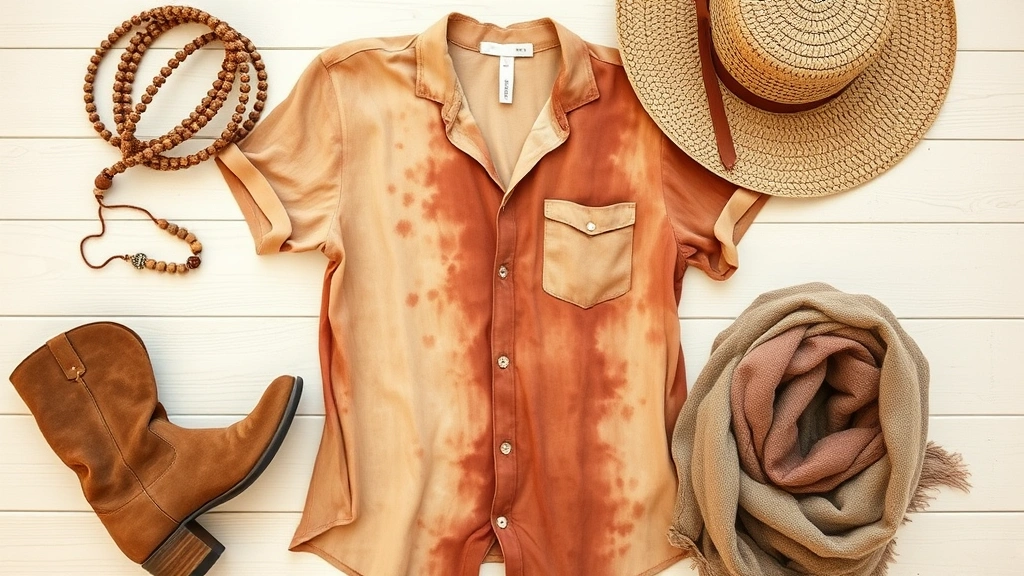
Tie-Dye and Psychedelic Prints: Perhaps the most recognizable element, tie-dye represents the artistic, DIY spirit of the movement. The unpredictable patterns symbolized freedom and uniqueness. Modern interpretations include subtle tie-dye accents rather than head-to-toe saturation, offering sophistication alongside nostalgia. Psychedelic prints—swirling patterns, geometric shapes, and kaleidoscopic designs—add visual interest and playfulness to any hippie-inspired outfit.
Flowing Silhouettes: Hippie fashion prioritizes movement and comfort over body-conscious tailoring. Maxi skirts, bell-bottom pants, and oversized tunics dominate the aesthetic. These garments allow freedom of movement, reflect spiritual values of non-conformity, and create an ethereal, graceful appearance. The key is balancing proportions—if you wear a voluminous top, pair it with fitted bottoms, and vice versa.
Natural Fabrics: Linen, cotton, hemp, and suede represent the hippie commitment to natural materials. These breathable, sustainable fabrics align with both comfort needs and environmental consciousness. The texture of natural fabrics adds authenticity to the look, creating visual depth through weaving patterns and natural color variations.
Earth Tones and Warm Colors: Ochre, terracotta, sage green, warm browns, and deep burgundies form the hippie color palette. These hues connect wearers to nature and create a grounded, harmonious aesthetic. Cream, white, and off-white serve as neutral anchors, while occasional jewel tones add richness without disrupting the overall earthy vibe.
Fringe and Macramé Details: These textural elements add movement and bohemian flair. Fringe appears on vests, bags, and shawls, while macramé adorns accessories and clothing details. These embellishments are handcrafted, reflecting the DIY ethos and artisanal values central to hippie philosophy.
Modern Interpretation by Contemporary Designers
Today’s fashion designers recognize hippie style’s enduring appeal and are reimagining it for contemporary audiences. Rather than mere historical recreation, these designers extract the philosophy behind the aesthetic and translate it into modern silhouettes and sustainable practices.
Luxury Bohemian Brands: Designers like Isabel Marant, Etoile, and Free People have built entire collections around bohemian principles. They combine hippie aesthetics with contemporary tailoring, creating pieces that feel both nostalgic and current. These brands often emphasize artisanal production, fair-trade partnerships, and sustainable sourcing—values that connect directly to the original hippie ethos.
Sustainable Fashion Integration: Progressive designers are using hippie fashion as a vehicle for sustainability messaging. By emphasizing natural fabrics, ethical production, and timeless design, they’re creating hippie-inspired pieces that challenge fast-fashion culture. This alignment between hippie values and modern sustainability concerns makes the aesthetic particularly relevant today.
High-Fashion Reinterpretations: Luxury fashion houses have repeatedly drawn from hippie archives. Gucci’s creative directors have referenced bohemian aesthetics, while brands like Chloé consistently feature flowing silhouettes and earthy palettes. These high-fashion interpretations elevate hippie elements through premium fabrics, impeccable construction, and innovative design approaches. When exploring Fashion Nova dresses, you’ll notice how contemporary brands blend bohemian elements with modern silhouettes.
Inclusivity and Diversity: Modern designers are democratizing hippie fashion by offering it across size ranges and price points. This accessibility ensures the style isn’t limited to niche audiences but can be embraced by anyone seeking self-expression through clothing. Diverse representations in campaigns and collections also honor the original movement’s celebration of individuality.
Understanding how to build your aesthetic foundation helps when exploring hippie influences. Many people find that reading about finding your personal style helps them authentically integrate hippie elements rather than adopting them superficially.
How to Style Hippie Fashion Today
Creating a cohesive hippie-inspired wardrobe requires thoughtful curation and understanding proportions. The goal is achieving an effortlessly bohemian look that feels authentic rather than costume-like.
Building Your Hippie Wardrobe Foundation: Start with neutral basics in natural fabrics—cream linen shirts, tan cotton pants, and white flowing dresses serve as anchors. Add earth-toned pieces gradually: a sage green cardigan, an ochre linen jacket, or a terracotta maxi skirt. These foundational pieces make it easier to incorporate bold hippie elements without overwhelming your look.
Layering Techniques: Hippie fashion thrives on layering. Combine a fitted tank with a flowing cardigan, or wear a structured vest over a loose tunic. Layering creates visual interest, allows temperature flexibility, and embodies the bohemian aesthetic of mixing and matching pieces. Scarves, shawls, and kimonos serve as versatile layering pieces that add dimension and movement.
Mixing Prints and Textures: While it might seem risky, combining tie-dye with macramé or pairing patterned fabrics requires a unifying element—typically color. If your tie-dye features predominantly warm tones, pair it with solid pieces in complementary earth tones. Texture mixing (smooth linen with chunky knit) adds sophistication and prevents the look from feeling costume-like.
Balancing Proportions: Pair voluminous tops with fitted bottoms and vice versa. A flowing maxi skirt pairs beautifully with a fitted tank or cropped top. Wide-leg bell-bottom pants work with a tucked-in blouse or fitted cardigan. This balance creates a flattering silhouette while maintaining the bohemian aesthetic.
Occasion-Appropriate Styling: Hippie fashion adapts to various contexts. For casual settings, combine a tie-dye tee with vintage jeans and sandals. For professional environments, choose a flowing midi dress in solid earth tones with structured accessories. For evening events, opt for a maxi dress in luxe fabrics with layered jewelry and minimal accessories.
Sustainability and Ethical Fashion
The resurgence of hippie fashion parallels growing consciousness about environmental and ethical concerns in fashion. The original movement’s values align remarkably well with contemporary sustainability imperatives.
Natural and Organic Materials: Hippie fashion’s preference for natural fabrics—organic cotton, linen, hemp, and recycled materials—reduces environmental impact compared to synthetic alternatives. These materials are biodegradable, require fewer chemical treatments, and often involve more ethical production processes. Seeking out garments made from organic materials directly supports sustainable fashion practices.
Vintage and Thrift Shopping: The hippie tradition of wearing vintage and secondhand clothing represents the ultimate sustainable practice. Shopping thrift stores, consignment shops, and online vintage platforms extends garment lifecycles and reduces demand for new production. This approach also ensures your pieces are genuinely unique, embodying the hippie spirit of individuality.
Artisanal and Fair-Trade Production: Many contemporary hippie-inspired brands partner with artisanal producers and fair-trade organizations. Supporting these brands ensures workers receive fair wages and work in safe conditions. This ethical commitment reflects the original hippie movement’s values of community care and social responsibility.
Timeless Design Philosophy: Hippie fashion’s emphasis on timeless pieces over trendy items encourages a slower, more thoughtful approach to consumption. By investing in quality basics and versatile pieces, you build a wardrobe that lasts years, reducing overall consumption and waste. This philosophy directly contradicts fast-fashion culture.
For those interested in deeper fashion education, exploring fashion design degree programs reveals how contemporary designers are integrating sustainability into their practice.
Accessories That Define the Look
Accessories are crucial for completing a hippie-inspired outfit. They add personality, texture, and the finishing touches that distinguish bohemian style.
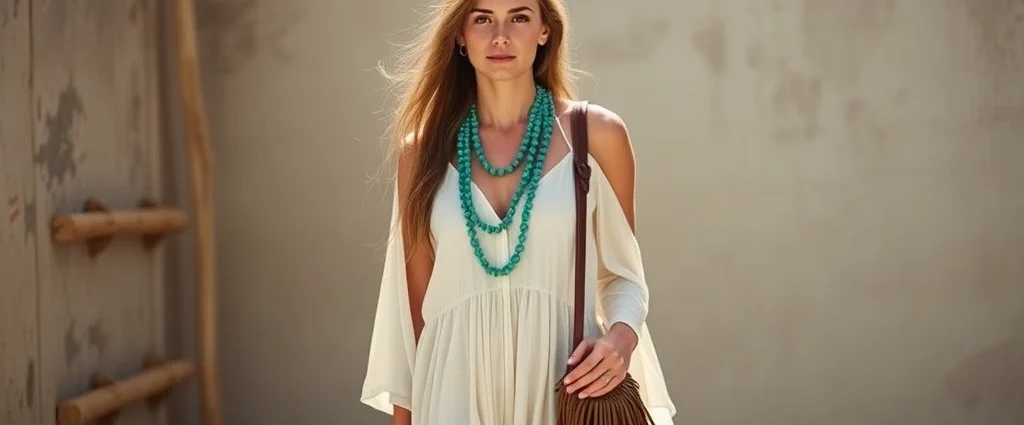
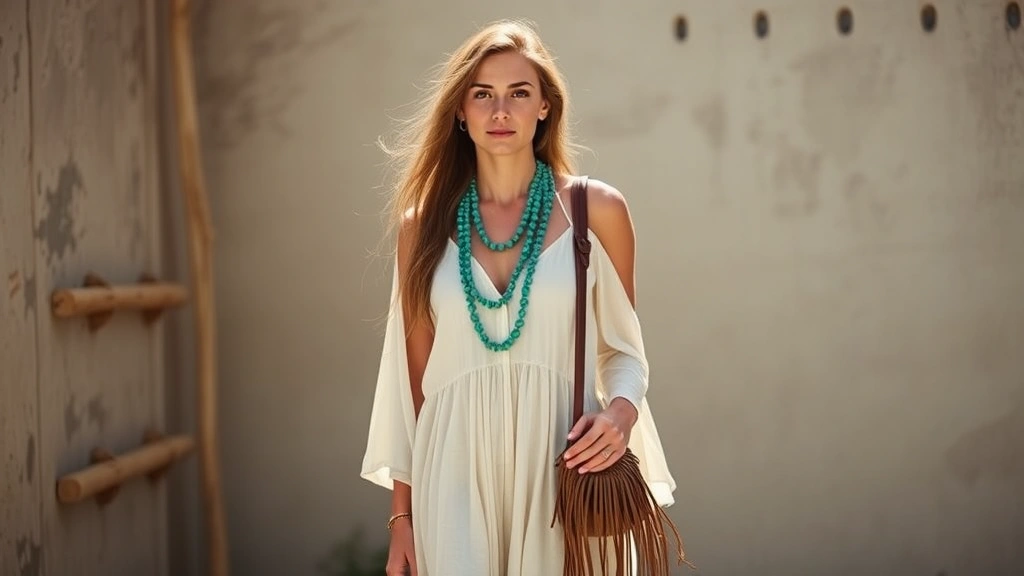
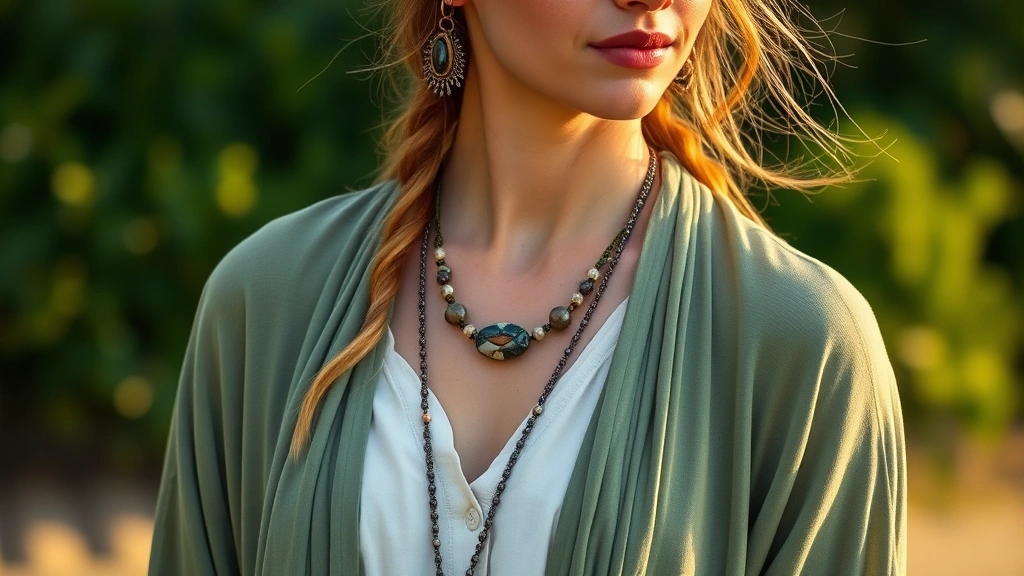
Jewelry: Layered necklaces featuring turquoise, amber, or wooden beads create an authentic hippie aesthetic. Long pendant necklaces, chunky statement rings, and stacked bracelets add visual interest. Consider pieces featuring natural stones, symbols (peace signs, moons), or ethnic-inspired designs. Avoid overly polished, formal jewelry; the goal is organic, artisanal-looking pieces.
Bags and Totes: Fringed leather bags, woven totes, and macramé shoulder bags perfectly complement hippie fashion. Look for natural leather, canvas, or woven materials in earth tones. Fringe details, beaded accents, and ethnic patterns enhance the bohemian vibe. Oversized totes work well for casual settings, while smaller crossbody bags suit more refined occasions.
Footwear: Sandals, moccasins, and boots in natural leather or suede align with hippie aesthetics. Gladiator sandals, embellished flip-flops, and soft suede boots offer comfortable, stylish options. Avoid overly structured or modern athletic styles; seek shoes with organic appeal and handcrafted details.
Head Accessories: Headbands, bandanas, and wide-brimmed hats add bohemian flair. Beaded headbands, fabric head wraps, and flower crowns create whimsical touches. Wide-brimmed felt or straw hats provide practical sun protection while enhancing the aesthetic.
Shawls and Scarves: These versatile pieces layer beautifully and add movement. Paisley-patterned shawls, fringe scarves, and ethnic textiles work with almost any hippie outfit. They provide warmth, visual interest, and adaptability across seasons and occasions.
Celebrity Influence on Bohemian Trends
Contemporary celebrities have significantly influenced the mainstream acceptance and reinterpretation of hippie fashion. Their styling choices demonstrate how bohemian aesthetics translate to modern contexts.
Fashion-forward celebrities like Sienna Miller, Vanessa Hudgens, and Gigi Hadid have embraced bohemian style, featuring it prominently in street style photography and red carpet appearances. Their interpretations balance hippie elements with contemporary fashion, proving the aesthetic’s versatility and timeless appeal. These celebrities often pair vintage hippie pieces with modern accessories, creating hybrid looks that feel current rather than historically costume-like.
Festival culture has amplified bohemian fashion’s visibility. Music festivals like Coachella and Glastonbury serve as bohemian fashion showcases where attendees and performers express themselves through hippie-inspired outfits. These events validate the aesthetic’s relevance and inspire mainstream fashion adoption of bohemian elements.
Social media influencers have democratized hippie fashion access. By sharing styling tips, thrift finds, and DIY customization ideas, influencers make the aesthetic achievable for diverse audiences. This grassroots approach mirrors the original hippie movement’s DIY ethos and community-oriented values.
Visit StyleLoom Daily Blog for more contemporary fashion insights and trend analysis.
FAQ
What’s the difference between hippie and bohemian fashion?
While often used interchangeably, these terms have nuanced differences. Hippie fashion specifically references 1960s-70s counterculture aesthetics and philosophy. Bohemian fashion is broader, encompassing various artistic, unconventional styles inspired by bohemian lifestyles. Hippie fashion is a subset of bohemian style, characterized by specific elements like tie-dye, peace symbols, and explicit countercultural values. Bohemian fashion can be more refined and less overtly political.
Can I wear hippie fashion to professional settings?
Absolutely. Choose neutral earth tones, solid colors, and refined silhouettes. A flowing midi dress in cream or sage green with structured accessories works professionally. Avoid tie-dye, excessive fringe, and bold prints in formal contexts. Focus on the comfort and natural fabrics of hippie fashion while maintaining professional polish through tailoring and accessory choices.
How do I avoid looking costume-like when wearing hippie fashion?
Balance is key. Mix hippie elements with contemporary pieces. Pair a vintage tie-dye shirt with modern jeans and current footwear. Use subtle hippie accents—a beaded necklace, one patterned piece, or earth-tone layering—rather than head-to-toe bohemian styling. Ensure pieces fit well and feel intentional rather than thrown together. Quality matters; invest in well-made pieces rather than cheap costume-like garments.
Where can I find authentic hippie fashion pieces?
Vintage and thrift stores offer genuine vintage pieces with authentic history. Online platforms like Etsy feature handmade and vintage hippie-inspired clothing. Contemporary brands like Free People, Isabel Marant, and Spell & The Gypsy Collective create modern hippie fashion. Consider supporting fair-trade and ethical brands that embody the original movement’s values.
What’s the best way to incorporate tie-dye into modern outfits?
Start with subtle tie-dye accents rather than statement pieces. A tie-dye tee paired with solid-colored bottoms works well. Choose tie-dye in muted, earthy color combinations rather than bright neon tones. Layer a tie-dye piece under a solid cardigan or jacket. Vintage tie-dye often features more sophisticated color palettes than contemporary versions, making it easier to style.
Are there specific body types that suit hippie fashion?
Hippie fashion is inclusive and adaptable to all body types. The flowing silhouettes provide comfort and flattering coverage. Focus on proper proportion balancing—voluminous pieces paired with fitted ones. Maxi lengths work for various heights when tailored appropriately. The emphasis on comfort and self-expression means you can adapt hippie elements to suit your body and personal preferences.
How do I make my hippie outfit feel modern rather than retro?
Mix eras intentionally. Pair vintage pieces with contemporary accessories, modern footwear, and current styling techniques. Use updated makeup and hairstyles rather than 1970s replications. Incorporate current silhouettes with hippie elements—a modern-cut jacket in earth tones, contemporary denim styled with bohemian accessories. Choose quality, well-fitted pieces rather than oversized or slouchy garments. The goal is honoring hippie aesthetics while clearly existing in the present moment.
For more fashion inspiration and trend analysis, explore Vogue’s latest collections, discover The Guardian’s fashion coverage, and follow Business of Fashion for industry insights. Learn from fashion education resources and stay updated with WWD for designer news.