How to Style Long Hair? Hairstylist Insights & Fashion-Forward Techniques
Long hair is a canvas for endless styling possibilities, yet many people struggle to move beyond their everyday routine. Whether you’re working with waist-length waves or tailbone-touching strands, understanding the fundamentals of long hair styling can transform your entire aesthetic. Professional hairstylists know that the key to stunning long hair isn’t just about the cut or color—it’s about mastering techniques that complement your face shape, lifestyle, and personal aesthetic.
In this comprehensive guide, we’ll explore expert-backed styling methods that work with your hair’s natural texture while creating versatile looks for every occasion. From casual everyday styles to red-carpet ready waves, these insights come directly from industry professionals who spend their days creating transformative looks. Whether you’re exploring how to find your personal style or simply seeking fresh inspiration for your long locks, this guide provides actionable advice you can implement immediately.
Understanding Your Hair Type and Texture
Before diving into styling techniques, professional hairstylists emphasize the importance of understanding your unique hair characteristics. Not all long hair is created equal, and what works beautifully for someone with naturally straight hair may require adaptation for curly or wavy textures. According to Vogue’s hair experts, identifying your hair type is the first step toward creating a personalized styling routine.
Hair texture exists on a spectrum from straight (Type 1) through wavy (Type 2), curly (Type 3), and coily (Type 4). Within each category, there are variations in thickness, density, and porosity. Thick, coarse hair requires different styling approaches than fine, delicate strands. Porous hair absorbs moisture quickly and may need different product formulations than low-porosity hair that resists moisture absorption. High-level stylists assess these factors during consultations to recommend appropriate techniques and products.
Your hair’s natural curl pattern, if you have one, should influence your styling choices. Fighting against your hair’s inherent texture leads to frustration and damage. Instead, professional stylists suggest working with your natural texture while using techniques that enhance rather than fight it. This philosophy applies whether you’re embracing your waves or creating defined curls through styling methods.
Foundation Techniques Every Stylist Uses
Master hairstylists rely on several core techniques that form the foundation of virtually every long hair style. These techniques appear repeatedly across different looks because they’re universally effective when executed properly. Understanding these fundamentals allows you to create polished styles at home or communicate effectively with your stylist about desired results.
Blow-Drying Fundamentals: The blow-dry is where most styling begins. Professional stylists use directional airflow to create volume and shape. Rather than randomly drying hair, they section the hair and work methodically from roots to ends. Using a concentrator nozzle on your blow dryer creates directional control, while a diffuser attachment is essential for those with curls or waves. The key insight professionals share is that the direction you dry your hair determines its final volume and movement. Drying away from the face creates lift at the roots, while drying in the direction of your desired style enhances that direction.
Sectioning and Clipping: Long hair requires strategic sectioning for manageability. Professional stylists divide hair into four to six sections using clips, allowing them to work methodically. This technique prevents tangling, ensures even product distribution, and allows you to focus on smaller, more manageable portions. When styling at home, taking time to section your hair reduces frustration and produces more polished results.
Heat Tool Techniques: Whether using a flat iron, curling iron, or wand, heat tool mastery separates amateur styling from professional results. Professionals understand tension control—the amount of pressure they apply while moving the tool through hair. Too much tension breaks hair; too little fails to create lasting style. They also understand temperature settings, using lower heat for fine or damaged hair and higher heat for thick or resistant textures.
The Elle Beauty team recommends investing in quality heat tools with ionic technology to reduce frizz and damage. Professional-grade tools heat more evenly and maintain consistent temperature, resulting in better styling outcomes.
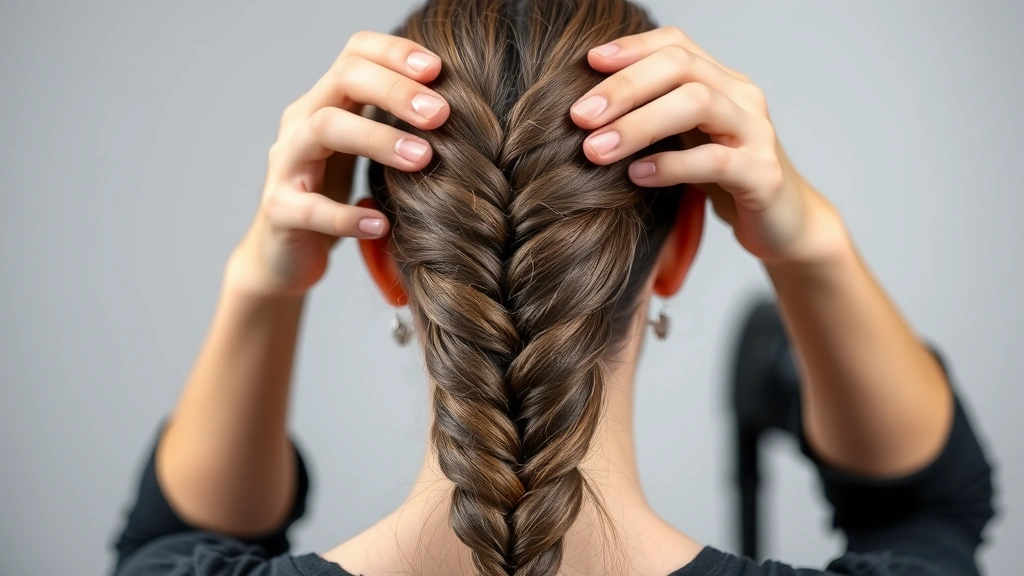
Braiding and Twisting: These techniques create texture and hold without heat damage. Hairstylists use various braiding methods—French braids, Dutch braids, fishtail braids—as both standalone styles and as components within larger looks. Twisted sections add visual interest and can be incorporated into updos or worn as standalone elements. Mastering these techniques expands your styling repertoire significantly.
Everyday Styling Looks That Work
Long hair doesn’t require elaborate styling every day. Professional hairstylists emphasize that the best everyday style is one you’ll actually wear consistently. These looks should be achievable in 10-15 minutes, require minimal heat damage, and work with your hair’s natural tendencies.
The Textured Wave: This effortless-looking style appears polished without requiring perfection. Create it by applying texturizing spray to damp hair, blow-drying with a diffuser, then using a large-barrel curling iron to add gentle waves. The beauty of this look is that imperfect waves appear intentional and modern. 90s fashion revived this aesthetic, and it remains a staple in contemporary styling.
The Half-Up Style: This versatile look works for any hair type and takes minutes to create. Section off the top portion of your hair and secure with a clip or elastic. You can leave the bottom half straight, wavy, or curled. Add a silk scrunchie or decorative clip for polish. Hairstylists love this style because it keeps hair off the face while maintaining the impact of long hair down the back.
The Sleek Ponytail: A sleek, low ponytail conveys sophistication and works for professional settings or casual outings. Apply smoothing serum to damp hair before blow-drying straight. Gather hair into a low ponytail and use a fine-tooth comb to smooth flyaways. Wrap a small section of hair around the elastic base to conceal it. This polished touch is what professionals do to elevate a simple style.
Braided Styles: A simple three-strand braid or French braid down the back works for any occasion. These styles distribute hair weight evenly, reduce breakage, and look intentional. Fishtail braids create more visual interest and appear more complex than they actually are. Braids also work beautifully with second-day or textured hair, making them practical for busy lifestyles.
The Messy Bun: Contrary to its name, a well-executed messy bun requires technique. Gather hair into a high ponytail, twist or braid it loosely, then wrap around the base to form the bun shape. Secure with bobby pins and pull out a few face-framing pieces. Use texturizing spray to enhance the intentional texture. This style works for gym sessions, casual outings, or when you want to feel polished without appearing overdone.
Special Occasion Hairstyles
When styling for events, weddings, or special occasions, long hair offers tremendous advantages. The length provides canvas for elaborate styling while maintaining the elegance that long hair naturally conveys. Professional stylists follow specific protocols when creating occasion hairstyles.
Romantic Waves and Curls: For formal events, defined waves or curls create elegance. Professionals create these using various methods: large-barrel curling irons for loose waves, medium barrels for defined curls, or even traditional pin curls for vintage-inspired looks. The key is consistency—all curls should be similar in size and direction. After curling, allow curls to cool completely before running your fingers through them. This sets the style and creates longer-lasting hold.
Intricate Updos: Long hair allows for complex updo styles that shorter hair cannot accommodate. These might include twisted elements, braided sections, or sculpted waves incorporated into an updo. Professional stylists use bobby pins strategically, teasing for grip, and finishing spray to ensure the style lasts throughout an event. They often practice the style beforehand if working with a client for the first time.
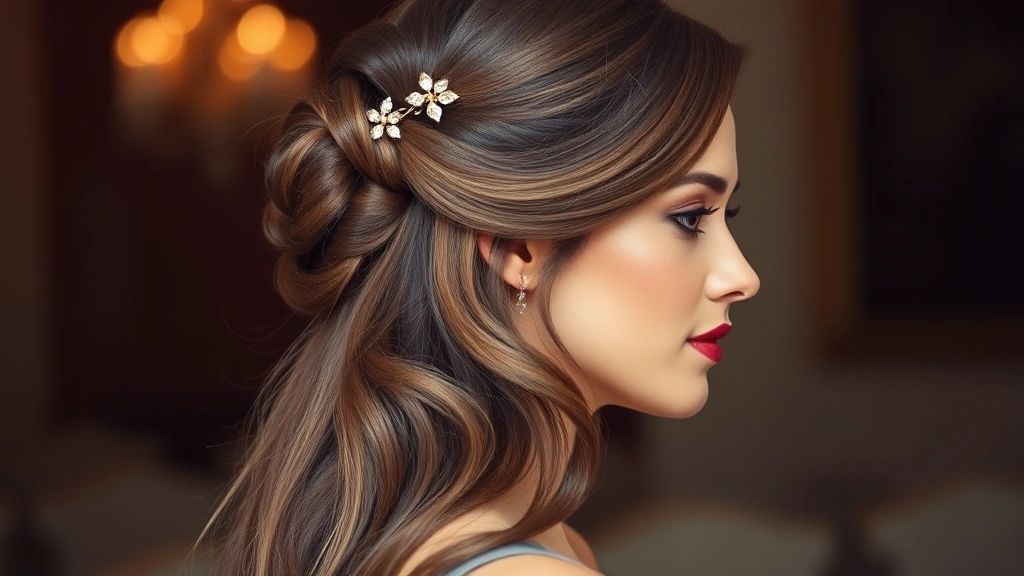
Half-Up, Half-Down Elegance: This style bridges casual and formal, creating an ethereal yet polished appearance. Section off the top portion, add texture through waves or curls to the bottom section, then secure the top with a decorative comb, clip, or small braid. This style complements most face shapes and works beautifully for weddings, proms, or formal dinners.
Accessorized Styles: Hair accessories transform simple styles into special occasion looks. Jeweled clips, pearl-studded bobby pins, delicate hair vines, or silk ribbons woven through braids elevate everyday techniques into occasion-ready styles. Professional stylists use accessories strategically, ensuring they complement the overall look without overwhelming it.
When exploring how to style long hair for special occasions, consider your dress style, venue, and personal comfort. The most beautiful hairstyle is one you feel confident wearing.
Hair Health and Maintenance Secrets
Professional hairstylists emphasize that styling and hair health are inseparable. Beautiful long hair requires consistent care and maintenance. Stylists who work with long hair regularly share specific practices that keep hair healthy despite frequent styling.
Regular Trims: Contrary to popular belief, regular trims don’t make hair grow slower—they keep it healthier. Professional stylists recommend trims every 6-8 weeks to remove split ends before they travel up the hair shaft. Long hair is more susceptible to split ends because older hair has traveled farther from the scalp and endured more environmental stress. Preventing split ends through regular trims maintains the smooth appearance that makes long hair look beautiful.
Deep Conditioning Treatments: Long hair requires more intensive conditioning than shorter styles. Professional stylists incorporate deep conditioning treatments into their routines, using them weekly or bi-weekly. These treatments penetrate the hair shaft more deeply than regular conditioners, restoring moisture and improving texture. Damaged or chemically treated hair benefits especially from regular deep conditioning.
Heat Protection: Every time you use heat styling tools, apply heat protectant spray or serum first. This creates a barrier between heat and hair, reducing damage significantly. Professional stylists never use heat tools without this step. Quality heat protectants contain silicones or oils that coat the hair and allow moisture to escape while protecting the protein structure.
Scalp Care: Healthy long hair starts at the scalp. Professional stylists emphasize regular scalp cleansing and exfoliation. Using a clarifying shampoo weekly removes product buildup that can weigh hair down. Scalp massages improve circulation, promoting healthier hair growth. A healthy scalp environment produces healthier hair from the roots.
Nighttime Protection: What you do at night significantly impacts hair health. Sleeping on a silk or satin pillowcase reduces friction that causes breakage and frizz. Alternatively, pineapple your hair—gather it loosely on top of your head in a scrunchie—to prevent damage from tossing and turning. These simple practices make noticeable differences in long hair health over time.
Tools and Products That Matter
Professional hairstylists invest in quality tools and products because they genuinely make a difference in styling outcomes. While you don’t need to spend a fortune, understanding which tools and products deserve investment helps you make smart purchasing decisions.
Essential Heat Tools: A quality blow dryer with ionic technology, a straightening iron, and a curling iron or wand form the foundation of a styling toolkit. Professional-grade tools maintain consistent temperature, heat more evenly, and last longer than budget options. Look for tools with adjustable heat settings—this flexibility prevents damage to different hair types.
Styling Products: Texturizing sprays, smoothing serums, volumizing mousses, and finishing sprays all serve specific purposes. Rather than buying numerous products, invest in a few high-quality options that address your specific needs. Texturizing spray enhances waves and adds grip for styling. Smoothing serums tame frizz and add shine. Volumizing products create lift at the roots. Understanding what each product does helps you use them effectively.
Brush and Comb Selection: Different brushes serve different purposes. Paddle brushes work well for detangling wet hair. Round brushes create volume during blow-drying. Boar bristle brushes distribute natural oils and add shine. Fine-tooth combs smooth flyaways and work well for precise styling. Having several options allows you to choose the right tool for each task.
Hair Accessories: Quality scrunchies, bobby pins, and clips make styling easier and protect hair. Silk scrunchies prevent creasing and breakage compared to elastic bands. Quality bobby pins stay in place better and don’t slip as easily. Investing in good accessories means they’ll actually hold your style rather than requiring constant adjustment.
Professional stylists often recommend specific brands based on experience. Research reviews, ask your stylist for recommendations, and invest gradually in quality items rather than buying numerous inexpensive products that underperform.
Styling Trends for Long Hair
Fashion hairstyles for long hair continue evolving, with new trends emerging regularly. Understanding current trends helps you make intentional choices about your style, whether you’re following trends or purposefully creating a timeless look. According to Refinery29’s trend forecasting, several directions are dominating long hair styling currently.
Maximalist Styling: Contrary to minimalist fashion trends, hair styling has moved toward maximalist approaches. This means fuller waves, more volume, and bolder styling choices. Rather than sleek perfection, textured, lived-in styles are highly desirable. This trend actually benefits those learning to style long hair, as perfection is no longer the goal.
Vintage-Inspired Waves: Vintage styling, particularly from the 1970s and 1980s, continues influencing long hair trends. Soft, romantic waves and feathered layers create effortless elegance. These styles work beautifully with fashion history’s cyclical nature, as styles from previous decades resurface with modern interpretations.
Braided Details: Intricate braiding has moved beyond special occasions into everyday styling. Dutch braids, boxer braids, and braided accents appear in professional settings and casual outfits. Combining braids with other styling elements—braids with loose waves, braids incorporated into buns—creates modern, sophisticated looks.
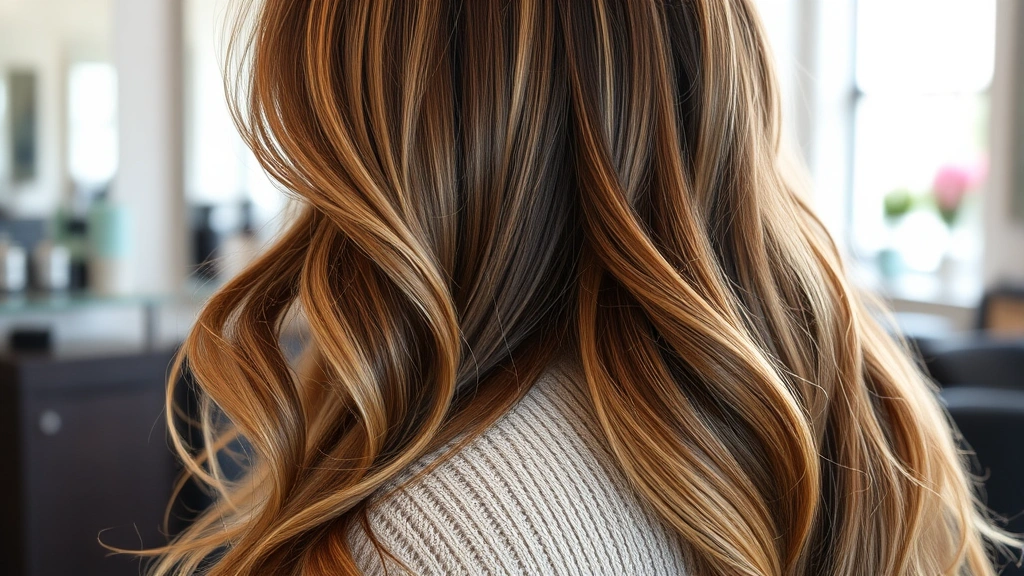
Colored Ends and Dimension: Balayage, highlights, and colored tips remain popular for long hair. These techniques add dimension and visual interest to long lengths. Rooted looks, where darker roots contrast with lighter ends, create intentional texture and depth. These coloring techniques work beautifully with long hair’s length, creating dramatic transformations.
Accessories as Statement: Hair accessories have evolved from functional items to fashion statements. Claw clips, pearl clips, and decorative bobby pins appear intentionally throughout styles. Silk ribbons, hair vines, and delicate chains woven through braids add luxury and personality. This trend allows for creative self-expression through styling.
Understanding current trends helps you decide which directions resonate with your personal style. Fashion schools worldwide teach that trends inform inspiration but shouldn’t dictate choices. The best style combines current elements with timeless classics and personal preference.
When considering trend adoption, ask yourself whether a trend aligns with your lifestyle and comfort level. Trends that require extensive daily maintenance may not work if you prefer low-maintenance styling. Conversely, if you enjoy frequent styling experimentation, trends offer exciting opportunities to refresh your look regularly.
FAQ
How often should I wash my long hair?
Professional stylists recommend washing long hair 2-3 times weekly, depending on your hair type and scalp condition. Washing too frequently strips natural oils, while infrequent washing allows product buildup. Those with oily scalps may need more frequent washing, while those with dry hair benefit from less frequent washing. Dry shampoo extends time between washes and adds texture.
What’s the best way to dry long hair without damage?
Always apply heat protectant before blow-drying. Use a concentrator nozzle to direct airflow, work in sections, and avoid excessive tension. Allow hair to air-dry partially before blow-drying completely. Lower heat settings reduce damage compared to high heat. Consider air-drying whenever possible to minimize heat exposure.
How can I create volume in thin long hair?
Volumizing products applied to damp roots before blow-drying create lift. Blow-dry roots upward and away from the scalp. Use a round brush to create volume during styling. Teasing at the roots provides grip for styles. Layers throughout the hair create the illusion of more volume. Avoid heavy products that weigh thin hair down.
What’s the difference between a braid and a plait?
These terms are often used interchangeably, though technically a plait is a specific type of braid. A three-strand plait is the most basic braiding technique. Other braids include French braids, Dutch braids, fishtail braids, and more. Learning various braiding techniques expands your styling options significantly.
How do I prevent split ends in long hair?
Regular trims every 6-8 weeks are essential. Use heat protectant before styling. Deep condition weekly. Minimize heat styling when possible. Use quality brushes and avoid aggressive brushing, especially when wet. Sleep on silk pillowcases to reduce friction. These practices combined significantly reduce split ends.
Can I style long hair without heat tools?
Absolutely. Braids, buns, half-up styles, and naturally textured looks all work without heat tools. Texturizing spray and salt spray create texture without heat. Sleeping in braids or pin curls creates waves without damage. Many professional stylists incorporate no-heat styling methods into their routines to minimize hair damage.
What products do professional stylists recommend most?
Quality heat protectant, texturizing spray, deep conditioning treatments, and finishing spray are staples in professional styling. Beyond these basics, recommendations vary based on individual hair needs. Consulting with a professional stylist about your specific hair concerns ensures personalized product recommendations.
How do I find a good hairstylist for long hair?
Look for stylists experienced with long hair, as it requires different techniques than shorter styles. Review portfolios showing long hair work. Read client reviews specifically mentioning long hair services. During consultations, communicate clearly about your hair goals and concerns. A good stylist listens, offers professional guidance, and makes you feel comfortable.
Is it better to style long hair wet or dry?
This depends on the style. Wet hair is ideal for smooth styles and heat styling, as it holds heat better. Dry hair works well for braids and textured styles that don’t require heat. Most professionals use a combination—blow-drying to create foundation, then finishing with additional styling as needed.
How can I make my long hair look fuller?
Layering throughout creates movement and fullness. Volumizing products and blow-drying techniques add body. Strategic teasing creates volume. Coloring techniques like highlights create dimension that makes hair appear fuller. Braids and texture create visual fullness. Combining multiple techniques creates the most dramatic fullness effect.