How to Swap Clothes? Fashion Exchange Tips for Building a Sustainable Wardrobe
Fashion exchange has revolutionized the way style enthusiasts refresh their wardrobes without breaking the bank or contributing to textile waste. Whether you’re looking to trade pieces with friends, participate in organized swap events, or explore digital platforms, clothing exchange offers an exciting opportunity to discover new styles while promoting sustainability. In our throwaway fashion culture, swapping clothes has become a powerful movement that transforms how we consume fashion and express our personal aesthetic.
The beauty of fashion exchange lies in its simplicity and mutual benefit. You get to pass along items that no longer serve your style while gaining fresh pieces that align with your current fashion sensibilities. This circular approach to fashion consumption not only extends the life cycle of quality garments but also builds community connections and encourages more mindful shopping habits. Whether you’re a minimalist dresser or someone who loves experimenting with trends, clothing swaps offer something valuable for every style journey.
Understanding Fashion Exchange Culture
Fashion exchange represents a fundamental shift in how we view clothing consumption and wardrobe management. Rather than viewing clothes as disposable items to be purchased and discarded, the swap culture celebrates garments as valuable pieces worthy of multiple owners and extended lifespans. This philosophy aligns beautifully with contemporary sustainability concerns and the growing awareness of fashion’s environmental impact.
The roots of clothing swapping trace back centuries, from hand-me-downs within families to community clothing circles. However, modern fashion exchange has evolved into a sophisticated, organized movement supported by technology and community enthusiasm. Today’s swap culture encompasses everything from intimate friend exchanges to large-scale events attracting hundreds of fashionistas eager to refresh their closets responsibly. Understanding this cultural context helps you appreciate the deeper value of participating in fashion exchanges beyond the obvious economic benefits.
When you engage in fashion exchange, you’re joining a community committed to fashion style consciousness and environmental responsibility. This movement challenges fast fashion narratives and encourages people to think critically about their purchasing decisions. Many participants discover that swapping actually helps them develop a stronger sense of personal style by forcing them to be intentional about which pieces they keep and which they release.

Preparing Your Wardrobe for Swapping
Before diving into any fashion exchange opportunity, you need to thoughtfully curate the pieces you’re willing to swap. Start by conducting a thorough wardrobe audit, examining each item with honest eyes. Ask yourself whether you’ve worn it recently, whether it still aligns with your current style preferences, and whether it’s in excellent condition. Quality matters tremendously in swapping—items with stains, tears, or significant wear are generally not acceptable swap candidates.
Focus on pieces that are:
- Gently worn or unworn – Items that have been worn minimally or never at all are most desirable
- Timeless in style – Avoid ultra-trendy pieces unless you’re swapping within a trend-focused community
- Well-maintained – Clean, pressed, and free from damage or odors
- In standard sizes – Items that fit typical sizing charts are easier to swap
- Complete and functional – All buttons, zippers, and closures should work properly
Consider which pieces no longer serve your evolving style or lifestyle needs. Perhaps you’ve changed careers and no longer need formal business attire, or maybe your personal style has shifted toward a different aesthetic. These pieces become treasure for someone else while creating space in your closet for items you genuinely love. Understanding your personal style helps you identify which pieces to keep and which to swap away confidently.
Organize your swap-worthy items by category—tops, bottoms, dresses, outerwear—and consider the seasons. Some items are universally appealing regardless of season, while others have specific seasonal relevance. Having your pieces organized makes the actual swapping process smoother and helps you identify gaps in your wardrobe that swapping could potentially fill.
Types of Clothing Swap Events
Fashion exchange happens through various formats, each offering unique advantages and experiences. Understanding the different types helps you choose the approach that best matches your preferences and lifestyle.
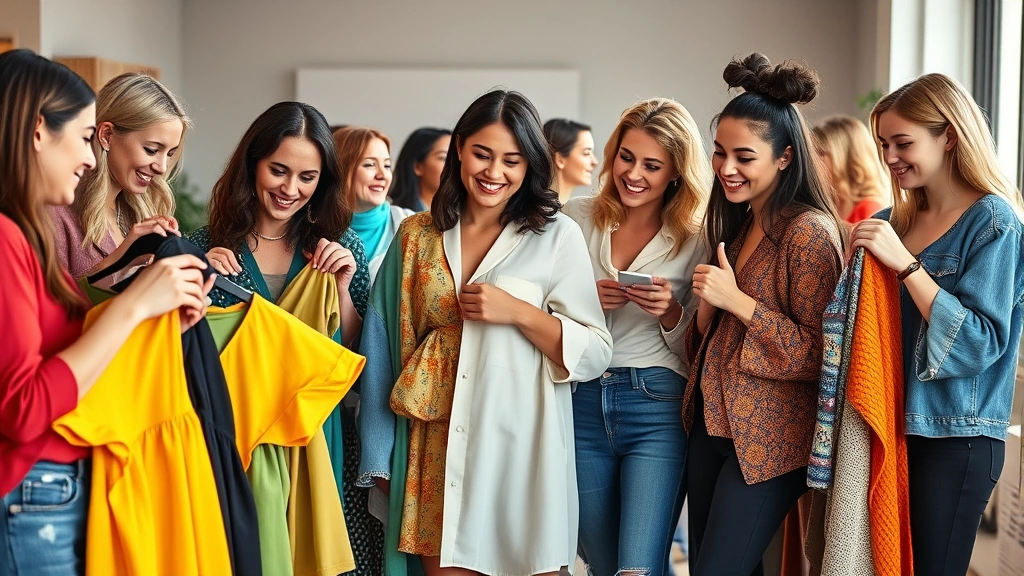
Friend and Family Swaps are the most intimate and personal form of clothing exchange. These informal gatherings typically happen among people who know each other’s sizes and style preferences. The relaxed atmosphere allows for trying items on immediately and discussing why certain pieces didn’t work out. These swaps often include refreshments and socializing, making them enjoyable social events beyond the fashion exchange itself.
Community Swap Events are organized gatherings, often held in community centers, retail spaces, or outdoor venues. These larger events attract diverse participants, offering wider selection and the opportunity to meet fellow fashion enthusiasts. Community swaps often have entry fees or donation requirements, with proceeds supporting charitable causes. The structured nature of these events typically includes designated swap times and specific rules about quantities and item conditions.
Pop-Up Swap Shops are temporary fashion exchange venues that appear in trendy neighborhoods or shopping districts. These curated experiences often feature professional styling advice, mirrors, and fitting rooms, creating a more retail-like atmosphere. Pop-up swaps sometimes focus on specific types of fashion, such as designer pieces, vintage items, or sustainable brands.
Themed Swap Events target specific clothing categories or styles—think denim swaps, professional wardrobe exchanges, or seasonal clothing events. These focused gatherings attract participants with similar needs, making it easier to find appropriate matches and connect with like-minded fashion lovers.
Digital Platforms and Apps for Trading
Technology has transformed fashion exchange, making it possible to swap clothes with people across your city or country without attending physical events. Numerous apps and platforms specialize in connecting clothing traders and facilitating exchanges.
Vinted stands out as one of the largest peer-to-peer fashion marketplaces, offering both buying and swapping functionality. The platform’s user-friendly interface makes listing items simple, and the community-driven approach encourages fair exchanges. Sellers and swappers build reputations through positive interactions, creating accountability and trust within the platform.
Depop caters particularly to younger fashion enthusiasts and emphasizes social aspects of fashion exchange. The app’s Instagram-like interface makes browsing enjoyable, and many users combine swapping with selling to refresh their digital storefronts regularly.
Poshmark originally focused on resale but has expanded swap functionality, particularly among its engaged community. The platform’s social features encourage interaction between users, making it as much about community as commerce.
ThredUP offers a hybrid model combining personal swaps with their own inventory, providing more options and flexibility. Their style profile feature helps match users with compatible swap partners based on preferences and sizes.
Vestiaire Collective caters to luxury fashion enthusiasts, featuring designer pieces and high-end items. The platform’s authentication services ensure quality and authenticity, important considerations when swapping valuable garments.
Digital platforms offer convenience and broader reach, but they require additional steps like photographing items, shipping, and managing digital interactions. The asynchronous nature of online swapping means you’re not limited by geography or timing constraints, making it ideal for busy schedules.
Tips for Successful Fashion Exchanges
Maximizing your fashion exchange experience requires strategy, honesty, and clear communication. These practical tips help ensure positive outcomes for everyone involved.
Be Honest About Condition – Describe items accurately, including any wear, fading, or damage. Honesty builds trust and prevents disappointing exchanges. Use clear, well-lit photos that show the true color and condition of items. If swapping digitally, include multiple angles and close-ups of any imperfections.
Know Your Measurements – Clothing fits differently across brands and styles. Rather than relying solely on listed sizes, know your actual measurements for bust, waist, hips, and length. This information helps you communicate with swap partners and make informed decisions about whether items will work for you.
Consider Trading Value – In equal exchanges, aim for approximate value balance. However, different people value different items, so flexibility matters. Someone might consider a designer piece worth more than brand-new fast fashion, while others prioritize condition and versatility. Discuss values openly and find mutually satisfying arrangements.
Communicate Clearly – Whether swapping with friends or strangers, clear communication prevents misunderstandings. Discuss what you’re looking for, your size range, style preferences, and any deal-breakers. The more information exchanged upfront, the more likely both parties will be satisfied.
Package Thoughtfully – If shipping items, pack them securely and professionally. Include a thank-you note and perhaps a small surprise item. Thoughtful packaging creates positive experiences and encourages future swaps. Use tracking and insurance for valuable pieces.
Provide Styling Inspiration – When swapping items, suggest ways to style them or pair them with other pieces. This added value helps your swap partner envision the item in their wardrobe and appreciate their new acquisition fully.
Maximizing Your Swap Experience
To get the most value from fashion exchanges, approach swapping strategically and intentionally. Consider this process as curating your wardrobe rather than simply exchanging clothes.
Start by identifying specific wardrobe gaps before seeking swaps. Rather than accepting whatever becomes available, know exactly what you need—perhaps you’re looking for a structured blazer, neutral basics, or statement pieces that complement your existing collection. This targeted approach prevents accumulating items that don’t serve your style goals.
Document your swaps and track which items work well for you and which don’t. Over time, you’ll recognize patterns in your preferences, sizes, and style choices. This data helps you make better swap decisions and understand your personal style more deeply. Many successful swappers maintain spreadsheets or digital lists tracking their exchanges and outcomes.
Attend style loom daily blog posts about fashion exchange tips and strategies. Learning from experienced swappers accelerates your progress and helps you avoid common mistakes. Community wisdom often reveals clever techniques and platforms you might not discover independently.
Expand beyond clothing into fashion accessories and complementary items. Scarves, belts, jewelry, and bags can transform outfits and are often easier to swap due to universal sizing. Accessories frequently get forgotten in closets, making them ideal swap candidates.
Participate regularly to maintain momentum and stay engaged with the community. Regular swapping keeps your wardrobe fresh and prevents the accumulation of unworn items. Many successful swappers schedule seasonal swaps, refreshing their wardrobes with the seasons and reducing the likelihood of excess clothing accumulation.
Building a Swap Community
Creating or joining a swap community amplifies the benefits of fashion exchange and builds meaningful connections around shared values.
Start a Neighborhood Swap Group – Organize regular swaps in your community, whether monthly or seasonally. Use social media platforms or neighborhood apps to recruit participants and build a consistent group. Consistent community members develop trust and understanding, making swaps increasingly successful over time.
Partner with Local Organizations – Collaborate with nonprofits, schools, or community centers to host swaps. These partnerships often provide free or low-cost venues and built-in audiences. Community organizations benefit from the goodwill and engagement, creating win-win situations.
Create Themed Swap Series – Develop recurring swap events with specific themes—seasonal refreshes, professional wardrobe building, capsule collection development. Themed swaps attract participants with shared goals and make each event feel special and purposeful rather than generic.
Establish Swap Guidelines – Clear community standards ensure positive experiences and prevent misunderstandings. Establish expectations about item condition, quantity limits, and behavior standards. Published guidelines help new participants understand what to expect and set appropriate tone for the community.
Celebrate Swap Stories – Encourage participants to share before-and-after styling photos, fashion finds, and transformation stories. Celebrating successes builds community enthusiasm and motivates continued participation. Social media documentation also helps promote your swap community to potential new members.
Incorporate Sustainability Education – Use swap events as opportunities to discuss fashion’s environmental impact, fashion history and evolution, and mindful consumption. Educational components deepen participants’ commitment to sustainable fashion practices beyond simple swapping.
Building community around fashion exchange transforms it from a transactional activity into a movement. Members become advocates, recruiting friends and family while spreading awareness about sustainable fashion alternatives to traditional retail consumption.
FAQ
What clothing items are best for swapping?
Items in excellent condition, gently worn or unworn, with timeless appeal work best for swapping. Quality basics, classic pieces, and versatile items swap more easily than ultra-trendy or heavily worn garments. Designer pieces and higher-end items often appeal to specific audiences.
How do I determine fair swap value?
Consider original retail price, current condition, brand reputation, and desirability. Equal exchanges don’t always mean identical retail values—condition and demand influence perceived value. Open communication about what each party values helps establish fair trades.
Is it safe to swap clothes with strangers?
Yes, with precautions. Meet in public locations for in-person swaps, inspect items carefully, and trust your instincts. For digital swaps, use established platforms with buyer protection and reputation systems. Start with smaller swaps to build trust before exchanging valuable pieces.
How should I prepare items for shipping in fashion exchanges?
Clean and press items before packing. Fold carefully and use tissue paper or acid-free paper to prevent creasing. Include a thank-you note and care instructions. Use padded mailers or boxes with tracking and insurance for valuable items.
Can I swap items that have been altered or tailored?
Yes, but disclose alterations clearly. Tailored items appeal to specific people with compatible measurements. Some swappers appreciate tailored pieces if the alterations are professional and well-executed.
What’s the difference between swapping and selling used clothes?
Swapping involves direct exchange of items between two people, while selling involves receiving monetary compensation. Swapping often feels more communal and sustainable, while selling provides more flexibility in pricing and broader potential buyers.
How often should I participate in fashion swaps?
Frequency depends on personal preference and availability. Some people swap monthly, others seasonally. Regular participation keeps your wardrobe fresh and prevents excessive accumulation, but even occasional swaps provide value.