Fashion Dolls: Collector’s Insights & Trends
Fashion dolls have transcended their origins as simple children’s toys to become coveted collectibles that reflect the evolution of style, culture, and artistic expression. From the iconic Barbie doll that revolutionized the toy industry to contemporary designer collaborations, these miniature muses have captured the imagination of collectors worldwide. Whether you’re a seasoned enthusiast or curious newcomer, the world of fashion dolls offers an intriguing blend of nostalgia, artistry, and investment potential that continues to grow exponentially.
The appeal of fashion dolls extends far beyond childhood memories. Today’s collectors appreciate these figures as cultural artifacts, fashion inspiration, and legitimate investment pieces. The market has evolved dramatically, with limited editions and collaboration pieces commanding significant value. Understanding the nuances of collecting, from authentication to display, requires knowledge that transforms casual interest into serious passion. This comprehensive guide explores everything you need to know about fashion dolls in the modern collector’s landscape.
The Evolution of Fashion Dolls Through Decades
The history of fashion dolls is intrinsically linked to the broader narrative of fashion history timeline, serving as miniature chronicles of style movements. Before Barbie’s 1959 debut, fashion dolls existed in various forms, but none captured the cultural zeitgeist quite like Ruth Handler’s revolutionary creation. Barbie represented a radical departure from baby dolls, presenting instead an aspirational adult woman with an independent lifestyle and endless career possibilities.
The 1960s witnessed Barbie’s explosion in popularity, accompanied by an expanding wardrobe that mirrored contemporary fashion trends. Collectors today recognize this era’s dolls as particularly valuable, especially those with original packaging and clothing. The subsequent decades brought evolutionary changes: the 1970s introduced ethnic diversity and disco-inspired fashion, the 1980s embraced bold colors and power dressing, while the 1990s reflected grunge and minimalist aesthetics. Each generation of dolls functioned as a fashion time capsule, preserving silhouettes, color palettes, and styling choices that defined their respective eras.
Modern fashion dolls demonstrate sophisticated design that rivals high fashion illustration. Contemporary manufacturers collaborate with renowned designers, creating dolls that serve as wearable art. This evolution reflects how collectors increasingly view these items through an artistic lens, appreciating them as legitimate fashion statements rather than mere toys. The sophistication of modern doll design parallels advances in fashion itself, with meticulous attention to proportions, fabric quality, and accessory details.
Understanding Doll Construction and Materials
The construction quality of fashion dolls directly impacts their collectibility and longevity. Early dolls featured hard plastic bodies, which are prone to deterioration, discoloration, and brittleness. Understanding material composition helps collectors assess condition and value. Vinyl became the standard material for doll bodies due to its durability and flexibility, allowing for more realistic facial features and body articulation.
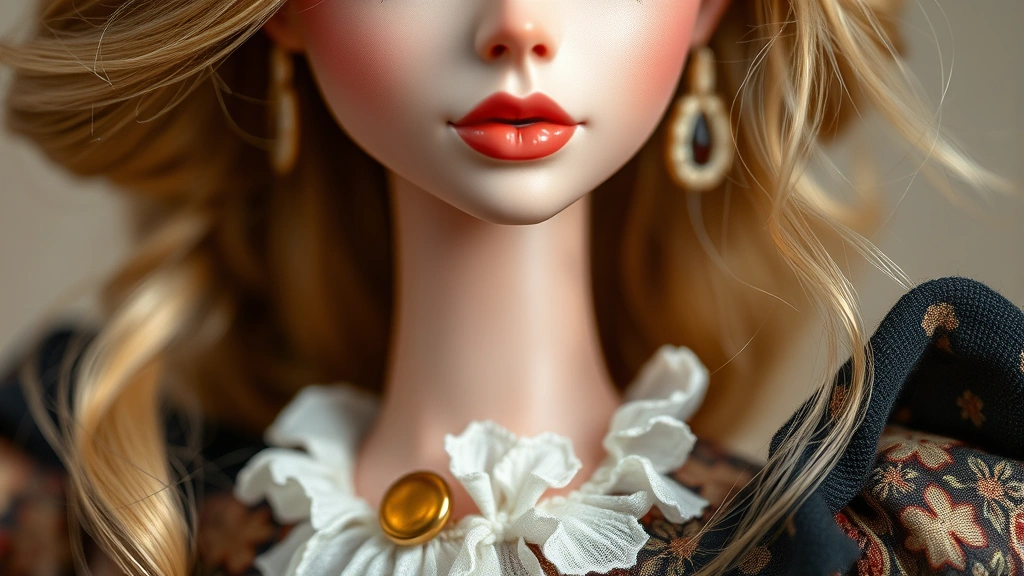
Modern fashion dolls employ various materials strategically: vinyl for the body, rooted synthetic hair (increasingly often human hair for premium pieces), and carefully engineered joints for poseability. The quality of the face paint application distinguishes mass-produced dolls from collectible editions. Hand-painted details, particularly in the eyes and lips, indicate higher-quality production. Premium dolls feature glass eyes, delicately sculpted features, and realistic skin texture achieved through advanced manufacturing techniques.
Hair quality represents another crucial consideration. Vintage dolls often featured nylon hair prone to melting and deterioration, while contemporary pieces use superior synthetic fibers or human hair. The rooting process—how hair is implanted into the scalp—affects both appearance and durability. Collectors should understand that improper storage causes hair brittleness and color fading, making preservation knowledge essential for maintaining value.
Articulation systems vary considerably among fashion dolls. Basic dolls feature limited joint movement, while premium collectible pieces offer multiple articulation points including knee bends, elbow joints, and ankle flexibility. This articulation directly correlates with price points and collector desirability, as superior poseability enables more dynamic display options and creative styling possibilities.
Iconic Fashion Doll Lines and Brands
Beyond Barbie, numerous fashion doll lines have achieved collector status. Vogue magazine’s influence on doll design cannot be overstated, with various manufacturers creating dolls that directly referenced high fashion editorials. Madame Alexander dolls, established in 1923, represent another cornerstone of doll collecting, known for historical accuracy and elegant design. These dolls often depicted famous literary and historical figures, appealing to collectors interested in cultural representation.
Integrity Toys revolutionized the adult collectible doll market by producing highly articulated dolls with fashion-forward designs. Their Fashion Royalty and Poppy Parker lines attract serious collectors who appreciate fashion industry expertise integrated into doll design. The brand’s collaborations with renowned fashion designers elevated collectible dolls to fine art status, with pieces priced comparably to luxury fashion items.
American Girl dolls, while initially marketed toward children, have developed substantial collector followings among adults. The historically-themed dolls and meticulously researched clothing connect to broader types of fashion styles across different time periods. The secondary market for retired American Girl pieces demonstrates significant appreciation potential.
Japanese and Korean manufacturers have emerged as innovative players in the collectible doll market. Brands like Azone and Volks create highly detailed dolls with exceptional articulation and fashion-forward styling that appeals to international collectors. These manufacturers often produce limited runs, creating scarcity that drives collector interest and value appreciation.
Building Your Collection Strategy
Successful collecting requires developing a coherent collection strategy aligned with personal interests and financial capacity. Some collectors focus on specific eras, pursuing every variation of 1960s Barbie dolls. Others concentrate on particular designers or fashion aesthetics. Still others collect dolls representing specific themes—vintage fashion, contemporary haute couture, or cultural diversity.
Setting a budget proves essential before beginning serious collecting. Fashion doll prices range from affordable contemporary pieces under fifty dollars to rare vintage dolls commanding thousands. Understanding your financial boundaries prevents impulsive purchases and enables strategic acquisition. Many collectors employ a “buy the best you can afford” philosophy, prioritizing condition and authenticity over quantity.
Researching production details, rarity factors, and market values should precede purchases. Reference guides, collector communities, and auction records provide invaluable information. Understanding variation differences—such as hair color variations, face paint differences, or outfit modifications—helps identify valuable pieces among seemingly similar dolls. Many collectors maintain detailed documentation of their acquisitions, noting purchase dates, prices, and condition assessments.
Networking within collector communities enriches the experience and provides access to rare pieces. Doll shows, conventions, and online communities facilitate connections with fellow enthusiasts, dealers, and experts. These relationships often lead to acquisition opportunities unavailable through retail channels. Joining established collector clubs provides resources, authentication assistance, and market insight.
Authentication and Valuation Essentials
Authentication separates genuine collectible dolls from reproductions and counterfeits. Original packaging, markings, and manufacturing details provide authentication clues. Legitimate vintage dolls feature specific markings indicating manufacturer, production year, and country of origin. Learning to identify these details prevents costly mistakes.
Condition assessment critically impacts valuation. The standard condition scale ranges from mint-in-box (the highest value) through excellent, very good, good, fair, and poor. A doll’s condition encompasses body quality, face paint integrity, hair condition, outfit preservation, and original accessories. Even minor imperfections significantly reduce value. Serious collectors understand that restoration attempts often diminish rather than enhance value, as authenticity supersedes cosmetic perfection.
Provenance documentation—records of previous ownership and acquisition history—enhances value and desirability. Dolls with documented celebrity ownership or notable collection histories command premiums. Documentation should include purchase receipts, authentication certificates, and any accompanying paperwork from original retailers.
Market valuation requires understanding comparable sales. Online auction records, dealer pricing, and collector price guides offer valuation references. However, prices fluctuate based on market demand, condition, rarity, and desirability factors. Professional appraisal services exist specifically for high-value collections, offering insurance documentation and expert assessment.
Display, Storage, and Preservation
Proper display and storage practices preserve fashion dolls’ condition and aesthetic appeal. Environmental factors—temperature fluctuations, humidity, light exposure, and dust—significantly impact doll preservation. Ideal storage conditions maintain consistent room temperature (around 70°F), moderate humidity (40-50%), and protection from direct sunlight.
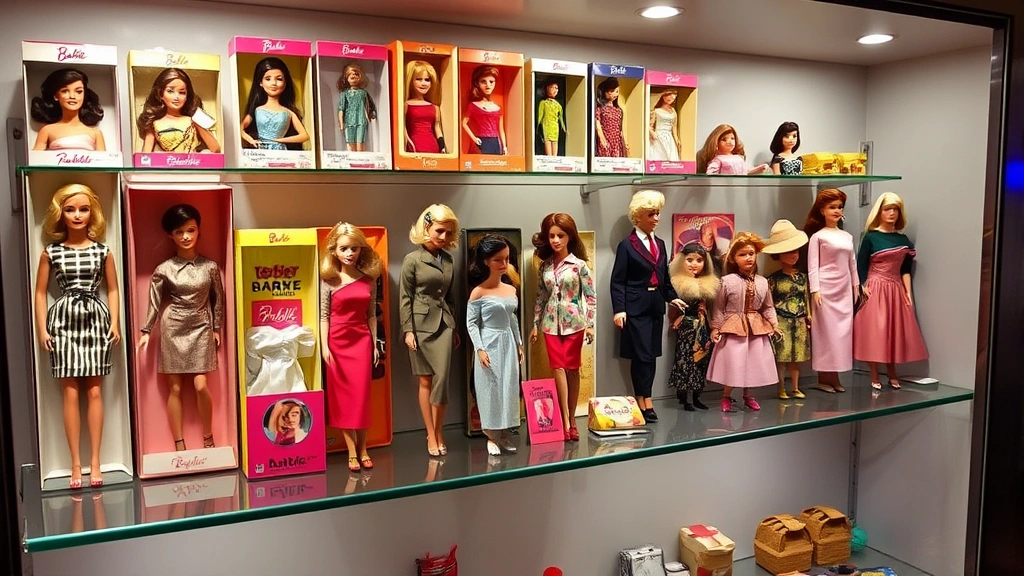
Display cases protect dolls while enabling appreciation. Glass or acrylic cases shield from dust while allowing visibility. Avoid displaying dolls in direct sunlight, which causes fabric fading and vinyl discoloration. UV-protective glass or acrylic provides additional preservation benefits for valuable pieces. Many collectors employ rotating display strategies, periodically changing which dolls are exhibited to minimize light exposure.
Proper handling prevents damage. Clean hands, gentle support of the head and body, and careful positioning protect delicate features and articulation. Never force joints or limbs into positions beyond their designed range of motion. Some collectors employ doll stands or supports to maintain stable positions without stressing the body structure.
Storage for inactive collection pieces requires acid-free materials. Tissue paper, archival boxes, and acid-free wrapping preserve fabrics and prevent deterioration. Avoid plastic bags or non-archival materials that trap moisture and cause mold growth. Document storage locations and maintain inventory records for insurance purposes and personal reference.
Fashion Dolls as Investment Pieces
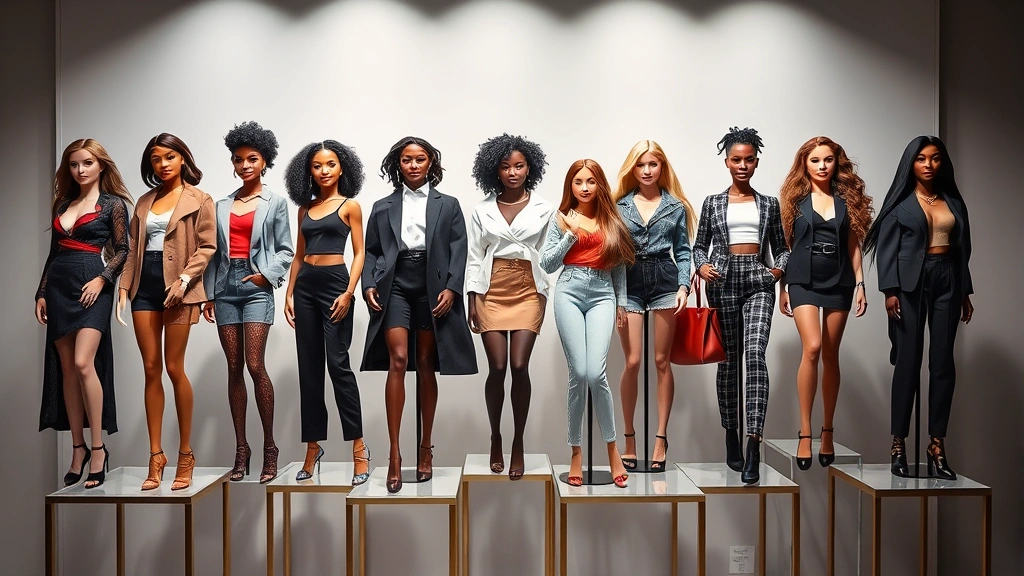
The investment potential of fashion dolls has attracted serious collectors treating acquisitions as financial assets. Rare vintage pieces, particularly first-edition Barbie dolls and limited-production designer collaborations, appreciate significantly over time. Market analysis demonstrates consistent value growth for authenticated, well-preserved pieces from established brands.
Investment-grade fashion dolls typically meet specific criteria: limited production numbers, high-quality construction, designer involvement, original packaging preservation, and documented authenticity. These factors collectively support value appreciation. Collectors pursuing investment strategies focus on acquiring pieces positioned to appreciate rather than trendy items with uncertain long-term value.
The secondary market for fashion dolls demonstrates robust activity. Specialized auction houses, online platforms, and collector networks facilitate buying and selling. Some dolls purchased decades ago now command prices many multiples of their original retail cost. However, investment returns depend entirely on careful selection, condition maintenance, and strategic timing of sales.
Documentation and insurance become increasingly important as collections grow in value. Professional appraisals support insurance claims and provide baseline valuations. Maintaining detailed records, including photographs, acquisition information, and condition documentation, protects your investment and facilitates future sales or insurance purposes.
Current Trends in the Collector’s Market
Contemporary fashion doll trends reflect broader cultural conversations about diversity, representation, and artistic expression. Collectors increasingly seek dolls representing varied ethnicities, body types, and gender expressions. Manufacturers responding to this demand produce more inclusive collections, expanding the hobby’s appeal and reflecting modern personal style diversity.
Sustainability concerns influence collector preferences and manufacturer practices. Eco-conscious collectors seek dolls produced with sustainable materials and ethical manufacturing practices. Some brands now emphasize sustainable production, appealing to environmentally-aware collectors. This trend reflects broader fashion industry movement toward sustainability, mirrored in the collectible doll market.
Collaborations between established doll manufacturers and renowned fashion designers generate significant collector excitement. Harper’s Bazaar-featured designer partnerships produce limited-edition dolls that merge high fashion credibility with collectible doll appeal. These collaborations validate dolls as legitimate art objects worthy of serious collector attention.
Secondary market activity for fashion dolls continues accelerating, with specialized platforms facilitating global transactions. International collectors compete for rare pieces, driving prices upward for authenticated, desirable dolls. This globalization has transformed the hobby from primarily Western-focused to truly international in scope and participation.
Technology integration represents an emerging trend, with some manufacturers producing dolls featuring innovative articulation systems and realistic features rivaling professional fashion illustration. Advanced face sculpting techniques, premium materials, and sophisticated engineering appeal to collectors appreciating technological advancement in doll production.
Nostalgia-driven collecting remains strong, particularly among millennials and Gen-X collectors reconnecting with childhood interests through adult collector lenses. This demographic brings purchasing power and sophisticated collecting practices, elevating the market’s overall maturity and investment focus. Vintage 1980s and 1990s pieces increasingly command collector attention as these eras become historically significant.
Fashion doll collecting now intersects with broader fashion culture in unprecedented ways. Instagram and social media platforms showcase elaborate doll styling, custom fashions, and creative photography. Collectors present their pieces as wearable art and fashion statements, blurring boundaries between doll collecting and fashion enthusiasm. This visual-first culture has democratized collecting knowledge and expanded the community substantially.
The influence of fashion dolls on actual fashion design deserves recognition. Designers reference vintage doll aesthetics, create capsule collections inspired by iconic dolls, and collaborate with manufacturers on limited editions. This reciprocal relationship between dolls and fashion validates the medium as culturally significant beyond toy industry contexts. The fashion accessories designed for dolls often rival miniature haute couture in sophistication and detail.
FAQ
What makes a fashion doll valuable to collectors?
Valuable fashion dolls combine rarity, condition, authenticity, and desirability. Limited production runs, designer collaborations, original packaging preservation, and documented provenance significantly enhance value. Condition represents perhaps the most critical factor—mint-in-box dolls command substantially higher prices than played-with examples. Rarity and historical significance also drive collector interest and market pricing.
How should I store fashion dolls to preserve their value?
Store dolls in climate-controlled environments with consistent temperature and moderate humidity. Use acid-free materials for long-term storage, avoid direct sunlight, and protect from dust and moisture. Display cases with UV-protective glass work well for dolls on exhibition. Handle dolls gently with clean hands, supporting the head and body carefully. Document storage locations and maintain inventory records for insurance purposes.
Are vintage fashion dolls better investments than contemporary pieces?
Vintage dolls have demonstrated significant appreciation over decades, particularly rare early pieces. However, contemporary limited-edition designer collaborations also appreciate substantially. Investment success depends on condition, rarity, and market demand rather than age alone. Strategic selection of well-made contemporary pieces with limited production can prove equally rewarding as vintage acquisitions, though vintage pieces offer proven track records.
How can I authenticate a vintage fashion doll?
Authentication involves examining markings, manufacturing details, materials, and construction quality. Original packaging, face paint application, hair quality, and body sculpting provide authentication clues. Reference guides and collector communities offer invaluable assistance. Professional authentication services exist for high-value pieces. Learning to identify manufacturer-specific details and production variations prevents costly authentication mistakes.
Where can I find rare fashion dolls for my collection?
Specialized doll shows, collector conventions, and online auction platforms offer acquisition opportunities. Established dealers specializing in fashion dolls provide authenticated pieces with provenance documentation. Collector communities and forums facilitate peer-to-peer sales and trading. Building relationships within collector networks often provides access to rare pieces before public availability. Patience and strategic searching yield better results than rushed acquisitions.
What’s the difference between playing dolls and collectible fashion dolls?
Collectible fashion dolls emphasize artistic detail, construction quality, and aesthetic sophistication. These dolls feature superior articulation, premium materials, and meticulous face sculpting. Production runs are typically limited, and original packaging is preserved. Collectible dolls command substantially higher prices and serve as investment pieces or display objects rather than toys for children. The distinction reflects how modern collectors approach dolls as legitimate art objects and cultural artifacts.
How do I start a fashion doll collection on a budget?
Begin by exploring your specific interests—particular eras, designers, or aesthetics. Research market values and set realistic budget parameters. Contemporary dolls from established brands offer excellent starting points at affordable prices. Focus on condition and authenticity rather than rarity initially. Join collector communities to learn from experienced collectors. Gradual, strategic acquisitions prove more satisfying than rapid, impulsive purchases. Building expertise through research enables better future acquisitions.
What should I know about fashion and style trends when collecting dolls?
Fashion dolls serve as miniature fashion chronicles, reflecting contemporary style movements. Understanding historical fashion contexts enhances appreciation for dolls representing specific eras. Collectors benefit from fashion knowledge, recognizing how dolls interpret runway trends and designer aesthetics. Fashion-forward dolls often feature cutting-edge design elements that may become tomorrow’s mainstream trends. Exploring fashion history enriches collecting knowledge and enables more informed acquisitions.