
Is Paris Still the Fashion Capital? Expert Insight
For centuries, Paris has held an almost mythical status in the fashion world. The mention of the City of Light conjures images of elegant Parisians strolling down tree-lined boulevards, haute couture houses nestled in historic mansions, and fashion weeks that set global trends. But in our interconnected, digital-first era, where fashion inspiration flows from Tokyo to New York to Seoul in mere seconds, one question looms: Is Paris still truly the fashion capital of the world?
The answer is more nuanced than a simple yes or no. While Paris maintains its historical prestige and undeniable influence, the fashion landscape has fundamentally shifted. Today’s fashion capital is less a single geographic location and more a global ecosystem where creativity, commerce, and culture intersect across continents. Understanding this evolution requires examining what made Paris dominant, how the industry has transformed, and what role the City of Light plays in contemporary fashion.
The Historical Dominance of Paris in Fashion
Paris earned its crown as the fashion capital through a combination of historical circumstance, strategic development, and cultural prestige. During the reign of Louis XIV, the French monarchy deliberately positioned fashion as a tool of power and diplomacy. The elaborate court at Versailles became the ultimate arbiter of taste, and European aristocracy eagerly mimicked French styles to signal their sophistication and allegiance.
This wasn’t accidental. French kings understood that controlling fashion meant controlling cultural influence across Europe. By the 18th and 19th centuries, Paris had cemented itself as the epicenter of luxury, elegance, and innovation. When you wanted to know what was fashionable, you looked to Paris. Designers like Charles Frederick Worth established the concept of the fashion house, creating a blueprint that luxury brands still follow today.
The 20th century only reinforced Paris’s dominance. Coco Chanel revolutionized women’s fashion with the little black dress and liberation from corsets. Cristóbal Balenciaga brought architectural precision to couture. Christian Dior’s “New Look” after World War II symbolized hope and femininity. These weren’t just designers; they were tastemakers who shaped how the world dressed. Paris Fashion Week became the ultimate stage where collections premiered and trends were born.
What made Paris particularly powerful was its ability to combine fashion style with lifestyle. The Parisian aesthetic encompassed not just clothing but an entire philosophy of elegance, refinement, and “je ne sais quoi.” It was aspirational, exclusive, and seemingly effortless—qualities that made it irresistible to the global fashion consumer.

How the Fashion Industry Has Transformed
The digital revolution fundamentally altered how fashion operates. Social media democratized style inspiration, allowing influencers from anywhere to reach millions. Suddenly, a talented designer in Lagos or Bangkok could build a global following without needing approval from Paris gatekeepers. Fast fashion brands like Zara and H&M disrupted the traditional seasonal calendar. Luxury conglomerates consolidated power, creating massive multinational corporations that transcended geographic boundaries.
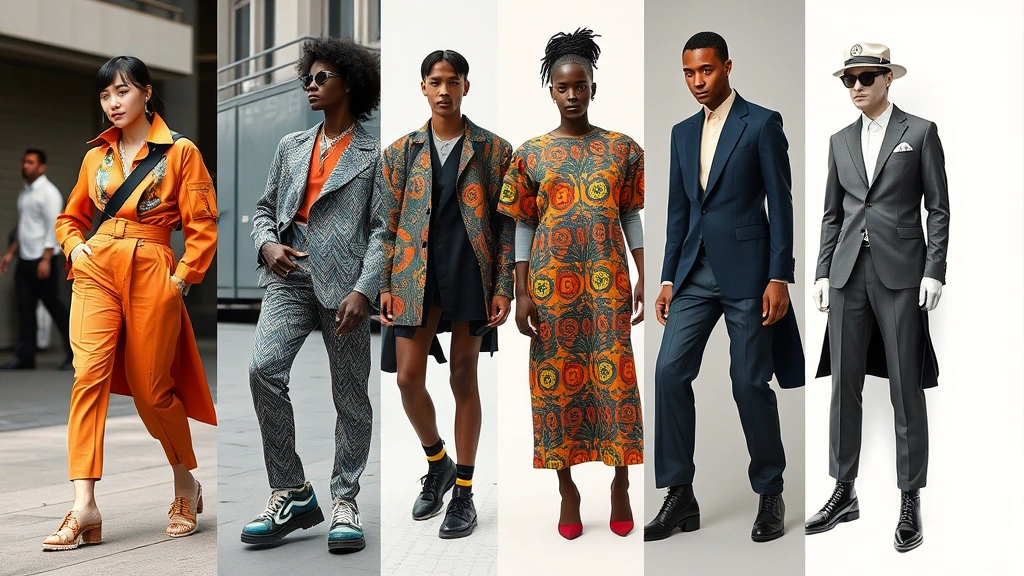
The rise of different types of fashion styles means that no single aesthetic dominates anymore. Streetwear from New York influenced high fashion. Japanese minimalism challenged French maximalism. Gender-neutral design emerged from Scandinavian markets. African designers brought fresh perspectives to global runways. The fashion ecosystem became polycentric rather than hierarchical.
E-commerce changed everything about how fashion reaches consumers. Brands no longer depend on being stocked in Parisian boutiques to succeed globally. A startup can launch on Instagram and reach customers worldwide before opening a physical store. Fashion weeks themselves have become less about exclusivity and more about content creation for digital audiences. The traditional calendar of spring/summer and fall/winter collections has fractured into continuous seasonal drops and limited releases.
Furthermore, sustainability and ethical production have become paramount concerns for contemporary consumers. While Paris represents heritage and tradition, these values don’t automatically align with modern demands for transparency, fair labor practices, and environmental responsibility. New fashion capitals are emerging in regions that are building sustainable industries from the ground up.
Paris Today: Strengths and Influence
Despite these seismic shifts, Paris remains extraordinarily influential. The city is home to the headquarters of some of the world’s most powerful luxury conglomerates, including LVMH, Kering, and Hermès. These companies generate billions in revenue and shape global fashion through their portfolio of prestigious brands. Paris Fashion Week remains one of the most prestigious events on the fashion calendar, where designers debut collections that influence trends for seasons to come.
The craftsmanship traditions in Paris are unmatched. The city maintains a deep bench of artisans, seamstresses, embroiderers, and craftspeople who possess skills honed over generations. This human capital is invaluable for luxury fashion, where handwork and quality distinguish premium brands from mass market competitors. When a designer wants to create something truly exceptional, Paris still offers unparalleled resources.
Paris also benefits from being a global symbol of elegance and refinement. The Parisian aesthetic—understated, sophisticated, timeless—remains deeply aspirational. Brands leverage Paris’s cultural capital to position themselves as premium and desirable. A perfume advertised as “Parisian” or a clothing line that “channels Parisian style” automatically gains a halo of sophistication. This soft power is difficult to quantify but genuinely valuable.
Additionally, the city’s role in the fashion industry’s narrative cannot be overstated. Fashion journalism, criticism, and historical preservation are deeply rooted in Paris. The city hosts museums dedicated to fashion history, archives of legendary designers, and institutions that study and preserve fashion heritage. This makes Paris essential for understanding fashion’s past and present.
Rising Competitors on the Global Stage
Several cities now compete seriously for the title of fashion capital. New York is the epicenter of American fashion, home to iconic brands like Ralph Lauren, Calvin Klein, and Donna Karan. It’s where streetwear culture thrives and where innovation in sportswear and casual wear dominates. New York Fashion Week attracts enormous attention, and the city’s energy and diversity fuel constant creative evolution.
**Milan** has long been a serious contender, particularly for luxury and ready-to-wear fashion. Italian craftsmanship, particularly in leather goods and tailoring, is legendary. Brands like Prada, Gucci, Armani, and Versace call Milan home. The city represents a different aesthetic than Paris—more bold, sensual, and architecturally precise.
**London** punches above its weight as a fashion capital, particularly in conceptual and boundary-pushing design. British fashion education is world-renowned, and designers like Vivienne Westwood, Alexander McQueen, and Stella McCartney have pushed fashion forward with provocative, innovative work. London Fashion Week has a reputation for discovering emerging talent.
**Tokyo** represents the future of fashion in many ways. Japanese designers have profoundly influenced global fashion through their deconstruction of Western fashion codes. Brands like Comme des Garçons and Yohji Yamamoto challenged everything people thought they knew about clothing. Tokyo’s street fashion culture is studied globally, and the city’s approach to fashion types and experimentation is unmatched.
**Seoul** has emerged as an unexpected powerhouse, particularly in cosmetics, beauty, and contemporary fashion. Korean fashion brands are gaining international prestige, and K-fashion has become a global phenomenon. The city represents cutting-edge digital integration in fashion retail and marketing.
**Lagos, Dakar, and other African fashion hubs** are increasingly important as designers from the continent gain international recognition. African fashion brings fresh aesthetics, vibrant colors, and unique design perspectives that Western fashion has historically overlooked. These emerging capitals represent the future of global fashion diversity.
The Future of Fashion Capitals
The concept of a single fashion capital is becoming obsolete. Instead, we’re seeing the emergence of a multipolar fashion world where different cities excel in different domains. Paris remains the undisputed capital of luxury heritage and haute couture. New York dominates commercial fashion and sportswear. Milan leads in craftsmanship and sensuality. Tokyo pioneers conceptual and avant-garde design. London nurtures emerging talent. And cities across Africa and Asia are establishing themselves as sources of fresh perspectives and authentic cultural expression.
The future belongs to cities that can combine several factors: creative talent, manufacturing infrastructure, cultural vitality, digital connectivity, and sustainability commitment. Some cities will specialize—becoming known for specific categories like sustainable fashion, streetwear, or heritage craftsmanship. Others will develop as innovation hubs where traditional techniques meet cutting-edge technology.
Paris will certainly remain important, but its role is evolving. Rather than being the sole arbiter of taste, Paris is becoming one crucial node in a global network of fashion cities. The real power in contemporary fashion belongs to companies and individuals who can draw inspiration from multiple sources and synthesize global influences into coherent, compelling collections.
For fashion professionals and enthusiasts, this represents tremendous opportunity. You no longer need to be in Paris to participate in high fashion. You can study design in London, learn craftsmanship in Milan, understand streetwear in New York, explore innovation in Tokyo, and bring fresh perspectives from emerging fashion hubs. The democratization of fashion means that talent and creativity matter more than geography.
Understanding types of fashion styles across different cultural contexts helps contemporary designers create more authentic, inclusive work. When you study fashion from multiple capitals simultaneously, you develop a richer, more nuanced perspective. This is the real advantage in today’s fashion world—not being in one location, but being connected to all of them.
The fashion industry is also grappling with how different capitals approach fashion and accessories sustainability. Some cities are leading in ethical production, others in innovative materials, and still others in circular fashion models. This diversity of approaches strengthens the industry overall.
Paris’s future as a fashion capital depends on its ability to evolve while maintaining its heritage. The city must embrace digital innovation, support emerging designers from diverse backgrounds, and position itself as a leader in sustainable luxury. The Parisian houses that thrive will be those that can honor tradition while pushing boldly into the future.
FAQ
Is Paris still the fashion capital of the world?
Paris remains extraordinarily influential in fashion, particularly in luxury and haute couture. However, the concept of a single fashion capital is outdated. Today’s fashion world is multipolar, with different cities excelling in different categories. Paris is one of several crucial fashion capitals, each with distinct strengths and influence.
Why was Paris the fashion capital?
Paris became the fashion capital through historical circumstance, royal patronage, the development of the couture house system, and the emergence of legendary designers like Chanel and Dior. The city cultivated an aesthetic of elegance and refinement that became globally aspirational, and this influence persisted throughout the 20th century.
What other cities are fashion capitals?
New York, Milan, London, Tokyo, Seoul, and increasingly cities across Africa like Lagos and Dakar are all significant fashion capitals. Each brings distinct strengths: New York in commercial fashion, Milan in craftsmanship, London in emerging talent, Tokyo in innovation, Seoul in digital integration, and African cities in fresh cultural perspectives.
Does Paris Fashion Week still matter?
Yes, Paris Fashion Week remains one of the most prestigious fashion events globally. However, it’s now one of several important fashion weeks rather than the definitive event. Designers, buyers, and media also prioritize New York, Milan, and London fashion weeks, and digital-first brands sometimes bypass traditional fashion weeks entirely.
Will Paris remain important to fashion?
Absolutely. Paris’s heritage, craftsmanship traditions, luxury infrastructure, and cultural prestige ensure it remains central to fashion. However, its role is evolving from sole arbiter of taste to one crucial node in a global fashion network. The city’s future depends on embracing innovation while honoring its traditions.
How has technology changed fashion capitals?
Technology has democratized fashion by allowing designers and brands anywhere to reach global audiences through social media and e-commerce. Digital tools have reduced the importance of physical location and traditional gatekeepers. Fashion weeks have become content opportunities rather than exclusive events. This has enabled new fashion capitals to emerge and challenged Paris’s historical monopoly on influence.