Illustrating Fashion Trends: Expert Insights on Visual Storytelling in Style
Fashion illustration has evolved from a niche artistic discipline into a powerful medium that shapes how we perceive, understand, and engage with contemporary style movements. In today’s digital-first world, the ability to visually communicate emerging trends through illustration has become essential for designers, marketers, and fashion enthusiasts alike. Whether you’re a budding illustrator seeking to capture the essence of runway moments or a fashion brand looking to tell compelling visual stories, understanding the intersection of illustration and trend forecasting is crucial.
The art of illustrating fashion trends goes far beyond simply sketching garments. It’s about translating the zeitgeist, the cultural mood, and the collective desires of society into compelling visual narratives. Expert illustrators understand that every line, color choice, and compositional decision carries meaning. They recognize that a well-executed fashion illustration can communicate more about an emerging trend than pages of written analysis, making this skill invaluable in an increasingly visual culture.
The Evolution of Fashion Illustration in Trend Forecasting
Fashion illustration has undergone a remarkable transformation over the past two decades. Where once the medium was primarily used for technical garment specifications and editorial content in magazines, it now serves as a critical tool for understanding different types of fashion movements and predicting where style is headed. The rise of social media platforms like Instagram and TikTok has democratized fashion illustration, allowing emerging artists to reach global audiences instantaneously.
Historically, fashion illustration was the exclusive domain of elite publications and luxury brands. Illustrators like René Gruau and Antonio Lopez became legends by capturing the sophistication and aspirational nature of high fashion. Their work was the primary way consumers encountered new trends before they hit stores. Today, that role has expanded exponentially. Contemporary fashion illustrators must understand not just aesthetic principles, but also cultural movements, social media algorithms, and the psychology of visual communication.
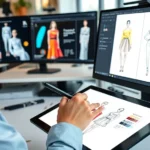
The transition from print to digital has fundamentally altered how trends are illustrated and disseminated. Digital illustration tools allow artists to experiment rapidly, iterate designs, and respond to trend shifts in real-time. This immediacy has made fashion illustration an essential component of trend forecasting operations at major fashion houses and trend research firms. Vogue and other leading fashion publications now feature illustrated trend reports alongside photography, recognizing that illustration can sometimes communicate nuance and future direction more effectively than documentary photography.
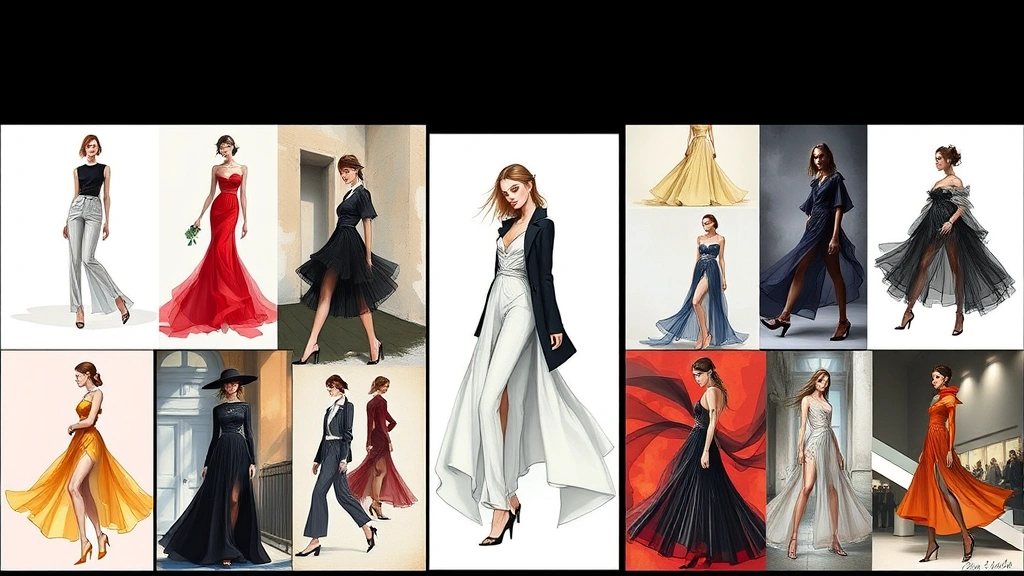
Core Techniques Professional Illustrators Use
Expert fashion illustrators employ a sophisticated arsenal of techniques to communicate trends effectively. The foundation begins with understanding human anatomy and proportion, but goes far beyond basic figure drawing. Professional illustrators develop what’s called “fashion figure proportion,” which intentionally exaggerates certain elements—typically elongated limbs and smaller heads—to create the aspirational quality that makes fashion illustration distinctive.
One fundamental technique is the use of gestural line work. Rather than rendering every detail with photorealistic precision, trend-focused illustrators use confident, expressive lines that suggest movement, fabric behavior, and silhouette. This approach allows viewers to quickly grasp the essential elements of a trend—whether that’s an oversized silhouette, a specific sleeve treatment, or a novel hemline. The economy of line becomes a form of communication in itself.
Another critical technique involves selective rendering. Professional illustrators understand that not every element of a composition requires equal visual weight. They might render the garment’s construction and fabric texture in meticulous detail while suggesting the background with loose, gestural marks. This hierarchy of detail guides the viewer’s eye and emphasizes what matters most about the trend being illustrated. When illustrating a trend focused on innovative knitwear construction, for instance, an expert might invest significant detail in texture and stitch patterns while keeping facial features minimal.
Layering and transparency techniques have become increasingly important in digital illustration. Modern illustrators often work with multiple layers—background, figure, garment, details, color, and effects—allowing for non-destructive editing and the ability to adjust individual elements without affecting the whole. This modular approach reflects how contemporary fashion itself is constructed through layering and mixing of pieces.
Understanding fashion style fundamentals is essential for executing these techniques authentically. An illustrator must grasp how different fabrics drape, how seams are constructed, and how garments interact with the body. This technical knowledge informs every line drawn and ensures that trend illustrations feel credible and achievable rather than fantastical.
Digital vs. Traditional: Which Medium Tells Trends Better
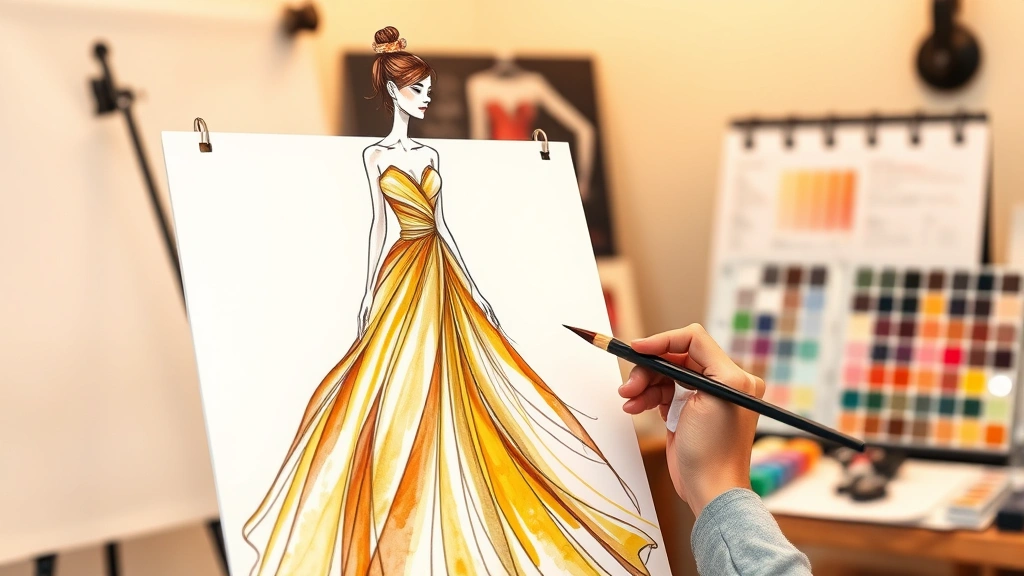
The debate between digital and traditional illustration in fashion has evolved from a binary choice into a recognition that each medium offers distinct advantages for communicating different aspects of trends. Traditional media—watercolor, gouache, pencil, and ink—offers tactile immediacy and a certain authenticity that resonates with many viewers. The visible brushstrokes and material qualities of traditional illustration can communicate a sense of craft and intentionality that feels particularly compelling when discussing artisanal or heritage-focused trends.
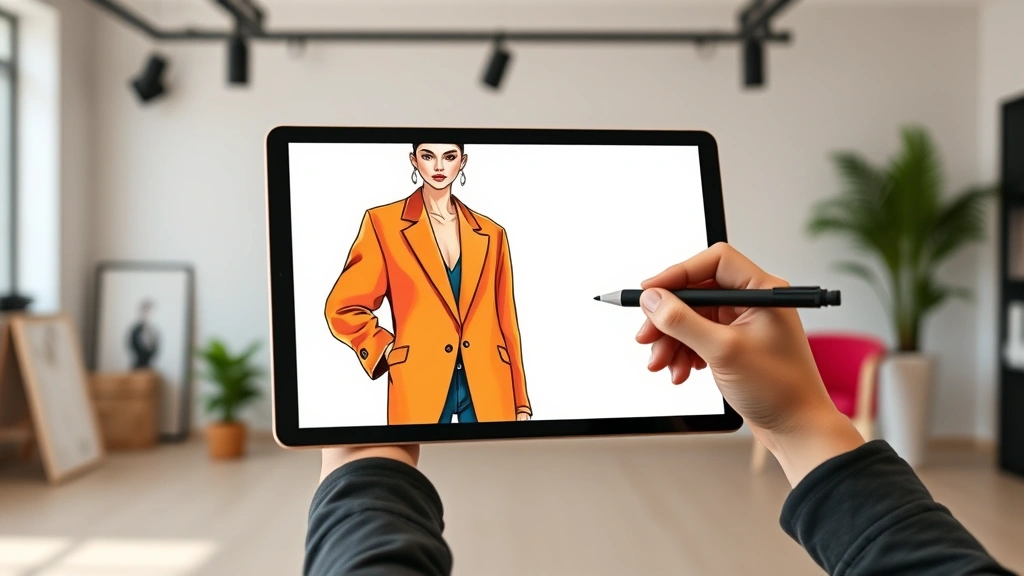
Digital illustration, conversely, offers unparalleled flexibility and efficiency. The ability to adjust colors, modify proportions, and experiment with variations in seconds makes digital tools ideal for rapid trend forecasting and iteration. Digital platforms also integrate seamlessly with the distribution channels where trends are actually communicated—social media, digital publications, and trend forecasting databases. An illustrator working digitally can post their work immediately, engage with audience feedback, and refine their interpretations in real-time.
Many professional illustrators now employ a hybrid approach, beginning with traditional sketching to capture the gestural quality and intuitive understanding that comes from drawing by hand, then scanning and refining in digital software. This method combines the authenticity and spontaneity of traditional work with the precision and flexibility of digital tools. Some of the most compelling trend illustrations emerging today blend both approaches, creating work that feels both contemporary and timeless.
The choice between mediums often depends on the specific trend being communicated. Trends emphasizing sustainability, craftsmanship, or heritage might benefit from the visible hand of traditional illustration. Trends focused on futurism, technology integration, or avant-garde experimentation might be better served by the sleek precision of digital work. The most skilled illustrators understand when each medium serves the narrative most effectively.
Color Psychology and Trend Communication
Color selection in fashion illustration is never arbitrary—it’s a strategic tool for communicating trend direction and cultural zeitgeist. Expert illustrators understand color psychology deeply, recognizing that specific hues trigger emotional and psychological responses that influence how trends are perceived and received.
The trending color palettes emerging each season tell their own stories about broader cultural movements. When warm, earthy tones dominate fashion illustration, they often signal a desire for comfort, sustainability, and connection to nature. Conversely, when neon and high-saturation colors appear prominently in trend illustrations, they frequently indicate a cultural moment emphasizing boldness, individuality, and rejection of conventional aesthetics. Fashion icons and trendsetters often become associated with specific color palettes, making color choices in illustration particularly important for communicating aspirational trend directions.
Chromatic harmony in fashion illustration serves multiple functions simultaneously. It creates visual coherence, communicates mood, and signals trend authenticity. An illustrator working with a complementary color scheme—say, deep teals paired with warm corals—is making a statement about the trend’s energy and appeal. Monochromatic or analogous schemes communicate sophistication and refinement. Split-complementary schemes suggest innovation and forward-thinking aesthetics.
The saturation and value of colors matter enormously in trend communication. High-saturation colors read as bold, youthful, and trendsetting. Desaturated, muted tones suggest sophistication, sustainability, and timelessness. Understanding how to manipulate saturation and value allows illustrators to communicate not just what the trend looks like, but how it should be perceived—as accessible or exclusive, youthful or mature, experimental or wearable.
Building Your Fashion Illustration Portfolio
For aspiring fashion illustrators seeking to establish themselves in trend communication, portfolio development requires strategic thinking beyond simply assembling your best work. Your portfolio should demonstrate not just technical skill, but also trend awareness and the ability to communicate fashion direction effectively.
Start by developing your personal style as an illustrator. While technical proficiency is essential, what distinguishes successful fashion illustrators is a recognizable visual voice. This might be expressed through a particular line quality, color sensibility, compositional approach, or conceptual framework. Brands and publications increasingly seek illustrators with distinctive perspectives rather than those who simply replicate existing styles.
Include diverse work showcasing your range. Demonstrate your ability to illustrate different garment types, silhouettes, and trend categories. Include both finished editorial pieces and process work—sketches, studies, and iterations. This transparency shows clients your working method and problem-solving approach. Many trend forecasters and fashion brands specifically value seeing an illustrator’s ability to rapidly generate variations and explore conceptual directions.
Incorporate trend analysis and commentary into your portfolio presentation. Rather than simply showing illustrations, contextualize them. Explain what trend you were exploring, why you made specific artistic choices, and what cultural or fashion movement informed your work. This narrative layer transforms your portfolio from a gallery of pretty drawings into a demonstration of trend literacy and communication expertise.
Document your social media presence strategically. In today’s fashion industry, your Instagram feed functions as a living portfolio. Consistency in posting, engagement with followers, and participation in fashion conversations all contribute to your professional credibility. Many fashion brands and publications discover and hire illustrators based on their social media presence and demonstrated audience engagement.
Seek opportunities to contribute to fashion blogs and publications, even early in your career. Published work carries authority and helps establish you as a voice in trend communication. Start with smaller publications and gradually work toward more prestigious outlets. Each publication credit strengthens your portfolio and increases your visibility to industry professionals.
Industry Insights from Leading Fashion Illustrators
Understanding how established fashion illustrators approach trend communication reveals valuable insights for anyone seeking to develop expertise in this field. Leading illustrators consistently emphasize that trend illustration requires more than artistic skill—it demands genuine passion for fashion and deep cultural awareness.
Many successful illustrators stress the importance of studying fashion history extensively. Understanding how trends have evolved, what cultural moments sparked specific aesthetic movements, and how designers reference historical moments all inform contemporary trend illustration. This historical literacy allows illustrators to position current trends within longer narratives, communicating not just what’s trending now but where fashion is moving.
Industry professionals also emphasize the critical importance of attending fashion shows, engaging with designer collections, and staying immersed in fashion media. Trend illustrators can’t work from secondary sources—they need direct exposure to the collections, the energy of runway presentations, and the designer’s point of view. This firsthand experience translates into more authentic, compelling illustrations that capture the true essence of emerging trends.
Successful illustrators frequently mention the value of developing strong collaborative relationships with fashion designers, stylists, and trend forecasters. These partnerships provide access to trend information before it reaches the general public, allowing illustrators to create forward-looking work that positions them as trend authorities rather than trend reporters. Business of Fashion and similar industry publications regularly feature insights from illustrators who have developed these professional networks.
Many leading illustrators also highlight the importance of experimentation and risk-taking. While technical proficiency and trend awareness are essential, what captures attention in a crowded creative landscape is originality and willingness to push boundaries. The most influential fashion illustrators aren’t simply documenting trends—they’re helping to define and shape them through their unique visual perspectives.
Technical skill development remains non-negotiable across all successful illustrators’ advice. Whether working traditionally or digitally, mastering figure drawing, anatomy, proportion, and composition is fundamental. These core skills provide the foundation upon which all trend communication rests. Parsons School of Design and similar institutions continue to emphasize these fundamentals despite the evolution of the field.
FAQ
What software do professional fashion illustrators use most commonly?
Professional fashion illustrators work across multiple platforms depending on their preferences and specific project requirements. Adobe Creative Suite applications—particularly Photoshop, Illustrator, and Fresco—remain industry standards. Procreate has gained significant popularity among illustrators working on iPad, offering excellent brush engines and intuitive interface. Some professionals use Clip Studio Paint specifically designed for illustration work. The choice often depends on whether the illustrator prefers raster versus vector work, and personal comfort with different interfaces.
How long does it take to develop competency in fashion illustration?
Developing basic competency in fashion illustration typically requires 6-12 months of consistent, focused practice. However, reaching professional level—where you can effectively communicate trends and land commercial work—usually takes 2-3 years of dedicated study and practice. Achieving the level of mastery demonstrated by industry-leading illustrators requires years of continuous learning, experimentation, and professional experience. The timeline varies significantly based on individual aptitude, starting skill level, and intensity of practice.
Can you teach yourself fashion illustration or do you need formal training?
Self-teaching fashion illustration is entirely possible in today’s environment with abundant online resources, tutorials, and reference materials. Many successful illustrators are largely self-taught, having developed skills through intensive practice and online learning. However, formal training through fashion schools or illustration programs offers structured curriculum, mentorship from experienced professionals, and networking opportunities that accelerate development. The ideal approach for many is combining formal education with self-directed learning and continuous experimentation.
How do fashion illustrators stay current with rapidly changing trends?
Staying current requires immersion in fashion media and culture. This includes regularly viewing runway shows through fashion week coverage, following fashion influencers and designers on social media, reading fashion publications, attending industry events when possible, and engaging with fashion communities online. Many illustrators also subscribe to trend forecasting services that provide detailed analysis and imagery of emerging directions. The key is making trend research a daily habit rather than occasional activity.
What’s the difference between fashion illustration for editorial versus commercial purposes?
Editorial fashion illustration prioritizes storytelling, mood, and artistic expression within the context of a publication’s aesthetic and audience. Commercial illustration for brands emphasizes clear communication of garment details, brand identity, and commercial appeal. Editorial work often allows more artistic freedom and experimentation, while commercial work requires understanding client brand guidelines and target market preferences. Many illustrators work across both categories, adapting their approach based on project requirements and audience.
How important is understanding garment construction for fashion illustrators?
Understanding garment construction is extremely important for creating credible, professional fashion illustrations. Knowing how seams are placed, how fabrics drape, how closures function, and how garments fit the body allows illustrators to render clothing authentically. This technical knowledge prevents illustrations from looking unrealistic or impossible to manufacture. It also allows illustrators to accurately communicate specific trend elements—like innovative seaming, novel closures, or construction details that define an emerging aesthetic.