70s Dresses: Vintage Fashion Expert’s Guide
The 1970s represent one of fashion’s most transformative and liberating decades, a era where self-expression through clothing reached unprecedented heights. Fashion 70s dresses embodied a revolutionary spirit that rejected rigid conformity in favor of bold experimentation, eclectic mixing, and unapologetic individuality. From disco-ready sequined stunners to bohemian maxi dresses that whispered of freedom and adventure, the seventies offered something for every fashion-forward woman seeking to make a statement.
This golden age of fashion witnessed the convergence of multiple aesthetic movements—disco glamour clashed beautifully with earthy hippie vibes, while minimalist silhouettes competed with maximalist maximalism. The decade’s dress styles continue to influence contemporary fashion designers and vintage enthusiasts alike, proving that great style truly never goes out of fashion. Whether you’re a devoted vintage collector or simply curious about iconic fashion moments, understanding 70s dress trends provides invaluable insight into how we dress today.
Iconic 70s Dress Silhouettes
The silhouettes that emerged during the 1970s fundamentally changed how women could dress and move. The decade celebrated diverse body types through its inclusive range of cuts and styles, moving away from the rigid structure of previous fashion eras. Understanding these foundational shapes helps modern fashion enthusiasts identify authentic 70s pieces and incorporate them seamlessly into contemporary outfits.
Maxi dresses dominated the seventies landscape, offering maximum coverage with undeniable elegance. These floor-length creations came in countless iterations—from slinky jersey constructions to structured cotton blends. The maxi silhouette appealed to women seeking comfort without sacrificing sophistication, making it perfect for both casual daywear and formal occasions. Paired with the right accessories, a 70s maxi dress remains timelessly chic.
The wrap dress revolutionized professional and casual dressing simultaneously. Diane von Furstenberg’s iconic wrap dress design became the uniform of the liberated seventies woman—flattering, practical, and effortlessly stylish. This versatile silhouette could transition from office to evening with minimal adjustment, embodying the decade’s practical approach to fashion. The wrap dress continues influencing designers today, proving its enduring appeal.
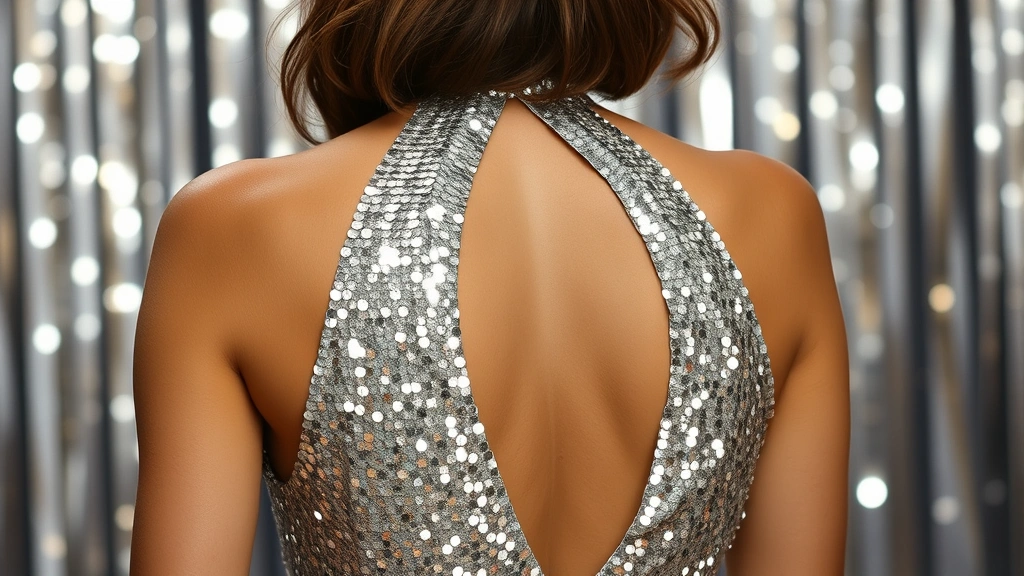
Halter and backless dresses showcased the seventies’ daring approach to skin exposure and sexual confidence. These designs required a certain attitude—women wearing them weren’t seeking approval but demanding attention. The halter neckline, whether plunging or modest, created dramatic visual interest while allowing freedom of movement. These styles perfectly captured the era’s rebellious spirit.
A-line and shift dresses provided a more conservative alternative while maintaining seventies character through distinctive prints and unique details. These simple silhouettes allowed fabric patterns and textures to become the statement, rather than complex tailoring. Many vintage shops specialize in these more wearable pieces for modern styling.
Disco Glamour and Evening Wear
Disco culture exploded during the mid-to-late seventies, transforming nightlife and formal wear forever. When discussing fashion-forward dress collections, we cannot overlook disco’s massive influence on evening wear. The disco dress represented pure escapism—sequins, metallics, and bold colors created an otherworldly aesthetic that transported wearers to glamorous nightclubs where anything seemed possible.
Sequined and beaded dresses epitomized disco elegance, featuring thousands of tiny reflective discs that caught light with every movement. These labor-intensive creations required skilled craftsmanship, making them precious investment pieces even at the time. The color palette ranged from classic silver and gold to jewel tones and even black sequins for sophisticated contrast.
Jumpsuits and wide-leg pants dresses challenged traditional femininity while maintaining disco’s glamorous spirit. These structured pieces often featured plunging necklines, dramatic sleeves, and strategic cutouts. They allowed women to feel powerful and alluring simultaneously, representing a shift in how femininity could be expressed through fashion.
Metallic fabrics dominated disco dressing, with lamé and holographic materials creating futuristic vibes. These reflective surfaces symbolized the disco era’s forward-thinking attitude and technological optimism. Combined with statement jewelry and bold makeup, metallic 70s dresses transformed wearers into disco royalty.
Understanding how to find your personal style becomes particularly relevant when incorporating disco pieces into modern wardrobes. These bold statements require confidence and intentional styling to feel contemporary rather than costume-like.
Bohemian and Hippie Influences
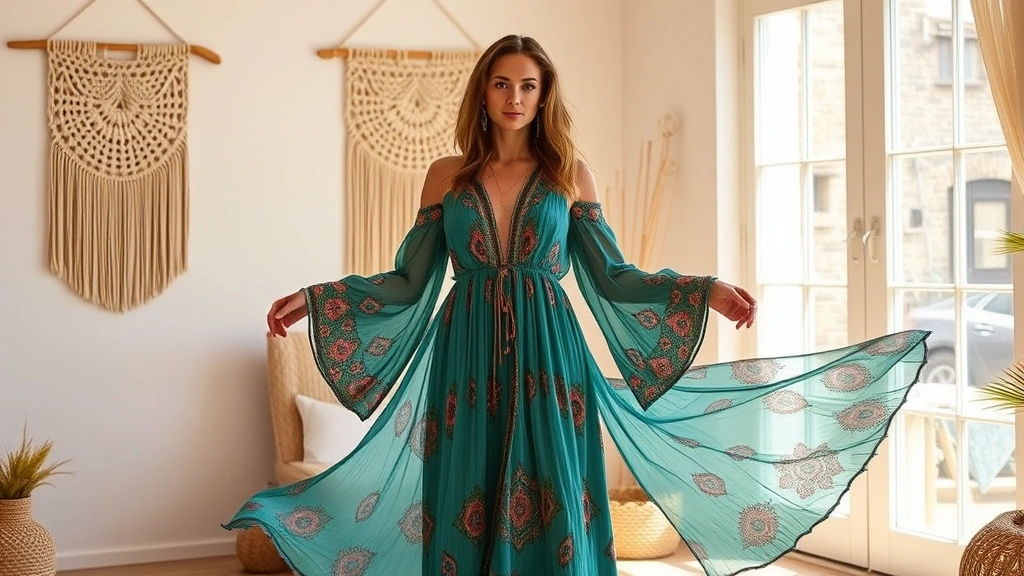
Simultaneously with disco’s rise, bohemian fashion flourished among those seeking alternative lifestyles and spiritual connection. Hippie-inspired 70s dresses reflected values of peace, natural beauty, and environmental consciousness. These pieces celebrated handcrafted details, natural fibers, and earthy color palettes that contrasted sharply with disco’s synthetic glamour.
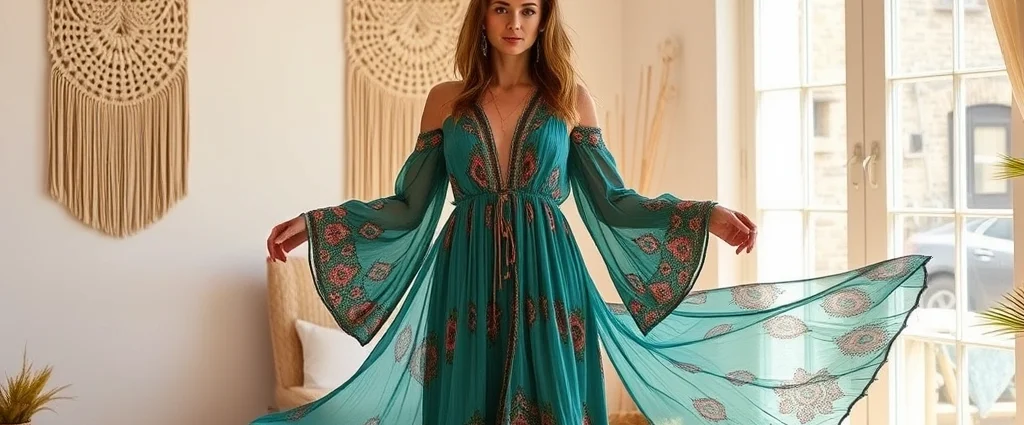
Peasant dresses with their characteristic embroidered yokes and voluminous sleeves became bohemian staples. These romantic creations drew inspiration from traditional European and Mexican folk dress, appealing to women seeking cultural authenticity and artisanal craftsmanship. The peasant silhouette remains popular today, regularly appearing in contemporary collections.
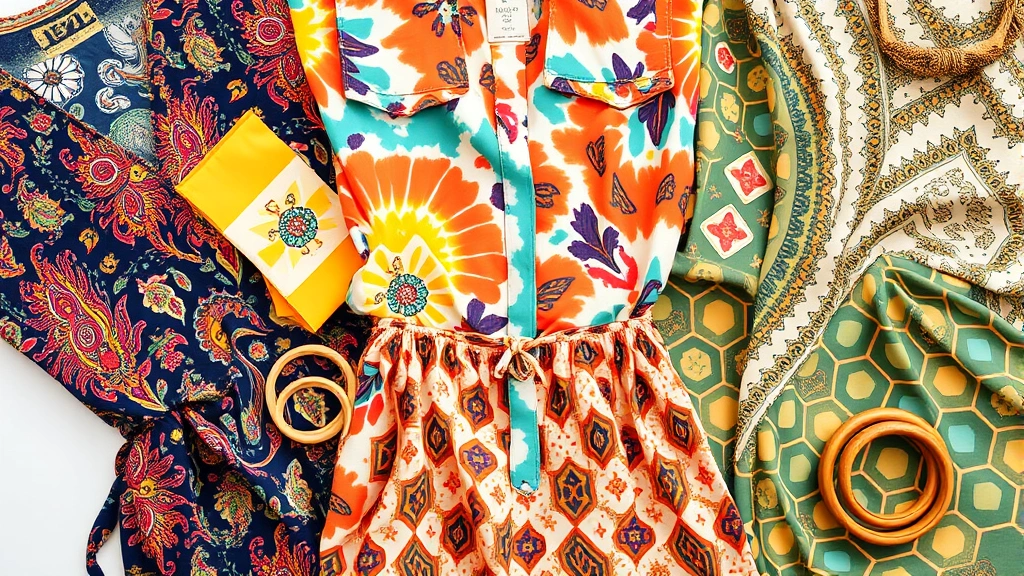
Tie-dye and batik prints dominated hippie wardrobes, representing both artistic expression and countercultural rebellion. These hand-applied techniques meant each garment was unique, celebrating individuality over mass production. Modern fashion enthusiasts appreciate tie-dye dresses for their authentic seventies character and one-of-a-kind aesthetic.
Crochet and macramé details adorned many bohemian dresses, adding texture and tactile interest. These labor-intensive embellishments showcased the maker’s skill while celebrating handmade beauty over factory efficiency. Vintage crochet dresses remain highly sought by collectors who appreciate their craftsmanship.
Long, flowing silhouettes with minimal structure defined bohemian dressing philosophy. These comfortable, liberating cuts rejected fashion industry constraints, allowing natural body movement and comfortable wear. The bohemian aesthetic emphasized feeling good over looking perfect—a revolutionary concept that influences fashion thinking today.
The contrast between contemporary fashion perspectives and seventies bohemian values reveals how the era’s anti-establishment attitude shaped lasting fashion principles.
Fabrics and Patterns That Defined the Era
Seventies dress fabrics ranged from luxurious natural fibers to innovative synthetic materials, each contributing unique qualities to the era’s aesthetic. Understanding fabric choices helps identify authentic vintage pieces and appreciate the technical knowledge seventies designers possessed.
Polyester dominated seventies fashion, offering practical benefits including wrinkle resistance, easy care, and lustrous appearance. While modern fashion sometimes dismisses polyester, seventies designers used it brilliantly, creating garments with movement and fluidity impossible with natural fibers alone. Quality vintage polyester dresses still drape beautifully and wear durably.
Jersey knit fabrics provided comfortable, flexible alternatives to woven materials. These stretchy, forgiving fabrics made dresses accessible to more body types while allowing dramatic silhouettes and sensual draping. Jersey dresses remain practical modern wardrobe staples.
Silk and silk blends represented luxury options for special occasions and higher-end designers. These natural fibers provided incomparable elegance and sophisticated drape. Vintage silk dresses from the seventies continue commanding premium prices due to their quality and timeless appeal.
Cotton and cotton blends offered breathable, practical options for casual and daytime wear. These natural fibers appealed to environmentally conscious consumers and bohemian-minded fashionistas seeking sustainable alternatives to synthetics.
The pattern vocabulary of the seventies included:
- Geometric prints—bold abstract designs reflecting modernist influences and technological optimism
- Floral patterns—ranging from delicate botanical prints to large-scale bold florals
- Animal prints—leopard and zebra patterns symbolizing wild, uninhibited sexuality
- Paisley—intricate ornamental patterns evoking Eastern influences and spiritual searching
- Color blocking—solid contrasting color sections creating graphic visual impact
- Ombre and gradient effects—subtle color transitions creating depth and dimension
These diverse patterns reflected the seventies’ eclectic approach to aesthetics, where multiple influences coexisted and individual preference trumped cohesive trends.
Styling 70s Dresses for Modern Wardrobes
Successfully integrating vintage 70s dresses into contemporary fashion requires understanding both the era’s aesthetic and modern styling principles. The key involves balancing nostalgic elements with current sensibilities to create fresh, relevant looks.
Layering provides an excellent strategy for updating vintage seventies dresses. A cropped denim jacket, oversized blazer, or leather moto jacket instantly modernizes even the most bohemian maxi dress. This approach works particularly well with delicate or heavily patterned pieces that might feel costume-like when worn alone.
Footwear choices dramatically impact how seventies dresses read in modern contexts. Pairing bohemian dresses with contemporary sneakers or minimalist flat sandals creates intentional vintage mixing rather than costume aesthetics. For disco dresses, modern heels or boots ground the look in current fashion.
Accessories deserve careful consideration when styling vintage pieces. Modern minimalist jewelry contrasts beautifully with ornate seventies dress details. A simple pendant necklace lets a bold patterned dress shine, while structured handbags add contemporary sophistication.
Understanding how subsequent decades built upon seventies foundations helps contextualize vintage pieces within fashion evolution. The nineties, for instance, incorporated seventies elements differently than the 2020s approach.
Confidence matters tremendously when wearing vintage pieces. Seventies fashion celebrated boldness and individuality—wearing these dresses requires embracing that same confident spirit. The most successful vintage styling comes from genuine appreciation rather than ironic distance.
Where to Find Authentic 70s Vintage Dresses
Finding quality vintage 70s dresses requires knowing where to look and what to assess for authenticity and wearability. The vintage fashion market offers numerous options, each with distinct advantages and challenges.
Specialty vintage boutiques curate collections with expertise and care. These shops typically authenticate pieces, handle preservation properly, and provide detailed descriptions of condition and sizing. While prices run higher than other venues, the quality assurance justifies investment for serious collectors.
Online vintage marketplaces including Etsy, Depop, and Vestiaire Collective connect buyers with individual sellers worldwide. These platforms offer enormous selection but require careful vetting of sellers and thorough examination of photos and descriptions. Reading reviews and asking detailed questions helps ensure satisfactory purchases.
Estate sales and auctions occasionally yield remarkable finds from estates of women who lived through the seventies. These venues require patience and regular searching, but rewards include unique pieces and exceptional value. Building relationships with estate sale companies increases access to quality inventory.
Thrift stores provide budget-friendly options for casual vintage explorers. While finding pristine pieces proves challenging, occasional treasures appear at minimal cost. Regular visits to favorite locations build familiarity with inventory patterns and staff relationships.
Fashion professionals and design students sometimes sell vintage pieces from personal collections. These sellers understand garment construction and care, often providing valuable insights about pieces.
When shopping for vintage 70s dresses, assess construction quality, fabric condition, and sizing carefully. Original sizing runs significantly smaller than contemporary standards. Check seams for strength, examine hems for integrity, and inspect fabrics for staining or damage. Authentic vintage pieces should feel well-made despite age.
Investing in quality pieces from reputable sources ensures both longevity and satisfaction. A well-preserved 70s dress can provide years of styling enjoyment and potentially appreciate in value.
Expert tip: Documentation through Vogue’s vintage styling guides helps modern wearers contextualize purchases within fashion history.
The seventies dress aesthetic continues influencing contemporary designers at every price point. Understanding the era’s foundational principles helps identify which modern pieces capture genuine seventies spirit versus superficial trend-chasing. Quality vintage dresses offer irreplaceable authenticity that no reproduction can fully replicate.
Major fashion institutions recognize seventies fashion’s significance. The Metropolitan Museum of Art regularly features seventies pieces in exhibitions exploring fashion’s evolution. Museums worldwide maintain seventies collections for research and public education.
Contemporary designers consistently reference seventies aesthetics, proving the era’s enduring influence. From Gucci to smaller independent labels, 70s dress elements appear regularly on runways. This continued relevance demonstrates that seventies fashion transcended temporary trends to become foundational style language.
FAQ
What makes a dress authentically 1970s?
Authentic 70s dresses feature era-specific construction techniques, appropriate fabric choices, and design details reflecting contemporary design principles. Look for original tags, seam construction methods, and fabric composition that align with seventies manufacturing. Polyester, jersey knit, and natural fiber blends were common, while certain synthetic combinations only became prevalent later. Authentic pieces show appropriate wear patterns and aging consistent with fifty-year-old garments.
How do I care for vintage 70s dresses?
Gentle hand-washing in cool water using delicate detergent preserves vintage fabrics. Avoid bleach and harsh chemicals that damage aging fibers. Dry flat or hang carefully, never using high heat. Store in acid-free tissue paper away from direct sunlight. For heavily beaded or embellished pieces, professional dry cleaning by specialists in vintage garments ensures proper care. Regular inspection catches potential issues before they worsen.
Are 70s dresses flattering on modern body types?
Seventies fashion celebrated diverse body types through varied silhouettes. Maxi dresses accommodate many body shapes, wrap dresses flatter through adjustable fit, and loose shifts work for multiple sizes. However, vintage sizing runs smaller than contemporary standards—always check specific measurements rather than assuming standard sizing. The era’s emphasis on individual style over restrictive standards makes seventies dresses surprisingly inclusive.
Can I wear 70s dresses to professional settings?
Absolutely. Wrap dresses remain professional classics, while structured seventies shift dresses work as sophisticated office wear. Pair with modern blazers and contemporary accessories to ensure professional presentation. The key involves balancing vintage elements with current professional standards rather than appearing costume-like. Many professionals successfully incorporate vintage pieces into business wardrobes.
How do I style a 70s dress for contemporary occasions?
Layering with modern pieces provides the most effective approach. Add contemporary jackets, belts, and accessories that ground the look in current fashion. Choose modern footwear and minimal jewelry for balance. The goal involves creating intentional vintage mixing rather than costume aesthetics. Consider the occasion’s formality and dress accordingly while maintaining the vintage piece’s integrity.
What’s the difference between authentic vintage and 70s-inspired reproductions?
Authentic vintage pieces show appropriate aging, original construction details, and period-accurate materials. Reproductions, while often well-made, lack the patina and specific construction methods of genuine seventies garments. Authentic pieces often cost more but offer irreplaceable character and quality. For collectors, authenticity matters; for casual wearers, quality reproductions provide accessible seventies aesthetics.