How to Rock Everyday 80s Fashion? Expert Advice
The 1980s remain one of the most iconic decades in fashion history, and the good news is that you don’t need to commit to a full-blown retro costume to embrace this bold aesthetic. Everyday 80s fashion is about capturing the spirit of the era—confidence, color, and creative self-expression—while keeping your look modern and wearable. Whether you’re drawn to the athletic influence of aerobics culture, the edgy punk-inspired silhouettes, or the glamorous power dressing that defined the decade, there’s a way to incorporate these elements into your daily wardrobe without looking like you’re heading to a costume party.
The beauty of 80s fashion lies in its fearless approach to style. It was a decade that rejected minimalism and embraced maximalism, bold patterns, and unapologetic self-expression. Today, as we see retro trends cycling back into mainstream fashion, understanding how to authentically wear everyday 80s pieces is essential for any style enthusiast. This guide will walk you through the key elements, styling techniques, and expert tips to help you master this vibrant aesthetic and make it work for your modern lifestyle.
Understanding 80s Fashion Fundamentals
Before diving into specific pieces, it’s crucial to understand the core philosophy that made 80s fashion so distinctive. The decade was defined by several cultural movements that directly influenced style: the rise of MTV, the fitness boom, the emergence of new wave and punk subcultures, and the prosperity-driven power dressing movement. Each of these elements contributed to a fashion landscape that celebrated excess, boldness, and individual identity.
What made 80s fashion unique was its rejection of the previous decade’s subdued aesthetic. While the 1970s favored earthy tones and flowing silhouettes, the 80s embraced neon colors, geometric shapes, and structured forms. The decade wasn’t about blending in—it was about standing out. This philosophy is what makes incorporating everyday 80s fashion into your modern wardrobe so exciting: you’re adding personality and confidence to your style.
Understanding the complete fashion history timeline can help you appreciate how the 80s fit into broader fashion evolution. The decade built on disco’s glamour while rejecting its excess, creating something entirely new. According to Vogue, contemporary designers consistently reference 80s silhouettes and color palettes when creating modern collections, proving the enduring relevance of this aesthetic.
Essential 80s Wardrobe Staples
Every successful 80s-inspired wardrobe starts with foundational pieces that capture the decade’s essence without feeling costume-like. These staples serve as the building blocks for creating authentic, wearable looks that feel current.
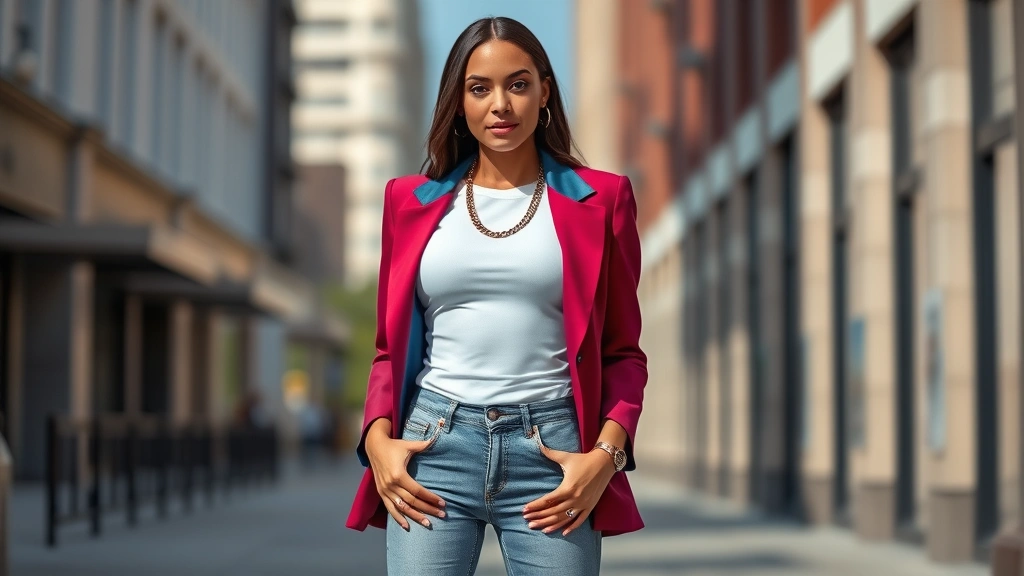
Blazers and Power Jackets: The structured blazer was absolutely essential to 80s style, particularly for professional settings. What made 80s blazers distinctive was their exaggerated shoulder padding, which created a powerful silhouette. Today’s everyday 80s fashion incorporates this element through modern blazers with subtle shoulder structure. Look for pieces in jewel tones, pastels, or even metallic fabrics. Pair them with simple basics to let the blazer be your statement piece.
Graphic T-Shirts and Tees: Band tees, graphic prints, and bold typography were everywhere in the 80s. Modern interpretations include vintage-style band shirts, geometric graphic tees, and designs featuring retro typography. These pieces are incredibly versatile and can be dressed up with tailored trousers or down with denim.
Denim Everything: Denim was a canvas for 80s creativity. Acid wash, stone wash, and color-blocked denim jeans were everywhere. Today’s everyday approach means incorporating denim with subtle retro washes, high-waisted cuts, or strategic color-blocking rather than going full acid wash.
Leather Jackets: The leather jacket is perhaps the most timeless 80s staple. A classic black leather jacket works with virtually any outfit and instantly adds an edge that defines the era. Consider investing in a quality piece that will last for years.
Explore more about fashion style to understand how these pieces fit into broader style categories and how to make them work for your personal aesthetic.
Mastering Color and Pattern Mixing
One of the most recognizable aspects of 80s fashion is its fearless approach to color. The decade didn’t just embrace bright colors—it celebrated them loudly, often in combination with each other. For everyday 80s fashion, the key is finding your comfort level with color while maintaining cohesion.
Neon and Bright Hues: Neon colors were absolutely iconic, but wearing head-to-toe neon in modern everyday wear might feel over the top. Instead, incorporate neon through accessories, a single statement piece, or layering. A neon pink blazer over a neutral outfit, or neon socks peeking out from under tailored trousers, gives you that 80s energy without overwhelming your look.
Pastels and Soft Tones: The 80s also embraced softer color palettes, particularly in Miami Vice-inspired looks and new wave aesthetics. Mint green, baby blue, coral, and lavender were frequently worn together. These softer approaches to color are incredibly wearable for modern everyday fashion and feel less costume-like than bright neons.
Color Blocking: One of the most distinctive 80s techniques was color blocking—pairing contrasting colors in geometric sections. This could mean wearing a hot pink top with electric blue bottoms, or a dress with distinct color-blocked sections. Modern interpretations work with fewer, more harmonious color combinations while maintaining the graphic impact.
Pattern Mixing: The 80s had no fear of mixing patterns. Stripes with geometric prints, florals with polka dots—nothing was off-limits. For everyday wear, try mixing one bold pattern with a more subtle one, using neutral colors as anchors. A striped blazer over a geometric top, for instance, works when both patterns share similar color families.
Understanding types of fashion styles helps you identify which color approaches resonate most with your personal aesthetic. Some people gravitate toward the bold neon approach, while others prefer the softer pastel palette.
The Power of 80s Silhouettes
Silhouette is perhaps the most defining element of 80s fashion, and understanding how to work with these shapes is crucial for rocking the look authentically.
Shoulder Power: Exaggerated shoulders were everywhere, from blazers to t-shirts to dresses. This wasn’t subtle—it was about creating a strong, powerful silhouette. Modern everyday 80s fashion incorporates this through blazers with structured shoulders, off-the-shoulder tops that create the illusion of broader shoulders, or layering techniques that build volume in the shoulder area.
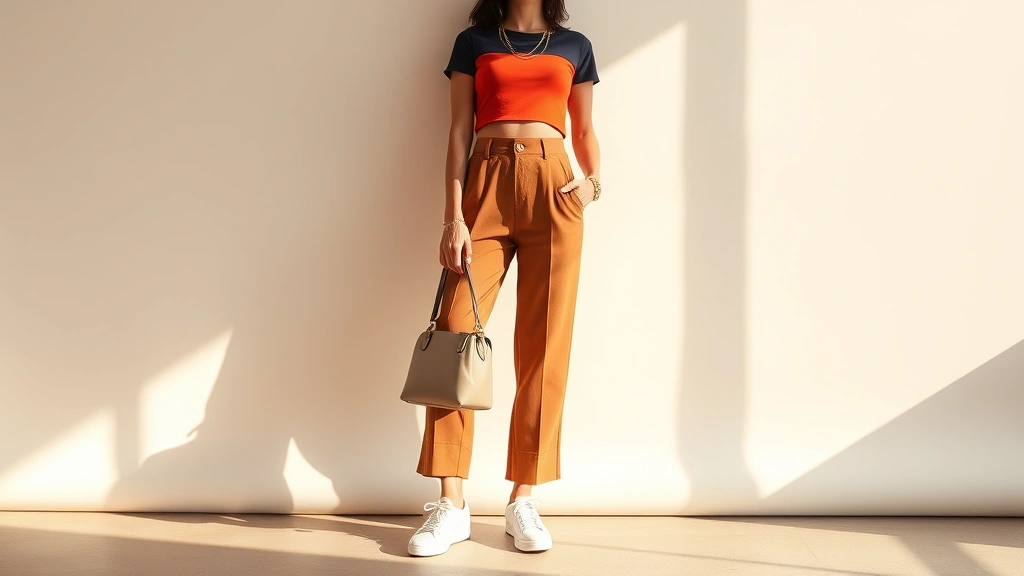
Fitted Waists and High Rises: While shoulders were big, waists were defined. High-waisted jeans, cinched waists on dresses, and cropped tops that showed the midriff created an hourglass silhouette. Pairing fitted waists with voluminous tops created visual interest and balance.
Cropped and Layered Silhouettes: Crop tops, cropped jackets, and layered pieces were characteristic of 80s style. The modern approach to this involves strategic cropping that flatters your proportions, and thoughtful layering that creates depth without appearing sloppy.
Oversized Elements: Ironically, while much of 80s fashion was fitted, oversized elements also played a role—oversized blazers, oversized sweaters, and baggy sweatpants were part of the casual aesthetic. The key was balancing oversized pieces with fitted ones to maintain silhouette definition.
Accessories That Define the Era
Accessories were absolutely crucial to 80s style—they were how people expressed individuality and pushed the aesthetic to its fullest expression.
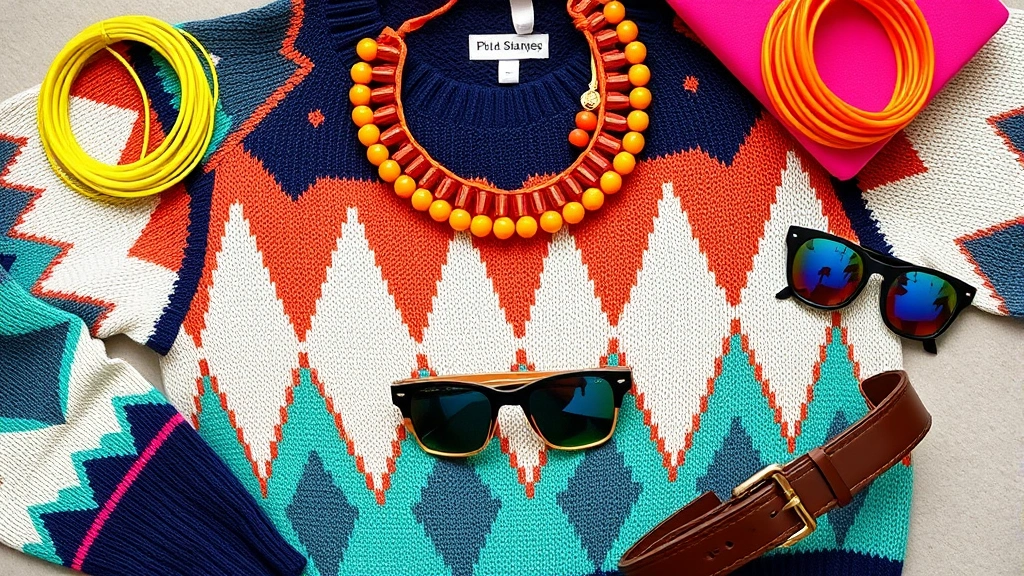
Jewelry and Bangles: Stacked bangles, chunky chains, and statement earrings were signature 80s accessories. Modern everyday wear incorporates this through layered delicate chains, statement earrings in geometric shapes, or a curated collection of bangles worn together. Gold, silver, and neon colors were all popular.
Belts as Statement Pieces: Wide belts with prominent buckles were worn over dresses, sweaters, and jackets. These weren’t just functional—they were style statements. Look for belts in metallic finishes, bold colors, or with interesting buckle details.
Sunglasses: Oversized sunglasses, particularly in geometric shapes and with colored lenses, were essential 80s accessories. Modern versions include cat-eye frames, geometric shapes, and even tinted lenses in subtle colors.
Bags and Clutches: Shoulder pads extended to bags, creating structured, geometric silhouettes. Look for structured handbags in bold colors, metallics, or with interesting hardware details.
Scarves and Headbands: Colorful scarves, particularly silk ones, and fabric headbands were worn to add pops of color and coordinate with outfits. These pieces are incredibly easy to incorporate into modern everyday wear.
Footwear for Every 80s Look
Shoes were a critical component of 80s style, and fortunately, many iconic silhouettes have remained relevant or have been revived.
Sneakers and Athletic Wear: The fitness boom made athletic sneakers fashionable for everyday wear. Vintage-style high-top sneakers, particularly in bold colors or with retro branding, perfectly capture 80s athletic influence. Pair them with anything from dresses to tailored trousers for an unexpected modern twist.
Heeled Boots: Ankle boots with chunky heels, particularly in leather or with interesting hardware, were popular. These remain relevant today and work beautifully with 80s-inspired outfits.
Flats and Ballet Shoes: Legwarmers and ballet flats were part of the aerobics-inspired aesthetic. Modern versions might include flat shoes in bold colors paired with socks for a nostalgic touch.
Statement Heels: Bold colors, metallic finishes, and interesting details made heels a statement piece in the 80s. Look for modern interpretations that echo this boldness without feeling dated.
Balancing 80s with Modern Fashion
The most successful everyday 80s fashion looks integrate retro elements with contemporary pieces, creating outfits that feel current rather than costume-like.
The 80/20 Rule: A practical approach is to make 80% of your outfit modern and contemporary, with 20% distinctly 80s. This might mean wearing a contemporary outfit with a statement 80s blazer, or pairing modern jeans with a graphic 80s tee and current sneakers.
Quality Over Quantity: Rather than trying to source authentic vintage pieces, invest in modern reproductions and contemporary pieces that capture the 80s spirit. Quality matters more than authenticity when you’re wearing pieces daily.
Proportion and Fit: 80s silhouettes can feel exaggerated. Ensure pieces fit your body properly and flatter your proportions. Oversized shoulders should be balanced with fitted elements, and volume should be strategic rather than overwhelming.
Neutral Anchors: Use neutral colors—black, white, gray, navy—as anchors for bolder 80s pieces. This grounds your look and makes it feel more wearable for everyday situations.
Visit how to find your personal style to discover which elements of 80s fashion genuinely resonate with your aesthetic rather than forcing trends that don’t suit you.
Building Your 80s Capsule Wardrobe
Creating a cohesive everyday 80s fashion wardrobe doesn’t require a complete closet overhaul. Start with these essential pieces and build from there.
Foundation Pieces: Begin with neutral basics—black and white t-shirts, navy jeans, a white button-down shirt, and black trousers. These provide a neutral foundation for 80s statement pieces.
80s Statement Pieces: Add one or two key pieces that scream 80s: a structured blazer with shoulder padding, a graphic band tee, or a leather jacket. These pieces become the anchor for your outfits.
Color and Pattern Pieces: Gradually add pieces in 80s-appropriate colors and patterns. Start with one bold piece—perhaps a neon blazer or a color-blocked sweater—and see how you style it.
Footwear: Invest in one or two key shoe styles that work with multiple outfits. A pair of white sneakers and a pair of heeled boots can work with countless combinations.
Accessories: Build a collection of statement accessories—bangles, chains, belts, and scarves. These are relatively inexpensive and can completely transform an outfit.
Take the fashion style quiz to identify which specific 80s aesthetic resonates most with your personal style, whether that’s power dressing, athletic wear influence, punk-inspired looks, or new wave minimalism.
According to Harper’s Bazaar, contemporary fashion designers from major houses continue incorporating 80s elements into their collections, validating the timelessness of this aesthetic. The key to success is understanding which elements work for your lifestyle and body type, then executing them with intention and confidence.
Remember that the 80s were fundamentally about self-expression and confidence. The most successful everyday 80s fashion looks are those where you feel comfortable and authentic. Whether you’re embracing bold colors, statement silhouettes, or just adding a few retro touches to your modern wardrobe, the goal is to feel like the best version of yourself. Start small, experiment with pieces, and gradually build an 80s-inspired wardrobe that feels genuinely yours. Check out the Style Loom Daily Blog for more fashion inspiration and trend updates.
FAQ
What’s the easiest way to start wearing everyday 80s fashion?
Start with a single statement piece like a structured blazer or graphic tee, and pair it with modern, neutral basics. This gives you 80s flair without feeling like a costume.
Can I wear 80s fashion to professional settings?
Absolutely. Power dressing was a major 80s trend, and structured blazers, tailored trousers, and professional pieces with subtle 80s elements work beautifully in office environments.
How do I avoid looking costume-like?
Focus on modern interpretations rather than exact replicas. Mix 80s pieces with contemporary items, use quality fabrics, and ensure proper fit. Avoid head-to-toe retro looks.
Which 80s colors work best for everyday wear?
Pastels and jewel tones are more wearable than neons for daily outfits. However, incorporating neon through accessories or a single statement piece adds authentic 80s energy.
Are there any 80s fashion rules I should avoid?
Avoid wearing multiple oversized pieces together, as this can look shapeless. Balance volume with fitted elements. Also, be cautious with pattern mixing—limit yourself to two patterns maximum, with one being more subtle.
Where can I find 80s-inspired pieces today?
Many contemporary retailers create 80s-inspired collections. Vintage shops and online vintage platforms offer authentic pieces, though modern reproductions often provide better fit and durability for everyday wear.
How do I style high-waisted jeans in an 80s way?
Tuck in a graphic tee or crop top, add a wide belt, and pair with a structured blazer or leather jacket. Add statement jewelry and bold shoes to complete the look.