
Ethiopian Fashion Trends: Expert Insights into Traditional and Contemporary Style
Ethiopian fashion represents one of Africa’s most distinctive and culturally rich sartorial traditions, blending centuries-old craftsmanship with contemporary design innovation. From the iconic shama and habesha kemis to modern interpretations that grace international runways, Ethiopian traditional fashion continues to captivate style enthusiasts worldwide. This comprehensive guide explores the evolution of Ethiopian fashion, the artistry behind its most celebrated garments, and how global designers are reimagining these timeless pieces for today’s fashion-forward audience.
The resurgence of interest in ethiopian traditional fashion reflects a broader global movement celebrating African heritage and craftsmanship. Leading fashion experts, textile historians, and Ethiopian designers are championing the preservation and modernization of these garments, ensuring that traditional techniques and aesthetic principles remain relevant in contemporary wardrobes. Whether you’re drawn to authentic ceremonial wear or seeking to incorporate Ethiopian-inspired elements into your personal style, understanding these trends offers valuable insights into one of the world’s most authentic fashion movements.
The Rich Heritage of Ethiopian Traditional Garments
Ethiopian fashion history spans millennia, with documented evidence of sophisticated garment construction dating back to the Axumite Empire. The tradition of adorning oneself with purpose-woven textiles reflects deep cultural values of respect, celebration, and community identity. Understanding fashion history timeline reveals how Ethiopian styles have maintained consistency while adapting to contemporary contexts.
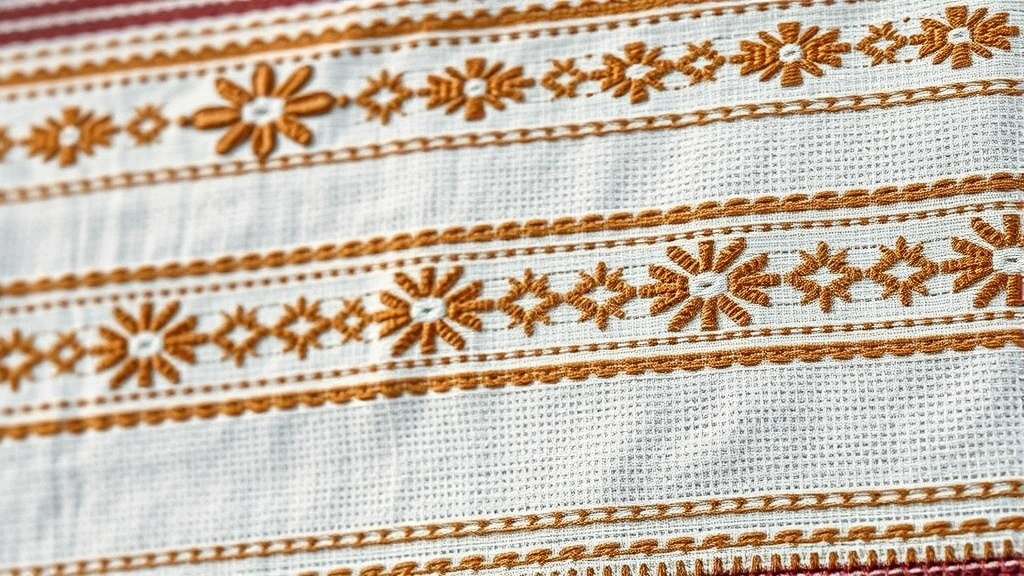
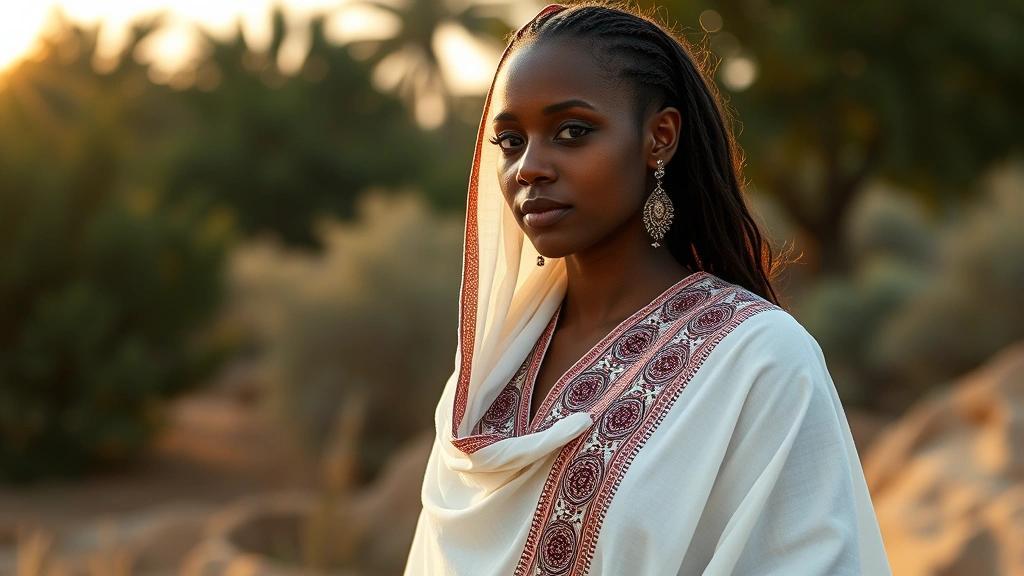
The most recognizable Ethiopian garment is the habesha kemis, a white cotton dress featuring intricate woven patterns along the edges in geometric designs. Traditionally worn during celebrations, religious ceremonies, and special occasions, this dress exemplifies Ethiopian craftsmanship at its finest. The garment’s construction requires skilled artisans who hand-weave borders using cotton thread dyed with natural pigments. The resulting patterns—often featuring crosses, diamonds, and abstract motifs—carry symbolic meaning within Ethiopian culture, representing everything from spiritual protection to family lineage.
Beyond the habesha kemis, the shama represents another cornerstone of Ethiopian fashion. This lightweight cotton or silk wrap, typically featuring woven borders, serves multiple purposes: it can be worn as an outer garment, a head covering, or draped elegantly across the shoulders. The versatility of the shama demonstrates the practical wisdom embedded in traditional Ethiopian design, allowing one garment to serve various functions across different occasions.
The netela, another essential piece, functions as a decorative shawl traditionally made from cotton or silk with ornate woven borders. Often passed down through generations, a family’s finest netelas become heirlooms, their value increasing with age and the prestige of their original weaver. This intergenerational aspect of Ethiopian fashion connects wearers to their ancestors and cultural lineage in ways that contemporary fast fashion cannot replicate.
Key Pieces Every Fashion Enthusiast Should Know
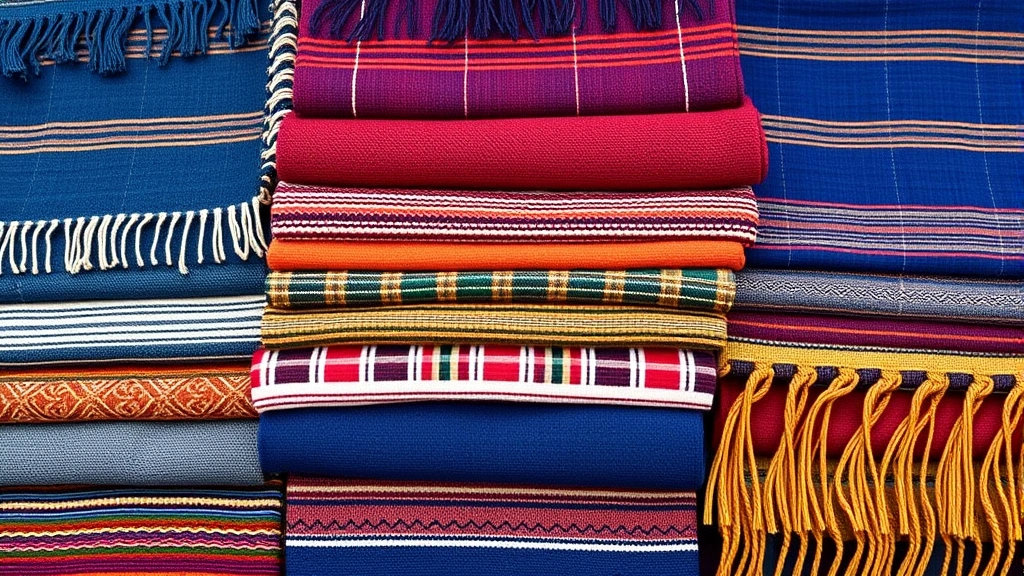
Exploring different types of fashion styles reveals that Ethiopian garments occupy a unique category—simultaneously ceremonial and everyday, traditional yet timeless. Here are the essential pieces that define Ethiopian fashion:
- Habesha Kemis: The quintessential white dress with woven borders, typically featuring cross-stitch embroidery and geometric patterns. Modern interpretations include colored versions and variations in border complexity.
- Shama: A versatile wrap available in various fabrics from cotton to silk, featuring decorative woven edges. The quality and intricacy of the border directly correlates with the shama’s value and prestige.
- Netela: An ornamental shawl with elaborate woven or embroidered borders, essential for formal occasions and religious ceremonies. Premium netelas showcase hundreds of hours of handwork.
- Gonella: A traditional men’s garment similar to the habesha kemis but tailored differently, typically featuring a more structured silhouette and varying border designs.
- Tibeb: Handwoven fabric featuring geometric patterns created through traditional weaving techniques, often incorporated into modern fashion pieces.
Each garment category includes numerous variations based on regional traditions, weaver specialization, and occasion-specific requirements. Understanding these distinctions helps fashion enthusiasts appreciate the sophistication embedded in what might appear as simple, elegant pieces at first glance.
Contemporary Designers Redefining Ethiopian Fashion
A new generation of Ethiopian designers is revolutionizing how the world perceives and consumes ethiopian traditional fashion. These visionary creators blend ancestral techniques with contemporary aesthetics, creating pieces that resonate with international audiences while honoring cultural heritage. According to Vogue Business, African fashion, particularly Ethiopian design, represents one of the fastest-growing segments in the global luxury market.
Designers like Liya Kebede have become global ambassadors for Ethiopian fashion, showcasing traditional garments on prestigious international platforms. Her work demonstrates how ethiopian traditional fashion can command attention in high-fashion contexts without compromising authenticity. Similarly, emerging designers based in Addis Ababa are experimenting with unconventional color palettes, innovative fabric combinations, and contemporary silhouettes that appeal to younger, globally-minded consumers.
The contemporary Ethiopian fashion movement emphasizes fashion style that celebrates craftsmanship over mass production. Designers prioritize sustainable practices, fair wages for artisans, and transparent supply chains. This ethical approach resonates strongly with conscious consumers seeking alternatives to fast fashion.
Fashion institutions and design schools throughout Ethiopia now offer specialized programs in traditional textile design and garment construction. These educational initiatives ensure that younger generations understand both the technical and cultural significance of their craft, preparing them to innovate while preserving authenticity.
Textile Traditions and Weaving Techniques
The foundation of Ethiopian fashion lies in its extraordinary textile traditions. Hand-weaving remains the dominant production method for authentic ethiopian traditional fashion, with techniques passed down through family lineages and regional guilds. The process begins with raw cotton or silk, which artisans dye using natural pigments derived from local plants, minerals, and insects.
Traditional Ethiopian looms—often simple wooden frames—enable weavers to create intricate patterns with remarkable precision. A single border for a habesha kemis might require weeks or months of continuous work, with the weaver maintaining consistent tension and pattern accuracy throughout. This labor-intensive approach explains why authentic pieces command significant value and why mass-produced imitations fail to capture the true essence of Ethiopian fashion.
The color palette in ethiopian traditional fashion reflects the natural dye sources available in different regions. Indigo produces deep blues, madder root creates warm reds and oranges, and various plant materials yield yellows, greens, and browns. Contemporary designers are revitalizing these natural dye practices, recognizing their environmental benefits and the unique variations that natural dyeing produces compared to synthetic alternatives.
Regional specialization further enriches Ethiopian textile traditions. Certain areas have become renowned for specific techniques or design motifs. For instance, weavers from particular regions might specialize in complex geometric patterns, while others focus on floral designs or symbolic religious imagery. This geographic differentiation means that knowledgeable fashion enthusiasts can identify a garment’s origin based on its design characteristics.
Styling Ethiopian Fashion in Modern Wardrobes
Incorporating ethiopian traditional fashion into contemporary wardrobes requires understanding both the cultural context and practical styling principles. Rather than treating these garments as costumes, fashion-forward individuals approach them as legitimate wardrobe investments that complement modern aesthetics. Learning how to find your personal style often involves discovering how traditional pieces align with individual aesthetic preferences.
Modern styling approaches include pairing traditional habesha kemis with contemporary accessories—minimalist jewelry, modern footwear, and structured handbags create interesting contrasts that feel current rather than costume-like. The key lies in respecting the garment’s inherent elegance while allowing it to coexist with contemporary fashion elements.
Shamas and netelas offer particular versatility for modern styling. These pieces can function as statement outerwear, elegant wraps for evening occasions, or artistic layering elements over contemporary basics. Fashion bloggers and style influencers increasingly showcase these traditional pieces styled with jeans, leather jackets, and other modern wardrobe staples, demonstrating their surprising versatility.
Formal occasions present ideal opportunities to wear ethiopian traditional fashion authentically. Weddings, cultural celebrations, and religious ceremonies call for pieces like the habesha kemis, where traditional styling expectations align with modern fashion sensibilities. These occasions allow wearers to honor their heritage while making sophisticated fashion statements.
For everyday wear, contemporary designers are creating hybrid pieces that incorporate Ethiopian design elements into modern silhouettes. Dresses featuring habesha-inspired borders, contemporary cuts with tibeb fabric inserts, and accessories incorporating traditional weaving techniques bridge the gap between heritage and modernity.
The Global Impact of Ethiopian Style
Ethiopian fashion’s influence extends far beyond East Africa, shaping conversations about cultural authenticity, sustainability, and the future of global fashion. Major fashion publications increasingly feature ethiopian traditional fashion in editorial spreads, and international designers draw inspiration from Ethiopian aesthetic principles. This global recognition validates the sophistication of these traditions while creating new economic opportunities for Ethiopian artisans and designers.
The rise of fashion icons embracing Ethiopian style has accelerated this trend. Celebrities and public figures wearing habesha kemis and netelas to high-profile events signal the legitimacy and desirability of these garments within mainstream fashion discourse. This visibility inspires younger Ethiopians to take pride in their heritage while encouraging international audiences to explore these traditions more deeply.
Fashion institutions worldwide now include Ethiopian design in their curricula and exhibition programming. Museums have begun acquiring significant pieces for permanent collections, recognizing their artistic and historical importance. This institutional validation helps position ethiopian traditional fashion as a serious category worthy of scholarly attention and investment.
The sustainability aspect of Ethiopian fashion resonates strongly with contemporary consumers. As the fashion industry confronts environmental and ethical challenges, the slow, handmade nature of traditional Ethiopian garments offers an alternative model. Each piece represents sustainable practices—natural materials, minimal waste, fair labor practices—that align with the values of conscious consumers.
Economic empowerment represents another crucial dimension of Ethiopian fashion’s global impact. As international demand increases, artisans and designers gain greater income stability and professional recognition. Cooperative organizations connecting Ethiopian weavers directly with international customers eliminate exploitative middlemen, ensuring that the economic benefits of global interest flow to the people creating these exceptional garments.
Visit the Style Loom Daily Blog for ongoing coverage of Ethiopian fashion trends and traditional style movements shaping contemporary wardrobes.
Leading fashion forecasters at The Conversation Fashion consistently identify African traditional fashion, particularly Ethiopian styles, as a major trend influencing global design directions for the coming years.
FAQ
What is the most iconic Ethiopian traditional garment?
The habesha kemis stands as the most recognizable and iconic Ethiopian garment. This white cotton dress features intricate woven borders with geometric patterns and represents the pinnacle of Ethiopian textile craftsmanship. Traditionally worn during celebrations and ceremonies, the habesha kemis exemplifies the elegance and sophistication of ethiopian traditional fashion.
How long does it take to create an authentic Ethiopian garment?
Creating an authentic piece can require anywhere from several weeks to several months, depending on complexity and size. A single habesha kemis with elaborate borders might involve hundreds of hours of hand-weaving. This time investment reflects the exceptional value of genuine pieces and distinguishes them from mass-produced alternatives.
Can I wear Ethiopian traditional fashion outside of cultural events?
Absolutely. Contemporary styling approaches integrate ethiopian traditional fashion into modern wardrobes for everyday wear. Designers create hybrid pieces combining traditional design elements with contemporary silhouettes, making these garments versatile for various occasions and personal style expressions.
What materials are used in authentic Ethiopian garments?
Traditional pieces predominantly use natural materials—cotton and silk being the most common. Authentic garments feature hand-dyed fibers using natural pigments from plants, minerals, and insects. These materials contribute to the durability and unique character of genuine ethiopian traditional fashion.
How can I ensure I’m purchasing authentic Ethiopian fashion?
Look for pieces created by established Ethiopian designers, verified cooperatives, or reputable retailers specializing in African fashion. Authentic garments display evidence of hand-weaving—slight variations in pattern, natural color variations, and visible handwork. Direct relationships with artisans or organizations that provide transparent sourcing information offer the best assurance of authenticity and fair practices.
Are there regional differences in Ethiopian fashion?
Yes, significant regional variations exist in design motifs, weaving techniques, and color preferences. Different areas of Ethiopia have become renowned for specific styles and specializations. These regional distinctions add richness to the broader category of ethiopian traditional fashion and allow knowledgeable wearers to appreciate local traditions.