Top Environmental Fashion Brands: Expert Picks for Conscious Style
The fashion industry stands at a critical crossroads. With textile production accounting for 10% of global carbon emissions and generating massive waste, consumers increasingly demand change. Environmental fashion brands are revolutionizing how we think about clothing, proving that style and sustainability aren’t mutually exclusive. These forward-thinking companies are redefining luxury by prioritizing planet health alongside aesthetic excellence.
Whether you’re passionate about reducing your carbon footprint or simply seeking quality pieces that align with your values, understanding which environmental fashion brands deliver authentic impact matters. This guide explores the top sustainable fashion leaders, their innovative practices, and why they’re reshaping the industry. From heritage houses embracing circular economy principles to emerging labels disrupting fast fashion norms, discover the brands transforming wardrobes responsibly.
What Makes a Fashion Brand Truly Environmental
Not every brand claiming sustainability delivers genuine impact. True environmental fashion brands demonstrate commitment across their entire supply chain—from raw material sourcing through manufacturing, packaging, and end-of-life product disposal. Transparency stands as the hallmark of credible sustainable labels. They openly share their environmental certifications, carbon footprint data, and improvement goals rather than relying on vague greenwashing terminology.
Authentic environmental fashion brands prioritize several key factors. They source materials responsibly, whether organic cotton, recycled fabrics, or innovative plant-based alternatives. Manufacturing processes minimize water consumption, chemical pollution, and waste generation. Fair labor practices ensure workers receive living wages in safe conditions. Additionally, these brands design for longevity—creating timeless pieces meant to last years rather than seasons, directly opposing fast fashion’s disposable mentality.
The most progressive environmental fashion companies embrace circular economy models. They offer take-back programs, repair services, or recycling initiatives that keep garments out of landfills. Some utilize blockchain technology to track supply chain transparency. Others partner with environmental organizations or commit percentages of profits to conservation efforts. Understanding these distinctions helps you find your personal style while making ethical choices.
Certifications provide valuable guidance when evaluating environmental fashion brands. Look for GOTS (Global Organic Textile Standard), Fair Trade Certified, B Corp certification, or OEKO-TEX labels. These third-party verifications indicate brands have met rigorous environmental and social standards rather than self-reporting claims without accountability.

Luxury Leaders in Sustainable Fashion
Stella McCartney pioneered luxury sustainable fashion over two decades ago, refusing animal-derived materials while maintaining haute couture excellence. Her commitment to environmental fashion never wavers—the brand uses innovative vegan alternatives, regenerative fabrics, and carbon-neutral production. McCartney demonstrates that luxury and environmental responsibility align perfectly, influencing heritage houses industry-wide.
Patagonia transcends typical fashion boundaries as an environmental activist disguised as an outdoor apparel company. Founded on ecological principles, Patagonia donates 1% of sales to environmental nonprofits, uses recycled materials extensively, and champions supply chain transparency. Their worn wear program encourages customers to repair garments, extending product lifecycles and reducing consumption pressure. Patagonia proves environmental fashion brands can achieve massive scale without compromising values.
Veja revolutionized sneaker culture by tracing every material’s origin and impact. The Brazilian-French collaboration sources organic cotton from fair-trade suppliers, wild rubber from the Amazon, and plastic bottles for recycled components. Veja’s transparent pricing model reveals production costs, demonstrating respect for workers and environmental stewardship. Their sneakers have become status symbols among conscious consumers who value impact over logos.
Luxury conglomerate Kering (LVMH’s sustainable competitor) transformed through acquisitions of environmental fashion brands like Balenciaga and Saint Laurent, implementing strict environmental standards across all holdings. Their commitment to carbon neutrality and regenerative practices shows that established luxury can evolve responsibly.
Everlane democratized radical transparency by publishing exact production costs and revealing supplier factories. This environmental fashion brand sources responsibly, uses sustainable materials, and designs minimalist pieces promoting intentional consumption. Their “choose what you pay” model and factory tours build consumer trust while maintaining affordability.
Emerging Eco-Conscious Brands to Watch
Reformation emerged as Gen-Z’s sustainable fashion darling by combining trendy designs with environmental accountability. Using deadstock fabrics, organic materials, and water-efficient production, Reformation tracks environmental impact per item—a practice now industry-standard. Their vertical integration control ensures quality and ethical practices throughout manufacturing.
Allbirds disrupted footwear by creating comfortable, stylish shoes from sustainable materials like sugarcane foam and eucalyptus fiber. Their carbon footprint transparency and commitment to carbon neutrality showcase how environmental fashion brands can appeal to mainstream consumers without sacrificing accessibility or design.
Organic Basics focuses on essentials—the wardrobe foundation everyone needs. By producing durable basics from organic and recycled materials in ethical factories, they encourage mindful consumption. Their circular take-back program rewards customers for returning worn items, closing the loop on textile waste.
Pangaia experiments boldly with cutting-edge sustainable materials, from seaweed-based fabrics to lab-grown alternatives. This environmental fashion brand positions itself at innovation’s frontier, proving sustainability can drive design creativity rather than limiting it.
British brand Nobody’s Child integrates sustainability throughout their affordable fashion line, using organic cotton and recycled polyester while maintaining accessible pricing. They demonstrate environmental fashion needn’t target luxury markets exclusively.
Sustainable Materials Revolutionizing Fashion
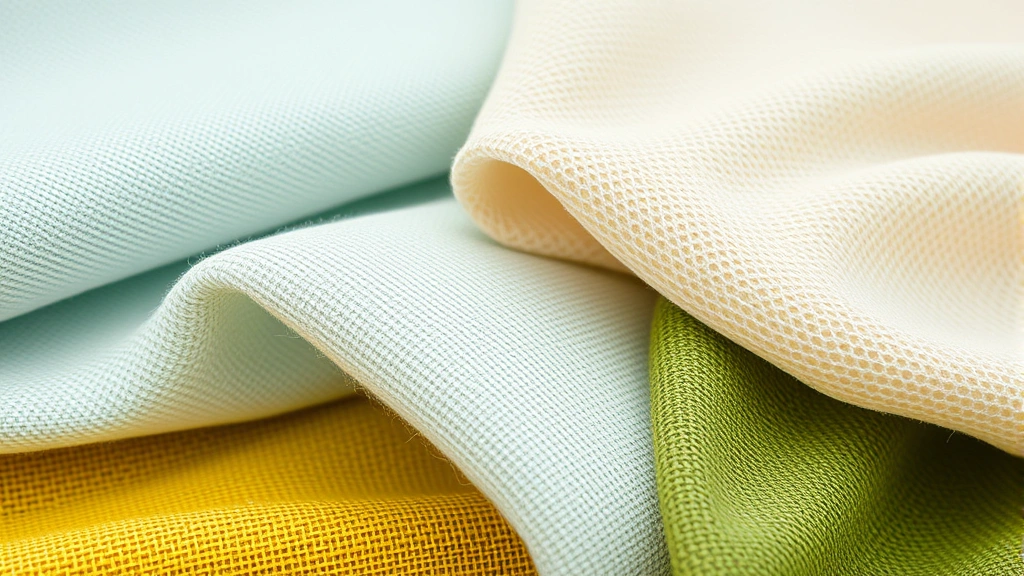
Material innovation determines environmental fashion’s future trajectory. Organic cotton eliminates pesticide and fertilizer impacts, using 91% less water than conventional cotton while supporting farmer health. However, scaling remains challenging and costly. Linen requires minimal inputs and biodegrades completely, perfect for environmental fashion brands seeking low-impact fibers.
Regenerated cellulosics like Tencel transform wood pulp into soft, breathable fabrics using closed-loop production minimizing chemical release. Environmental fashion brands increasingly favor Tencel over viscose for environmental responsibility. Hemp grows without pesticides, requires minimal water, and produces durable fibers, though processing technology still needs refinement.
Recycled polyester diverts plastic waste from oceans and landfills, though quality degrades with each recycling cycle. Recycled nylon offers superior durability, perfect for activewear and outerwear. Lab-grown alternatives like mycelium leather and pineapple leaf fiber represent frontier materials environmental fashion brands experiment with, creating cruelty-free, zero-waste alternatives to traditional hides.
Deadstock fabric utilizes production surplus that otherwise becomes waste, allowing environmental fashion brands to create new collections from existing materials. This circular approach eliminates virgin material demand while maintaining design freedom. Brands like Reformation built their identity partly on deadstock sourcing.
The rise of regenerative agriculture goes beyond organic by actively improving soil health and carbon sequestration. Environmental fashion brands partnering with regenerative farms support ecosystem restoration while sourcing materials, creating positive environmental impact rather than merely reducing harm.
How to Shop Environmental Fashion Smartly
Selecting environmental fashion brands requires informed decision-making. Start by researching brand transparency—visit their websites for supply chain information, environmental reports, and certifications. Authentic environmental fashion companies proudly share detailed impact data. If information remains vague, approach cautiously.
Understand your personal consumption patterns before shopping. Consider whether you genuinely need new pieces or if existing items could serve better. Learning fashion history helps appreciate timeless design principles, guiding purchases toward enduring pieces rather than fleeting trends. Quality trumps quantity—investing in fewer, better pieces from environmental fashion brands ultimately costs less than constantly replacing fast fashion purchases.
Prioritize versatility when shopping environmental fashion brands. Choose neutral colors and classic cuts that mix-and-match easily, maximizing outfit combinations from minimal pieces. This approach aligns with environmental fashion’s ethos of intentional, thoughtful consumption. Explore secondhand platforms and vintage shops—buying pre-owned from environmental fashion brands or any designer extends product lifecycles, the ultimate sustainability practice.
Support environmental fashion brands’ take-back and repair programs actively. Many offer free repairs, recycling services, or trade-in credits encouraging circular consumption. These initiatives transform shopping from transactional to relational, building community around shared environmental values.
Connect with environmental fashion communities online. Follow sustainable fashion influencers, read reviews on specialized platforms, and engage with brand communities. This education helps navigate greenwashing and discover emerging environmental fashion brands aligned with your values. Explore fashion blogs regularly for updated recommendations and insights.
Consider the cost-per-wear metric when evaluating environmental fashion brands. A $200 dress worn 100 times costs $2 per wear; a $50 trend worn twice costs $25 per wear. Environmental fashion often costs more upfront but delivers superior value through longevity. Calculate true cost, not just price tags, when shopping consciously.
Build your environmental fashion wardrobe strategically, focusing initially on basics and staples. Invest in quality fundamentals from established sustainable brands, then add trend pieces from emerging environmental fashion labels. This balanced approach supports innovation while maintaining a coherent, functional wardrobe.
FAQ
What exactly is environmental fashion?
Environmental fashion, also called sustainable or eco-friendly fashion, refers to clothing produced with minimal ecological impact. Environmental fashion brands prioritize sustainable materials, ethical labor, responsible manufacturing, and circular economy principles throughout their operations. Unlike fast fashion, environmental fashion emphasizes quality, longevity, and transparency.
Why does environmental fashion cost more?
Environmental fashion costs more because ethical practices genuinely cost more. Fair wages, sustainable materials, reduced chemical processing, and rigorous quality control increase production expenses. Additionally, environmental fashion brands invest heavily in transparency, certifications, and supply chain accountability. Higher prices reflect true production costs, whereas fast fashion hides environmental and social costs externally.
How can I identify greenwashing in fashion?
Greenwashing occurs when brands make vague environmental claims without substantive action. Red flags include: lack of specific certifications, vague terminology like “eco-friendly” without details, limited supply chain transparency, minimal third-party verification, and inconsistent practices (claiming sustainability while using harmful materials). Authentic environmental fashion brands provide concrete data, certifications, and transparent operations.
Are environmental fashion brands actually sustainable?
Most environmental fashion brands represent significant improvements over conventional fashion, though “perfectly sustainable” remains unrealistic in current systems. These brands actively reduce environmental impact, support fair labor, and innovate toward better practices. Rather than perfect, evaluate progress—environmental fashion brands demonstrate genuine commitment to continuous improvement and accountability.
Where can I find environmental fashion brands?
Environmental fashion brands operate through their own websites, specialty sustainable fashion retailers, department stores increasingly featuring eco-conscious lines, and online platforms dedicated to sustainable shopping. Brands like Patagonia, Stella McCartney, and Reformation maintain direct-to-consumer presence. Platforms like Good On You and Remake connect consumers with verified environmental fashion brands.
Can I find affordable environmental fashion?
Yes, affordable environmental fashion exists, though generally costs more than fast fashion. Brands like Organic Basics, Nobody’s Child, and Everlane offer sustainable options at mid-range prices. Shopping secondhand, waiting for sales, and investing in fewer quality pieces stretches budgets. Remember, environmental fashion’s higher upfront cost delivers superior long-term value through durability and timelessness.
How does environmental fashion relate to personal style?
Environmental fashion perfectly complements developing your personal style. Sustainable design emphasizes timelessness and quality over trends, helping you identify authentic preferences rather than chasing fleeting fads. Environmental fashion brands often create versatile, mix-and-match pieces that reflect individual identity while supporting intentional, values-aligned consumption.
What’s the difference between sustainable and environmental fashion?
These terms often overlap but differ slightly. Environmental fashion emphasizes ecological impact reduction—minimizing pollution, waste, and resource consumption. Sustainable fashion broadens the focus to include social sustainability (fair labor, community impact) alongside environmental concerns. Environmental fashion brands typically address both dimensions, creating holistic sustainability rather than environmental-only approaches.
Should I completely abandon fast fashion?
Complete abandonment isn’t realistic for most people, but reducing fast fashion consumption significantly benefits environment and workers. Start by supporting environmental fashion brands for staple pieces, then gradually transition. Every purchase supporting environmental fashion brands reduces demand for destructive fast fashion. Progress matters more than perfection—each conscious choice contributes to systemic change.