Are Lyrics Fashionable? Music Expert Weighs In on Endless Fashion Lyrics
Fashion and music have always danced together in a symbiotic relationship that transcends mere aesthetics. When we think about iconic moments in pop culture, we often recall the visual statements made by artists on stage—but what about the words they sing? The question of whether lyrics themselves can be fashionable is more relevant than ever, as artists increasingly use their music to comment on style, trends, and the fashion industry itself. From Cardi B’s unapologetic designer name-drops to Billie Eilish’s oversized silhouettes paired with anti-fashion rhetoric, the intersection of music and fashion has become a cultural conversation that shapes how millions of people think about getting dressed.
The concept of “endless fashion lyrics” refers to the seemingly infinite stream of musical references to clothing, brands, designers, and aesthetic movements that permeate modern music across genres. Whether it’s hip-hop artists celebrating luxury brands, indie musicians critiquing fast fashion, or pop stars narrating their personal style evolution, lyrics about fashion have become a legitimate form of cultural commentary. This phenomenon raises fascinating questions about influence, authenticity, and what it truly means for something to be fashionable in our interconnected digital age.
The Evolution of Fashion References in Music
Music has always reflected the fashion sensibilities of its era, but the explicit celebration of clothing and style through lyrics is a relatively modern phenomenon that gained serious momentum in the 1980s and 1990s. Run-DMC’s partnership with Adidas created a blueprint for artist-brand collaboration that would influence decades of musicians. However, the real explosion of fashion-focused lyrics came with the rise of hip-hop as a dominant cultural force. Artists like Grandmaster Flash, Rakim, and later Notorious B.I.G. and Jay-Z transformed fashion references into storytelling devices that communicated status, aspiration, and cultural identity.
The genius of these early fashion lyrics lay in their specificity. When artists mentioned Gucci, Louis Vuitton, or Polo, they weren’t simply name-dropping; they were creating visual narratives that their audiences could immediately understand and aspire toward. This tradition established a template that would influence musicians across all genres. Today, when we examine different types of fashion styles, we often find that musical references have helped define and popularize them. The 90s fashion aesthetic that has resurged in recent years owes much of its contemporary cachet to the way musicians have continuously referenced and recontextualized that era through their lyrics.
What makes this evolution particularly interesting is how it reflects changing attitudes toward materialism and self-expression. Early fashion lyrics were often unapologetically celebratory of luxury and wealth, functioning as aspirational anthems. However, as the 21st century progressed, artists began using fashion references in more ironic, critical, or self-aware ways. This shift demonstrates that fashion lyrics are not static—they evolve with cultural consciousness and artistic maturity.
How Lyrics Shape Contemporary Style Movements
The power of lyrics to shape fashion trends cannot be overstated. When Billie Eilish released “Bad Guy” and became the face of oversized streetwear aesthetic, she wasn’t just wearing baggy clothes—she was reinforcing a specific visual language through her music and public persona. Her lyrics, combined with her visual presentation, created a coherent style narrative that millions of teenagers adopted. This is the modern magic of fashion lyrics: they provide context and cultural legitimacy to the clothing choices they reference.
Consider how fashion style is communicated in the streaming era. A listener hears a song, watches the music video, and immediately understands the aesthetic being promoted. The lyrics act as a verbal reinforcement of the visual message. When Lizzo sings about self-confidence while wearing custom fashion that celebrates her body, the lyrics become inseparable from the statement she’s making about inclusivity and personal power. This integration of message and appearance is what makes modern fashion lyrics so potent.
The concept of endless fashion lyrics also speaks to how trends now cycle faster than ever before. With new music dropping constantly across platforms, there’s an endless stream of fashion references that keep consumers engaged with style conversations. Artists are essentially participating in real-time trend forecasting, using their lyrics to validate emerging aesthetics or introduce new ones to their audiences. This creates a feedback loop where musicians influence fashion, which then influences the next generation of musicians, creating truly endless cycles of style reference and reinvention.
The Authenticity Question in Fashion Lyrics
One of the most compelling debates in music criticism today concerns the authenticity of fashion-focused lyrics. When an artist sings about designer brands, are they making a genuine statement about their identity and values, or are they simply engaging in product placement? This question becomes especially complex when we consider that many artists receive compensation for brand mentions, turning lyrics into literal advertising.
Authenticity in fashion lyrics often depends on context and consistency. Artists like Tyler, the Creator, who has built his own fashion brands and demonstrated genuine engagement with design aesthetics, bring credibility to their fashion references that might feel hollow coming from someone else. Similarly, musicians who use fashion lyrics to comment on social issues—discussing the labor practices of fast fashion companies or the environmental impact of clothing production—are operating from a place of informed critique rather than mere celebration.
The relationship between authenticity and types of fashion styles is crucial here. When artists reference specific style movements or aesthetic traditions, they’re making claims about their understanding of fashion history and culture. A rapper who drops references to Fashion Nova dress aesthetics is participating in a conversation about body positivity, sexuality, and contemporary femininity that has deeper cultural roots. The authenticity question becomes not just about whether they genuinely care about fashion, but whether they understand and respect the cultural traditions they’re invoking through their lyrics.
Genre-Specific Fashion Narratives
Different musical genres approach fashion lyrics with distinct philosophies and purposes. Hip-hop and rap have the longest and most sophisticated tradition of fashion storytelling, where lyrics function as detailed descriptions of personal style and cultural positioning. Country music, by contrast, uses fashion references to reinforce narratives about place, tradition, and values—think of how clothing references anchor stories about rural life or working-class identity.
Pop music tends to use fashion lyrics as part of broader narratives about transformation and reinvention. Artists like Lady Gaga and Katy Perry have built careers partly around the idea that fashion is a form of artistic expression that changes with each era of their music. Their lyrics about clothing choices become metaphors for personal evolution and creative exploration. Indie and alternative music often takes a more ironic or critical approach, with artists using fashion references to comment on consumerism or to position themselves as outside mainstream aesthetic conventions.
Electronic and dance music has developed its own fashion vocabulary, with producers and DJs creating sonic landscapes that complement specific visual aesthetics. The relationship between the music and the fashion becomes almost synesthetic—listeners hear the sound and immediately imagine the clothing associated with that musical movement. This demonstrates how fashion lyrics work differently across genres because they serve different cultural functions within their respective communities.
The Impact on Consumer Behavior
The influence of fashion lyrics on actual purchasing decisions is measurable and significant. When a popular artist mentions a specific brand or style in their lyrics, sales of that item often increase noticeably. This phenomenon has created a new category of marketing professionals who work at the intersection of music and fashion, understanding how to integrate brand messages into lyrics in ways that feel organic to the music rather than transparently commercial.
The Style Loom Daily Blog has documented numerous instances where musical references have revived interest in forgotten fashion items or elevated emerging brands to mainstream status. A song that becomes popular on social media platforms like TikTok can create immediate demand for the specific clothing items mentioned in its lyrics. This real-time connection between music consumption and fashion consumption represents a fundamental shift in how style trends develop and spread.
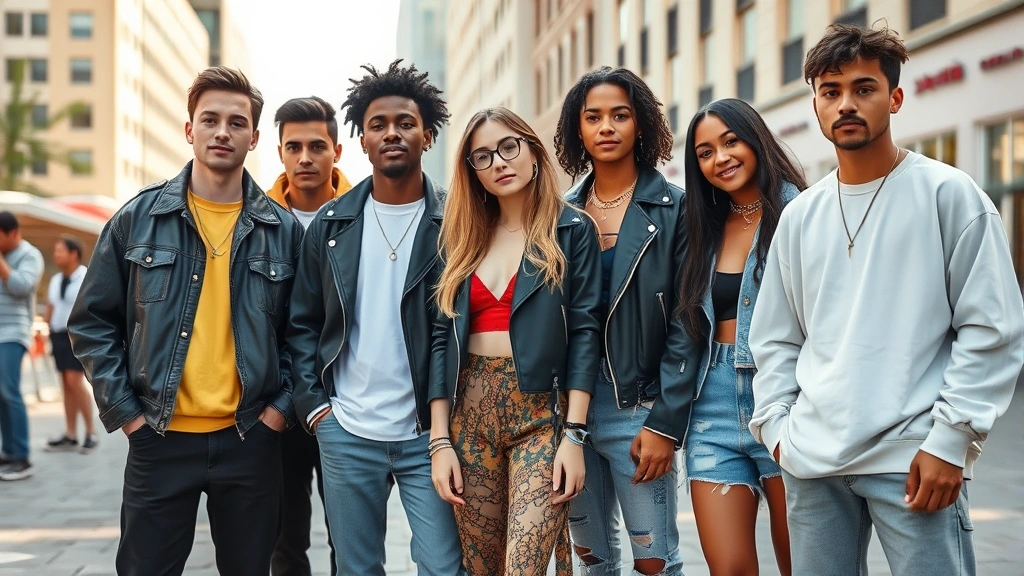
Young consumers, in particular, have grown up with this integrated music-fashion experience and don’t necessarily distinguish between these domains the way previous generations might have. For Gen Z and Gen Alpha, a song and its associated visual aesthetic are understood as a complete package. The lyrics function as part of the total creative statement, not separate from it. This integration means that fashion lyrics are no longer just cultural commentary—they’re direct drivers of economic activity in the fashion industry.
Fashion Lyrics and Social Commentary
Beyond their role in promoting specific brands or aesthetics, fashion lyrics increasingly serve as vehicles for social and political commentary. Artists use references to clothing and style to discuss issues of race, class, gender, and environmental sustainability. When a musician sings about the exploitation of garment workers, they’re using fashion as an entry point to discuss larger systemic issues. This represents a maturation of how fashion is discussed in music, moving beyond simple celebration toward critical engagement.
The concept of endless fashion lyrics takes on additional meaning when we recognize that artists are using music to sustain ongoing conversations about style ethics and social responsibility. Brands and consumers are increasingly held accountable through the medium of popular music, with artists using their platforms to challenge fast fashion and promote more sustainable approaches to clothing. This represents a powerful use of music’s cultural influence to drive real change in how fashion is produced, marketed, and consumed.
Fashion lyrics also function as a form of cultural documentation, preserving records of how specific communities expressed identity through clothing at particular historical moments. Future fashion historians will be able to understand contemporary style movements partly through the lyrics of popular songs, which serve as detailed time capsules of how people thought about and engaged with fashion during specific eras.
The Future of Music and Fashion Collaboration
The relationship between music and fashion continues to evolve in exciting directions. Virtual fashion, enabled by gaming platforms and metaverse technologies, is creating new opportunities for musicians to explore style expression in digital spaces. Artists are designing digital-only clothing items and accessories that exist purely in virtual environments, expanding what it means to discuss fashion through lyrics.
Collaboration between musicians and fashion designers has become increasingly sophisticated and mutually beneficial. Rather than simple brand partnerships, we’re seeing genuine creative collaborations where designers and musicians work together from inception to create cohesive artistic visions. These collaborations often produce new fashion items while simultaneously generating new music, creating truly integrated artistic statements that blur the boundaries between the two disciplines.
The democratization of music production and fashion design through digital tools means that the conversation about fashion lyrics will likely become even more participatory. Emerging artists will have greater ability to craft their own visual aesthetics and musical narratives without major label or brand backing, potentially creating more diverse voices in the music-fashion conversation. This could lead to a proliferation of fashion lyrics that reflect a wider range of perspectives and experiences than the currently dominant narratives.
Experts from institutions like the Fashion Institute of Technology are beginning to recognize the academic importance of analyzing fashion in music, with scholars examining how lyrics contribute to fashion history and cultural studies. This institutional recognition legitimizes the conversation and ensures that the relationship between music and fashion will continue to be taken seriously as a subject of critical analysis.
FAQ
What are some of the most iconic fashion lyrics in music history?
Some of the most iconic fashion lyrics include Jay-Z’s repeated references to luxury brands in “H to the Izzo,” Cardi B’s designer name-drops in “Bodak Yellow,” and Pharrell’s “In My Mind” which celebrates specific fashion aesthetics. Dolly Parton’s “Coat of Many Colors” uses clothing as a metaphor for family and heritage, while Madonna’s “Material Girl” made fashion aspiration a central theme of pop music.
How do musicians decide which brands to mention in their lyrics?
Musicians choose brand mentions based on several factors: personal preference, brand partnerships and sponsorships, cultural relevance within their specific community, and how the brand name sounds within the flow of the song. Some artists are selective and only mention brands they genuinely wear, while others approach it more pragmatically as a marketing opportunity.
Can fashion lyrics influence fashion trends on a large scale?
Yes, absolutely. Research has shown that popular music can significantly influence fashion choices, particularly among younger consumers. When a major artist mentions a specific brand or style in a hit song, sales of that item often increase noticeably. This effect is amplified when the song includes a music video that shows the artist wearing the referenced clothing.
Are there any downsides to fashion-focused lyrics?
Critics argue that excessive materialism in fashion lyrics can promote unhealthy consumer behavior and unrealistic expectations about wealth and status. Additionally, some worry that the commercialization of music through brand mentions compromises artistic integrity. Others point out that fashion lyrics can perpetuate narrow beauty standards and exclude listeners who can’t afford the referenced luxury items.
How has social media changed the relationship between music and fashion?
Social media has dramatically accelerated the impact of fashion lyrics by creating immediate visual documentation of artists wearing the items they reference. Platforms like Instagram and TikTok allow fans to instantly see and replicate the styles mentioned in songs, creating faster trend cycles. This has made the music-fashion connection more direct and measurable than ever before.
What role do music videos play in reinforcing fashion lyrics?
Music videos provide visual reinforcement for the fashion references in lyrics, making the style choices concrete and aspirational. When viewers see an artist wearing specific clothing while hearing lyrics that reference it, the message becomes more powerful and memorable. This combination of audio and visual elements is crucial to how fashion lyrics influence actual style choices.