Revive ’80s Hair Trends: Expert Insights on Eighties Hair Fashion
The 1980s gave us some of the most iconic and audacious hair moments in fashion history. From gravity-defying perms to neon-bright streaks and sculptural updos, eighties hair fashion represented pure self-expression and unbridled creativity. Today, designers, stylists, and fashion-forward individuals are rediscovering these bold aesthetics, blending retro inspiration with modern sensibilities to create contemporary looks that honor the decade’s fearless spirit.
Whether you’re drawn to the glamorous excess of the era or seeking to understand how ’80s hair trends continue to influence current beauty standards, this comprehensive guide explores the most transformative hairstyles of the decade. We’ll examine what made these trends iconic, how to adapt them for today’s world, and why the ’80s remain an enduring source of inspiration for hair professionals and style enthusiasts alike.
The Power Perm: Volume and Texture Redefined
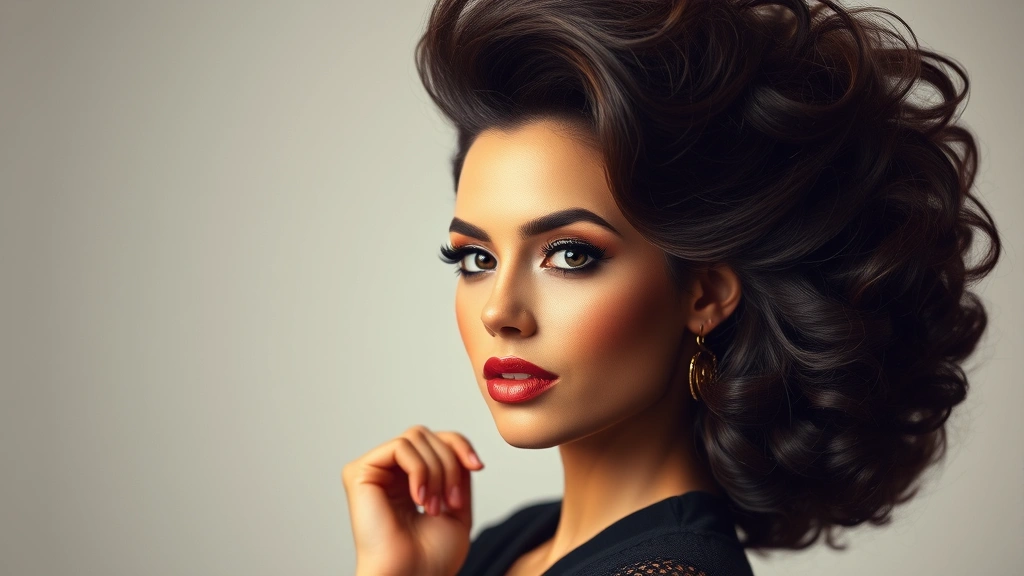
The permanent wave, or perm, became the defining hairstyle of the 1980s. This chemical treatment created voluminous, textured curls that could last for months, making it the ultimate expression of ’80s excess. The power perm wasn’t just a hairstyle—it was a statement about confidence, femininity, and the desire to defy gravity itself.
What made the ’80s perm distinct was its sheer ambition in scale. Unlike the more refined perms of previous decades, ’80s versions aimed for maximum volume and bounce. Stylists would use larger rollers or tighter curling techniques to create dramatic waves that framed the face and added inches to the overall silhouette. The texture was meant to be seen and felt, not subtle or understated.
The cultural significance of the power perm extended beyond aesthetics. It represented accessibility to glamorous styling—women could achieve red-carpet-worthy volume without daily styling effort. This democratization of beauty was revolutionary, allowing anyone with the time and resources for a perm to access a high-impact look. As noted in The Complete Fashion History Timeline, the ’80s marked a significant shift in how fashion and beauty became more individualistic and expressive.
Today’s stylists are revisiting the perm with modern techniques. Contemporary perms are more refined, using advanced formulations that create texture without the damage associated with vintage processes. The modern power perm maintains the spirit of ’80s volume but with improved hair health and longevity.
Neon Streaks and Bold Color Experimentation
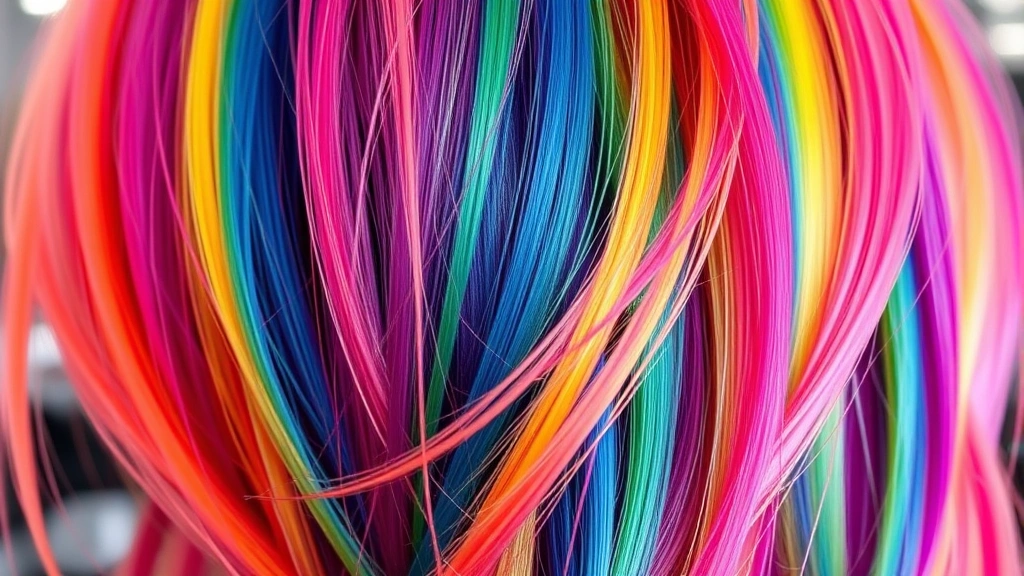
Color in the 1980s was not meant to be subtle. Neon streaks, highlighted sections, and bold single-color statements defined the era’s approach to hair pigmentation. Whether it was hot pink, electric blue, or vibrant purple, ’80s hair color pushed boundaries and challenged conventional beauty standards.
The technology of hair coloring evolved significantly during this decade. Semi-permanent dyes and temporary color sprays made experimentation more accessible and less permanent, encouraging people to take risks. Hair chalk, colored hairspray, and clip-in colored extensions allowed for daily reinvention without chemical commitment.
Streaking—the technique of adding contrasting colors to select sections of hair—became particularly popular among rock and pop musicians and their fans. These streaks could be placed strategically around the face, woven throughout the crown, or concentrated at the tips. The effect was playful, youthful, and utterly unafraid of standing out.
The psychology behind ’80s hair color choices reflected the decade’s optimism and rebellion. Bright colors represented hope, energy, and a rejection of the more muted tones of previous generations. This bold approach to self-expression through hair color established templates that continue influencing contemporary trend forecasters and fashion innovators.
Modern interpretations of ’80s color trends include balayage with jewel tones, subtle money pieces with metallic accents, and fashion colors that honor the decade’s spirit while maintaining professional acceptability. Many stylists now offer color-blocking techniques that echo ’80s streaking but with refined execution and placement.
The Mullet: Business in Front, Party in Back
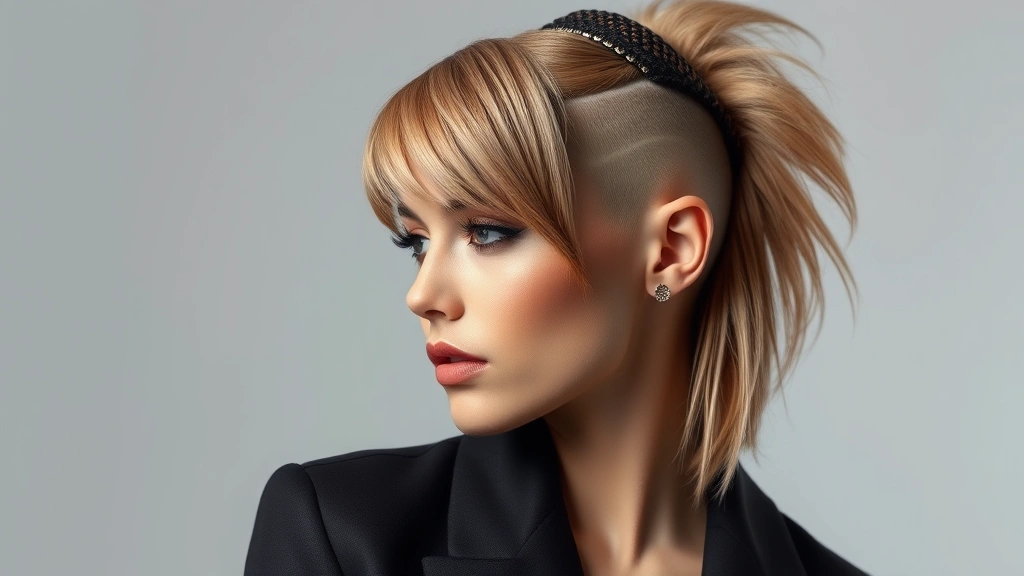
Perhaps no hairstyle better encapsulates the contradictions and confidence of the 1980s than the mullet. This controversial cut featured shorter, styled hair in front and long, flowing hair in back—a deliberate juxtaposition that somehow became iconic.
The mullet served multiple purposes in ’80s culture. For some, it represented a practical solution: professional styling for work environments combined with personal expression and length for leisure. For others, it was purely rebellious—an intentional rejection of conventional beauty standards. Rock stars, athletes, and everyday people embraced the mullet, making it a true democratic hairstyle that crossed social and economic boundaries.
The cut required specific technical skills. Stylists needed to create clean lines between the shorter front sections and longer back portions while maintaining balance and proportion. The front was typically permed, teased, or heavily styled, while the back was left long enough for dramatic length and movement.
While the mullet fell out of favor for decades, it’s experiencing a genuine revival among younger generations and fashion-forward individuals. Contemporary mullets are more refined, often featuring fade techniques and modern styling approaches. This resurgence demonstrates how finding your personal style sometimes means revisiting and reinterpreting historical references.
Fashion institutes and design schools now discuss the mullet as a case study in how fashion cycles work. What was considered outdated becomes vintage, then retro, and finally contemporary through recontextualization and refinement.
Big Hair Accessories and Statement Styling
The ’80s weren’t just about hair itself—they were about adorning and accessorizing hair in increasingly bold ways. Oversized scrunchies, decorative clips, geometric barrettes, and statement headbands transformed hairstyles into wearable art.
Hair accessories in the ’80s served multiple functions. Practical scrunchies kept voluminous hair in place while making a style statement through color and texture. Decorative clips weren’t just functional—they were fashion elements in their own right, often featuring geometric designs, metallic finishes, or jeweled embellishments.
The era saw the rise of specialized hair accessories for specific occasions. Prom hairstyles featured elaborate clips and tiaras. Everyday looks incorporated colorful scrunchies and geometric barrettes. Athletic wear included headbands that coordinated with workout outfits, creating a cohesive, intentional aesthetic.
Contemporary fashion has embraced this maximalist approach to hair accessories. Luxury designers now create statement barrettes and clips that reference ’80s design language. The principle remains the same: hair accessories should be visible, intentional design choices rather than invisible practical solutions.
When styling any outfit, incorporating a bold hair accessory can instantly evoke ’80s inspiration while maintaining modern relevance. The key is choosing pieces that balance nostalgia with contemporary proportion and quality.
Crimped and Teased Texture Techniques
Texture manipulation defined much of ’80s hair styling. Crimping and teasing created volume, movement, and visual interest that made even simple haircuts appear complex and intentional.
Crimping, achieved through specialized crimping irons with zigzag plates, created tight, uniform waves throughout the hair. This technique was often applied to select sections rather than the entire head, creating visual dimension and texture contrast. Crimped hair could be worn down for maximum volume or incorporated into updos for added sophistication.
Teasing, also called backcombing, involved brushing hair backwards to create knots and texture that supported volume and shape. This technique required skill and precision—the goal was to create support structure without obvious damage or separation. When done correctly, teasing created a polished, intentional look rather than appearing messy or unkempt.
These techniques were often combined with perming or color treatments to create multidimensional, high-impact styles. The cumulative effect was hair that demanded attention and clearly represented significant time and effort investment.
Modern stylists continue using these techniques, often in more refined applications. Textured perms can replace traditional crimping with more sophisticated results. Strategic teasing creates volume in specific areas rather than throughout. Understanding these foundational techniques helps contemporary stylists create nuanced, intentional texture that honors ’80s inspiration while meeting modern aesthetic standards.
Adapting ’80s Hair for Modern Style
The challenge for contemporary style enthusiasts is translating ’80s hair inspiration into looks that feel current rather than costume-like. This requires understanding the principles behind the trends rather than simply copying specific styles.
The core principle of ’80s hair was intentionality and visibility. Hair wasn’t meant to be subtle or blend into the background. Whether through volume, color, texture, or accessories, ’80s hair made a statement. Modern adaptations maintain this boldness while refining execution and proportion.
Contemporary volume differs from ’80s excess in technique and restraint. Modern perms create textured waves rather than uniform curls. Teasing is applied strategically rather than throughout. The overall effect is intentional movement and dimension rather than maximum size.
Color in modern ’80s-inspired looks often involves more sophisticated placement and blending. Rather than stark contrasts or evenly distributed color, contemporary approaches might feature subtle balayage with jewel tones, strategic money pieces with metallic accents, or fashion colors applied to specific sections. The boldness remains, but the execution feels refined.
Accessories continue to play important roles in modern ’80s-inspired styling. A single statement clip or bold scrunchie can reference the era without overwhelming contemporary proportions. The key is selecting pieces that feel intentional and coordinated with overall styling.
For comprehensive guidance on developing a cohesive personal aesthetic that incorporates vintage inspiration, explore how to find your personal style. This foundation helps ensure that ’80s hair references feel authentic to your overall image rather than disconnected styling choices.
Expert Tips from Contemporary Stylists
Leading hair professionals and trend forecasters offer valuable insights into successfully reviving ’80s hair trends. According to Vogue, the resurgence of ’80s aesthetics reflects broader fashion cycles where nostalgia becomes inspiration for contemporary innovation.
Professional stylists emphasize the importance of hair health when experimenting with ’80s-inspired treatments. Modern formulations for perms, colors, and texture treatments offer improved results with less damage than vintage processes. Investing in quality treatments at reputable salons ensures better outcomes and healthier hair.
Consultation with experienced stylists helps determine which ’80s trends work best for your hair type, face shape, and personal style. Not every trend suits every person, and skilled professionals can adapt principles to create flattering, personalized results.
According to fashion design experts at leading fashion design schools, understanding historical context helps create more meaningful contemporary references. Rather than randomly combining ’80s elements, cohesive styling considers the era’s aesthetic philosophy and translates it through modern sensibilities.
Trend forecasters suggest that ’80s hair revival will continue evolving. The next phase likely involves even more refinement, with contemporary techniques creating the spirit of ’80s boldness through updated execution. This represents mature nostalgia—respectful appreciation of historical inspiration combined with modern sophistication.
Maintenance is crucial when sporting ’80s-inspired hair. Regular trims keep perms looking fresh and intentional. Color treatments require consistent upkeep to maintain vibrancy. Texture techniques need refreshing as hair grows. Committing to maintenance ensures your ’80s-inspired look remains polished and intentional rather than appearing neglected.
If you’re interested in exploring fashion trends more broadly, Style Loom Daily Blog offers comprehensive insights into how historical trends influence contemporary fashion. Understanding these broader patterns helps contextualize why ’80s inspiration resonates so powerfully today.
FAQ
Are ’80s hair trends suitable for professional environments?
Modern adaptations of ’80s trends can work in professional settings when executed with refinement and restraint. Subtle texture perms, sophisticated color placement, and minimal accessories maintain the spirit of ’80s boldness while meeting professional expectations. Bold single-color dyes or extreme volume might require more creative professional contexts, but many elements translate beautifully to corporate environments.
What’s the best way to care for a perm inspired by ’80s styles?
Modern perms require consistent hydration and specialized products designed for textured or curly hair. Use sulfate-free shampoos, deep conditioning treatments weekly, and minimize heat styling. Regular trims every 6-8 weeks keep perms looking intentional as hair grows. Avoid chlorine and salt water, which can damage perm integrity.
Can I achieve ’80s hair volume without chemical treatments?
Yes, through strategic teasing, blow-drying techniques, and volumizing products, you can create significant volume without perming. Texture sprays, dry shampoo, and proper styling tools help achieve ’80s-inspired fullness. This approach offers less commitment and easier maintenance than chemical treatments while still delivering dramatic results.
How do I choose which ’80s hair trends suit my face shape?
Consultation with experienced stylists helps determine flattering options. Generally, round faces benefit from height and volume at the crown, angular faces from softness and texture, and longer faces from width and fullness. Professional stylists can assess your features and recommend specific ’80s-inspired trends that enhance your natural beauty.
What products help maintain ’80s-inspired hair between salon visits?
Volumizing mousses, texture sprays, and dry shampoo extend time between treatments. For permed hair, curl-enhancing creams and leave-in conditioners maintain definition and hydration. Hairspray provides hold for teased or styled sections. Quality products designed for your specific hair type ensure better results than generic options.
Are colored streaks still popular, or have they evolved?
Colored streaks remain popular but have evolved significantly. Contemporary versions often feature more sophisticated placement, blended transitions, and fashion colors that complement skin tones. Money pieces (face-framing highlights), balayage with jewel tones, and strategic color blocking represent modern interpretations of ’80s streaking principles.
How can I incorporate ’80s hair inspiration without looking like I’m wearing a costume?
Select specific elements rather than combining all ’80s trends simultaneously. A modern perm with contemporary styling, strategic color placement, or a bold accessory allows you to reference the era while maintaining current aesthetics. Refinement in execution and proportion ensures your look feels inspired rather than costume-like.