How to Rock 80s Fashion? Designer Insights for Modern Guys
The 1980s represent one of the most iconic and audacious decades in fashion history. Bold colors, oversized silhouettes, and unapologetic self-expression defined an era that continues to influence contemporary style. For guys looking to embrace eighties fashion, understanding the nuances of this transformative period is essential. Whether you’re drawn to the power-dressing aesthetic, the casual street style vibe, or the glam rock edge, the 80s offers a treasure trove of inspiration that feels surprisingly fresh today.
What made 80s fashion revolutionary wasn’t just the clothes themselves—it was the attitude behind them. This decade celebrated excess, individuality, and the courage to stand out. From Miami Vice pastels to New Wave sharp tailoring, from hip-hop streetwear to punk rebellion, the 80s was a melting pot where different subcultures influenced mainstream fashion in unprecedented ways. Men weren’t afraid to experiment with color, texture, and proportion, creating a playground for sartorial creativity that modern fashion enthusiasts are rediscovering with renewed passion.
In this comprehensive guide, we’ll explore how you can authentically incorporate 80s fashion elements into your wardrobe while maintaining a contemporary edge. We’ve consulted with fashion historians and style experts to bring you designer insights that bridge the gap between nostalgic authenticity and modern wearability.
Understanding the 80s Fashion Foundation
To truly rock eighties fashion for guys, you need to understand the cultural context that shaped it. The 80s was an era of economic optimism, technological advancement, and cultural diversity. MTV launched in 1981, making music videos a visual medium that heavily influenced fashion. Simultaneously, the rise of aerobics culture, the emergence of hip-hop as a mainstream force, and the continued evolution of punk all contributed to a fashion landscape that was simultaneously maximalist and experimental.
The decade can be roughly divided into early 80s (1980-1984), characterized by new wave and post-punk influences, and late 80s (1985-1989), dominated by power dressing and maximalism. Understanding these subdivisions helps you curate a look that feels intentional rather than costume-y. Fashion history timelines reveal how the 80s built upon 70s foundations while creating entirely new aesthetic categories.
Key to understanding 80s menswear is recognizing that the decade rejected the minimalism of the 70s. Instead, it embraced visibility and presence. Fabrics became shinier, cuts became broader, and accessories became bolder. However, this wasn’t about looking ridiculous—it was about commanding attention and expressing confidence through clothing choices.
Iconic Silhouettes and Cuts
The silhouette is perhaps the most recognizable element of 80s fashion. The power suit dominated professional and social settings, featuring broad shoulders (often enhanced with shoulder pads), a fitted waist, and a slightly cropped length. For casual wear, oversized t-shirts worn off one shoulder, inspired by the “Flashdance” phenomenon, became iconic. Athletic wear also became acceptable streetwear, with tracksuits, leg warmers, and sneakers worn outside the gym.
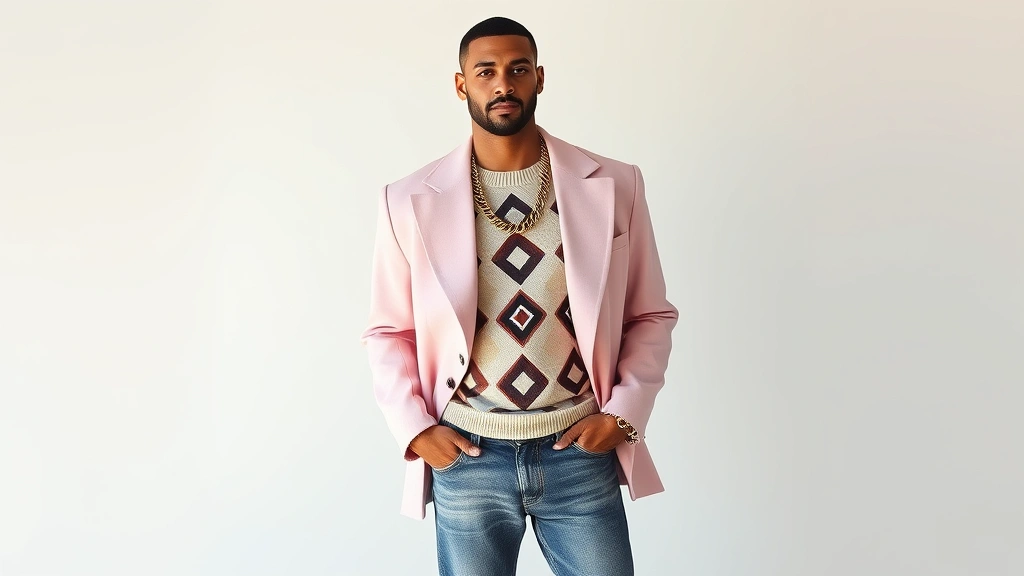
Blazers were essential to 80s style, and they came in unexpected colors and patterns. A well-fitted blazer in pastel pink, electric blue, or geometric patterns could transform an entire outfit. The key was proportion—while shoulders were broad, the rest of the silhouette remained relatively tapered, creating a distinctive triangular shape. Jeans were typically acid-washed, ripped, or pleated, departing significantly from the straight-leg styles of previous decades.
Leather jackets remained relevant but evolved from their rebellious 70s roots into more decorative iterations. Metallic leather, studded details, and bright colors made them statement pieces rather than utilitarian necessities. Oversized button-up shirts, often worn open over graphic t-shirts, became a staple of casual 80s style.
When exploring types of fashion styles, you’ll notice how 80s fashion represented a distinct category—one that valued visibility and presence above subtlety. The silhouettes were bold because the era demanded attention.
Color Palettes and Patterns That Defined the Decade
If the 70s were about earth tones, the 80s were unabashedly chromatic. Neon colors dominated, from day-glo pink to electric lime green to laser blue. These weren’t muted pastels but vibrant, almost aggressive hues that practically glowed. Simultaneously, soft pastel palettes—peach, mint, lavender, and coral—offered a gentler approach to color maximalism, popularized by shows like “Miami Vice.”
Geometric patterns were everywhere. Chevrons, triangles, and abstract shapes appeared on everything from t-shirts to sweaters to blazers. Neon geometric patterns combined color and shape into attention-grabbing statements. Color-blocking—wearing contrasting solid colors in sections—became a design technique that allowed men to experiment with color combinations that might seem chaotic but felt perfectly balanced in 80s aesthetics.
Animal prints, particularly leopard and zebra, weren’t reserved for women’s fashion. Men incorporated these patterns through accessories, jackets, and even casual wear. Paisley made a comeback, and holographic or metallic finishes added futuristic elements to clothing.
The principle behind 80s color usage was simple: more is more. This doesn’t mean everything needs to be neon, but embracing color rather than defaulting to black, navy, and gray was fundamental to the era’s aesthetic. When finding your personal style, consider how much color you’re comfortable incorporating.
Essential 80s Accessories for Men
Accessories were where 80s fashion truly came alive. This wasn’t an era of restraint—every accessory slot was an opportunity for self-expression. Fashion accessories from the 80s included items that seem outrageous now but were completely normalized then.
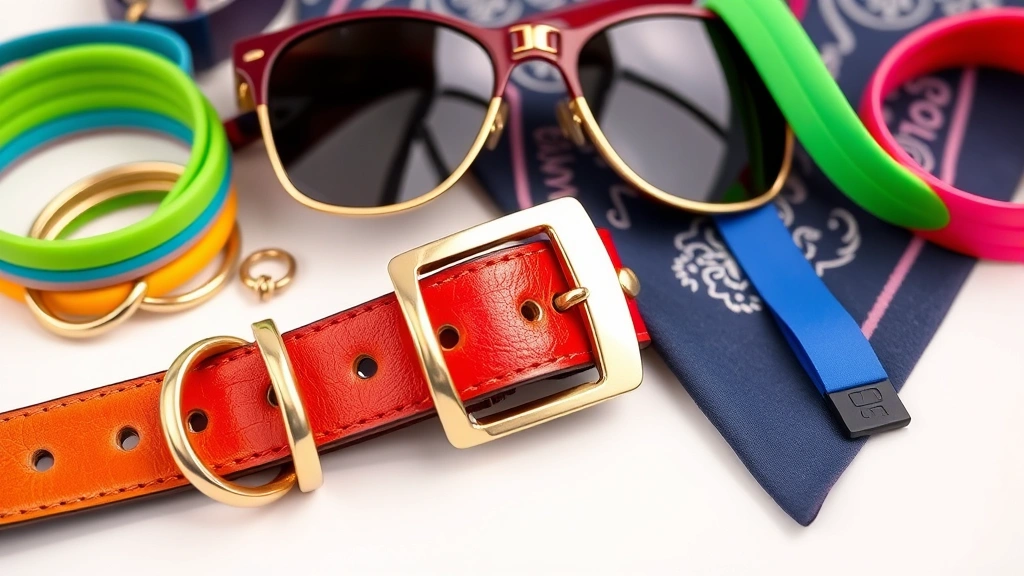
Belts were statement pieces, often featuring large metallic buckles, sometimes with names or logos embossed prominently. Leather belts in bright colors or with chain details were popular. Suspenders (or “braces” as they’re called internationally) were worn both functionally and as pure style statements, often in neon or patterned fabrics.
Jewelry became maximalist. Chunky gold chains, large rings, and multiple earrings were standard. Wrist accessories included multiple watches, friendship bracelets, and sweatbands (both functional and decorative). Headbands, whether worn across the forehead or on the wrist, were essential accessories for many 80s looks.
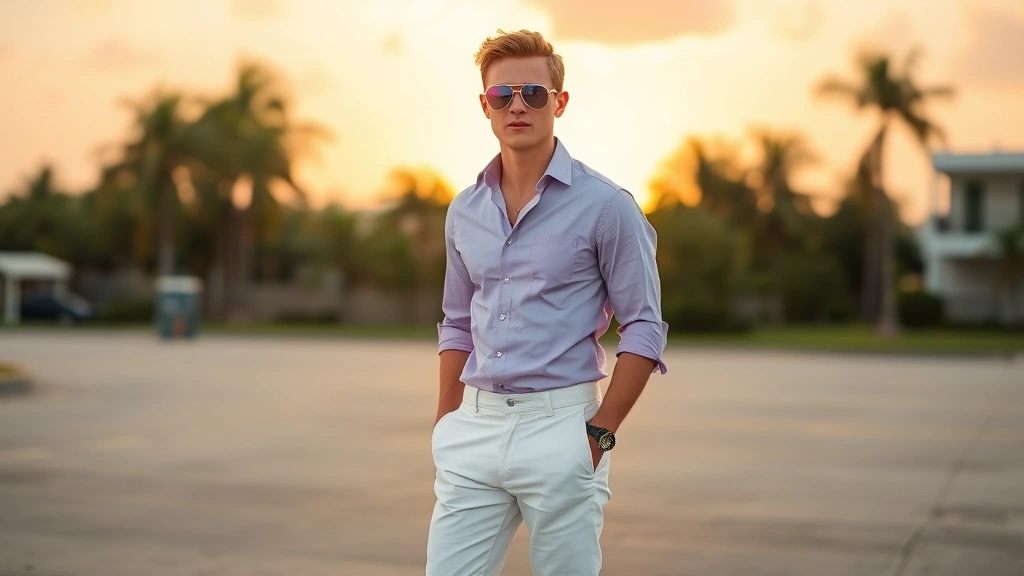
Sunglasses evolved into statement pieces. Oversized frames, mirrored lenses, and neon-rimmed options dominated. The “Miami Vice” style featured pastel-rimmed sunglasses that became iconic. Bandanas, either worn as headbands, around the neck, or tied to the wrist, added visual interest.
Hats ranged from trucker caps to baseball caps to more fashion-forward options like fedoras in unexpected colors. The key was wearing them with confidence and intention. Shoes deserved special attention—high-top sneakers in bright colors, often with the laces partially undone, represented athletic-inspired casual wear. Loafers, particularly in metallic finishes or with decorative chains, offered a more polished option.
Subcultures and Their Style Signatures
The 80s featured multiple fashion subcultures, each with distinct aesthetics. Understanding these helps you create an authentic 80s look rather than a generic costume.
New Wave and Post-Punk: Influenced by bands like Depeche Mode and Duran Duran, this style featured sharp tailoring, dark colors, and androgynous silhouettes. Skinny ties, slim-fit trousers, and geometric patterns created an intellectual, avant-garde aesthetic. This subculture rejected the maximalism of mainstream 80s fashion in favor of calculated minimalism with dramatic flair.
Hip-Hop and Street Style: Emerging from New York, hip-hop fashion brought tracksuits, oversized t-shirts, Adidas sneakers with thick laces, and gold jewelry to mainstream attention. Artists like Run-D.M.C. and Grandmaster Flash influenced how men dressed on the streets. Bucket hats, Kangol caps, and cross-color Adidas tracksuits became iconic. This style emphasized comfort, visibility, and cultural pride.
Glam Metal and Hair Metal: Bands like Mötley Crüe and Def Leppard inspired a look featuring leather, studs, dramatic makeup, and voluminous hair. Leather pants, mesh shirts, and heavily accessorized outfits created a rebellious, dangerous aesthetic. This wasn’t for the fashion-timid—it was pure rock and roll excess.
Preppy and Power Dressing: Influenced by shows like “Dynasty” and “The Colbys,” this style featured tailored blazers, polo shirts, khaki pants, and designer labels prominently displayed. Pastels, monograms, and classic luxury brands defined this aesthetic. It was aspirational and carefully curated.
Casual Athletic Wear: The aerobics boom made athletic wear acceptable outside the gym. Leg warmers, sweatbands, neon windbreakers, and high-top sneakers created a sporty casual aesthetic that was distinctly 80s. This style influenced contemporary athleisure significantly.
Building Your Modern 80s Wardrobe
Creating a contemporary 80s-inspired wardrobe requires balance. You want to capture the spirit and recognizable elements without looking like you’re wearing a costume. Start with foundational pieces: a well-fitting blazer in an unexpected color or pattern, quality denim (acid-washed or pleated if you’re feeling bold), and classic white and black t-shirts.
Add statement pieces gradually. A geometric-patterned sweater, a colorful belt with an interesting buckle, or a pair of vintage-inspired sunglasses can introduce 80s elements without overwhelming your look. Layer pieces—wearing a t-shirt under an open button-up shirt, or a sweater over a collared shirt—creates the dimensional, textured appearance that defined 80s style.
Invest in quality basics from Style Loom Daily’s fashion blog recommendations and style guides. A good pair of high-top sneakers in a neutral color can be dressed up or down. A leather jacket in a classic color provides versatility. These pieces serve as anchors that prevent your outfit from veering into costume territory.
Consider color blocking as a technique. Wear a pink shirt with blue pants, or a purple sweater with green accessories. The key is confidence—80s style was about owning your choices, not apologizing for them. Mix textures: smooth leather with ribbed knit, shiny polyester with matte cotton. This textural variety was crucial to authentic 80s aesthetics.
Don’t neglect the details. Rolled-up sleeves, partially untucked shirts, and intentionally styled hair all contributed to 80s looks. The silhouette matters, but so do the small choices that demonstrate you’re engaging thoughtfully with the aesthetic.
Common Mistakes to Avoid
When incorporating 80s fashion, certain pitfalls can make your look feel inauthentic or uncomfortable. First, avoid treating 80s style as a costume. You’re not dressing up for Halloween; you’re integrating elements into your personal aesthetic. This means being selective about which pieces and styles you adopt.
Don’t go all-in immediately. Mixing one or two 80s elements with contemporary pieces creates a modern interpretation. Wearing head-to-toe 80s fashion daily can feel performative rather than stylish. The most successful contemporary 80s looks blend nostalgia with current sensibilities.
Avoid cheap quality pieces. 80s fashion was often about luxury and visible branding, but that doesn’t mean low-quality items. Invest in well-made blazers, quality denim, and substantial accessories. Poor construction undermines the confidence that makes 80s style work.
Be cautious with patterns. While 80s fashion loved geometric prints, combining too many competing patterns creates visual chaos rather than intentional style. Pair a patterned blazer with solid pants, or geometric socks with a solid outfit.
Don’t ignore fit. While 80s silhouettes featured broader shoulders and sometimes oversized elements, everything should fit well. Oversized doesn’t mean sloppy. A well-tailored blazer with broad shoulders looks intentional; an ill-fitting one looks like a mistake.
Avoid excessive neon. While neon is iconic, it works best as an accent rather than the entire outfit. A neon belt or shirt can energize a look; neon everything becomes overwhelming.
Finally, don’t neglect grooming and overall presentation. 80s fashion was about presence and confidence. Your hair, skin care, and overall grooming should reflect the same attention you’re giving your clothing choices. According to Vogue’s contemporary style guides, modern 80s fashion succeeds when paired with polished grooming.
FAQ
What are the most essential 80s fashion pieces for guys?
The foundational pieces include a well-fitted blazer (preferably in an unexpected color), quality denim (acid-washed or pleated), graphic t-shirts, a leather jacket, and high-top sneakers. Add a statement belt and oversized sunglasses, and you’ve covered the basics. From there, you can expand with subculture-specific pieces based on which 80s aesthetic resonates with you.
Can I wear 80s fashion to work?
Absolutely. The power dressing element of 80s fashion was specifically designed for professional settings. A well-tailored blazer with shoulder structure, paired with quality pants and a crisp shirt, creates a powerful professional look with 80s flair. Avoid overly casual elements like graphic t-shirts or heavily ripped jeans in formal settings, but blazers, structured shirts, and quality accessories are entirely workplace-appropriate.
How do I avoid looking like I’m wearing a costume?
The key is integration and balance. Mix 80s pieces with contemporary items. Don’t commit to a head-to-toe 80s look daily. Choose specific elements—maybe it’s the blazer silhouette, the color palette, or the accessories—and build around them with modern basics. Quality matters too; well-made pieces look intentional while cheap items look costume-y.
Are neon colors necessary for 80s fashion?
Not at all. While neon is iconic, the 80s also embraced pastels, jewel tones, and earth tones. You can create an authentic 80s look using a softer color palette. The principle of color boldness matters more than specific neon shades. Wearing pink, purple, or turquoise shows the same spirit as neon.
What hairstyles work with 80s fashion?
Volume was key. Whether you’re working with curly, straight, or wavy hair, 80s style celebrated height and texture. Consider perms, highlights, or styling products that add volume. However, modern grooming standards mean you don’t need to recreate exact 80s hair. A contemporary cut with some volume and texture complements 80s clothing effectively.
How can I update 80s fashion for contemporary style?
Focus on silhouette and color rather than literal recreation. Modern tailoring combined with 80s proportions creates updated looks. Pair a broad-shouldered blazer with slim-fit pants. Wear geometric patterns in contemporary color combinations. Incorporate 80s accessories with modern basics. The goal is capturing the spirit—confidence, color, and presence—rather than copying specific outfits.
Where can I find quality 80s-inspired pieces?
Vintage stores and online platforms specializing in 80s fashion are excellent sources. However, contemporary designers also create 80s-inspired pieces. Check The Fashion Spot for designer collaborations featuring 80s aesthetics. High street brands frequently reissue 80s-influenced pieces. Thrift stores offer authentic vintage options at affordable prices, though quality varies.