Edwardian Fashion Today: Historian Insights
The Edwardian era, spanning from 1901 to 1910, represents one of fashion history’s most transformative and visually captivating periods. Often called the “Belle Époque” in fashion circles, this decade witnessed an unprecedented fusion of elegance, structure, and artistic expression that continues to inspire contemporary designers and style enthusiasts worldwide. Today, more than a century later, the silhouettes, embellishments, and aesthetic principles of Edwardian fashion remain profoundly relevant, offering both practical styling inspiration and deeper insights into how historical fashion shapes modern trends.
What makes Edwardian fashion particularly fascinating is its paradoxical nature—simultaneously restrictive yet revolutionary, ornate yet refined, and deeply gendered yet increasingly progressive. As fashion historians examine this period through contemporary lenses, we discover that Edwardian principles aren’t merely nostalgic references but living elements woven into today’s luxury fashion landscape, red carpet moments, and avant-garde collections. Understanding this historical era provides invaluable context for anyone seeking to find their personal style or appreciate the deeper narratives behind modern fashion movements.
This comprehensive exploration draws insights from fashion historians, archivists, and contemporary designers who are actively reinterpreting Edwardian aesthetics for today’s audiences. We’ll examine what made this era distinctive, which elements remain timeless, and how you can authentically incorporate Edwardian-inspired pieces into your modern wardrobe.
Defining the Edwardian Silhouette
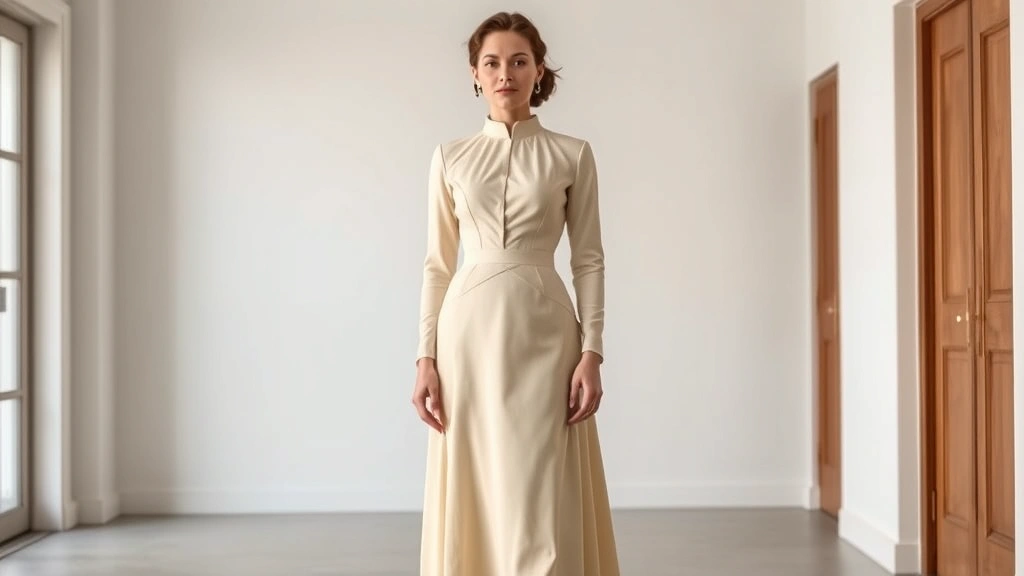
The Edwardian silhouette stands as one of fashion’s most recognizable and distinctive profiles. Characterized by the famous “S-bend” corset, this silhouette created an exaggerated hourglass figure with a pronounced pigeon chest and a dramatically curved lower back. Unlike the Victorian era’s fuller skirts, Edwardian fashion featured a more streamlined approach to the lower body, with skirts growing narrower and more fitted, particularly around the ankles. The overall effect was one of elongation and elegance, achieved through sophisticated construction techniques and an intimate understanding of how fabric behaves against the body.
Fashion historians note that the Edwardian silhouette represented a significant departure from Victorian aesthetics, even though many assume the periods were stylistically similar. Vogue frequently references Edwardian proportions when discussing contemporary haute couture, particularly how modern designers manipulate fabric and structure to create similar elongated effects without the restrictive corsetry. The genius of Edwardian fashion lay in its ability to appear effortless while requiring meticulous construction and tailoring—a principle that remains central to luxury fashion today.
The S-bend corset itself deserves special attention. Rather than simply cinching the waist, it fundamentally altered posture and movement. Wearers had to adopt a specific stance—shoulders thrown back, chest forward—that influenced everything from how women walked to how they gestured. This physical transformation wasn’t merely aesthetic; it carried profound social implications about femininity, propriety, and women’s perceived role in society. Understanding this context helps contemporary fashion enthusiasts appreciate why Edwardian-inspired pieces, even when modernized, carry such distinctive visual weight and presence.
Historical Context and Social Change
The Edwardian era coincided with significant social upheaval, particularly regarding women’s rights and social mobility. While fashion often reflects conservative values, Edwardian dress paradoxically represented both rigid adherence to strict social codes and subtle rebelliousness. The Gibson Girl—an idealized image of American femininity created by illustrator Charles Dana Gibson—became the era’s most influential cultural icon, and her fashion sense shaped what millions of women aspired to wear.
This period witnessed the rise of the “New Woman,” a figure who challenged traditional gender roles by pursuing education, employment, and greater independence. Fashion evolved to accommodate these changing lifestyles. Tailored jackets, simplified day dresses, and practical footwear began appearing alongside the ornate evening wear for which the era is famous. This duality—the coexistence of ultra-feminine evening gowns and increasingly practical daywear—reflects the era’s complex social negotiations around women’s roles and identities.
Understanding this historical complexity enriches our appreciation of Edwardian fashion beyond mere aesthetics. As you explore the complete fashion history timeline, you’ll notice how each era’s clothing choices reflect deeper cultural values, technological innovations, and social movements. The Edwardian period exemplifies this principle perfectly, offering lessons about how fashion both constrains and empowers, follows and leads social change.
Key Elements of Edwardian Fashion
Corsetry and Structure: The corset was the foundation of Edwardian fashion, creating the distinctive S-bend silhouette. Made from boned construction with multiple layers, these garments were engineering marvels. Modern fashion designers studying historical techniques often reference Edwardian corsetry when discussing structural innovation. Contemporary corsets and structured undergarments frequently employ similar principles, even when designed for comfort rather than extreme body modification.
Fabrics and Textures: Edwardian fashion favored luxurious materials including silk, satin, velvet, lace, and fine wool. Layering was essential—women wore multiple petticoats, chemises, and underpinnings beneath outer garments. The resulting silhouette’s volume and movement came from these layers rather than the outer garment’s cut. Today’s designers reference this understanding when creating garments with depth and dimension, using contemporary fabrics to achieve similar effects without the weight and discomfort of historical construction.
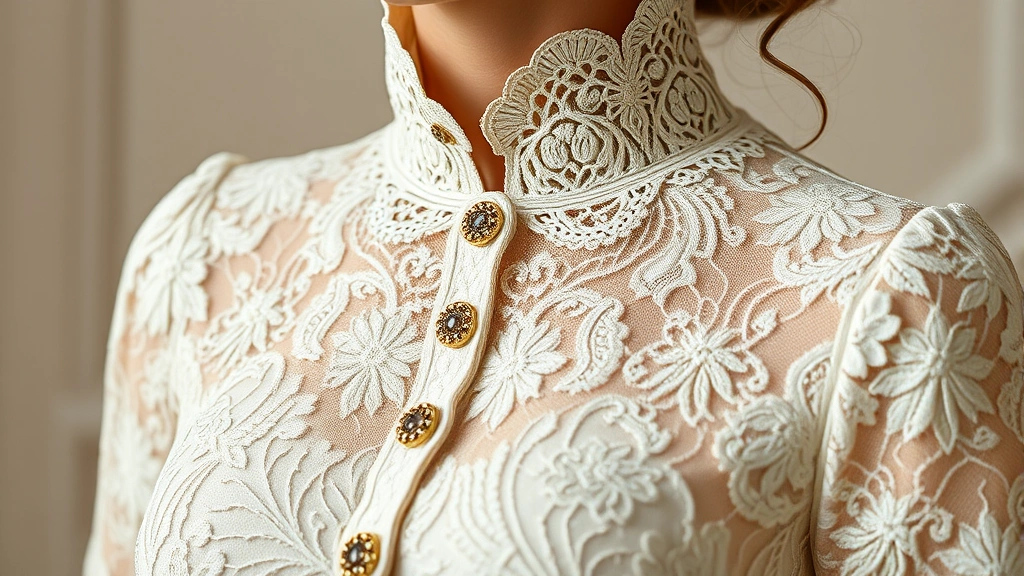
Embellishment and Ornamentation: Edwardian fashion embraced elaborate decoration. Lace appliqués, beading, embroidery, ribbons, and ruffles adorned even relatively simple day dresses. Evening wear featured even more extravagant ornamentation, with jeweled beadwork, elaborate lace insets, and dramatic train constructions. This maximalist approach to embellishment reflects the era’s optimism and economic prosperity, particularly among the wealthy classes who could afford such labor-intensive garments.
Necklines and Sleeves: High necklines were standard for daywear, often featuring lace yokes or elaborate collar treatments. Evening gowns featured more daring decolletage, though still modest by modern standards. Sleeves were typically long for daywear, while evening wear featured short, puffed, or entirely sleeveless designs. The contrast between covered and revealed areas created visual interest and emphasized the era’s strict codes about appropriate dress for different occasions.
Skirt Silhouettes: Skirts gradually narrowed throughout the decade, moving from the fuller shapes of the early 1900s toward the hobble skirts that would characterize the 1910s. Skirts featured complex construction with multiple panels, godets, and pleating that created movement while maintaining the overall slender profile. Hems remained long, typically reaching the ankles, with underskirts and trains adding drama to evening wear.
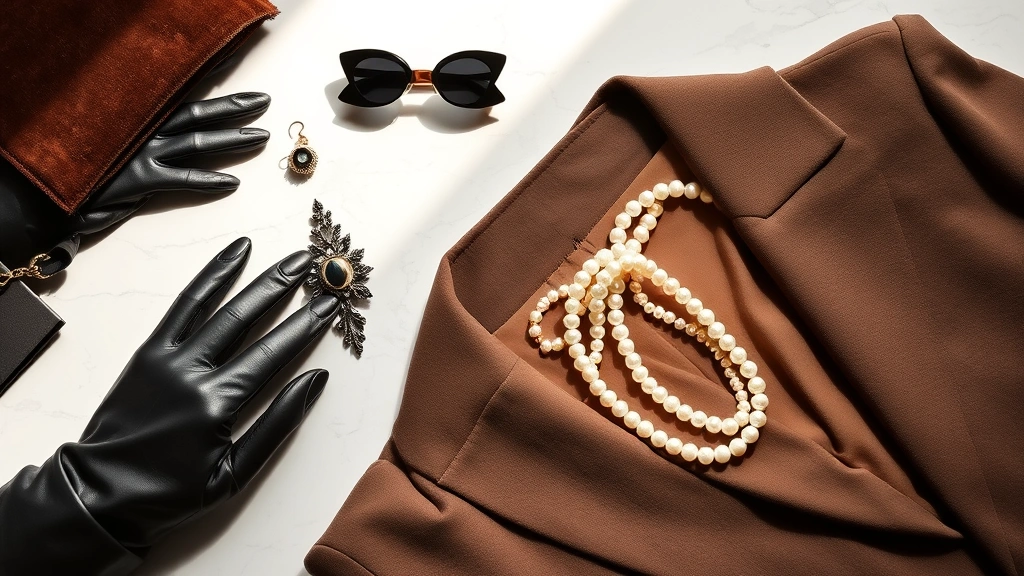
Accessories and Adornment: Fashion accessories were integral to the Edwardian look. Large hats adorned with feathers, flowers, and ribbons were essential for any respectable woman’s wardrobe. Gloves, often extending past the elbow, completed the silhouette. Jewelry was worn in abundance, with brooches, necklaces, bracelets, and rings layered generously. Parasols, fans, and elaborate handbags provided both functional and decorative elements.
Modern Revival and Contemporary Interpretations
The resurgence of Edwardian-inspired fashion in contemporary design represents more than mere nostalgia. Fashion historians and contemporary designers recognize that the era’s principles of structure, proportion, and ornamentation address ongoing design challenges and aesthetic desires. Luxury brands frequently reference Edwardian silhouettes, particularly when exploring themes of femininity, romance, and historical storytelling.
Contemporary fashion’s relationship with Edwardian aesthetics manifests in several ways. Some designers create historically accurate reproductions for theatrical productions, historical reenactments, and museum exhibitions. Others reinterpret Edwardian principles through modern fabrics, construction techniques, and silhouettes, creating pieces that feel historically inspired rather than purely historical. Still others deconstruct and reimagine Edwardian elements, using corsetry, structured tailoring, and ornamental details in unexpected, avant-garde ways.
The fashion industry’s increasing interest in sustainable and artisanal production has sparked renewed appreciation for Edwardian construction techniques. The meticulous hand-sewing, boning, and embellishment that characterize historical garments represent the opposite of fast fashion’s disposability. As conscious consumers seek quality, longevity, and craftsmanship, Edwardian fashion offers both technical inspiration and philosophical alignment with values of sustainability and skill preservation.
Fashion historian and author The Metropolitan Museum of Art frequently features Edwardian garments in exhibitions exploring historical fashion’s relationship to contemporary design. These exhibitions demonstrate how historical pieces continue to inspire and inform modern aesthetics, providing both technical references and conceptual frameworks for contemporary creators.
How to Style Edwardian Pieces Today
Incorporating Edwardian-inspired fashion into a modern wardrobe requires thoughtful curation and intentional styling choices. The key is balancing historical references with contemporary sensibilities, creating looks that feel personally authentic rather than costume-like.
Structured Garments: Begin by incorporating pieces with structured silhouettes and architectural tailoring. A well-fitted blazer with nipped-in waist and defined shoulders echoes Edwardian proportions without requiring historical undergarments. Pair structured pieces with modern basics like slim jeans or contemporary skirts to create visual interest through contrast.
Lace and Embellishment: Lace remains one of fashion’s most versatile elements, and its prominence in Edwardian fashion makes it an ideal starting point for historical inspiration. A delicate lace blouse worn under a contemporary dress, or a lace-trimmed slip dress layered under structured jackets, brings Edwardian romanticism into modern contexts. The key is restraint—use lace strategically rather than covering entire outfits.
High Necklines and Sleeve Details: Modern fashion has increasingly embraced high necklines and dramatic sleeves, making these Edwardian staples feel contemporary rather than dated. A turtleneck with puffed sleeves or a high-necked blouse with lace detailing captures Edwardian sensibilities while feeling current and intentional.
Layering Techniques: Rather than replicating historical layering with petticoats and underpinnings, achieve similar visual effects through contemporary layering. Slip dresses over long-sleeved shirts, sheer overlays, and strategic use of different fabrics create depth and movement reminiscent of Edwardian construction without requiring uncomfortable historical garments.
Accessories as Statement: Channel Edwardian maximalism through accessories. Oversized vintage brooches, long gloves, dramatic jewelry, and statement shoes allow you to incorporate historical inspiration without committing to full Edwardian silhouettes. A modern outfit elevated with Edwardian-inspired accessories feels fashion-forward rather than costume-like.
Color and Fabric Choices: Edwardian fashion favored rich jewel tones, soft pastels, and whites and creams for daywear. Incorporate these color palettes into modern outfits through individual pieces rather than full ensembles. A cream silk blouse, a deep emerald dress, or soft lavender accessories bring Edwardian aesthetics into contemporary contexts.
Contemporary Designers Embracing Edwardian Aesthetics
Several contemporary fashion designers actively engage with Edwardian fashion, either through direct reinterpretation or conceptual inspiration. Understanding how established designers approach historical references can guide your own styling choices and fashion appreciation.
Alexander McQueen: The late designer was famous for weaving historical references throughout his collections. His use of structured tailoring, dramatic silhouettes, and theatrical presentation frequently invoked Edwardian aesthetics, particularly in his exploration of corsetry and body manipulation as artistic statement rather than mere constraint.
Vivienne Westwood: Known for deconstructing historical fashion, Westwood frequently referenced Edwardian corsetry and tailoring in her punk and post-punk collections. Her approach demonstrates how historical garments can be radically reimagined to challenge rather than reinforce conventional aesthetics.
Dolce & Gabbana: This Italian luxury house frequently incorporates romantic, ornamental details reminiscent of Edwardian fashion. Their use of lace, embroidery, and structured silhouettes often evokes the era’s aesthetic, particularly in their women’s collections.
To explore more about different fashion approaches and styles, visit our guide to types of fashion styles, which contextualizes Edwardian references within broader fashion movements and contemporary style categories.
Building Your Edwardian-Inspired Wardrobe
Creating a cohesive Edwardian-inspired wardrobe doesn’t require purchasing historical reproductions or abandoning modern sensibilities. Instead, thoughtfully select contemporary pieces that incorporate Edwardian design principles while remaining practical for modern life.
Foundation Pieces: Start with structured basics—fitted blazers, high-waisted trousers, and tailored dresses with nipped waists. These pieces serve as your wardrobe’s foundation, incorporating Edwardian silhouette principles into everyday wear.
Statement Tops: Invest in quality blouses featuring high necklines, interesting sleeve details, or lace embellishments. A white lace blouse or a black silk blouse with dramatic puffed sleeves can be styled countless ways while maintaining Edwardian-inspired aesthetics.
Layering Pieces: Structured jackets, fitted cardigans, and sheer overlays allow you to achieve Edwardian-style layering without historical undergarments. These pieces add visual depth and sophistication to modern outfits.
Skirts and Dresses: Look for pieces with interesting construction—A-line silhouettes, multiple panels, or subtle pleating—that echo Edwardian skirt construction. Midi and maxi lengths, increasingly popular in contemporary fashion, naturally align with Edwardian proportions.
Footwear: Edwardian women wore high heels, often with decorative details. Contemporary versions of these styles—Mary Janes, T-strap heels, and delicate pumps—bridge historical and modern aesthetics while remaining practical.
For guidance on developing a cohesive personal aesthetic, consult our comprehensive resource on how to find your personal style, which helps you integrate historical inspiration into your unique fashion voice.
FAQ
What exactly defines Edwardian fashion?
Edwardian fashion (1901-1910) is characterized by the S-bend corset silhouette, high necklines, long sleeves, narrow skirts, elaborate embellishment, and an overall aesthetic of elegance and refinement. The era bridges Victorian and 1920s fashion, representing a distinct period with recognizable design elements.
Can I wear Edwardian-inspired fashion to modern events?
Absolutely. Contemporary interpretations of Edwardian fashion work beautifully for modern occasions. A structured dress with lace details, a high-necked blouse, or tailored pieces with Edwardian-inspired silhouettes are entirely appropriate for contemporary settings when styled thoughtfully. The key is avoiding costume-like presentations by mixing historical inspiration with modern pieces.
Where can I find Edwardian-inspired clothing today?
Many contemporary designers incorporate Edwardian elements into their collections. Luxury brands, vintage shops, and specialty retailers often carry pieces with historical inspiration. Online platforms dedicated to historical fashion reproduction also offer authentic Edwardian garments for those seeking accurate historical dress.
Is wearing a corset necessary to achieve an Edwardian look?
No. While historical Edwardian fashion absolutely required corsetry, modern interpretations achieve similar silhouettes through tailoring, structured fabrics, and strategic design without requiring uncomfortable undergarments. Contemporary corsets designed for comfort and fashion rather than extreme body modification offer an alternative for those interested in the full historical experience.
How do historians recommend approaching Edwardian fashion today?
Fashion historians generally encourage understanding historical context while making intentional choices about what to adopt and adapt. Rather than wholesale recreation, contemporary engagement with Edwardian fashion works best when it’s informed by historical knowledge but expressed through modern sensibilities. This approach honors the era’s innovations while remaining authentic to contemporary life.
What’s the difference between Edwardian and Victorian fashion?
While often confused, Victorian (1837-1901) and Edwardian (1901-1910) fashion are distinct. Victorian fashion featured fuller skirts, different corset shapes, and more varied silhouettes across the long era. Edwardian fashion developed from late Victorian styles but became more streamlined, with narrower skirts and the distinctive S-bend corset. The transition between eras happened gradually rather than abruptly.
Are there modern fashion blogs or resources about Edwardian style?
Yes. Explore Style Loom Daily Blog for ongoing fashion discussions and historical context. Additionally, The Fashion Historian provides detailed explorations of historical fashion periods and their contemporary relevance.
How can I learn more about fashion history generally?
Our complete fashion history timeline traces fashion from ancient civilizations through modern trends, providing context for understanding how historical periods like the Edwardian era fit into broader fashion evolution. This comprehensive resource helps you appreciate not just what Edwardian fashion was, but why it mattered and how it influenced subsequent fashion movements.