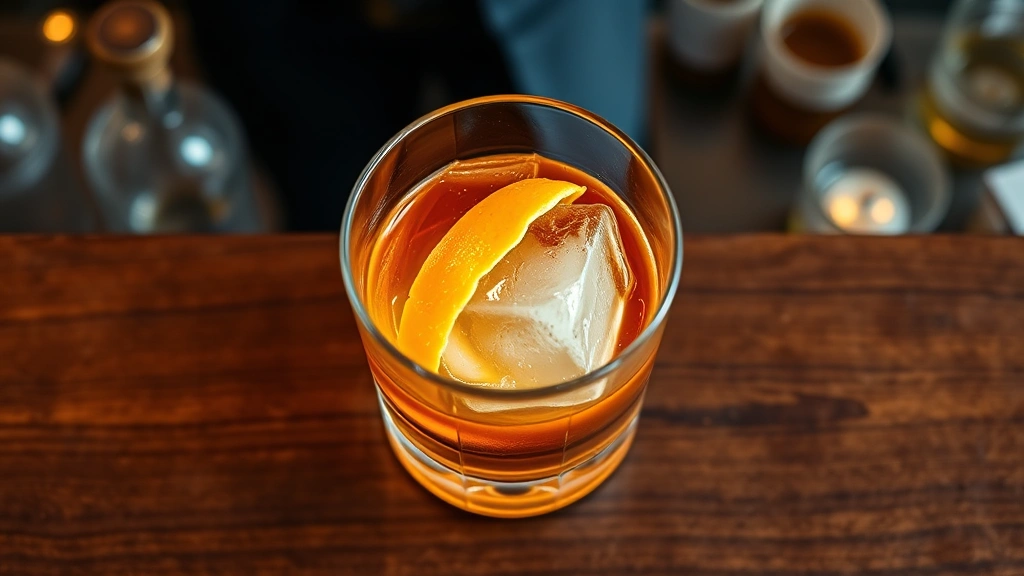
Old Fashioned Bourbon: The Timeless Cocktail That Defined Elegance
The Old Fashioned isn’t merely a drink—it’s a cultural artifact that embodies sophistication, tradition, and refined taste. Whether you’re channeling the debonair aesthetics of 1920s men’s fashion or cultivating your own signature style, mastering the art of crafting an Old Fashioned bourbon cocktail is essential to understanding timeless elegance. This iconic libation has graced the hands of style icons, literary legends, and fashion-forward individuals who recognized that true sophistication extends beyond what you wear—it encompasses how you live, entertain, and present yourself to the world.
The Old Fashioned represents more than just bourbon, sugar, bitters, and ice. It symbolizes a commitment to quality, patience, and the appreciation of life’s finer details. In an era of Instagram-worthy concoctions and experimental mixology, this classic drink stands as a testament to the enduring power of simplicity and authenticity. Understanding how to properly craft an Old Fashioned connects you to a lineage of style arbiters and tastemakers who understood that true luxury lies in restraint and refinement.
The History of Elegance: Old Fashioned Through the Decades
The Old Fashioned emerged in the 1880s at the Pendennis Club in Louisville, Kentucky, created for a prominent bourbon distiller named Colonel James E. Pepper. This drink became synonymous with American sophistication during a period when fashion history was being written by dapper gentlemen in tailored suits and polished shoes. The cocktail’s popularity soared during the Prohibition era, when underground speakeasies served as cultural hubs where style, music, and libations converged in clandestine elegance.
What makes the Old Fashioned particularly relevant to contemporary style enthusiasts is its unwavering commitment to tradition in an ever-changing landscape. Much like timeless fashion pieces that transcend seasonal trends, the Old Fashioned has remained virtually unchanged for over a century. This constancy appeals to those who appreciate finding your personal style through classics rather than fleeting fads. The drink became especially iconic during the mid-20th century, appearing in films, literature, and the hands of cultural icons who understood that true style is about mastering fundamentals rather than chasing novelty.
During the 1960s and beyond, the Old Fashioned became the drink of choice for sophisticated professionals, creative minds, and style leaders who recognized its power as a status symbol. It wasn’t flashy or complicated—it simply exuded confidence and discernment. This philosophy mirrors the approach to personal style that emphasizes quality basics, proper fit, and timeless pieces over trend-driven excess. The Old Fashioned drinker was someone who understood that true luxury whispers rather than shouts.
Essential Ingredients for the Perfect Pour
Crafting an exceptional Old Fashioned begins with understanding the sacred hierarchy of its components. Unlike many modern cocktails that rely on multiple ingredients for complexity, the Old Fashioned achieves sophistication through the careful balance of just four essential elements. This minimalist approach parallels the fashion philosophy of investing in quality basics—when each component is exceptional, the whole becomes greater than the sum of its parts.
Premium Bourbon Whiskey: The foundation of your Old Fashioned demands a high-quality bourbon, preferably aged between 6-12 years. Select bourbons with character and depth, such as those from established distilleries with strong heritage credentials. The whiskey should feature notes of vanilla, oak, and subtle spice—ingredients that complement rather than overpower the other components. Think of bourbon selection like choosing a foundational wardrobe piece; you want something with substance that will serve as the base for everything else.
Angostura Bitters: These aromatic bitters provide the Old Fashioned with its distinctive flavor profile and visual appeal. The deep mahogany color that bitters impart to your drink creates an aesthetic that immediately signals sophistication. A few dashes—typically 2-3—are sufficient to elevate the entire composition without overwhelming the palate. Quality matters immensely here; authentic Angostura bitters have been the gold standard since 1824, representing consistency and reliability that style-conscious individuals appreciate.
Sugar and Water: A small sugar cube or a teaspoon of sugar, combined with a splash of water or club soda, creates the foundation that allows all flavors to meld harmoniously. Some mixologists prefer simple syrup for smoother integration, while purists insist on the ritual of muddling a sugar cube. This component represents the patience and intentionality that defines both cocktail craftsmanship and personal style development—you cannot rush the process of creating something truly refined.
Ice and Citrus Garnish: Large, single ice cubes or carefully crafted spheres keep your drink cold without excessive dilution, maintaining the bourbon’s integrity throughout the drinking experience. A citrus twist—typically orange or lemon—provides aromatic complexity and visual elegance. The garnish isn’t merely decorative; it’s an essential component that demonstrates attention to detail, much like how accessorizing completes a well-considered outfit.
Mixologist Technique: The Art of Preparation
The process of crafting an Old Fashioned is a meditation on intentionality, precision, and respect for tradition. Each step matters, and the sequence cannot be rushed without compromising the final result. This methodical approach to cocktail preparation resonates with individuals who understand that true style emerges from disciplined attention to detail.
Step One: The Glass Selection
Begin with a rocks glass—a sturdy, weighted vessel typically holding 6-8 ounces. The glass should feel substantial in your hand, communicating quality and permanence. Chill the glass by filling it with ice several minutes before preparation. This seemingly minor detail prevents temperature fluctuation that could alter your drink’s flavor profile. In fashion terms, this is equivalent to properly steaming a garment before wearing it—invisible to others but essential to achieving perfection.
Step Two: Sugar and Bitters Preparation
Place a sugar cube in your chilled glass. Add 2-3 dashes of Angostura bitters and a small splash of water or club soda. Using a bar spoon or cocktail muddler, gently press the sugar cube against the glass walls, allowing it to dissolve gradually while distributing the bitters throughout. This isn’t an aggressive action—excessive muddling damages the sugar and releases unwanted oils. The goal is a gentle integration, similar to how you’d approach styling a delicate fabric without creating wrinkles or damage.
Step Three: Spirit Introduction
Pour approximately 2 ounces of premium bourbon into your prepared glass. The liquid should combine with the dissolved sugar and bitters, creating a cohesive mixture. Stir gently but thoroughly with a bar spoon, allowing approximately 30 seconds of continuous stirring. This action achieves two objectives: proper dilution from the melting ice and thorough integration of all components. The stirring motion is meditative, intentional—never hurried or aggressive.
Step Four: Ice Mastery
Add a large, single ice cube or several carefully selected ice spheres to your glass. These substantial ice pieces melt slowly, maintaining your drink’s temperature without excessive dilution. The visual presentation of a large ice cube communicates sophistication and care—it signals that this drink was crafted with intention rather than assembled quickly. Quality ice production requires specific equipment and methodology, demonstrating how even seemingly minor details contribute to overall excellence.
Step Five: The Garnish Finale
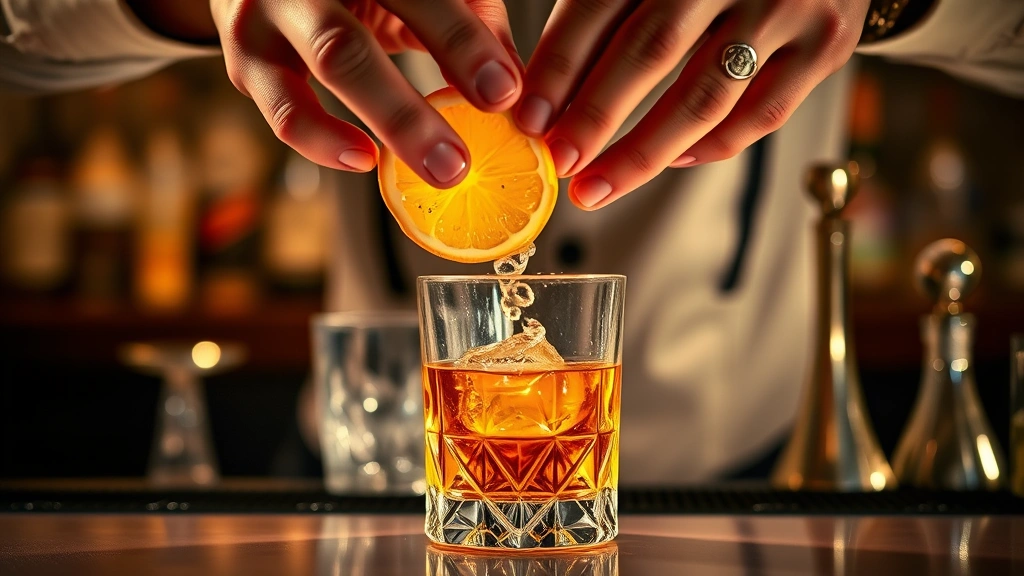
Express the oils from a fresh citrus twist over the drink’s surface, creating an aromatic crown that enhances the entire experience. The citrus oils catch light beautifully, adding visual complexity. Drop the twist into the glass as the final flourish. Some traditionalists prefer a cherry as well, though purists argue the citrus twist alone provides sufficient visual and aromatic appeal. This decision reflects personal preference—much like how different fashion movements interpret classics differently while maintaining core principles.
Style and Sophistication: Pairing Your Cocktail with Fashion
The Old Fashioned cocktail exists within a larger ecosystem of refined living that includes personal presentation, environmental aesthetics, and social context. Understanding how to integrate bourbon cocktail culture into your lifestyle enhances your overall style narrative. The individuals most associated with Old Fashioned consumption—from literary figures to film icons—understood that sophistication permeates every aspect of existence.
When enjoying an Old Fashioned, consider your sartorial presentation with equivalent intentionality. The drink demands a certain gravitas that pairs beautifully with tailored clothing, quality fabrics, and refined accessories. A well-fitted blazer, crisp dress shirt, and leather dress shoes create a visual harmony that complements the drink’s sophisticated aesthetic. The Old Fashioned isn’t a cocktail for casual settings or underdressed occasions—it demands and deserves environments and presentations that honor its heritage.
The color palette associated with Old Fashioned culture—deep browns, rich ambers, polished leather tones, and burnished gold—suggests a wardrobe approach emphasizing warm, earthy tones and classic textures. This aesthetic aligns with timeless fashion principles that transcend seasonal trends. When you commit to Old Fashioned consumption, you’re implicitly endorsing a lifestyle philosophy that values quality over quantity, tradition over novelty, and authenticity over performance.
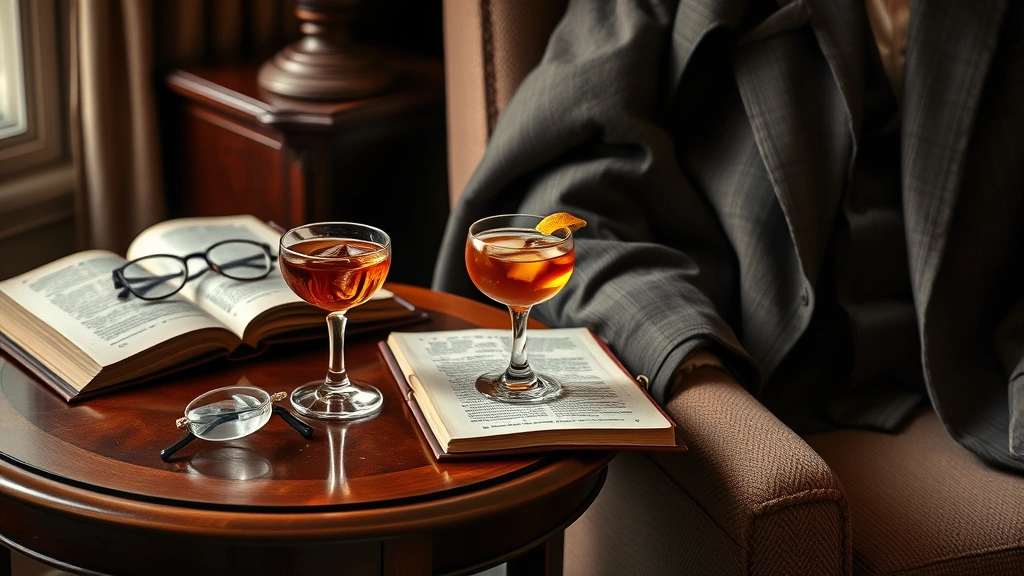
Consider the settings where Old Fashioned cocktails are traditionally enjoyed: upscale lounges, private clubs, oak-paneled libraries, and sophisticated dinner parties. These environments communicate through their design language a commitment to refined aesthetics. Your personal style should echo this sensibility—whether through your home environment, professional presentation, or social choices. The Old Fashioned drinker is someone who understands that every choice communicates something about their values and priorities.
The Art of Entertaining with Bourbon Cocktails
Mastering Old Fashioned preparation elevates your entertaining capabilities and demonstrates genuine hospitality to guests. When you can craft this classic cocktail with confidence and precision, you communicate respect for your guests’ time and palates. This skill represents a form of cultural literacy that style-conscious individuals appreciate and value.
For hosting purposes, prepare your mise en place—French culinary terminology meaning “everything in its place.” Arrange your bourbon, bitters, sugar, ice, and citrus garnish in an organized, aesthetically pleasing manner before guests arrive. This preparation demonstrates professionalism and prevents fumbling during service, maintaining the sophistication you’ve worked to cultivate. The presentation of your preparation space matters; quality bar tools, premium ingredients, and organized arrangement communicate your commitment to excellence.
When preparing Old Fashioned cocktails for guests, perform the preparation with deliberate slowness, allowing guests to observe and appreciate the craft involved. This transparency transforms cocktail service from a transactional exchange into a performance that reinforces your expertise and dedication to quality. Explain your ingredient selections—where your bourbon originates, why you prefer particular bitters, how you source your ice. This narrative transforms a simple drink into an educational experience that guests will remember and discuss.
The StyleLoom Daily Blog regularly explores how lifestyle choices reflect personal values. Hosting gatherings where you serve thoughtfully prepared Old Fashioned cocktails positions you within a tradition of refined entertaining that connects to broader style philosophies. Your guests will associate you with sophistication, intentionality, and cultural awareness—qualities that define true style leadership.
Regional Variations and Modern Interpretations
While the classic Old Fashioned remains the gold standard, regional variations and contemporary interpretations have emerged that honor tradition while incorporating modern perspectives. Understanding these variations demonstrates cultural sophistication and flexibility—qualities essential to maintaining relevance in evolving style landscapes.
Wisconsin’s Sweet Variation: In Wisconsin, bartenders traditionally prepare Old Fashioned cocktails with brandy rather than bourbon, adding a splash of lemon-lime soda for sweetness. While purists might cringe, this regional adaptation demonstrates how traditions evolve through geographic and cultural contexts. This variation reminds us that style, like cocktails, can be adapted to regional preferences while maintaining core principles.
The Smoked Old Fashioned: Contemporary mixologists introduce complexity through smoking techniques, passing bourbon or the entire drink through aromatic smoke. This modern interpretation maintains the drink’s essential structure while adding theatrical sophistication. It parallels how contemporary fashion designers reimagine classic silhouettes through innovative fabrications and techniques, honoring tradition while pushing boundaries.
The Spiced Variation: Some bars introduce subtle spice through barrel-aged bitters or by incorporating a small amount of spiced syrup. This variation adds complexity without overwhelming the bourbon’s character. The key to successful variation is restraint—adding enough innovation to create interest while respecting the original’s fundamental appeal. This principle applies equally to personal style adaptation; you can experiment with trends while maintaining a recognizable core aesthetic.
Exploring these variations deepens your appreciation for cocktail culture and demonstrates intellectual curiosity about how traditions evolve. This openness to interpretation, combined with respect for fundamentals, characterizes individuals who maintain style authority across changing cultural landscapes. The most respected style leaders aren’t rigid adherents to rules but rather thoughtful interpreters who understand when and how traditions can be respectfully adapted.
FAQ
What bourbon should I use for an Old Fashioned?
Select a quality bourbon aged 6-12 years with character and depth. Popular choices include Buffalo Trace, Woodford Reserve, and Four Roses Small Batch. Avoid bourbons that are overly high-proof or heavily peated, as these can overpower the drink’s balance. Your bourbon selection should be something you’d enjoy drinking neat or on the rocks, as it comprises the drink’s primary flavor component.
Can I substitute the sugar cube with simple syrup?
Yes, many modern bartenders prefer simple syrup for smoother integration and consistency. Use approximately one teaspoon of simple syrup instead of a sugar cube. However, purists argue that muddling a sugar cube creates superior flavor development and provides ritual satisfaction. The choice reflects personal preference—both methods produce excellent results when executed properly.
Is an Old Fashioned traditionally served with fruit garnish?
Traditionally, an Old Fashioned features a citrus twist, typically orange or lemon, expressed over the drink and dropped into the glass. Some variations include a maraschino cherry, though modern bartenders increasingly favor citrus-only presentations. The garnish provides aromatic complexity and visual appeal—never omit it, as it’s an essential component rather than mere decoration.
What type of ice should I use?
Use large, single ice cubes or carefully crafted ice spheres rather than standard crushed or small ice. Large ice pieces melt slowly, maintaining your drink’s temperature and preventing excessive dilution. Many upscale bars invest in ice-making equipment specifically designed to produce large, clear cubes—a detail that communicates commitment to cocktail excellence.
How long should I stir an Old Fashioned?
Stir continuously for approximately 30 seconds after adding bourbon. This duration allows proper dilution from melting ice and thorough integration of all components. Stirring should be gentle and deliberate, never aggressive or rushed. The motion itself becomes meditative—an intentional pause that distinguishes quality cocktail preparation from casual assembly.
Can women drink Old Fashioned cocktails?
Absolutely. The Old Fashioned transcends gender—it’s a cocktail for anyone who appreciates sophistication, quality, and refined taste. Historical associations with masculine settings shouldn’t limit contemporary enjoyment. Modern style leaders across all genders recognize the Old Fashioned as a symbol of discernment and cultural literacy rather than a gendered beverage choice.