How to Rock 90s Fashion: Expert Advice for Modern Stylistas
The 1990s remain one of the most influential decades in fashion history, and the nostalgia for this era shows no signs of fading. From minimalist slip dresses to oversized flannel shirts, 90s fashion represents a unique blend of rebellious grunge, high-fashion minimalism, and playful maximalism that continues to inspire designers and fashion enthusiasts worldwide. Whether you’re looking to embrace the full aesthetic or incorporate subtle nods to this iconic era, understanding how to dress 90s fashion authentically requires knowledge of the key pieces, styling techniques, and attitude that defined the decade.
The beauty of 90s fashion lies in its accessibility and diversity. Unlike some fashion movements that require extensive investment or specific body types, 90s style celebrates individuality and imperfection. The decade rejected the excessive materialism of the 80s in favor of a more understated, anti-fashion approach that paradoxically became incredibly fashionable. Today, as we navigate contemporary style trends, channeling 90s energy offers a refreshing alternative to overly polished aesthetics, making it the perfect time to master this timeless look.
Essential 90s Fashion Pieces Every Wardrobe Needs
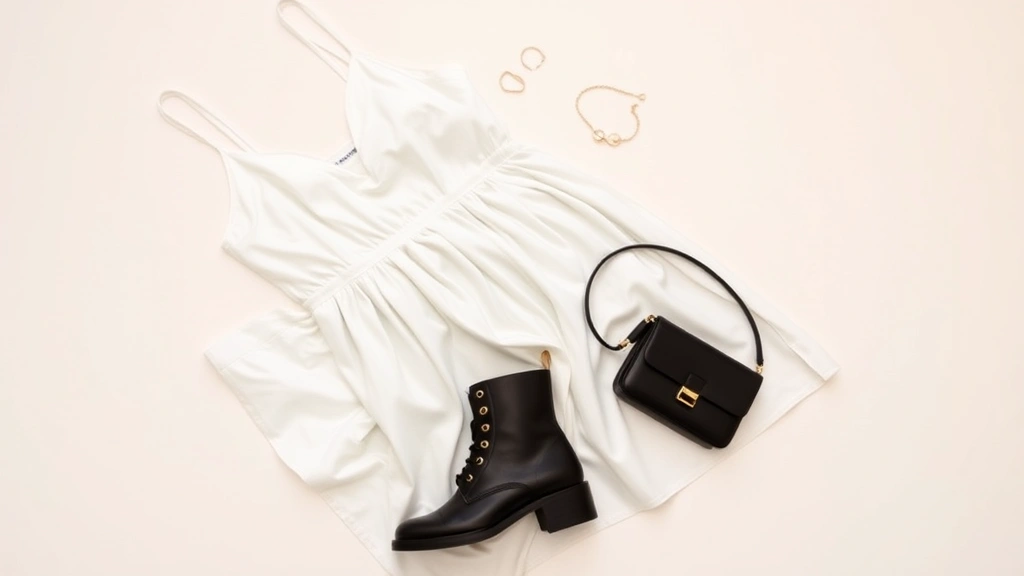
Building an authentic 90s wardrobe starts with understanding the foundational pieces that defined the decade. The slip dress emerged as the quintessential 90s garment, originally designed to be worn under sheer fabrics but eventually becoming a standalone statement piece. These delicate, bias-cut dresses in satin or silk create an effortlessly chic silhouette that works for both casual and elevated occasions. Pair a slip dress with a leather jacket for an edgy vibe, or layer it over a fitted turtleneck for a more conservative approach.
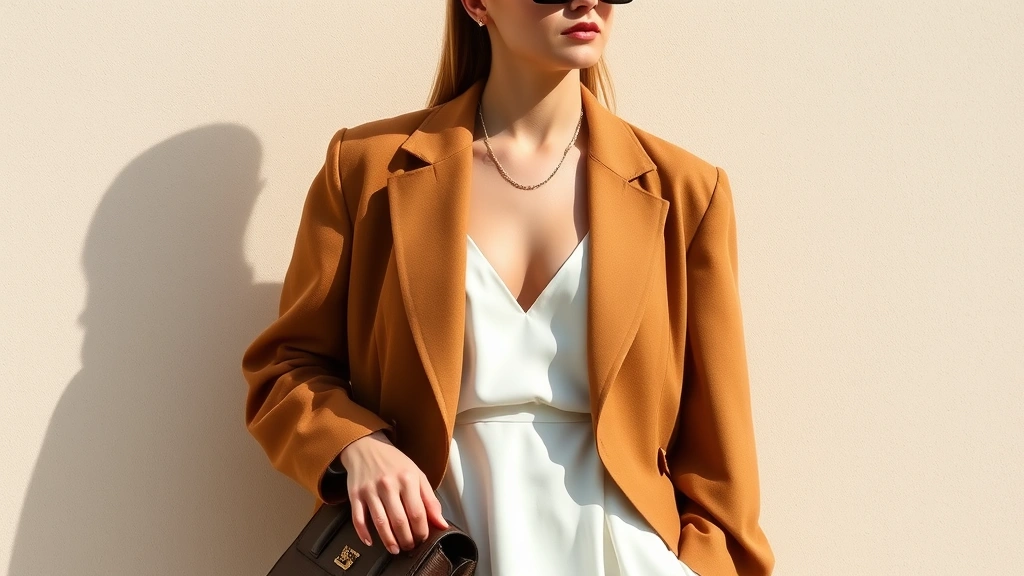
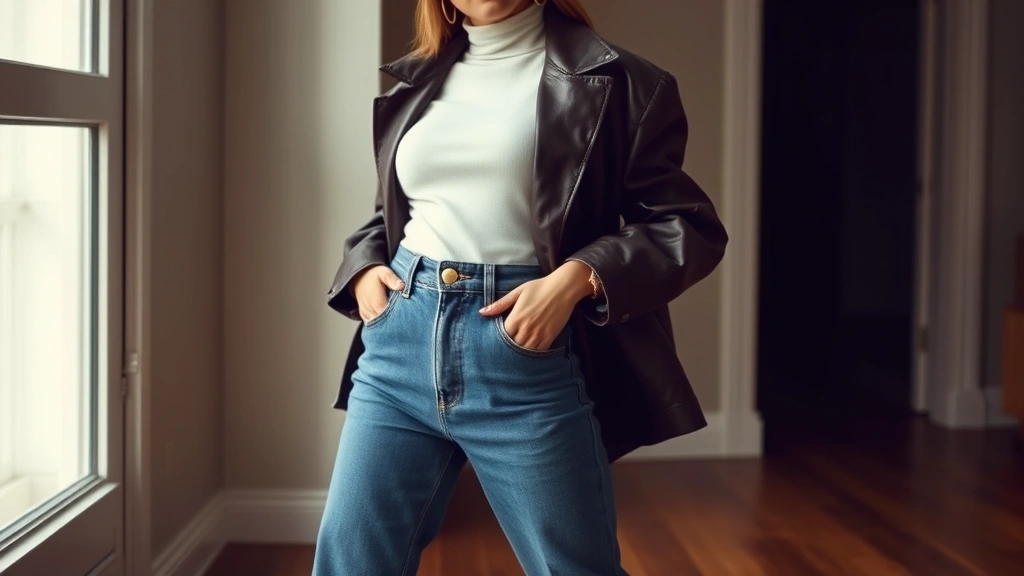
Oversized blazers represent another cornerstone of 90s fashion. These aren’t tailored, fitted jackets—they’re intentionally roomy and often feature interesting textures like corduroy, linen, or vintage wool. The beauty of an oversized blazer lies in its versatility. You can throw it over a simple white tank top and jeans, wear it as a dress over a slip, or layer it with other pieces for dimension. Look for versions in neutral tones like camel, black, or grey, or embrace bold colors like burgundy or forest green.
When learning how to dress 90s fashion, denim deserves special attention. The 90s celebrated various denim silhouettes, from ultra-high-waisted straight-leg jeans to relaxed, baggy fits. Baby tees paired with low-rise jeans created an iconic 90s aesthetic, while pairing high-waisted denim with oversized tops offered a more balanced look. Vintage Levi’s, particularly 501s and 505s, became status symbols during this era. Invest in well-made denim in classic washes—medium blue, dark indigo, and black remain timeless choices.
Minimalist basics form the foundation of authentic 90s styling. Simple white tank tops, fitted long-sleeve tees, and plain t-shirts in neutral colors serve as blank canvases for layering and accessorizing. The 90s philosophy emphasized quality over quantity, so investing in well-constructed basics in natural fabrics like cotton and linen ensures longevity and versatility in your wardrobe.
Styling Guide for Creating Authentic 90s Looks
Creating cohesive 90s outfits requires understanding the styling principles that made the decade distinctive. Layering stands as perhaps the most important technique in 90s fashion. The decade embraced visible layering as a design element rather than a practical necessity. Combine a slip dress with a fitted turtleneck underneath, add an oversized blazer, and finish with chunky loafers. This approach creates visual interest and depth while maintaining the effortless aesthetic that defined the era.
The concept of finding your personal style applies directly to 90s fashion interpretation. Some enthusiasts gravitate toward grunge aesthetics with flannel shirts and combat boots, while others prefer minimalist slip dresses and clean silhouettes. Understanding which 90s substyles resonate with your personality ensures your 90s outfits feel authentic rather than costume-like. Explore different types of fashion styles to identify which 90s aesthetic suits you best.
Proportion plays a crucial role in 90s styling. The decade often paired fitted pieces with oversized silhouettes to create visual balance. If you’re wearing a fitted slip dress, top it with an oversized blazer or cardigan. Conversely, pair oversized jeans or trousers with a tucked-in fitted tee. This interplay between tight and loose creates the signature 90s silhouette that feels modern and intentional rather than sloppy.
The 90s celebrated imperfection and authenticity, so don’t overthink your styling. Wrinkled fabrics, slightly mismatched pieces, and undone hair all contribute to the genuine 90s aesthetic. This relaxed approach to fashion makes it incredibly accessible—you don’t need perfectly pressed clothes or flawless makeup to embody 90s style.
Color Palette and Textures of the 90s
Understanding the color story of 90s fashion helps you select pieces that authentically capture the era. Neutrals dominated the decade, with black, white, grey, beige, and cream forming the foundation of most 90s wardrobes. These versatile tones provided the perfect backdrop for statement pieces and accessories. However, the 90s also embraced unexpected color combinations and earthy tones like olive, mustard, rust, and terracotta.
Jewel tones appeared frequently in 90s fashion, particularly in slip dresses and accessories. Deep emerald green, sapphire blue, and rich burgundy added sophistication to minimalist outfits. Pastels also had moments, though they often appeared in unexpected ways—a pale pink slip dress paired with black combat boots, for instance. The key to 90s color styling involves combining colors in ways that feel slightly unconventional or unexpected.
Texture played an equally important role in 90s fashion. The decade celebrated diverse fabrics and their interactions. Satin slip dresses contrasted with chunky knitwear, leather jackets paired with delicate mesh, and denim mixed with silk created visual and tactile interest. Velvet, suede, corduroy, and metallic fabrics added dimension to outfits. When building a 90s wardrobe, seek out pieces with interesting textures that catch light and add depth to your styling.
Patterns in 90s fashion leaned toward subtle and understated. Small-scale florals, minimal checks, and delicate stripes appeared on dresses and shirts. Bold graphic prints existed but were less common in high-fashion 90s styling. When incorporating patterns, balance them with solid neutrals and keep the overall look clean and intentional.
Accessories That Complete Your 90s Fashion Look
Accessories elevate 90s outfits from basic to fashion-forward. Small, structured handbags became iconic during this era—think miniature shoulder bags, boxy top-handle bags, and sleek clutches. Brands like Prada, Gucci, and Fendi defined 90s luxury accessories, but modern alternatives capture the same aesthetic. Opt for bags in leather with minimal hardware and clean lines rather than embellished or heavily branded styles.
Sunglasses represented a major accessory statement in 90s fashion. Oversized rectangular frames, tiny oval shades, and cat-eye styles all had moments. Look for sunglasses with thin metal frames or plastic in tortoiseshell, black, or clear tones. These accessories immediately evoke 90s energy and work with virtually any outfit.
Jewelry in the 90s favored minimalism and delicate pieces. Thin gold or silver chains, small hoop earrings, and dainty rings dominated the era. Chokers experienced a major resurgence during the late 90s—velvet chokers, metallic versions, and tattoo-style chokers became ubiquitous. If you’re embracing late-90s aesthetics, a simple choker worn with a slip dress instantly captures the vibe. However, understand that fashion style guides recommend moderation with trendy pieces like chokers to maintain timeless appeal.
Belts served both functional and aesthetic purposes in 90s fashion. Wide leather belts emphasized the waist, while thin belts added subtle definition. Chunky chain belts and metallic versions appeared as statement pieces. Wearing a belt slightly loose and low on the hips captured the relaxed 90s attitude perfectly.
Footwear for Every 90s Fashion Vibe
Shoes define 90s fashion as much as any other element. Combat boots and Doc Martens became synonymous with grunge aesthetics, offering practicality and rebellion. These chunky boots work with virtually any outfit—pair them with slip dresses, oversized blazers, or vintage jeans. Their utilitarian nature grounds outfits and adds edge to even delicate pieces.
Minimalist sneakers also thrived in 90s fashion. Simple white leather sneakers, canvas slip-ons, and Converse Chuck Taylors provided casual footwear options. The 90s celebrated the juxtaposition of athletic shoes with dressy pieces, so wearing white sneakers with a slip dress or minimalist outfit felt intentionally cool rather than mismatched.
Loafers and Mary Janes represented another 90s footwear essential. Chunky loafers in black leather, often worn with or without socks, paired perfectly with oversized blazers and tailored trousers. Mary Janes in patent leather or suede offered a slightly preppy, girlish alternative that balanced edgier pieces.
Strappy sandals and minimalist heels appeared in 90s wardrobes for dressier occasions. Thin-heeled slides, minimalist mules, and delicate strappy sandals in metallic or neutral tones elevated slip dresses and tailored pieces. The 90s preferred understated heels over chunky or heavily embellished styles, maintaining the decade’s minimalist aesthetic even in formal wear.
Adding Modern Twists to Classic 90s Fashion
While authenticity matters when channeling 90s fashion, incorporating modern elements ensures your style feels current rather than costume-like. Contemporary fabrics and construction techniques can update 90s silhouettes beautifully. A modern slip dress in sustainable materials maintains the aesthetic while reflecting current values around ethical fashion.
Mixing 90s pieces with contemporary items creates dynamic, fresh outfits. Pair a vintage oversized blazer with modern straight-leg jeans and current sneaker styles. Layer a classic slip dress with contemporary oversized shirts or modern knitwear. This blending approach ensures you’re celebrating 90s inspiration while maintaining a personal, evolved style.
Understanding the complete fashion history timeline helps contextualize how 90s fashion fits within broader style evolution. The 90s weren’t created in a vacuum—they built upon previous decades while rejecting certain elements. Similarly, modern interpretations of 90s fashion should feel like natural extensions of contemporary style rather than historical reenactments.
Color grading and updated cuts on classic 90s silhouettes modernize the aesthetic. A slip dress in an unexpected color combination or with subtle modern details maintains the 90s essence while feeling fresh. Updated oversized blazers with modern tailoring details work beautifully with current styling approaches.
Celebrity Inspiration and 90s Fashion Icons
Examining how contemporary celebrities interpret 90s fashion provides valuable styling inspiration. Influential figures continue to reference this era, proving its enduring appeal. Look to fashion-forward celebrities who seamlessly blend 90s pieces with modern aesthetics for guidance on making the look feel current.
Historical 90s icons remain relevant style references. Study how these figures styled slip dresses, oversized blazers, and minimal accessories to understand the authentic approach. Their styling choices, though of a specific moment, contain timeless principles about proportion, color coordination, and attitude that transcend trends.
Fashion publications and Vogue regularly feature 90s-inspired editorials and trend forecasting that demonstrates how the decade remains culturally significant. Following these resources keeps you informed about current interpretations of 90s fashion and emerging trends within the aesthetic.
Consider exploring collections from contemporary designers who draw inspiration from 90s fashion. The Row and other luxury brands frequently reference minimalist 90s aesthetics, demonstrating how the era influences high fashion. Understanding designer perspectives on 90s inspiration helps you develop a more sophisticated approach to the aesthetic.
Frequently Asked Questions About 90s Fashion
What’s the most important piece for creating a 90s look?
The slip dress stands as the quintessential 90s piece. Its versatility allows for countless styling interpretations, from casual to formal. However, oversized blazers and well-fitting denim also serve as foundational pieces that work across numerous 90s aesthetics. Start with whichever piece resonates most with your personal style, then build your wardrobe around it.
Can you wear 90s fashion if you have a different body type?
Absolutely. The 90s celebrated diverse body types and rejected rigid beauty standards. The decade’s emphasis on oversized silhouettes and layering accommodates various body shapes beautifully. Focus on proportions—balancing fitted and loose pieces—rather than conforming to specific body ideals. The 90s philosophy centered on individual expression rather than conformity.
How do I avoid looking like I’m wearing a costume?
Balance 90s pieces with contemporary items and styling approaches. Avoid wearing head-to-toe throwback outfits; instead, incorporate one or two statement 90s pieces with modern basics. Update your makeup and hair to reflect current trends rather than attempting authentic 90s styling in these areas. The goal is channeling the era’s spirit rather than recreating it exactly.
Where can I find authentic 90s pieces?
Vintage and thrift stores offer genuine 90s pieces, though quality varies. Online vintage retailers provide curated selections with detailed descriptions. Contemporary brands now produce pieces inspired by 90s aesthetics, offering new alternatives that capture the look without requiring vintage shopping. Mix both approaches for the most authentic and practical wardrobe.
Are there specific 90s substyles I should know about?
Yes. Grunge emphasized flannel, combat boots, and an anti-fashion attitude. Minimalism celebrated clean lines, neutral colors, and quality basics. Maximalism embraced bold colors, patterns, and statement pieces. Preppy 90s style featured structured blazers, loafers, and tailored silhouettes. Understanding these substyles helps you identify which resonates with your aesthetic and personal preferences. Explore fashion articles and guides to dive deeper into specific substyles.
How do I style 90s pieces for different occasions?
Slip dresses work casually with sneakers and oversized blazers, or dress up with heels and minimal jewelry. Oversized blazers transition from casual to formal depending on what you layer underneath and your shoe choice. High-waisted jeans pair with both casual tees and more formal tops. The versatility of 90s pieces means one item can create multiple outfits for different occasions—a core principle of the decade’s efficient approach to fashion.
What makeup and hair complements 90s fashion?
While 90s makeup and hair have distinctive characteristics, updating them to contemporary styles prevents costume-like appearance. Clean, minimal makeup with emphasis on skin health aligns with 90s values. Modern haircuts and styling in natural textures complement 90s clothing beautifully. The goal is using 90s fashion as your statement while keeping overall presentation current and personal.
Mastering how to dress 90s fashion involves understanding the decade’s core principles: authenticity, individuality, and the rejection of excessive materialism. By building a wardrobe around essential 90s pieces, understanding styling techniques like layering and proportion, and thoughtfully incorporating modern elements, you’ll develop a distinctive style that honors the era while feeling completely contemporary. The 90s remain endlessly inspiring because they celebrated personal expression over trends—a philosophy that never goes out of style.