Explore Different Fashion Styles: Designer Insights
Fashion is a dynamic form of self-expression that transcends mere clothing—it’s a reflection of personality, culture, and aspiration. Understanding different fashion styles allows you to navigate the sartorial landscape with confidence and authenticity. Whether you’re drawn to minimalist elegance, bohemian flair, or avant-garde experimentation, each style tells a unique story about who you are and who you want to become.
The beauty of contemporary fashion lies in its democratization. No longer confined to high-fashion runways and elite circles, diverse style expressions are accessible to everyone. From street style influencers to luxury designers, the fashion world celebrates individuality and creative exploration. This comprehensive guide explores the most compelling fashion styles through the lens of designer insights, helping you discover and refine your personal aesthetic.
Classic and Timeless Elegance
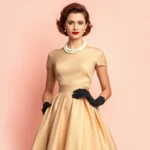
Classic fashion represents the foundation upon which all other styles are built. This approach emphasizes quality, craftsmanship, and pieces that transcend seasonal trends. Designers like Ralph Lauren and Hermès have mastered this aesthetic, proving that true style never expires. Classic elegance is characterized by neutral color palettes, impeccable tailoring, and investment pieces that become wardrobe staples.
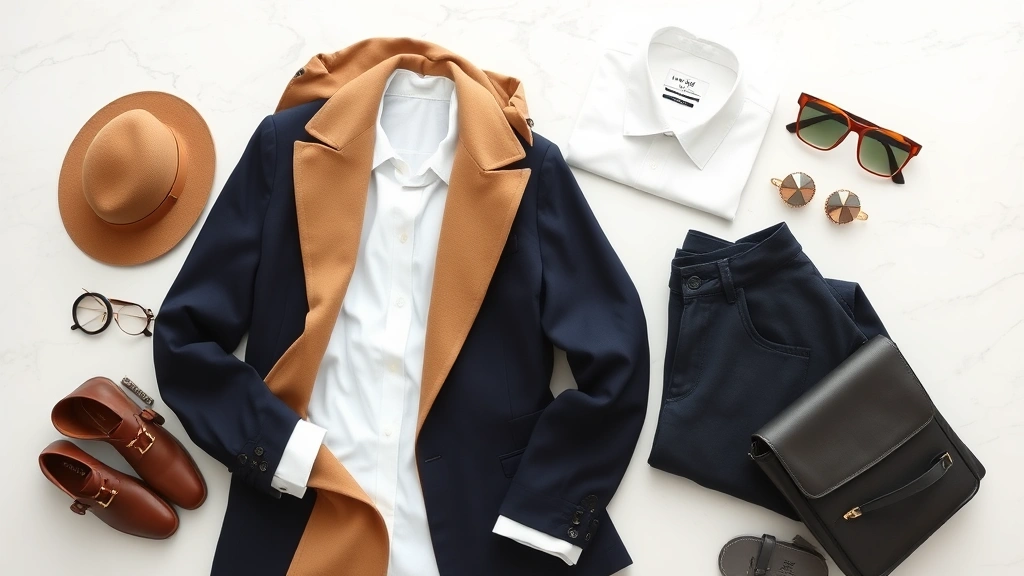
The philosophy behind classic fashion is rooted in restraint and sophistication. Think tailored blazers, white button-down shirts, well-fitted trousers, and leather accessories that age beautifully. This style celebrates the principle that more is often less—every piece serves a purpose and coordinates seamlessly with others. When exploring types of fashion, classic remains the most universally flattering and enduring.
Designer insights reveal that classic style requires understanding proportion, fabric quality, and the subtle details that distinguish exceptional pieces from ordinary ones. The investment in classic pieces pays dividends over years, as these items remain relevant regardless of passing trends. Building a classic wardrobe means prioritizing versatility and timelessness over novelty.
[IMAGE_1]
Modern Minimalism
Minimalism in fashion represents a deliberate rejection of excess in favor of intentional simplicity. This style, championed by designers like Jil Sander and Helmut Lang, focuses on clean lines, neutral colors, and an almost architectural approach to garment construction. Modern minimalism isn’t about having less—it’s about making each piece count.
The minimalist aesthetic embraces monochromatic palettes, geometric silhouettes, and high-quality basics elevated through impeccable tailoring. Adherents of this style often practice capsule wardrobing, curating a collection of versatile pieces that mix and match effortlessly. This approach aligns perfectly with sustainable fashion principles, as minimalist wardrobes prioritize longevity over quantity.
What distinguishes modern minimalism from mere simplicity is the intentionality behind each choice. A minimalist wardrobe requires thoughtful curation—selecting pieces that reflect personal aesthetic while maintaining functional versatility. Designers working in this space understand that minimalism demands exceptional quality, as there’s nowhere for inferior craftsmanship to hide. The philosophy extends beyond clothing to lifestyle choices, emphasizing mindful consumption and purposeful living.
Bohemian and Free-Spirited Fashion
Bohemian style celebrates artistic expression, cultural diversity, and a carefree approach to fashion. Often abbreviated as “boho,” this aesthetic draws inspiration from various global traditions, vintage finds, and artisanal craftsmanship. Designers like Isabel Marant and Free People have elevated bohemian elements into contemporary collections that appeal to modern sensibilities while honoring the style’s rebellious roots.
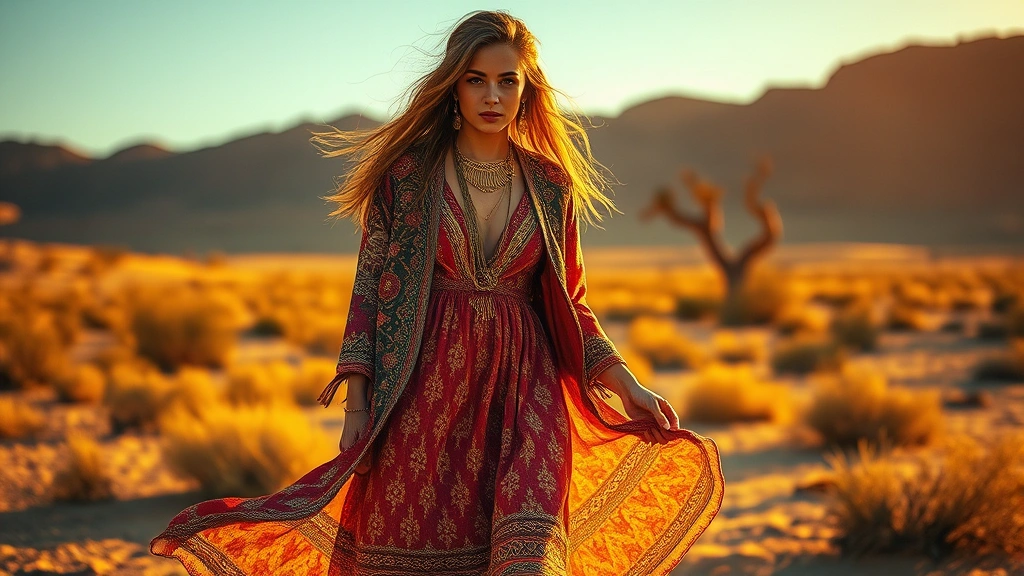
The bohemian palette includes earthy tones, rich jewel colors, and an eclectic mix of patterns and textures. Flowing fabrics, intricate embroidery, layered jewelry, and vintage pieces characterize this style. Bohemian fashion encourages personal interpretation and creative mixing—there are fewer rigid rules, making this style particularly appealing to those who view fashion as artistic expression.
Beyond aesthetics, bohemian fashion represents a philosophy that values individual authenticity and cultural appreciation. Modern boho incorporates sustainable practices, supporting artisans and small producers. When exploring how to find your personal style, bohemian elements offer endless opportunities for creative self-expression. The style thrives on mixing unexpected pieces, layering textures, and creating outfits that feel uniquely personal.
Streetwear and Urban Culture
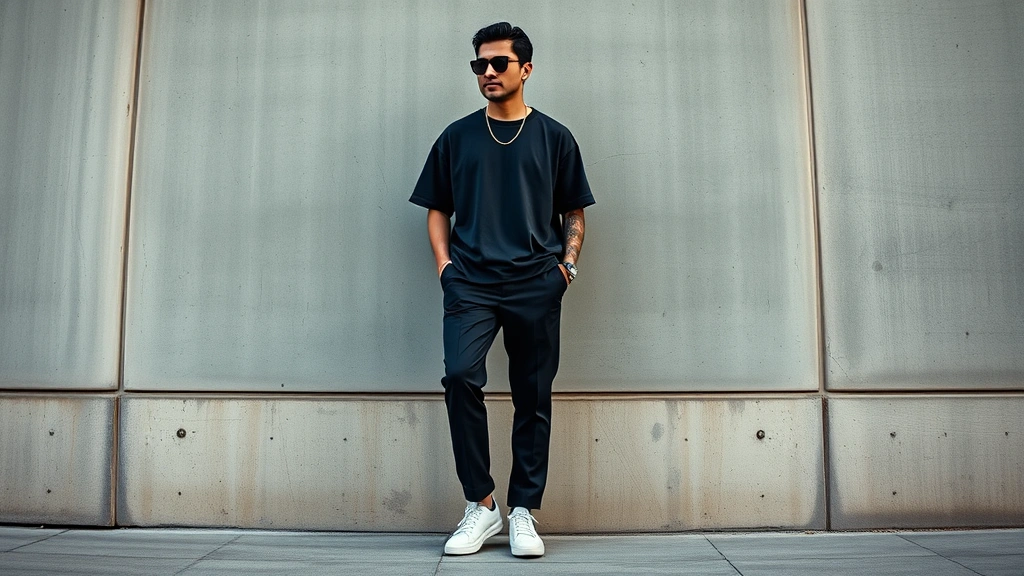
Streetwear represents fashion as a cultural movement, emerging from urban communities and youth subcultures. This dynamic style encompasses sneaker culture, graphic tees, oversized silhouettes, and a bold approach to self-presentation. Designers like Virgil Abloh and brands like Supreme have transformed streetwear from subcultural expression into high-fashion territory, proving its cultural significance.
Streetwear’s appeal lies in its authenticity and accessibility. It celebrates individuality, mixing high and low fashion, vintage and contemporary pieces. The aesthetic often incorporates elements from skateboarding, hip-hop, and gaming cultures, creating a distinctly modern visual language. Streetwear rejects the formality of traditional fashion hierarchies, instead valuing attitude and personal interpretation.
Contemporary streetwear demonstrates remarkable sophistication beneath its casual appearance. Designers carefully consider proportions, fabric innovation, and cultural context. The style has democratized fashion, proving that compelling style doesn’t require luxury price tags. Streetwear’s influence on mainstream fashion has been profound, with high-fashion houses increasingly incorporating street-style elements into their collections. This evolution reflects broader cultural shifts toward authenticity and cultural inclusivity in fashion.
Romantic and Vintage Aesthetics
Romantic fashion celebrates femininity, delicate details, and nostalgic references to bygone eras. This style emphasizes lace, floral patterns, soft fabrics, and vintage-inspired silhouettes. Designers like Dolce & Gabbana and Needle & Thread have elevated romantic aesthetics to high-fashion status, creating pieces that feel both timeless and contemporary.
The romantic style draws inspiration from various historical periods—Victorian elegance, 1950s femininity, and 1970s bohemian romance. Modern romantic fashion reinterprets these influences through contemporary lenses, avoiding costume-like appearance while honoring historical references. The palette typically includes pastels, jewel tones, and classic neutrals, always with an emphasis on delicate, intricate details.
Vintage fashion, a close cousin to romantic style, involves sourcing authentic pieces from previous decades. This approach offers sustainability benefits while providing unique, one-of-a-kind items. Understanding decades fashion helps vintage enthusiasts make informed choices, selecting pieces that genuinely reflect their aesthetic rather than adopting trends superficially. The romantic approach to fashion celebrates beauty, craftsmanship, and the stories embedded in well-loved garments.
Edgy and Alternative Styles
Edgy fashion challenges conventions, embracing boldness, asymmetry, and unconventional elements. This category encompasses goth, punk, grunge, and contemporary alternative aesthetics. Designers like Rick Owens and Ann Demeulemeester have transformed edgy style into sophisticated high fashion, proving that alternative doesn’t mean unwearable.
Edgy style typically features dark color palettes, leather, metal accessories, and dramatic silhouettes. The aesthetic often incorporates elements of rebellion—distressed fabrics, unconventional proportions, and bold makeup choices. However, contemporary edgy fashion demonstrates remarkable refinement, with designers creating pieces that balance attitude with wearability. The key distinction between costume and genuine edgy style lies in intentionality and personal connection to the aesthetic.
Alternative fashion communities have created vibrant subcultures where style serves as identity and community marker. These styles continue evolving, incorporating modern influences while maintaining their rebellious core. The accessibility of alternative fashion has increased dramatically, with mainstream retailers now offering edgy pieces alongside conventional options. This democratization allows broader audiences to explore alternative aesthetics without requiring immersion in specific subcultures.
Luxury and High Fashion
Luxury fashion represents the pinnacle of craftsmanship, innovation, and exclusivity. This realm, dominated by prestigious fashion houses like Chanel, Louis Vuitton, and Dior, sets trends and defines aspirational style. High fashion emphasizes exceptional materials, meticulous construction, and often groundbreaking design concepts that later trickle down to mainstream markets.
Understanding luxury fashion requires appreciating the investment in heritage, artistry, and innovation. Luxury designers employ the finest materials, collaborate with master craftspeople, and push creative boundaries. Runway shows present not just clothing but artistic statements, exploring themes and pushing aesthetic possibilities. The luxury sector supports incredible artisanal traditions while investing in future innovation.
Contemporary luxury fashion increasingly emphasizes sustainability and ethical production. Designers are reimagining luxury to align with modern values, proving that exclusivity and responsibility aren’t mutually exclusive. The Style Loom Daily Blog frequently explores how luxury brands are evolving to meet contemporary expectations. High fashion’s influence extends far beyond its direct consumers, shaping broader fashion culture and inspiring countless designers at all price points.
Sustainable and Ethical Fashion
Sustainable fashion represents a fundamental reimagining of the industry’s relationship with environment and society. This movement encompasses designers, brands, and consumers committed to reducing fashion’s ecological footprint and ensuring ethical labor practices. Designers like Stella McCartney and Patagonia have demonstrated that sustainability and style aren’t opposing forces.
Sustainable fashion addresses multiple concerns: environmental impact, worker welfare, material sourcing, and production practices. The movement encourages consumers to buy less but choose better—selecting quality pieces designed to last. This philosophy aligns with fashion history patterns, where quality and longevity were once standard rather than luxuries.
The sustainable fashion movement has catalyzed industry-wide change, with major brands establishing sustainability initiatives and transparency standards. Innovation in sustainable materials—from lab-grown leather to recycled fabrics—demonstrates that environmental responsibility drives creative advancement. For consumers, adopting sustainable practices doesn’t require sacrificing style; rather, it often means investing in pieces with greater longevity and meaning. The future of fashion increasingly depends on designers and consumers embracing sustainable practices as fundamental to style identity.
Exploring different fashion styles ultimately reveals that fashion is deeply personal. Whether you’re drawn to classic elegance, minimalist purity, bohemian creativity, or alternative boldness, your style choices reflect your values, personality, and aspirations. The most compelling fashion moments occur when you authentically express yourself through clothing, transcending trends to create something genuinely meaningful.
FAQ
What defines a fashion style?
A fashion style is a cohesive aesthetic approach characterized by consistent choices regarding color palettes, silhouettes, materials, and overall presentation. It reflects personal taste, cultural influences, and values, creating a recognizable visual identity that distinguishes one person’s fashion choices from another’s.
Can I combine different fashion styles?
Absolutely. Contemporary fashion increasingly celebrates hybrid styles that blend elements from different aesthetics. Mixing classic pieces with bohemian accessories, combining minimalist basics with edgy details, or pairing vintage items with modern streetwear creates unique personal style. The key is ensuring cohesion through intentional choices.
How do I discover my personal fashion style?
Discovering personal style involves exploration, self-reflection, and experimentation. Examine which pieces you naturally gravitate toward, which colors make you feel confident, and which silhouettes flatter your body. Create mood boards, study fashion inspiration, and gradually refine your preferences. Your personal style will emerge through this organic process rather than forced adoption of predetermined aesthetics.
Are expensive clothes necessary for good style?
No. While quality matters, exceptional style exists at every price point. Understanding proportion, fit, color coordination, and personal authenticity matters far more than price tags. Many stylish individuals create compelling wardrobes through thoughtful shopping at various price points, prioritizing fit and quality over brand names.
How often should fashion styles change?
This depends on personal preference. Classic and minimalist styles remain relatively constant, while those drawn to trend-forward fashion might update their approach seasonally. Rather than chasing every trend, consider adopting a flexible approach—maintaining a stable personal aesthetic while incorporating new elements that genuinely resonate with your evolving self-expression.
What role do designers play in creating fashion styles?
Designers are essential architects of fashion styles, creating collections that define aesthetics and influence broader culture. They innovate with materials, explore silhouettes, and establish visual languages that become recognizable styles. Designers also interpret cultural movements and historical references, translating them into wearable contemporary fashion.