Fashioning Sustainable Wardrobe: Eco-Friendly Tips for the Conscious Dresser
In today’s fast-paced fashion world, the term fashioning has evolved far beyond simply assembling outfits. Fashioning now encompasses the intentional, thoughtful process of creating a wardrobe that reflects your values, aesthetic sensibilities, and environmental consciousness. Whether you’re a seasoned style enthusiast or just beginning to explore sustainable fashion, understanding how to fashion a wardrobe that aligns with eco-friendly principles is one of the most impactful decisions you can make.
The fashion industry remains one of the world’s largest polluters, consuming vast amounts of water, producing textile waste, and contributing significantly to carbon emissions. However, fashioning a sustainable wardrobe doesn’t require sacrificing style or elegance. Instead, it’s about making deliberate choices that honor both your personal aesthetic and the planet. This comprehensive guide will walk you through practical, actionable strategies for building a conscious closet that stands the test of time.
As you embark on this journey, remember that fashioning sustainably is a gradual process. Start small, remain patient with yourself, and celebrate each mindful decision you make. Your wardrobe can become a powerful statement of your values and a testament to timeless style.

Understanding Sustainable Fashion and What Fashioning Really Means
The word fashioning derives from the verb “to fashion,” meaning to create, construct, or shape something with intention and purpose. In the context of sustainable style, fashioning refers to the deliberate curation and construction of a wardrobe that prioritizes longevity, ethical production, and environmental responsibility. It’s the opposite of fast fashion’s throwaway mentality.
Sustainable fashion is built on three fundamental pillars: environmental responsibility, social ethics, and economic viability. When you’re fashioning a sustainable wardrobe, you’re considering the entire lifecycle of each garment—from raw material sourcing through manufacturing, transportation, wearing, and eventual disposal or recycling. This holistic approach transforms fashion from a consumptive activity into a meaningful expression of your values.
The sustainable fashion movement draws inspiration from traditional tailoring practices, vintage aesthetics, and a renewed appreciation for craftsmanship. Organizations like the Vogue Sustainable Fashion Guide provide excellent resources for understanding industry standards and certifications. Many designers are pioneering innovative approaches to eco-conscious production, proving that sustainability and style are not mutually exclusive.
Understanding the environmental impact of conventional fashion is crucial. The textile industry consumes approximately 79 trillion liters of water annually and produces 92 million tons of textile waste yearly. By fashioning a sustainable wardrobe, you’re directly reducing your contribution to these alarming statistics. Each conscious choice multiplies across your lifetime wardrobe decisions.
Building Your Foundation: Essential Eco-Friendly Pieces
Begin fashioning your sustainable wardrobe by establishing a foundation of timeless, versatile pieces. These core items should be neutral in color, classic in silhouette, and made from sustainable materials like organic cotton, linen, hemp, or certified recycled fabrics. Think of these essentials as your wardrobe’s backbone—the pieces you’ll reach for repeatedly and combine in countless ways.
Essential eco-friendly basics include:
- Organic cotton t-shirts in neutral tones (white, black, gray, beige)
- Well-fitted jeans made from sustainable denim with minimal water usage
- Linen button-ups for versatile layering and breathability
- Neutral sweaters crafted from organic wool or recycled materials
- Classic blazer in navy, black, or camel for professional settings
- Minimalist white sneakers from ethical brands
- Quality leather belt from certified sustainable sources
- Versatile cardigan for layering across seasons
When fashioning these foundational pieces, prioritize quality and durability over quantity. A single well-made organic cotton shirt will outlast five conventionally produced alternatives. Look for certifications like GOTS (Global Organic Textile Standard), OEKO-TEX, or Fair Trade labels that guarantee ethical production practices.
Your personal style journey matters too. Consider exploring how to find your personal style to ensure your sustainable pieces align with your aesthetic preferences. This alignment increases the likelihood you’ll actually wear these items consistently, maximizing their value and minimizing waste.
Different style aesthetics require different foundational pieces. If you’re drawn to dark academia fashion for men or 90s fashion trends, research sustainable brands that specialize in these aesthetics. Many independent designers and ethical brands are now creating pieces across diverse style categories, making it easier to fashion a sustainable wardrobe that genuinely reflects your taste.
Shopping Smarter: Where to Source Sustainable Clothing
Fashioning a sustainable wardrobe requires knowing where to shop and what questions to ask. The modern conscious consumer has more options than ever, from established sustainable brands to innovative startups prioritizing environmental responsibility.
Direct-to-Consumer Sustainable Brands eliminate middlemen and reduce transportation emissions. Brands like Patagonia, Everlane, and Reformation provide transparency about their supply chains, manufacturing processes, and environmental impact. These companies publish detailed sustainability reports and actively work to improve their practices.
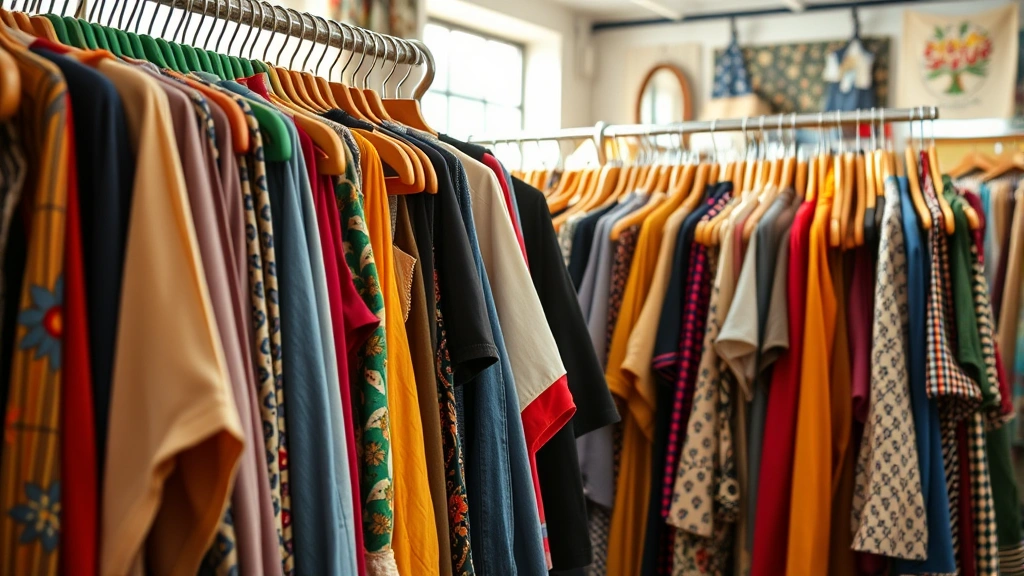
Secondhand and Vintage Shopping represents one of the most sustainable fashion choices available. Thrifting, consignment stores, and online platforms like Vestiaire Collective, Depop, and The RealReal offer pre-owned pieces at fraction of original prices. Fashioning from vintage finds adds uniqueness to your wardrobe while preventing perfectly good garments from landfills.
Rental and Subscription Services provide sustainable alternatives for occasion wear and trend pieces. Services like Rent the Runway allow you to enjoy designer pieces without permanent ownership, reducing overall consumption and environmental impact.
Local and Artisan Makers deserve your attention when fashioning sustainably. Supporting local designers, seamstresses, and manufacturers strengthens your community while ensuring transparent production practices. Farmers markets, craft fairs, and local boutiques often feature handmade, sustainable pieces.
Research certifications and transparency practices. Reputable sustainable brands clearly communicate their manufacturing locations, material sourcing, and environmental commitments. Be wary of “greenwashing”—companies making vague sustainability claims without substantive backing.
Explore the StyleLoom Daily Blog for current sustainable fashion trend recommendations and brand reviews. These resources help you navigate the expanding sustainable fashion marketplace with confidence and style consciousness.
Quality Over Quantity: The Investment Approach to Fashioning
Traditional fashion culture encourages constant consumption and trend-chasing. Sustainable fashioning inverts this logic, embracing an investment mentality where each purchase is carefully considered and expected to last years, not seasons.
When fashioning with quality-first principles, expect to spend more upfront. A premium organic cotton shirt might cost $60-80 compared to $15 from a fast-fashion retailer. However, that quality piece will maintain its shape, color, and integrity through dozens of washes while the cheaper alternative deteriorates after a few months. Over a five-year period, the sustainable option costs significantly less per wear.
Develop a personal cost-per-wear calculation. Divide the price by the estimated number of times you’ll wear the item. A $150 blazer worn 150 times over five years costs just $1 per wear, while a $30 trendy piece worn five times costs $6 per wear. This framework transforms fashion spending from frivolous consumption into strategic investment.
Quality indicators include:
- Fabric weight and composition—heavier, natural-fiber fabrics generally last longer
- Seam construction—look for tight, even stitching with reinforced stress points
- Hardware quality—zippers, buttons, and clasps should feel substantial
- Finishing details—hems should be even, and loose threads should be minimal
- Brand reputation—research customer reviews and longevity reports
Timeless design is crucial when fashioning for longevity. Avoid pieces that scream “current trend” and instead seek designs that have remained relevant for decades. Classic silhouettes, neutral colors, and quality construction ensure your pieces remain stylish years after purchase.
Consider exploring best fashion design schools resources to understand garment construction principles. Knowledge about how clothes are made deepens your appreciation for quality and helps you identify well-constructed pieces.
Care and Maintenance: Extending Your Garment Lifespan
Fashioning sustainably doesn’t end at purchase—how you care for your clothes is equally important. Proper maintenance significantly extends garment lifespan and preserves the investment you’ve made.
Washing Practices dramatically impact fabric longevity. Wash in cold water whenever possible to preserve colors and reduce energy consumption. Turn garments inside out before washing to minimize pilling and fading. Use gentle cycles for delicate fabrics and avoid overwashing—many items need refreshing rather than full laundering. Spot-clean minor stains before washing entire garments.
Drying Methods matter significantly. Air-drying is the gentlest option, preserving fabric integrity and reducing energy use. Hang-dry delicate items and lay flat items that might stretch. When using dryers, select low heat settings and remove items promptly to minimize wrinkles.
Storage Solutions protect garments during off-season periods. Use cedar blocks or lavender sachets instead of chemical mothballs. Fold rather than hang heavy knits to prevent stretching. Ensure storage areas are cool, dry, and protected from direct sunlight, which can fade colors.
Repair and Alteration extend garment life significantly. Learn basic repairs like sewing buttons, fixing seams, and patching holes. Professional tailoring can adjust fit, replace zippers, and refresh hems. A small investment in repair often costs far less than replacing entire garments.
Fabric-Specific Care requires attention:
- Organic Cotton: Gentle wash, cold water, air-dry when possible
- Linen: Can handle warm water, naturally wrinkled aesthetic is part of charm
- Wool: Hand wash or use wool-specific cycles, reshape while damp
- Hemp: Durable fabric that softens with washing, minimal special care needed
- Recycled Synthetics: Follow care labels carefully as fiber blends vary
Proper care transforms maintenance from a chore into a meditative practice that deepens your connection with your wardrobe. This intentional relationship with your clothes reinforces the values underlying sustainable fashioning.
Styling Your Sustainable Wardrobe Across Seasons
Fashioning a year-round sustainable wardrobe requires strategic seasonal planning. Rather than buying new clothes each season, build a flexible foundation that transitions beautifully across temperature changes and seasonal aesthetics.
Spring Transition calls for lightweight layering pieces. Linen shirts, lightweight cardigans, and breathable fabrics allow you to adjust to fluctuating temperatures. Neutral outerwear in cream or beige bridges winter and warmer seasons seamlessly.
Summer Essentials should prioritize breathability and UV protection. Natural fabrics like linen and organic cotton keep you cool while sustainable synthetic blends offer performance benefits. Invest in quality basics—simple t-shirts, shorts, and dresses—that you’ll wear repeatedly.
Fall Layering extends your wardrobe’s functionality significantly. Quality sweaters, lightweight jackets, and versatile cardigans create countless outfit combinations from existing pieces. Earth-tone accessories and deeper colors naturally align with seasonal aesthetics.
Winter Layering relies on sustainable outerwear and thermal basics. Organic wool sweaters provide warmth without bulk. Quality jackets in classic colors work across multiple seasons. Accessories like scarves, hats, and gloves add visual interest while serving practical purposes.
The key to seasonal fashioning without constant purchasing is investing in transitional pieces that work across multiple seasons. A lightweight wool sweater functions in spring and fall. Linen pants work from spring through early fall. This overlapping strategy maximizes outfit combinations while minimizing new purchases.
Explore current sustainable fashion trends to see how seasonal styles are evolving. Understanding contemporary aesthetics helps you fashion pieces that feel current while maintaining timeless appeal.
Budget-Friendly Sustainable Fashion Solutions
The perception that sustainable fashion requires unlimited budgets prevents many from fashioning consciously. However, numerous strategies allow you to build an eco-friendly wardrobe affordably.
Secondhand Shopping offers the most budget-friendly sustainable option. Thrift stores, consignment shops, and online platforms provide quality pieces at 50-90% discounts. You’ll discover unique items while saving significantly compared to new purchases. The environmental benefit is identical—you’re preventing garments from landfills.
Strategic Investing means spending more on items you’ll wear frequently and less on occasional pieces. Invest in quality basics, everyday shoes, and outerwear that you’ll wear multiple seasons. Purchase trend pieces or occasional-wear items secondhand or from budget-conscious brands.
Swap and Trade Communities allow fashioning without spending money. Clothing swaps with friends or organized community events let you refresh your wardrobe by exchanging pieces you no longer wear. Online swap platforms extend this concept globally.
DIY Customization transforms existing pieces into fresh styles. Dyeing garments, adding patches, embroidery, or alterations creates unique items from basic pieces. This creative approach reduces spending while personalizing your wardrobe.
Sales and Sample Sales from sustainable brands offer significant discounts on quality pieces. Follow your favorite brands on social media to catch seasonal sales, sample sales, and clearance events. End-of-season shopping maximizes your budget.
Capsule Wardrobe Planning naturally reduces spending. By intentionally limiting your wardrobe to 30-50 versatile pieces that work together, you avoid impulse purchases and ensure everything coordinates. This approach forces thoughtful decision-making, naturally reducing overall consumption.
Affordable sustainability isn’t about deprivation—it’s about strategic choices that honor both your budget and your values. Many sustainable brands now offer accessible price points, making conscious fashioning increasingly available across income levels.
Frequently Asked Questions
What does “fashioning” mean in the context of sustainable clothing?
Fashioning refers to the intentional process of creating and curating a wardrobe with purpose and consciousness. In sustainable fashion, it means thoughtfully selecting pieces that align with environmental values, last long-term, and reflect your personal style authentically.
How much should I spend on sustainable fashion pieces?
Sustainable pieces often cost more upfront but provide better value over time. Rather than focusing on price, calculate cost-per-wear. A $100 piece worn 200 times costs 50¢ per wear, while a $20 trend piece worn 5 times costs $4 per wear. Quality sustainable pieces typically offer superior long-term value.
Can I fashion a sustainable wardrobe on a limited budget?
Absolutely. Secondhand shopping, clothing swaps, DIY customization, and strategic sales shopping make sustainable fashion accessible across income levels. Many thrift stores offer quality pieces at minimal cost, providing sustainable options without breaking your budget.
What certifications should I look for when fashioning sustainably?
Seek certifications like GOTS (Global Organic Textile Standard), OEKO-TEX, Fair Trade, Cradle to Cradle, and B Corp certification. These verify environmental and ethical production standards. Transparent brand communication about supply chains and manufacturing practices indicates commitment to sustainability.
How often should I wash clothes when fashioning sustainably?
Wash less frequently than conventional practice suggests. Many items only need refreshing between wears. Spot-clean stains, air-dry overnight, or wear items multiple times before washing. This reduces water consumption, energy use, and fabric wear, extending garment lifespan significantly.
Where can I find sustainable fashion inspiration?
Follow sustainable fashion blogs, check Vogue Business Sustainability coverage, explore The Fashion Law for industry insights, and visit Common Objective for sustainable brand directories. The StyleLoom Daily Blog also provides trend-forward sustainable recommendations.
Is vintage fashion always sustainable?
Vintage fashion is significantly more sustainable than new production, as it prevents textile waste and requires no new manufacturing resources. However, consider transportation impact and condition—items requiring extensive repairs might not justify environmental costs. Generally, vintage fashion remains one of the most sustainable options available.
How do I transition my existing wardrobe to sustainable practices?
Don’t discard your current wardrobe. Instead, commit to sustainable practices going forward by making conscious new purchases and caring meticulously for existing pieces. As items wear out naturally, replace them with sustainable alternatives. This gradual transition minimizes waste while respecting your current investment.