Cyberpunk Fashion: Futuristic Trends Explored
Cyberpunk fashion represents one of the most electrifying intersections of technology, rebellion, and avant-garde style in contemporary culture. This bold aesthetic draws inspiration from dystopian futures, neon-soaked cityscapes, and the digital revolution, creating a visual language that challenges conventional fashion norms. Whether you’re drawn to holographic fabrics, sleek metallic finishes, or edgy silhouettes adorned with tech-inspired accessories, cyberpunk fashion offers a thrilling escape from mainstream style conventions.
The beauty of cyberpunk fashion lies in its versatility and its capacity to evolve with technological advancement. From runway shows in Paris and Tokyo to street style in urban metropolises worldwide, this trend has transcended niche subculture status to become a legitimate force in global fashion. It’s not merely about wearing futuristic clothing; it’s about embodying a philosophy that merges human creativity with technological innovation, creating looks that feel simultaneously alien and intimately personal.
Understanding cyberpunk fashion requires exploring its origins, key aesthetic elements, and how contemporary designers are reinterpreting this bold visual language for modern wardrobes. This comprehensive guide will navigate you through the neon-lit corridors of cyberpunk style, helping you incorporate futuristic elements into your personal aesthetic while maintaining authenticity and wearability.
Origins and Cultural Roots
Cyberpunk fashion emerged from the intersection of 1980s and 1990s counterculture, science fiction literature, and emerging digital technology. The term “cyberpunk” itself originated in William Gibson’s seminal 1984 novel “Neuromancer,” which depicted a dystopian future where hackers, artificial intelligence, and corporate dominance shaped society. This literary foundation provided the conceptual framework that fashion designers and style enthusiasts would later adopt and transform into wearable art.
The aesthetic gained significant momentum during the rise of electronic music culture, particularly within techno, industrial, and synthwave communities. Clubs in Berlin, London, and Detroit became laboratories for cyberpunk fashion experimentation, where DJs and dancers pushed boundaries with holographic clothing, LED accessories, and avant-garde silhouettes. What began as underground rebellion gradually infiltrated high fashion, with designers recognizing the commercial and artistic potential of this provocative aesthetic.
The influence of Japanese street fashion cannot be overlooked in cyberpunk’s development. Harajuku and Shibuya districts became epicenters of cyberpunk innovation, blending traditional Japanese aesthetics with futuristic elements. This cross-cultural synthesis created a unique visual language that distinguished cyberpunk from other fashion movements. Understanding this heritage helps contextualize why cyberpunk fashion feels simultaneously retro-futuristic and timelessly innovative.
Core Aesthetic Elements
At its heart, cyberpunk fashion embraces asymmetry, layering, and architectural silhouettes that challenge conventional beauty standards. Unlike minimalist fashion movements, cyberpunk celebrates excess, complexity, and visual density. Outfits often feature unexpected combinations of materials, conflicting textures, and bold proportions that create visual tension and intrigue.
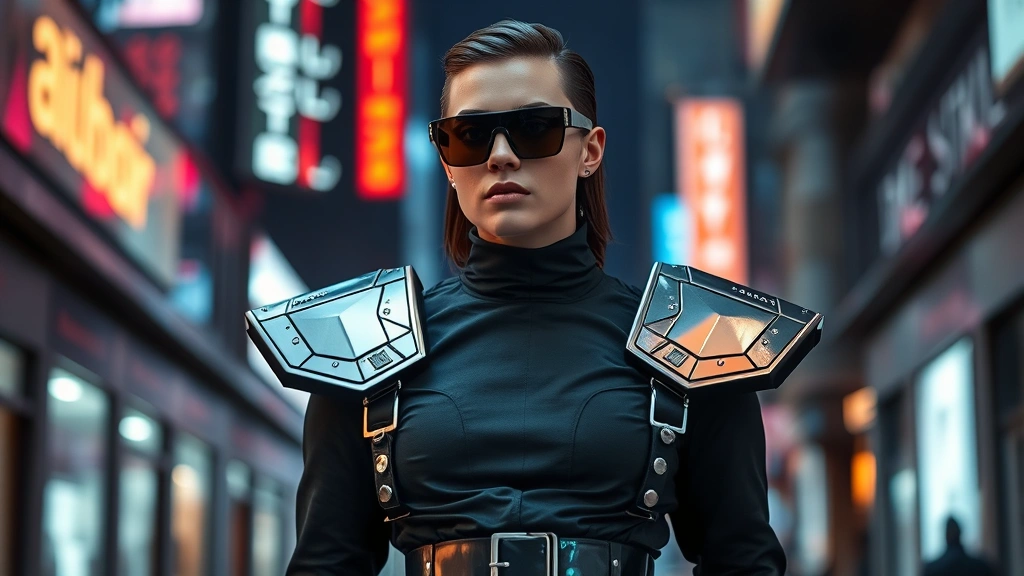
The silhouette in cyberpunk fashion frequently emphasizes sharp angles, oversized components, and strategic body-hugging elements. Imagine exaggerated shoulder pads paired with fitted torsos, or voluminous cargo pants balanced with sleek metallic tops. This intentional contrast creates dynamism and prevents the aesthetic from feeling one-dimensional. When exploring how to find your personal style, cyberpunk offers an excellent case study in bold self-expression.
Layering serves as both functional and aesthetic purpose in cyberpunk styling. Multiple transparent or semi-transparent layers, mesh elements, and strategic cutouts create depth and visual complexity. This approach allows wearers to play with transparency, revealing and concealing different body areas in calculated ways. The resulting effect feels intentional rather than accidental, emphasizing agency and personal choice in styling decisions.
Futuristic armor-like elements frequently appear in cyberpunk fashion, drawing inspiration from science fiction films and video games. Shoulder pieces, chest plates, and protective-looking accessories create an aesthetic of readiness and rebellion. These elements need not be literal armor; they can manifest as bold structural pieces, exaggerated hardware, or sculptural accessories that evoke protective imagery.
Neon and Color Palette
While black remains the foundational color in cyberpunk fashion, neon accents provide the visual electricity that defines the aesthetic. Neon pink, electric blue, acid green, and vibrant purple appear as secondary colors, creating striking contrast against dark bases. These fluorescent hues reference both underground club culture and the luminescent advertising of dystopian futures depicted in cyberpunk literature and film.
The interplay between darkness and neon creates psychological impact that extends beyond mere visual appeal. The contrast symbolizes the tension between human authenticity and technological overlay, between rebellion and corporate conformity. This color philosophy makes cyberpunk fashion inherently dramatic and attention-commanding, perfect for those unafraid of making bold statements through their wardrobe.
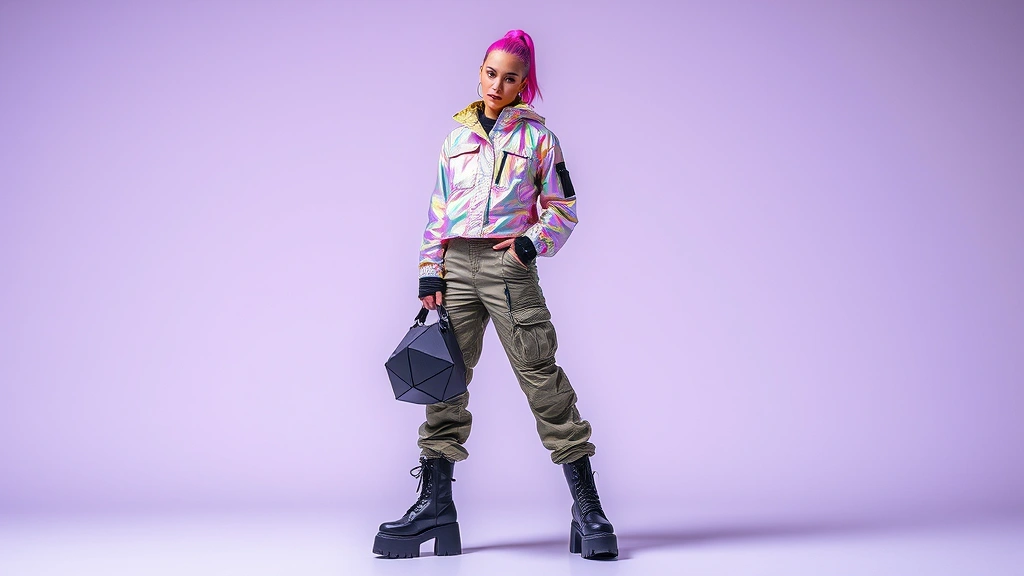
Metallics—silver, chrome, and holographic finishes—occupy crucial positions in the cyberpunk palette. These reflective surfaces catch light dynamically, creating movement and visual interest that static colors cannot achieve. Holographic materials, in particular, embody cyberpunk’s fascination with technology and its distorting effects on perception. A holographic jacket or accessory immediately signals cyberpunk allegiance while adding futuristic dimension to any outfit.
Grayscale elements provide necessary visual breathing room in cyberpunk styling. White, gray, and charcoal tones prevent outfits from becoming overwhelming while maintaining the aesthetic’s edge. This restraint demonstrates sophisticated understanding of design principles; the most impactful cyberpunk looks often balance bold elements with considered negative space.
Materials and Futuristic Fabrics
Cyberpunk fashion embraces synthetic and technological materials that embody the aesthetic’s futuristic philosophy. Latex, PVC, and faux leather provide sleek, reflective surfaces that feel simultaneously cold and compelling. These materials require confident wearing; they demand attention and signal intentionality in styling choices. When incorporating fashion history into modern cyberpunk looks, consider how synthetic materials represent technological evolution.
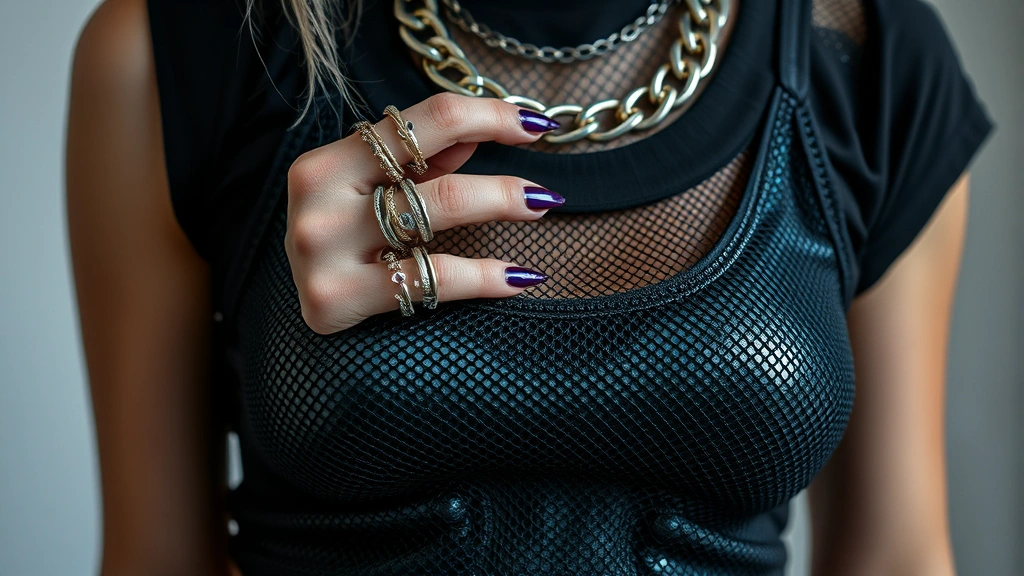
Mesh and transparent fabrics play crucial roles in cyberpunk aesthetics, creating layered visual complexity. Mesh tank tops, transparent panels, and sheer overlays reveal glimpses of the body beneath while maintaining mystery and intrigue. These materials align with cyberpunk philosophy regarding the intersection of human flesh and technological interface, making them conceptually resonant beyond mere visual appeal.
Holographic and iridescent fabrics represent the cutting edge of cyberpunk material innovation. These advanced textiles shift color depending on viewing angle and light conditions, creating dynamic visual effects that feel genuinely futuristic. While premium holographic fabrics carry significant price tags, more affordable alternatives increasingly become available, democratizing access to authentic cyberpunk aesthetics.
Technical fabrics originally developed for athletic wear increasingly appear in cyberpunk fashion. Moisture-wicking materials, stretch synthetics, and performance textiles offer functionality alongside futuristic appearance. This practical approach makes cyberpunk fashion more wearable for everyday life, moving beyond costume territory into legitimate street style.
Leather, particularly in black and unconventional textures, remains fundamental to cyberpunk wardrobes. Textured leather, embossed patterns, and innovative leather treatments add dimension and edge. Vegan leather alternatives have revolutionized cyberpunk fashion accessibility, allowing ethical styling without compromising aesthetic authenticity.
Tech-Inspired Accessories
Accessories define cyberpunk fashion as powerfully as clothing pieces themselves. Bold jewelry featuring geometric shapes, chunky chains, and metallic finishes creates architectural interest around the face and torso. Rings, bracelets, and necklaces should feel substantial and intentional rather than delicate and understated. Stacked rings, layered chains, and statement pieces communicate cyberpunk’s rejection of minimalist restraint.
Eyewear represents perhaps the most iconic cyberpunk accessory category. Oversized sunglasses with dark or reflective lenses, futuristic frames with exaggerated shapes, and tech-inspired designs immediately establish cyberpunk credibility. Cyberpunk glasses needn’t be functional; they serve primarily as visual statement pieces that transform entire outfits. The emphasis on enhanced or altered vision aligns conceptually with cyberpunk philosophy regarding technological augmentation of human experience.
Bags and carrying accessories in cyberpunk fashion prioritize structural boldness and technical features. Cargo-style bags with multiple pockets, utility belts laden with hardware, and geometric backpacks provide both functionality and aesthetic impact. These accessories reference tactical gear and military equipment, reinforcing cyberpunk’s association with rebellion and readiness.
Footwear in cyberpunk fashion leans toward combat boots, platform shoes, and futuristic sneaker designs. Heavy treading, metallic accents, and unconventional silhouettes make cyberpunk shoes architectural statements. Brands specializing in avant-garde footwear increasingly offer cyberpunk-aligned designs that balance wearability with bold aesthetics.
Hair accessories, including futuristic clips, geometric barrettes, and tech-inspired headpieces, complete cyberpunk looks. Temporary hair dyes in neon colors, particularly at ends or in streaks, add dimension without permanent commitment. These accessories demonstrate how cyberpunk fashion extends beyond clothing into comprehensive personal presentation.
Styling Tips for Everyday Wear
Incorporating cyberpunk elements into everyday wardrobes requires strategic restraint and intentional composition. Rather than adopting the aesthetic wholesale, consider introducing one or two statement pieces that anchor an outfit. A cyberpunk jacket paired with neutral basics, for instance, creates impact without overwhelming daily functionality. This approach allows styling flexibility while maintaining cyberpunk credibility.
Layering represents the most accessible entry point for cyberpunk fashion newcomers. Begin with neutral basics—black tees, fitted pants, or simple dresses—then add mesh overlays, metallic jackets, or holographic accessories. This building approach allows confidence development while maintaining wearability in professional or conservative environments.
Color blocking with neon accents creates cyberpunk impact without requiring full commitment to the aesthetic. Pair black and white basics with a single neon element—perhaps a holographic belt, metallic shoes, or electric-colored jacket. This restraint-with-statement approach appeals to those hesitant about full cyberpunk immersion while honoring the aesthetic’s core principles.
Mixing cyberpunk pieces with unexpected basics creates sophisticated contrasts. Pair a futuristic holographic jacket with classic denim, or wear cyberpunk boots with minimalist clothing. These combinations prevent outfits from feeling costume-like while maintaining authentic cyberpunk energy. The juxtaposition of futuristic and conventional elements creates conceptual tension that feels contemporary and intentional.
Accessories prove less commitment-intensive than clothing pieces while delivering significant cyberpunk impact. Experiment with bold jewelry, futuristic glasses, or metallic belts before investing in major clothing items. This low-risk approach allows aesthetic exploration and personal preference clarification.
Proportional balance prevents cyberpunk looks from becoming visually chaotic. If wearing oversized tops, pair with fitted bottoms. If sporting voluminous cargo pants, balance with sleek torso pieces. This equilibrium maintains silhouette coherence while celebrating cyberpunk’s preference for architectural complexity.
Leading Designers in Cyberpunk
Avant-garde fashion houses have emerged as primary architects of contemporary cyberpunk aesthetics. Vogue regularly features designers pushing cyberpunk boundaries through innovative collections. Rick Owens, known for deconstructed silhouettes and dark palettes, consistently incorporates cyberpunk elements into his designs. His work demonstrates how high fashion embraces cyberpunk’s architectural approach to garment construction.
Japanese designers have proven particularly influential in cyberpunk fashion evolution. Yohji Yamamoto’s experimental silhouettes and technical innovations align perfectly with cyberpunk philosophy. His layered approaches and unconventional proportions inspire countless contemporary cyberpunk enthusiasts. Similarly, designers from Tokyo’s avant-garde scene continue pushing boundaries with futuristic materials and bold silhouettes.
Emerging independent designers increasingly specialize in cyberpunk aesthetics, offering more accessible price points than luxury houses. These designers, many selling through online platforms and independent boutiques, democratize cyberpunk fashion access. Their work demonstrates that futuristic style need not require luxury budgets, opening cyberpunk possibilities to broader audiences.
Tech-fashion collaborations represent the frontier of cyberpunk design evolution. Companies merging fashion with wearable technology create genuinely futuristic garments that transcend aesthetic territory. LED-embedded clothing, smart fabrics, and integrated technology transform cyberpunk from visual style into functional innovation, embodying the aesthetic’s core philosophy regarding technology and human interaction.
Sustainable cyberpunk designers address the environmental concerns inherent in synthetic materials and fast fashion culture. These innovators develop eco-conscious alternatives to traditional cyberpunk fabrics while maintaining aesthetic authenticity. Their work represents cyberpunk’s potential evolution toward responsible fashion without compromising futuristic edge.
DIY and Customization
Cyberpunk fashion’s DIY ethos encourages customization and personal modification of existing pieces. Adding holographic tape to jackets, attaching chains or hardware to clothing, and embellishing garments with neon elements represents the accessible entry point for budget-conscious enthusiasts. This hands-on approach honors cyberpunk’s rebellious roots while democratizing aesthetic participation.
Fabric paint, particularly in metallic and neon finishes, transforms basic clothing into cyberpunk statements. Strategic painting on black basics creates custom designs that feel uniquely personal. This approach requires minimal investment while delivering maximum customization potential, perfectly aligned with cyberpunk’s DIY philosophy.
Deconstructing and reconstructing existing garments represents advanced cyberpunk customization. Cutting strategic holes, adding mesh panels, or restructuring silhouettes transforms conventional pieces into futuristic statements. This approach requires sewing skills but offers complete creative control over final aesthetic outcomes.
Accessory creation through jewelry-making and crafting allows personalized cyberpunk expression. Designing custom chains, creating geometric jewelry, or assembling tech-inspired accessories enables unique style development. Online tutorials and craft communities provide guidance for those exploring DIY cyberpunk accessory creation.
Temporary modifications—removable attachments, clips, and adaptable elements—allow experimental cyberpunk styling without permanent commitment. This approach suits those exploring cyberpunk aesthetics before major wardrobe investments, providing low-risk customization opportunities.
FAQ
What’s the difference between cyberpunk and steampunk fashion?
While both embrace futuristic aesthetics, steampunk draws inspiration from Victorian-era industrial design with brass, gears, and analog technology. Cyberpunk, conversely, references digital futures with neon, synthetic materials, and sleek minimalism. Steampunk feels antiquated and mechanical; cyberpunk feels cutting-edge and technological. Understanding this distinction helps clarify which aesthetic aligns with your personal style preferences.
Can I wear cyberpunk fashion to professional environments?
Absolutely, with strategic restraint. Incorporating subtle cyberpunk elements—metallic accessories, geometric jewelry, or futuristic glasses—into otherwise professional attire maintains workplace appropriateness while expressing cyberpunk allegiance. Many contemporary workplaces increasingly embrace personal style expression, making cyberpunk fashion integration more feasible than previously possible.
Is cyberpunk fashion expensive?
Cyberpunk fashion accommodates various budgets. Premium avant-garde pieces command luxury prices, but accessible alternatives exist through fast fashion retailers, independent designers, and DIY customization. Building cyberpunk wardrobes through strategic thrifting, customization, and gradual investment proves entirely feasible for budget-conscious enthusiasts.
How do I avoid cyberpunk fashion looking costume-like?
Authenticity emerges through confident wearing and thoughtful composition. Mixing cyberpunk pieces with conventional basics prevents costume appearance while maintaining aesthetic integrity. Investing in quality pieces rather than cheap imitations ensures longevity and genuine cyberpunk aesthetic. Personal customization and DIY elements add authenticity that mass-produced costume pieces cannot replicate.
Where can I find cyberpunk fashion online?
Specialized retailers, independent designers, and mainstream fashion platforms increasingly offer cyberpunk options. Exploring avant-garde fashion platforms, Japanese street wear retailers, and underground fashion communities reveals diverse cyberpunk selections. Social media platforms including Instagram and TikTok connect cyberpunk enthusiasts and showcase emerging designers specializing in futuristic aesthetics.
Can cyberpunk fashion work for different body types?
Cyberpunk fashion’s emphasis on architectural silhouettes and bold proportions offers flexibility across body types. The aesthetic celebrates individuality and personal expression rather than conforming to conventional beauty standards. Strategic layering, proportion balancing, and confident wearing make cyberpunk fashion accessible and flattering for diverse bodies when approached thoughtfully.
Cyberpunk fashion represents far more than aesthetic choice; it embodies philosophical commitment to technological integration, rebellion against conformity, and celebration of individual expression. Whether fully embracing the aesthetic or incorporating subtle futuristic elements into existing style, cyberpunk offers pathways toward distinctive personal presentation. As technology continues evolving and fashion boundaries expand, cyberpunk aesthetics will undoubtedly evolve alongside them, maintaining relevance through their fundamental alignment with human fascination regarding technology’s role in identity formation and social interaction. Explore Style Loom Daily Blog for additional fashion inspiration and trend insights that complement your cyberpunk journey. Discover more about fashion icons who have influenced contemporary style directions, and consider how 90s fashion elements intersect with modern cyberpunk movements. For comprehensive understanding of how cyberpunk fits within broader fashion context, explore The Fashion Spot, Women’s Wear Daily, and Highsnobiety for cutting-edge trend analysis and designer features that showcase cyberpunk fashion’s evolution.