Chinese Street Fashion Trends: Designer Insights
Chinese street fashion has emerged as one of the most dynamic and influential style movements in the global fashion landscape. From the bustling streets of Shanghai to the trendy neighborhoods of Beijing, a new generation of fashion enthusiasts is redefining what it means to dress with intention and cultural pride. This evolution represents far more than just clothing choices; it embodies a cultural renaissance where traditional aesthetics meet contemporary innovation, creating a distinctly modern Chinese identity that resonates far beyond national borders.
The rise of Chinese street fashion reflects deeper shifts in consumer confidence, digital connectivity, and the desire for authentic self-expression. Unlike previous decades when Western fashion dominated aspirational dressing, today’s Chinese fashion-forward individuals are confidently curating wardrobes that celebrate their heritage while embracing cutting-edge global trends. This shift has caught the attention of major fashion houses, trend forecasters, and style influencers worldwide, positioning China as a crucial player in shaping the future of fashion.
What makes Chinese street fashion particularly compelling is its unique blend of maximalism and minimalism, tradition and futurism, and luxury with accessibility. Whether you’re seeking to understand emerging trends or looking to elevate your personal style, exploring Chinese street fashion offers invaluable insights into how modern consumers are reimagining fashion for a new era. Let’s dive deeper into this fascinating world where ancient traditions meet 21st-century innovation.
The Evolution of Chinese Street Style
The transformation of Chinese street fashion over the past decade represents one of the most remarkable style evolutions globally. A generation ago, Chinese fashion was heavily influenced by Western brands and aesthetics, with luxury logos serving as the primary markers of status and taste. Today, the narrative has fundamentally shifted. Contemporary Chinese fashion enthusiasts are drawing inspiration from their rich cultural heritage while simultaneously staying plugged into global fashion conversations happening on runways from Paris to New York.
This evolution didn’t happen overnight. The turning point came with increased access to international fashion media, the rise of social media platforms tailored to Chinese users, and most importantly, a growing sense of cultural confidence. Young professionals in major Chinese cities began experimenting with silhouettes that honored traditional garments—like the qipao and cheongsam—while reinterpreting them through modern lenses. This wasn’t about nostalgia; it was about reclamation and innovation.
The complete fashion history timeline shows us how styles evolve through cultural moments, and Chinese street fashion is no exception. What we’re witnessing is the maturation of a style sensibility that refuses to choose between Eastern and Western influences—instead, it synthesizes them into something entirely new and distinctly Chinese.
Key characteristics of this evolution include:
- Integration of traditional motifs with contemporary silhouettes
- Confidence in mixing high fashion with street-style accessibility
- Emphasis on quality craftsmanship and fabric innovation
- Celebration of individual expression over brand conformity
- Strategic use of color and texture to create visual impact
Key Designers Shaping the Movement
Several visionary designers have become instrumental in elevating Chinese street fashion to international prominence. These creative minds understand that contemporary Chinese style isn’t about copying Western fashion—it’s about creating a parallel dialogue that honors heritage while pushing boundaries. Their work has garnered attention from major fashion publications and influenced how the entire industry views Asian design.
Vogue has extensively covered emerging Chinese designers who are redefining luxury fashion through a distinctly Eastern lens. Brands like Shushu/Tong, which cleverly blend surrealism with traditional Chinese embroidery techniques, have become darlings of international fashion weeks. Similarly, designers like Uma Wang create minimalist pieces that subtly incorporate traditional Chinese textiles and construction methods, proving that innovation doesn’t require dramatic visual statements.
The influence of these designers extends beyond their runway collections. They’ve fundamentally altered how fashion style guides approach Chinese aesthetics. Instead of treating Chinese fashion as a niche category, these designers have made it central to global conversations about the future of luxury, sustainability, and cultural authenticity in fashion.
Other notable figures reshaping the landscape include:
- Angel Chen – Known for her innovative draping techniques and modern silhouettes
- Xu Zhi – Blends conceptual art with wearable fashion
- Rui Zhou – Focuses on sustainable luxury and innovative textiles
- Pronounce – Creates bold, statement-making pieces with cultural references
- Feng Chen Wang – Masters the art of unexpected fabric combinations
Color Palettes and Fabric Choices
One of the most distinctive aspects of contemporary Chinese street fashion is its sophisticated approach to color. While Western fashion often gravitates toward neutral palettes punctuated by color, Chinese street style embraces bold, unexpected color combinations with confidence and intentionality. Deep jewel tones—emerald, sapphire, and burgundy—are paired with unexpected neutrals or contrasting hues, creating visual depth and cultural richness.
The color palette draws heavily from traditional Chinese art, porcelain, and silk traditions. Cerulean blues reminiscent of Ming vases, rich reds associated with luck and celebration, and sophisticated grays inspired by ink painting all feature prominently. What’s particularly interesting is how these colors are applied—not in large blocks, but through strategic layering, mixing prints, and playing with proportions that create sophisticated visual narratives.
Fabric selection equally reflects this cultural consciousness. While fast fashion prioritizes synthetic materials and rapid production, Chinese street fashion increasingly celebrates natural fibers and innovative textile technologies. Silk continues to play a central role, but contemporary designers are experimenting with:
- Organic cotton blends with traditional weaving techniques
- Innovative bamboo and linen combinations
- Recycled materials incorporating traditional dyeing methods
- Hand-embroidered technical fabrics
- Sustainable silk production with heritage techniques
Understanding how to find your personal style within Chinese fashion traditions involves recognizing how color and fabric communicate cultural identity. When you choose a piece that honors these principles, you’re not just making a fashion choice—you’re participating in a cultural conversation.
Maximalism Meets Minimalism
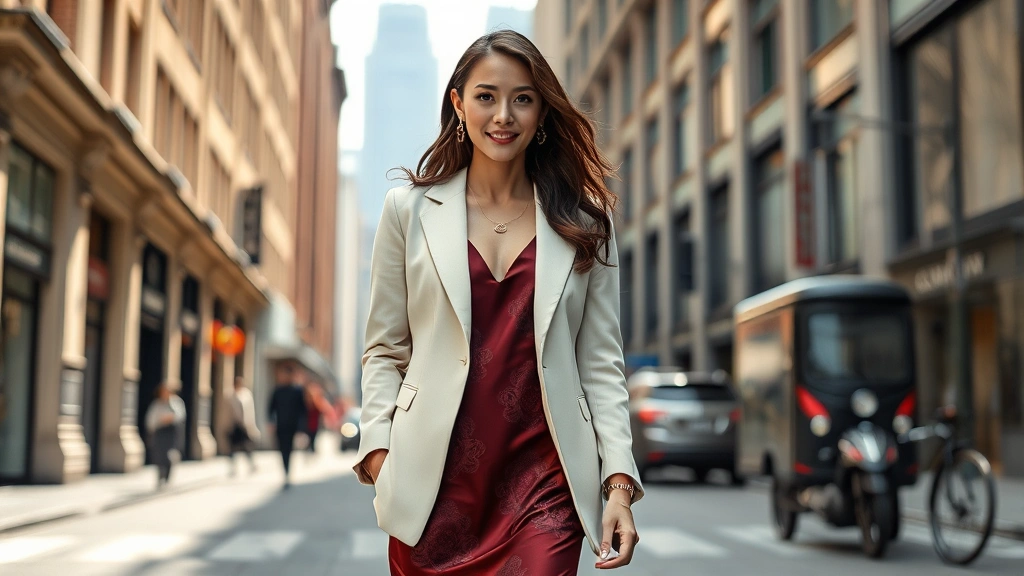
Perhaps the most intriguing characteristic of Chinese street fashion is its ability to harmoniously blend maximalist and minimalist aesthetics. This isn’t a contradiction; rather, it represents a sophisticated understanding of visual balance and intentional design. A perfectly tailored minimal blazer might be paired with an ornately embroidered bag, or a simple white shirt might be layered under a richly patterned traditional garment, creating a dynamic interplay between restraint and abundance.
This approach stems from traditional Chinese philosophy—the concept of balance between yin and yang. In fashion terms, this translates to the belief that style should create harmony through contrast. A minimalist silhouette becomes more impactful when paired with a statement accessory. A maximalist print gains sophistication when balanced with clean lines elsewhere in the outfit.
This philosophy has profound implications for how we think about getting dressed. Rather than viewing minimalism and maximalism as opposing forces, Chinese street fashion demonstrates that they can coexist beautifully. This perspective is influencing fashion influencers and style educators worldwide, who are increasingly encouraging their audiences to think in terms of balance rather than rigid aesthetic rules.
Practical applications of this principle include:
- Pairing statement pieces with neutral basics for visual rest
- Using proportion play to balance ornate and simple elements
- Mixing textures strategically to create depth without chaos
- Incorporating negative space in designs featuring intricate details
- Layering pieces to create visual interest while maintaining sophistication
Accessory Game and Statement Pieces
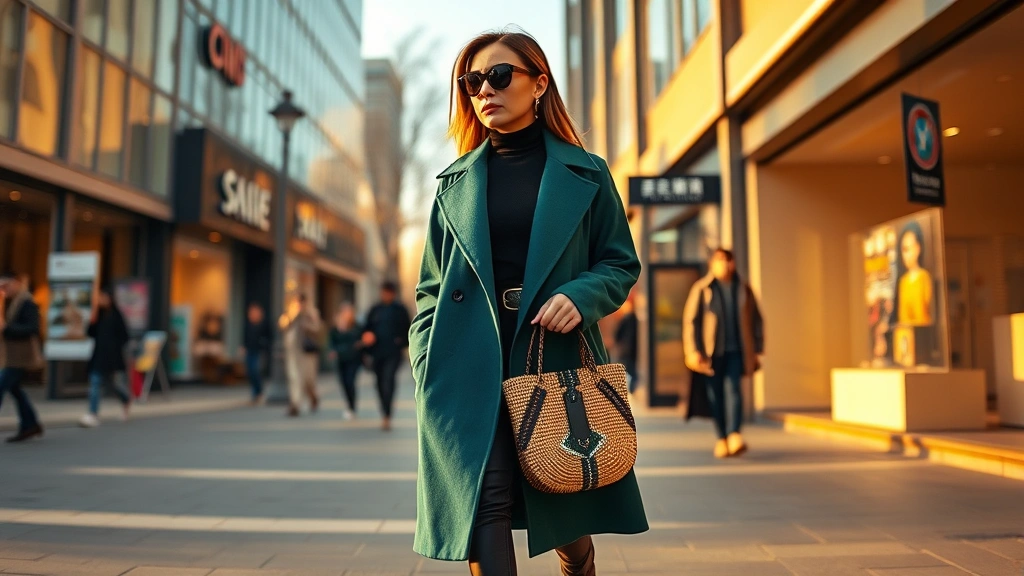
In Chinese street fashion, accessories aren’t afterthoughts—they’re integral to the entire aesthetic vision. This cultural approach to accessorizing reflects historical traditions where jewelry, bags, and ornamental pieces were carefully crafted and highly valued. Contemporary practitioners of Chinese street fashion understand that a single exceptional accessory can transform an entire outfit and communicate volumes about personal style and cultural identity.
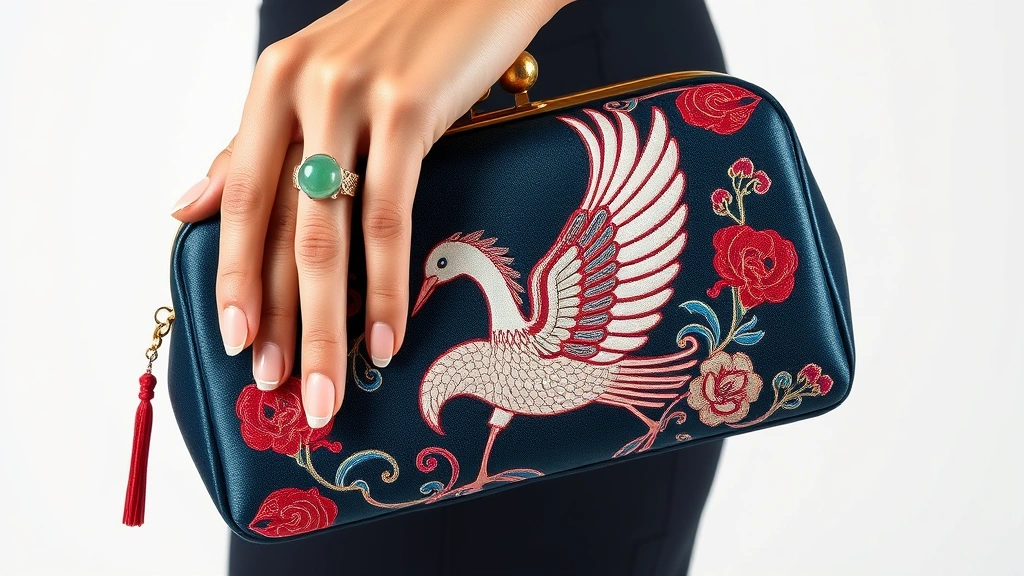
The accessory philosophy in Chinese fashion emphasizes quality over quantity. Rather than accumulating numerous pieces, individuals invest in statement accessories that demonstrate craftsmanship, cultural significance, or innovative design. A hand-embroidered clutch featuring traditional patterns, a sculptural jade pendant, or an artisanally crafted leather belt becomes a focal point that anchors the entire ensemble.
Fashion experts increasingly recognize that understanding style loom daily blog insights about accessories can elevate anyone’s fashion game. In the context of Chinese street fashion, this means appreciating how accessories tell stories—whether through traditional craftsmanship, cultural references, or innovative contemporary design.
Popular statement accessory categories include:
- Embroidered bags featuring traditional motifs and modern silhouettes
- Jade and pearl jewelry with contemporary design sensibilities
- Silk scarves worn as wraps, headpieces, or waist accents
- Statement shoes combining traditional aesthetics with modern construction
- Sculptural belts that define silhouettes and add visual interest
- Beaded and embellished hair accessories that reference heritage crafts
Sustainability in Chinese Fashion
A crucial aspect of contemporary Chinese street fashion that often goes unnoticed is its strong commitment to sustainability and ethical production. This isn’t driven by Western guilt or performative activism; rather, it emerges from traditional Chinese values around respect for resources and craftsmanship. The concept of “waste not, want not” has deep roots in Chinese culture, and modern designers are translating these principles into contemporary sustainable fashion practices.
Many emerging Chinese brands are pioneering innovative sustainable practices that go beyond simple recycling. They’re reviving ancient dyeing techniques, supporting traditional artisan communities, and developing new production methods that minimize environmental impact while celebrating heritage craftsmanship. The Fashion Law has documented how Chinese designers are leading conversations about ethical luxury and sustainable innovation.
The sustainability movement in Chinese fashion also reflects younger consumers’ values. Having grown up in rapidly urbanizing China, Gen Z fashion enthusiasts are acutely aware of environmental challenges and actively seek brands that align with their values. This consumer consciousness is pushing the entire industry toward more responsible practices.
Key sustainability initiatives in Chinese street fashion:
- Revival of traditional indigo and plant-based dyeing techniques
- Support for rural artisan communities and traditional crafts
- Development of innovative sustainable materials from agricultural waste
- Circular fashion models emphasizing durability and longevity
- Transparent supply chains and ethical labor practices
- Upcycling vintage fabrics and traditional garments into contemporary pieces
Digital Influence and Social Commerce
The digital landscape has fundamentally shaped how Chinese street fashion evolves and spreads. Unlike Western fashion, which is heavily influenced by traditional media and runway shows, Chinese fashion trends are increasingly born on social platforms like Xiaohongshu, Douyin (TikTok), and WeChat. This direct-to-consumer digital ecosystem has democratized fashion influence and created unprecedented opportunities for emerging designers and independent stylists.
The integration of social commerce in China has created a unique feedback loop where street style is simultaneously documented, curated, and sold in real-time. Fashion influencers and content creators don’t just showcase trends—they enable immediate purchasing, making Chinese street fashion exceptionally responsive to consumer demand and real-time style evolution.
This digital-first approach has several profound implications. First, it reduces the lag time between trend emergence and mainstream adoption. Second, it gives voice to diverse style perspectives beyond traditional gatekeepers. Third, it creates economic opportunities for small designers and artisans who can reach global audiences directly. Forbes has extensively covered how Chinese digital platforms are revolutionizing global fashion commerce.
The role of content creation in Chinese street fashion:
- Real-time trend documentation and dissemination
- Direct artist-to-consumer relationships bypassing traditional retail
- Community-driven style validation and feedback
- Educational content about traditional crafts and cultural significance
- Collaborative design processes involving online communities
- Integration of e-commerce enabling immediate purchase decisions
As you develop your own style sensibility, considering how fashion trends for women over 50 incorporate these digital influences can provide valuable insights into how contemporary style operates across demographics and geographies.
FAQ
What defines Chinese street fashion?
Chinese street fashion represents a contemporary style movement that thoughtfully blends traditional cultural elements with modern design sensibilities. It’s characterized by confident color choices, quality craftsmanship, strategic accessorizing, and a philosophical approach to balancing maximalism with minimalism. Rather than following Western fashion dictates, it celebrates distinctly Chinese aesthetics while engaging with global fashion conversations.
How can I incorporate Chinese street fashion into my wardrobe?
Start by investing in quality basics in sophisticated color palettes inspired by traditional Chinese art. Seek out statement accessories—particularly embroidered pieces or artisanally crafted items that reflect cultural heritage. Focus on proportion play and balance, pairing minimalist silhouettes with ornate accessories. Consider fabrics like silk and explore sustainable options that honor craftsmanship traditions.
Which designers should I follow to understand this trend?
Contemporary designers like Shushu/Tong, Uma Wang, Angel Chen, Xu Zhi, and Feng Chen Wang are essential for understanding modern Chinese fashion innovation. Additionally, following emerging designers on platforms like Xiaohongshu provides real-time insight into street-level trend evolution and offers access to independent creators pushing boundaries.
Is Chinese street fashion sustainable?
Many contemporary Chinese fashion brands prioritize sustainability through traditional techniques, ethical production, and innovative materials. The movement increasingly emphasizes durability, quality craftsmanship, and respect for resources—principles aligned with traditional Chinese values. However, like all fashion, it requires conscious consumer choices.
How does digital culture influence Chinese street fashion?
Digital platforms like Xiaohongshu and Douyin are central to how trends emerge and spread in China. They enable direct artist-to-consumer relationships, create rapid feedback loops, and democratize fashion influence beyond traditional gatekeepers. This creates a more responsive, inclusive, and innovative fashion ecosystem.
Can Western consumers adopt Chinese street fashion?
Absolutely. Chinese street fashion principles—thoughtful color choices, quality craftsmanship, strategic accessorizing, and balanced aesthetics—are universally applicable. The key is approaching it with respect for cultural significance rather than treating it as a costume. Focus on understanding the philosophy behind the aesthetics rather than simply copying surface-level trends.
Where can I shop for authentic Chinese street fashion?
Beyond international luxury retailers, explore platforms like Xiaohongshu, Douyin Shop, and specialized retailers like Browns Fashion and Dover Street Market, which carry emerging Chinese designers. Additionally, many contemporary Chinese brands ship internationally directly to consumers, offering access to the latest innovations.
How does traditional Chinese clothing influence contemporary street fashion?
Elements like the qipao, cheongsam, and traditional embroidery techniques inspire contemporary designers, but in reinterpreted forms. Rather than wearing historical garments, modern practitioners extract design principles—silhouette innovation, ornamental techniques, color symbolism—and translate them into contemporary pieces that feel current while honoring heritage.