Chicano Style Staples: Fashion Expert Insights
Chicano fashion represents far more than clothing—it’s a powerful cultural expression rooted in Mexican-American heritage, identity, and resilience. From the iconic lowrider aesthetic to contemporary urban styles, chicano fashion has evolved into a globally recognized movement that challenges mainstream fashion narratives and celebrates vibrant self-expression. This comprehensive guide explores the essential staples, cultural significance, and modern interpretations of chicano style, drawing insights from fashion experts and cultural historians who understand this dynamic aesthetic’s profound impact on contemporary fashion.
The chicano fashion movement emerged during the 1940s and 1950s in California, born from a desire to create a distinct identity separate from both mainstream American culture and traditional Mexican fashion. What began as rebellious street style has transformed into a respected fashion category that influences designers, streetwear brands, and fashion-forward individuals worldwide. Understanding chicano style staples requires appreciating the historical context, cultural pride, and artistic expression embedded in every piece, every color choice, and every styling decision.
The Historical Roots of Chicano Fashion
To truly understand chicano style staples, we must journey back to the mid-20th century when Mexican-American youth in Los Angeles created a fashion rebellion against societal constraints. The Zoot Suit era laid crucial groundwork, though chicano fashion would later develop its own distinct identity separate from that movement. The 1950s and 1960s witnessed the rise of the Low Rider aesthetic, which became inseparable from chicano culture. Young Chicanos modified their cars—lowering suspensions, adding hydraulics, and painting intricate designs—and their fashion followed suit with equally bold, custom, and personalized expressions.
Fashion historians recognize chicano style as a form of cultural resistance and identity affirmation. During periods of discrimination and marginalization, chicano youth used fashion as a language to communicate pride, belonging, and defiance. This wasn’t merely about following trends; it was about creating something entirely new that honored Mexican heritage while embracing American urban culture. The movement drew inspiration from fashion history timelines, yet carved its own revolutionary path.
According to Vogue‘s coverage of cultural fashion movements, chicano style represents one of the most authentic grassroots fashion revolutions in American history. The aesthetic emerged organically from communities, not from designer studios, making it genuinely reflective of lived experiences and cultural values. This authenticity remains chicano fashion’s most powerful characteristic and explains its enduring appeal across generations and demographics.
Essential Clothing Staples Every Collector Needs
Understanding chicano fashion requires familiarity with specific garments that form the foundation of this aesthetic. These clothing staples have remained relevant for decades, though modern interpretations continue evolving. Every piece carries cultural weight and styling possibilities that extend far beyond basic fashion functionality.
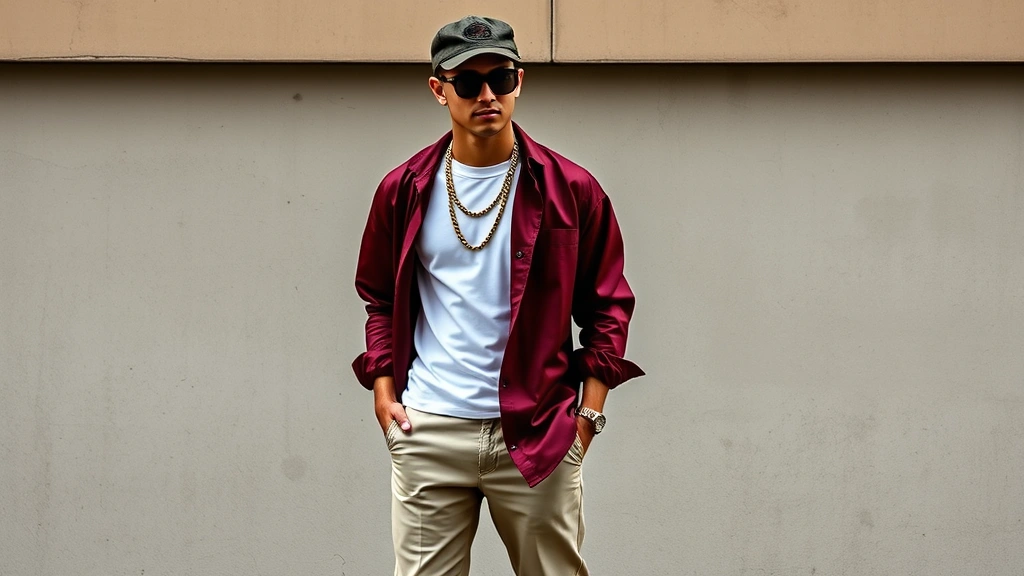
Khaki and Dickies Pants: Crisp, well-fitted khaki trousers and Dickies work pants represent iconic chicano fashion elements. Originally chosen for their clean lines and durability, these pants became status symbols when tailored perfectly—creased with precision, often hemmed to break just right on polished shoes. The quality of the fit communicates respect for the aesthetic and attention to detail that chicano culture values. Pairing chic fashion principles with chicano staples creates sophisticated looks suitable for any occasion.
Oversized Button-Up Shirts: Flannel shirts, silk shirts, and lightweight button-ups worn oversized represent another essential staple. These shirts layer beautifully, can be dressed up or down, and provide canvas for personal expression through fabric choice and styling. The oversized silhouette emerged from practical origins but evolved into a deliberate fashion statement reflecting confidence and comfort in one’s own style.
Classic White T-Shirts: The plain white tee serves as chicano fashion’s neutral foundation. Whether worn under an oversized shirt, paired with khakis, or styled independently, quality white t-shirts anchor countless chicano-inspired outfits. The simplicity allows focus on fit, layering, and accessories—core elements of chicano styling philosophy.
Vintage Band and Graphic Tees: Chicano fashion celebrates cultural references through band tees, lowrider artwork, and graphic designs celebrating Mexican heritage. These pieces tell stories and display pride in cultural identity while adding visual interest to otherwise minimal outfits.
Cardigans and Sweaters: Chunky knit cardigans, lightweight sweaters, and vintage knit pieces provide layering versatility essential to chicano styling. These pieces add texture and dimension while maintaining the aesthetic’s clean, intentional appearance.
Color Palettes and Symbolic Meanings
Color selection in chicano fashion carries profound cultural significance. These aren’t random choices but deliberate expressions rooted in heritage, community affiliation, and personal identity. Understanding types of fashion styles helps contextualize how chicano fashion uses color strategically.
Neutral Earth Tones: Khaki, cream, tan, and beige dominate chicano palettes, reflecting the desert landscape of the Southwest and providing sophisticated, timeless foundations. These neutrals allow accessories and details to shine while maintaining the aesthetic’s refined minimalism.
Deep Jewel Tones: Burgundy, forest green, navy, and deep purple appear frequently in chicano fashion, adding richness and cultural depth. These colors reference traditional Mexican textiles and indigenous art while providing elegant alternatives to brighter hues.
Black: Perhaps the most iconic chicano color, black represents power, elegance, and cultural pride. Black pants, black shirts, and all-black ensembles create striking silhouettes and convey confidence and respect within chicano communities.
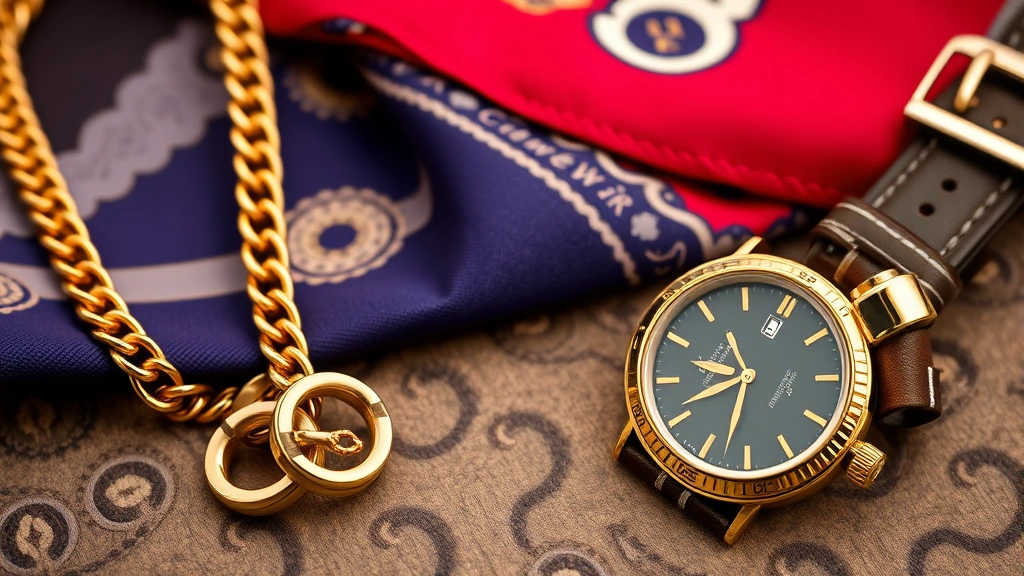
Gold and Silver Accents: Metallic elements reference lowrider culture’s ornamental traditions and add luxury to otherwise minimal outfits. Gold chains, silver jewelry, and metallic accessories elevate chicano looks with glamorous touches.
Red: Used strategically, red carries cultural significance and creates powerful visual statements. Whether through accessories or garments, red in chicano fashion often references heritage and pride.
Accessories That Define the Aesthetic
Chicano fashion’s true magic emerges through fashion accessories that transform basic garments into complete statements. These pieces represent crucial investment areas for anyone building a chicano-inspired wardrobe.
Gold Jewelry: Thick gold chains, chunky rings, and statement earrings represent quintessential chicano accessories. The boldness communicates confidence and respect for tradition. Quality gold pieces, whether vintage or contemporary, add immediate sophistication and cultural authenticity to any outfit.
Lowrider-Inspired Belts: Wide leather belts with ornate buckles reference lowrider culture directly. These statement pieces deserve prominent placement and pair beautifully with khakis or jeans, creating focal points that draw attention and admiration.
Bandanas: Silk bandanas, whether worn around necks, as headwear, or tied to bags, carry both practical and symbolic significance. These versatile pieces add color, texture, and cultural reference to outfits while maintaining chicano aesthetic authenticity.
Polished Shoes: From classic crepe-sole shoes to polished leather loafers, footwear receives serious attention in chicano fashion. Shoes should gleam with care and attention, reflecting respect for self-presentation and cultural values around pride and dignity.
Sunglasses: Dark, classic sunglasses—whether oversized or vintage styles—complete chicano looks with an air of cool confidence. These accessories provide practical sun protection while adding mystery and style.
Hats and Caps: Vintage baseball caps, fedoras, and beanies allow personal expression while maintaining chicano aesthetic integrity. Quality construction and thoughtful styling elevate these pieces beyond basic accessories.
Modern Interpretations and Contemporary Trends
Contemporary chicano fashion continues evolving while honoring foundational principles. Modern designers and stylists reinterpret classic staples for current contexts, proving chicano aesthetic’s remarkable adaptability. According to fashion experts at Harper’s Bazaar, chicano fashion influences mainstream trends more than many realize, from oversized silhouettes to color palette choices seen on runways worldwide.
Luxury Chicano Fashion: Designers now create high-end collections celebrating chicano aesthetic, elevating street style into gallery-worthy fashion. These pieces maintain cultural authenticity while incorporating luxury materials and construction techniques, making chicano fashion accessible to broader audiences.
Sustainable Chicano Style: Modern practitioners increasingly embrace vintage and secondhand pieces, both honoring chicano fashion’s resourceful origins and supporting sustainable fashion practices. Thrifting for authentic vintage pieces has become central to contemporary chicano fashion culture.
Gender-Fluid Interpretations: Contemporary chicano fashion rejects rigid gender norms, allowing all individuals to express themselves through oversized silhouettes, bold accessories, and cultural pride. This inclusive approach reflects evolving cultural values while maintaining aesthetic integrity.
Digital and Street Art Integration: Modern chicano fashion incorporates contemporary art, digital design, and street art influences. Graphic tees featuring contemporary artists and custom pieces celebrating current cultural moments keep chicano fashion relevant and forward-thinking.
Streetwear Collaborations: Brands increasingly collaborate with chicano designers and cultural organizations, creating collections that celebrate heritage while reaching global audiences. These partnerships validate chicano fashion’s cultural significance and market relevance.
Building Your Chicano-Inspired Wardrobe
Creating an authentic chicano-inspired wardrobe requires understanding both foundational staples and personal expression. Begin by exploring how to find your personal style within chicano aesthetic parameters, allowing cultural appreciation to guide rather than limit your choices.
Investment Pieces: Prioritize quality basics—crisp khakis, perfect-fitting white tees, oversized button-ups in neutral tones. These foundational pieces should be investment-quality, constructed well enough to last years. Chicano fashion values quality and longevity, reflecting cultural respect for craftsmanship.
Jewelry and Accessories: Allocate budget toward meaningful jewelry and accessories. A quality gold chain, statement belt, and polished shoes represent better investments than numerous cheap pieces. These items elevate entire outfits and communicate respect for self-presentation.
Vintage Hunting: Dedicate time to finding authentic vintage pieces at thrift stores, estate sales, and online marketplaces. Original 1970s-1990s chicano fashion pieces carry historical significance and authenticity impossible to replicate through contemporary reproductions.
Cultural Education: Before building a chicano-inspired wardrobe, educate yourself on the culture’s history, values, and significance. This knowledge informs authentic styling choices and demonstrates respect for the aesthetic’s cultural roots. Visit Style Loom Daily Blog for deeper fashion cultural exploration.
Personalization: While respecting foundational principles, allow personal creativity to shine through. Chicano fashion celebrates individuality within community—your unique combinations and styling choices honor the tradition’s spirit of self-expression.
Community Connection: Engage with chicano fashion communities online and offline. Follow chicano stylists, designers, and cultural influencers. Attend cultural events and fashion showcases celebrating chicano aesthetics. These connections provide inspiration, education, and authentic community engagement.
FAQ
What defines authentic chicano fashion?
Authentic chicano fashion combines specific garment staples (khakis, oversized shirts, white tees) with intentional styling, quality accessories, and respect for cultural heritage. It’s not merely about wearing certain clothes but understanding and honoring the cultural significance, historical context, and community values embedded in the aesthetic.
Can non-Chicanos wear chicano fashion?
Fashion is ultimately personal expression, and many people from various backgrounds appreciate and wear chicano-inspired styles. However, approaching chicano fashion with cultural respect, education, and genuine appreciation—rather than treating it as costume or trend—demonstrates appropriate engagement. Understanding the history and significance matters more than heritage.
Where can I find authentic chicano fashion pieces?
Vintage and thrift stores, particularly in areas with significant Chicano communities, offer authentic pieces. Online platforms like Depop and Vestiaire Collective feature vintage chicano fashion. Contemporary chicano designers and brands now offer new pieces honoring traditional aesthetics. Support chicano-owned businesses when possible.
How do I style chicano fashion for professional settings?
Chicano fashion’s clean lines and quality basics translate beautifully to professional contexts. Pair tailored khakis with crisp button-ups, add minimal gold jewelry, and polish shoes to create sophisticated professional looks. The aesthetic’s inherent elegance suits corporate, creative, and academic environments equally well.
What’s the difference between chicano and cholo fashion?
While related, these aesthetics have distinct characteristics. Chicano fashion encompasses broader cultural expression and heritage celebration. Cholo fashion represents a specific subculture style. Understanding these distinctions prevents cultural appropriation and demonstrates respect for nuanced cultural identities.
How do I ensure my chicano-inspired style is respectful?
Educate yourself thoroughly on chicano history, culture, and values. Engage authentically with chicano communities. Invest in quality pieces rather than treating the aesthetic as temporary trend. Support chicano designers and businesses. Approach the fashion with genuine appreciation and cultural respect rather than superficial interest.