Chicago Fashion Week Trends: Insider Insights
Chicago Fashion Week stands as one of the most influential fashion events in North America, showcasing cutting-edge designs and emerging talent that shape global fashion narratives. This prestigious event brings together renowned designers, fashion editors, industry insiders, and style enthusiasts to celebrate innovation, creativity, and the future of fashion. The energy, creativity, and forward-thinking perspectives displayed during Chicago Fashion Week consistently influence runway trends, retail collections, and personal style choices worldwide.
The 2024 edition of Chicago Fashion Week delivered remarkable insights into where fashion is heading, from sustainable design practices to bold color palettes and experimental silhouettes. Industry experts and designers revealed their vision for upcoming seasons, providing invaluable guidance for fashion enthusiasts eager to stay ahead of style curves. Whether you’re a fashion professional, a dedicated style follower, or someone looking to refresh your wardrobe, understanding the trends unveiled at this prestigious event is essential for making informed fashion choices.
This comprehensive guide explores the most significant trends, designer perspectives, and style innovations that emerged from Chicago Fashion Week, offering insider knowledge to help you navigate the evolving fashion landscape with confidence and creativity.
Sustainable Luxury Takes Center Stage
One of the most compelling narratives emerging from Chicago Fashion Week was the industry’s commitment to sustainability without compromising luxury or aesthetic appeal. Designers showcased stunning collections crafted from innovative eco-friendly materials, including lab-grown fabrics, recycled textiles, and biodegradable alternatives that rival traditional luxury materials in quality and beauty.
The message was clear: sustainability is no longer a niche concern but a fundamental expectation in modern fashion design. Luxury brands demonstrated how environmental consciousness and premium craftsmanship coexist harmoniously. From meticulously constructed evening gowns made from recycled silk to tailored blazers featuring organic cotton blends, the collections proved that conscious fashion doesn’t require aesthetic compromise.
This shift aligns perfectly with evolving consumer values, where style-conscious individuals increasingly demand transparency about production processes, material sourcing, and ethical labor practices. The Chicago Fashion Week showcases revealed that discerning fashion enthusiasts are willing to invest in pieces that align with their values while maintaining impeccable style standards. Designers emphasized the importance of finding your personal style that reflects both aesthetic preferences and ethical beliefs.
Leading designers presented capsule collections designed for longevity rather than fast fashion consumption patterns. These carefully curated pieces emphasize timeless design principles, superior construction quality, and versatility, encouraging consumers to build meaningful wardrobes rather than accumulating disposable clothing. The sustainable luxury movement represents a fundamental reimagining of fashion’s relationship with environmental responsibility and consumer consciousness.
Bold Color Palettes and Unexpected Combinations
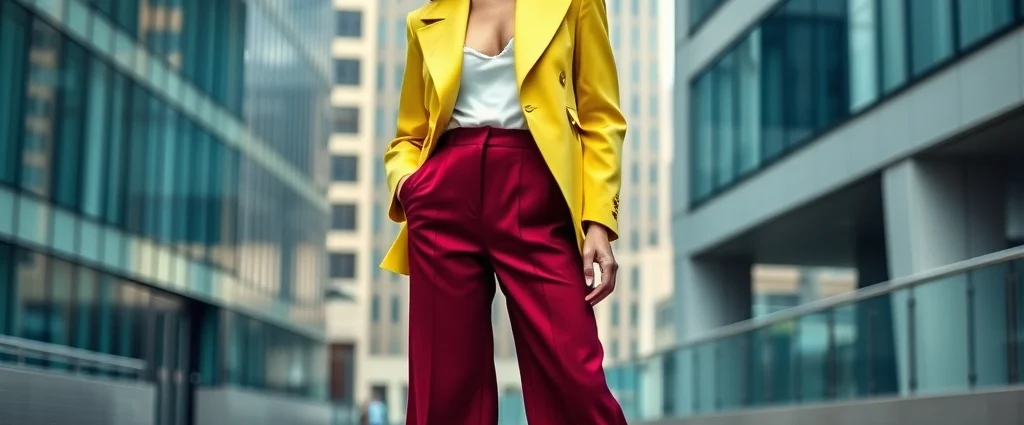
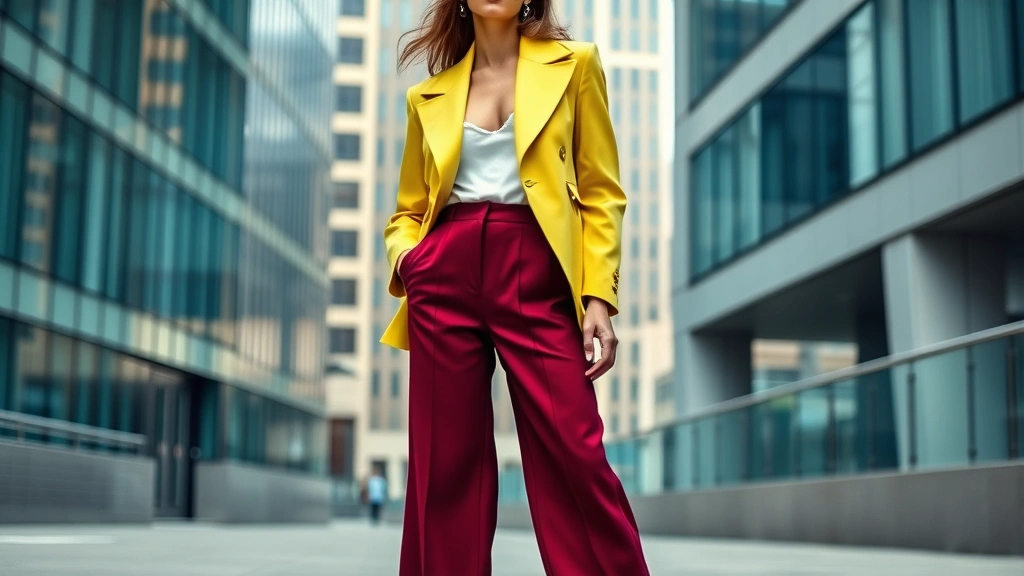
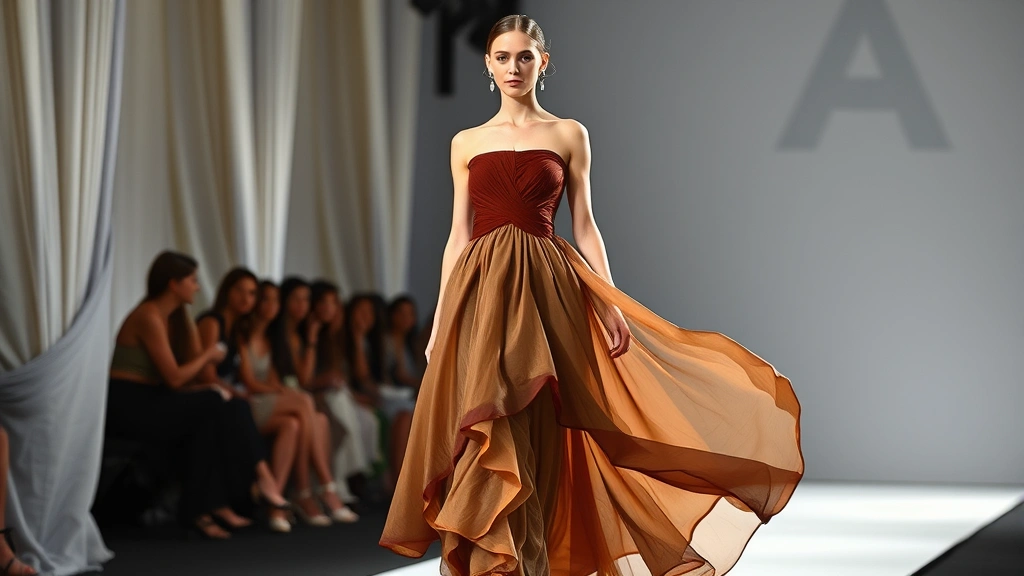
Chicago Fashion Week showcased an exhilarating departure from neutral color schemes, embracing vibrant, saturated hues and surprising color marriages that challenge conventional styling wisdom. Designers fearlessly combined colors previously considered incompatible, creating visually stunning combinations that felt fresh, contemporary, and distinctly bold.
Chartreuse paired with deep burgundy, electric blue contrasted with burnt orange, and unexpected pastels mixed with jewel tones dominated the runways. These adventurous color choices reflected broader cultural shifts toward self-expression, individuality, and the rejection of restrictive fashion “rules.” Fashion-forward individuals demonstrated confidence in their personal aesthetic choices, embracing color combinations that feel authentic to their unique style sensibilities.
The color trend trajectory observed at Chicago Fashion Week connects directly to autumn fashion trends, where deeper, richer tones traditionally dominate seasonal palettes. However, the event showcased how contemporary designers are reimagining seasonal color expectations, introducing unexpected brightness and saturation even as weather transitions toward cooler months.
Color psychology played a significant role in designer presentations. Vibrant hues communicated confidence, optimism, and creative rebellion, while unexpected combinations signaled fashion-forward thinking and individual style authority. Attendees and fashion editors recognized these color explorations as indicators of broader cultural movements toward authenticity and self-determined expression.
Experimental Silhouettes and Structural Innovation
Perhaps the most visually striking aspect of Chicago Fashion Week was the exploration of unconventional silhouettes that challenged traditional body-conscious design principles. Designers presented exaggerated proportions, unexpected asymmetry, dramatic volume distribution, and structural experiments that transformed how garments interact with the body.
Oversized blazers with dramatically extended shoulders paired with fitted, tapered trousers created striking visual contrast. Architectural evening gowns featured unexpected cutouts, asymmetrical hemlines, and three-dimensional elements that elevated garments into wearable art installations. These experimental silhouettes represented designers pushing boundaries, exploring new possibilities, and inviting wearers to embrace fashion as personal creative expression rather than conformity.
The silhouette innovations presented at Chicago Fashion Week demonstrated how contemporary design challenges traditional notions of flattery and appropriateness. Instead, designers prioritized innovation, individual expression, and the wearer’s confidence in carrying bold, unconventional shapes. This approach connects to broader movements toward casual chic fashion, where comfort, individuality, and authentic self-expression supersede rigid styling conventions.
Structural innovation wasn’t limited to evening wear. Daywear collections featured unexpected proportions, unexpected fabric combinations, and innovative construction techniques that transformed everyday clothing into statement pieces. Designers demonstrated how thoughtful structural choices elevate basic garments into fashion-forward essentials worthy of careful wardrobe integration.
Emerging Chicago Designers Making Waves
Chicago Fashion Week provided an invaluable platform for emerging designers to showcase their vision, creativity, and unique design perspectives to industry professionals and fashion media. Several rising talents demonstrated exceptional promise, combining technical excellence with distinctive creative voices that promise to influence fashion’s future direction.
These emerging designers brought fresh perspectives rooted in Chicago’s diverse cultural landscape, drawing inspiration from the city’s rich architectural heritage, vibrant music scenes, and multicultural communities. Their collections reflected authentic storytelling, personal heritage, and meaningful design narratives that resonated deeply with discerning fashion audiences seeking substance alongside style.
The emerging designer segment of Chicago Fashion Week emphasizes the importance of best fashion design schools in cultivating the next generation of creative talent. Many rising stars showcased at the event received training from prestigious fashion institutions, bringing theoretical knowledge, technical expertise, and innovative thinking to their independent design practices.
Supporting emerging designers represents an investment in fashion’s creative future. These talented individuals often offer fresh perspectives, challenge industry conventions, and introduce innovative approaches to design problems. Fashion enthusiasts who discover emerging talent early gain access to distinctive pieces before these designers achieve mainstream recognition, building unique wardrobes that reflect genuine discovery and personal style authority.
Streetwear Meets High Fashion
The continued blurring of boundaries between streetwear aesthetics and high fashion design remained evident throughout Chicago Fashion Week presentations. Luxury designers incorporated elements traditionally associated with street style—oversized silhouettes, athletic-inspired details, graphic elements, and casual construction techniques—into refined, sophisticated collections.
This fusion represents a fundamental democratization of fashion, where high-end design borrows liberally from grassroots street style movements. The result creates accessible luxury that feels contemporary, relatable, and distinctly modern. Designers demonstrated how streetwear influences could be elevated through premium material selection, impeccable construction quality, and sophisticated color palettes.
Hoodies transformed into evening wear through luxurious fabric choices and refined tailoring. Cargo pants received high-fashion treatment with intricate detailing and premium construction. Sneaker designs achieved luxury status through innovative material combinations and meticulous craftsmanship. This cross-pollination between streetwear and high fashion creates exciting opportunities for fashion enthusiasts to blend casual comfort with refined sophistication.
The streetwear-luxury fusion trend aligns with broader cultural movements toward authenticity and rejecting artificial fashion hierarchies. Contemporary fashion consumers increasingly reject the notion that style authority derives from rigid dress codes or traditional luxury markers. Instead, they embrace personal expression, comfort, and confidence as fundamental style principles, regardless of garment category or price point.
Statement Accessories and Jewelry Trends
Chicago Fashion Week highlighted the transformative power of statement accessories, with designers showcasing bold jewelry, distinctive bags, and eye-catching footwear that elevate even simple garments into complete, sophisticated looks. Accessories emerged as primary style vehicles, capable of communicating individual personality and fashion-forward thinking.
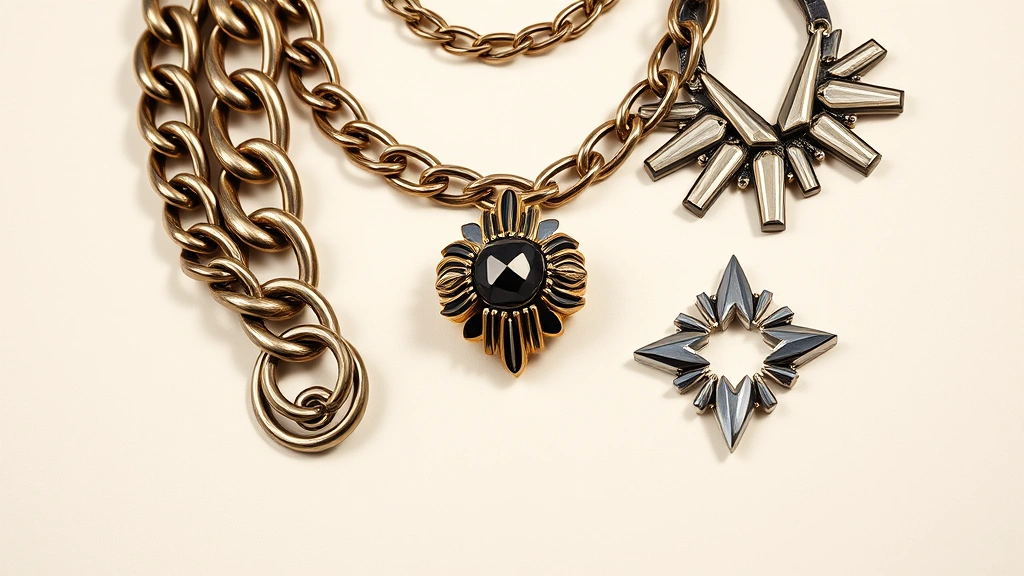
Oversized earrings, chunky chain necklaces, and sculptural rings dominated jewelry presentations. Bags featured architectural shapes, unexpected material combinations, and distinctive hardware details that transformed them into focal points rather than functional necessities. Footwear designs ranged from minimalist innovations to bold, statement-making styles that commanded attention and sparked conversation.
The emphasis on statement accessories reflects practical fashion wisdom: accessories offer the most cost-effective method for updating wardrobes, experimenting with trends, and expressing evolving style preferences. By investing in distinctive accessories, fashion enthusiasts can transform existing wardrobe pieces into fresh combinations, extending garment life and maximizing style versatility.
Chicago Fashion Week designers demonstrated how accessory choices communicate confidence, creativity, and style authority. Rather than allowing accessories to recede into background supporting roles, contemporary designers position them as essential style components worthy of thoughtful selection and prominent display. This perspective encourages fashion enthusiasts to approach accessory shopping with the same intentionality and consideration applied to clothing purchases.
Technology Integration in Fashion Design
An exciting emerging trend showcased at Chicago Fashion Week involved the integration of technology into fashion design, creating garments that combine aesthetic appeal with functional innovation. Designers experimented with smart fabrics, integrated technology, and innovative material science that blur boundaries between fashion and functionality.
Some presentations featured garments with temperature-regulating properties, moisture-wicking capabilities, and enhanced durability through advanced textile engineering. Others explored aesthetic technology integration, incorporating subtle digital elements that enhance visual appeal without compromising wearability or comfort. These innovations demonstrated how fashion design increasingly engages with scientific advancement and technological possibility.
The technology-fashion integration trend represents an exciting frontier for fashion enthusiasts interested in combining style with practical functionality. As designers continue exploring technological possibilities, fashion consumers gain access to garments offering enhanced performance, increased durability, and innovative features that improve daily wearability while maintaining aesthetic sophistication.
This trend also reflects broader cultural shifts toward sustainability, as technologically enhanced garments often demonstrate increased longevity and superior performance characteristics, reducing replacement frequency and overall consumption. Investing in technology-enhanced pieces represents both a style choice and a sustainability commitment, aligning personal fashion preferences with environmental consciousness.
Incorporating Chicago Trends Into Your Personal Style
Understanding Chicago Fashion Week trends offers valuable inspiration for building a contemporary wardrobe that reflects current fashion direction while maintaining authentic personal style. The key to successfully incorporating runway trends involves thoughtful curation, honest self-assessment, and strategic integration rather than wholesale trend adoption.
Start by identifying which Chicago Fashion Week trends genuinely resonate with your aesthetic preferences and lifestyle requirements. Perhaps bold color combinations excite you, or maybe experimental silhouettes feel intimidating. Select trends that align with your authentic style preferences, body comfort, and daily lifestyle needs. This selective approach ensures trend integration feels genuine rather than forced or inauthentic.
Consider exploring casual chic fashion principles when integrating Chicago Fashion Week trends into everyday wardrobes. The event emphasized how runway innovations translate into wearable, practical pieces that enhance daily style without requiring complete wardrobe overhauls. Casual chic fashion celebrates the intersection of comfort, sophistication, and authentic self-expression.
Accessories offer the most accessible entry point for trend experimentation. Begin by incorporating statement accessories that reflect Chicago Fashion Week color palettes, silhouettes, or design innovations. Bold earrings, distinctive bags, or eye-catching shoes allow trend exploration without significant financial commitment or wardrobe disruption. As you grow more comfortable with trend integration, gradually introduce additional pieces that align with your evolving style preferences.
Building a cohesive personal style informed by Chicago Fashion Week trends involves understanding how individual pieces interact within complete outfits. Rather than collecting isolated trend pieces, thoughtfully consider how new garments combine with existing wardrobe items, creating harmonious, sophisticated ensembles that communicate intentional style choices.
Visit StyleLoom Daily Blog for additional inspiration on translating runway trends into wearable, personal style. The blog offers practical guidance on trend integration, style experimentation, and building wardrobes that reflect authentic individual preferences while remaining fashion-forward and contemporary.
For those interested in exploring specific trend categories, Fashion Nova Dresses showcases contemporary silhouettes and bold style choices that align with Chicago Fashion Week’s emphasis on self-expression and fashion confidence. Additionally, understanding autumn fashion trends helps contextualize Chicago Fashion Week’s color and silhouette innovations within seasonal fashion evolution.
FAQ
What is Chicago Fashion Week and when does it occur?
Chicago Fashion Week is a prestigious biannual fashion event showcasing designer collections, emerging talent, and industry innovations. The event typically occurs in spring and fall, attracting fashion professionals, media, retailers, and style enthusiasts from across North America and internationally. The event serves as a platform for established designers to present new collections and emerging designers to gain industry exposure and recognition.
How can I attend Chicago Fashion Week?
Attendance varies by event structure and specific show categories. Industry professionals typically receive invitations based on professional credentials, media affiliations, or retail partnerships. Some Chicago Fashion Week events offer public attendance opportunities, allowing fashion enthusiasts to experience runway shows and designer presentations. Check official Chicago Fashion Week communications for current attendance information, ticket availability, and registration procedures.
Which Chicago Fashion Week trends are most wearable for everyday style?
Bold color combinations and statement accessories offer the most accessible trend integration for everyday wardrobes. Emerging silhouettes, while visually striking on runways, may require more intentional styling and personal confidence for daily wear. Begin with accessory-based trend experimentation, gradually introducing silhouette and color innovations as you develop comfort and confidence with trend integration.
How do Chicago Fashion Week trends influence retail fashion?
Chicago Fashion Week trends significantly influence retail buyers, designer collections, and fashion retail assortments. Retailers attend the event to identify emerging trends, assess designer collections, and make purchasing decisions for upcoming seasons. Trends showcased at Chicago Fashion Week typically appear in retail environments within 3-6 months, allowing consumers to access runway-inspired pieces through various price points and retail channels.
Should I follow every Chicago Fashion Week trend?
Absolutely not. Authentic personal style involves selective trend integration aligned with individual preferences, body comfort, and lifestyle requirements. Choose trends that genuinely resonate with your aesthetic sensibilities rather than forcing adoption of every runway presentation. The most stylish individuals combine trend awareness with personal style confidence, creating distinctive looks that reflect authentic preferences rather than unthinking trend following.
How do sustainable practices influence Chicago Fashion Week design?
Sustainability has become central to Chicago Fashion Week design philosophy, with designers increasingly prioritizing eco-friendly materials, ethical production practices, and longevity-focused design principles. The event emphasizes that luxury and environmental consciousness coexist, encouraging consumers to consider production methods, material sourcing, and ethical labor practices alongside aesthetic preferences when making fashion investments.
What role do emerging designers play in Chicago Fashion Week?
Emerging designers receive invaluable industry exposure through Chicago Fashion Week participation, gaining access to retail buyers, fashion media, and style influencers. The event provides a launching platform for rising talent, allowing new designers to establish professional credibility, build media relationships, and gain customer awareness. Supporting emerging designers contributes to fashion’s creative future while offering access to distinctive, innovative design perspectives.