
Old Fashioned Charm: Bartender’s Bourbon Guide
There’s something undeniably sophisticated about nursing an Old Fashioned, a cocktail that transcends mere refreshment to become a statement of refined taste and timeless elegance. The drink itself is a masterclass in simplicity and balance, and when crafted with premium bourbon like Bulleit, it transforms into an experience that speaks volumes about personal style and discernment. Just as finding your personal style requires understanding the fundamentals, mastering the Old Fashioned demands knowledge of its essential components and the bourbon that makes it sing.
The Old Fashioned represents more than a cocktail—it’s a cultural icon that has graced the hands of literary characters, silver screen legends, and modern tastemakers alike. In recent years, this classic drink has experienced a renaissance, with bartenders and bourbon enthusiasts worldwide rediscovering its elegant simplicity. The resurgence mirrors broader trends in lifestyle and fashion style, where vintage aesthetics and timeless pieces command renewed respect in an age of fleeting trends. Bulleit Bourbon, with its distinctive high-rye formula and bold character, has become the choice spirit for those who appreciate authenticity and craftsmanship.
This comprehensive guide explores the art of crafting the perfect Old Fashioned with Bulleit Bourbon, examining the spirit’s heritage, the technique behind the drink, and how this cocktail embodies a lifestyle philosophy that celebrates elegance and restraint. Whether you’re a seasoned bartender or an enthusiast looking to elevate your home bar, understanding the nuances of this classic will deepen your appreciation for one of cocktail culture’s most enduring creations.
Bulleit Bourbon: Heritage and Character
Bulleit Bourbon stands as a testament to American whiskey craftsmanship, with roots tracing back to 1830s Kentucky. The brand’s distinctive character emerges from its high-rye mashbill—a formula that distinguishes it from many competitors and contributes to its spicy, complex flavor profile. Unlike bourbons heavy on corn, Bulleit’s rye-forward approach delivers a sharper, more pronounced grain character that cuts through mixers while maintaining bourbon’s inherent sweetness and vanilla notes.
The spirit’s bold personality makes it particularly suited for the Old Fashioned, where its assertiveness doesn’t get lost in dilution and ice. At 90 proof, Bulleit offers sufficient alcohol content to stand up to the drink’s other components while remaining accessible to those who prefer balance over intensity. The bourbon’s amber hue, reminiscent of autumn leaves and vintage leather, adds visual appeal to the finished cocktail—an important consideration when exploring types of fashion and lifestyle presentation.
Tasting Bulleit neat reveals notes of caramel, oak, and pepper, with a warming finish that builds gradually. These characteristics inform how the bourbon behaves in cocktails, suggesting that it pairs beautifully with simple ingredients rather than complex mixers. The bourbon’s transparency in the Old Fashioned allows each element—sugar, bitters, citrus oils—to shine while contributing its own sophisticated voice to the composition.
Old Fashioned Fundamentals
The Old Fashioned belongs to a category of cocktails known as “sours” or “spirit-forward” drinks, where the spirit provides the dominant flavor profile rather than playing supporting role to mixers and juices. The drink’s formula, established in the late 19th century at the Pendennis Club in Louisville, Kentucky, consists of bourbon, sugar, water, bitters, and a citrus garnish. Its elegance derives from restraint—there are no extraneous ingredients, no complicated techniques, only the fundamental elements orchestrated to perfection.
The sugar component traditionally appears as a cube, though simple syrup has become increasingly common in modern bars. The decision between these options affects both texture and dissolution rate. A sugar cube requires muddling—a technique that gently bruises the sugar to encourage dissolution while releasing aromatic oils from any citrus peel used. Simple syrup, conversely, requires no muddling and provides immediate sweetness, allowing the bartender to focus on temperature and dilution.
Angostura bitters serve as the drink’s aromatic foundation, contributing herbal, spiced notes that complement bourbon’s vanilla and oak characteristics. A few dashes—typically two to four—provide depth without overwhelming the spirit’s inherent flavors. The bitters act as a bridge between the bourbon and sugar, creating harmonic complexity that elevates the drink beyond a simple spirit-and-sweetener combination.
Water, often overlooked, plays a crucial role in the Old Fashioned. Dilution softens the bourbon’s alcohol burn, opens its flavor compounds, and creates the proper texture for sipping. The ratio of spirit to dilution varies among bartenders, but most agree that the drink should contain roughly 1.5 ounces of bourbon with sufficient ice and water to achieve a silky mouthfeel without becoming watered down.
Craft and Technique
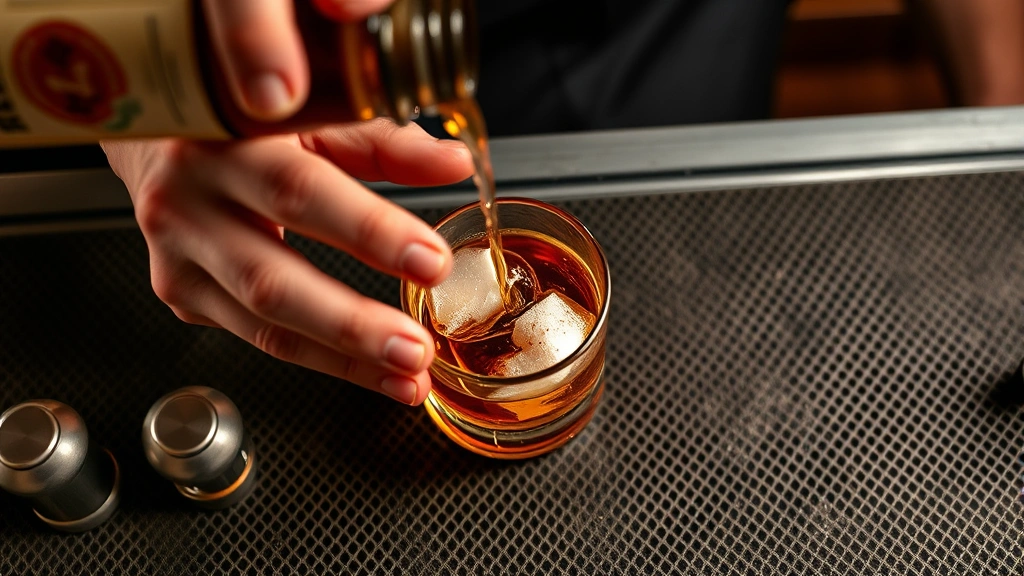
Crafting an exceptional Old Fashioned requires attention to detail and understanding of how each element contributes to the final product. The process begins with selecting appropriate glassware—traditionally a rocks glass or old fashioned glass, holding six to eight ounces. The vessel’s weight and thickness contribute to the drink’s sensory experience, suggesting durability and quality.
Temperature control proves paramount in cocktail crafting. The ice should be large, preferably a single cube or several large pieces that melt slowly, maintaining proper dilution throughout the drinking experience. Crushed or small ice melts too quickly, diluting the drink excessively and creating a watered-down final sip. Many bartenders employ ice molds or purchase specialty ice, recognizing that this seemingly minor detail significantly impacts quality.
The preparation sequence matters considerably. Begin by placing the sugar (or adding simple syrup) into the glass, then add two to four dashes of Angostura bitters. Some bartenders express an orange peel over the mixture to release its oils, creating an aromatic introduction. Add a small amount of water—approximately half an ounce—and stir gently to combine and partially dissolve the sugar. This step creates a foundation upon which the bourbon will rest.
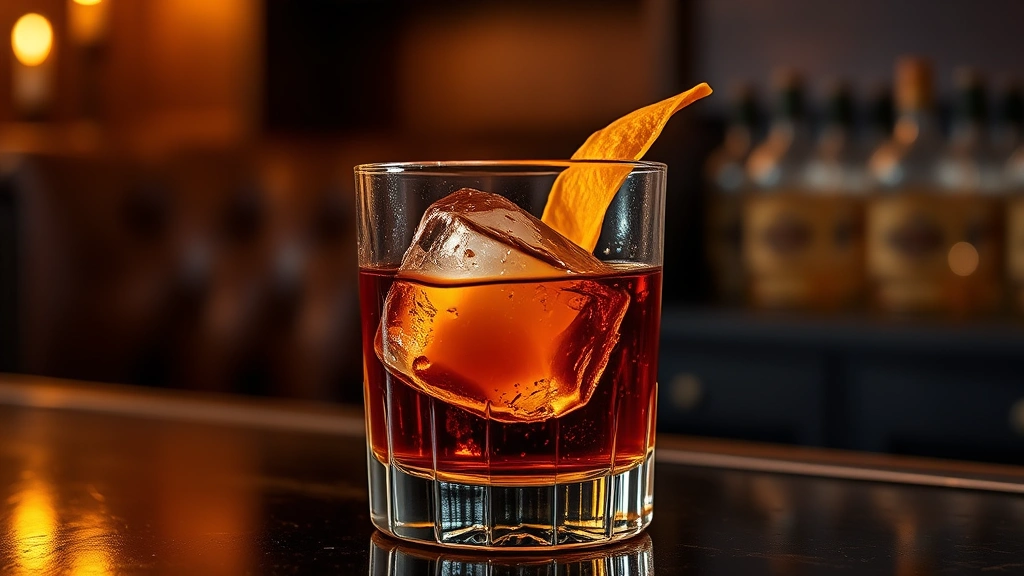
Add the Bulleit Bourbon, typically 1.5 to 2 ounces depending on preference and bar standards. Stir well with a bar spoon, allowing the spirit to incorporate fully with the prepared base. Finally, add large ice and give the drink a final, gentle stir. The finished cocktail should appear amber and slightly viscous, with a silky mouthfeel and balanced sweetness. A twist of orange peel, expressed over the surface, provides both aroma and a sophisticated visual presentation.
Many bartenders debate the merits of muddling versus not muddling. The traditional method involves muddling a sugar cube with bitters and a small amount of water, creating a paste-like mixture before adding bourbon. This technique releases citrus oils and creates a textural element that some find more authentic. However, modern bartenders often skip muddling, finding that quality simple syrup incorporates more cleanly without the risk of over-muddling and creating undesirable texture.
Style and Sophistication
The Old Fashioned carries cultural weight that extends far beyond its ingredients. The drink symbolizes a particular approach to life—one that values quality, tradition, and understated elegance. Those who order an Old Fashioned in contemporary settings often signal an appreciation for fashion history and timeless style, rejecting trendy cocktails in favor of proven excellence.
This aesthetic mirrors broader lifestyle trends where vintage and heritage brands command respect. Just as 90s fashion has experienced revival through appreciation for its authenticity, classic cocktails have regained prominence as people seek substance over novelty. The Old Fashioned represents a rejection of unnecessary complexity, a philosophy that extends to personal style, home decor, and consumer choices generally.
The ritual surrounding the Old Fashioned contributes significantly to its appeal. The deliberate preparation, the careful measurement of ingredients, the intentional garnish—these elements transform a simple drink into a ceremony. In our fast-paced world, the Old Fashioned demands presence and attention, encouraging drinkers to slow down and savor the moment. This mindfulness aligns with contemporary wellness trends and the growing desire for meaningful experiences rather than mere consumption.
Visually, the Old Fashioned presents beautifully. The amber spirit, the gleam of ice, the aromatic orange peel—these elements create an image of sophistication that photographs well and conveys a sense of refined taste. The drink looks elegant in hand, suggesting maturity and discernment to observers. This visual language communicates something about the person holding the glass, much as clothing and accessories convey personal style and values.
Variations and Innovations
While the classic Old Fashioned maintains its essential character, bartenders have developed thoughtful variations that respect tradition while exploring new territory. The Sazerac-style Old Fashioned substitutes rye whiskey for bourbon, creating a spicier, more assertive drink that highlights different botanical notes. The Whiskey Smash incorporates fresh lemon juice and mint, adding brightness and herbal complexity while maintaining the spirit-forward approach.
Some bars prepare Fat-Washed Old Fashioneds, infusing bourbon with bacon fat or other ingredients to create a savory dimension that intrigues adventurous drinkers. Others experiment with Smoked Old Fashioneds, exposing the finished drink to wood smoke to add another layer of complexity. These variations demonstrate that respect for tradition doesn’t preclude innovation—rather, it provides a foundation from which thoughtful experimentation can proceed.
The Bulleit Bourbon Old Fashioned specifically benefits from the spirit’s high-rye character. Some bartenders enhance this by adding a dash of rye-focused bitters or incorporating a small amount of dry vermouth, which amplifies the spice notes and creates a more savory expression. Others experiment with different sweetening agents—honey, maple syrup, or demerara sugar—each contributing subtle flavor shifts that complement Bulleit’s bold profile.
Home Bar Essentials
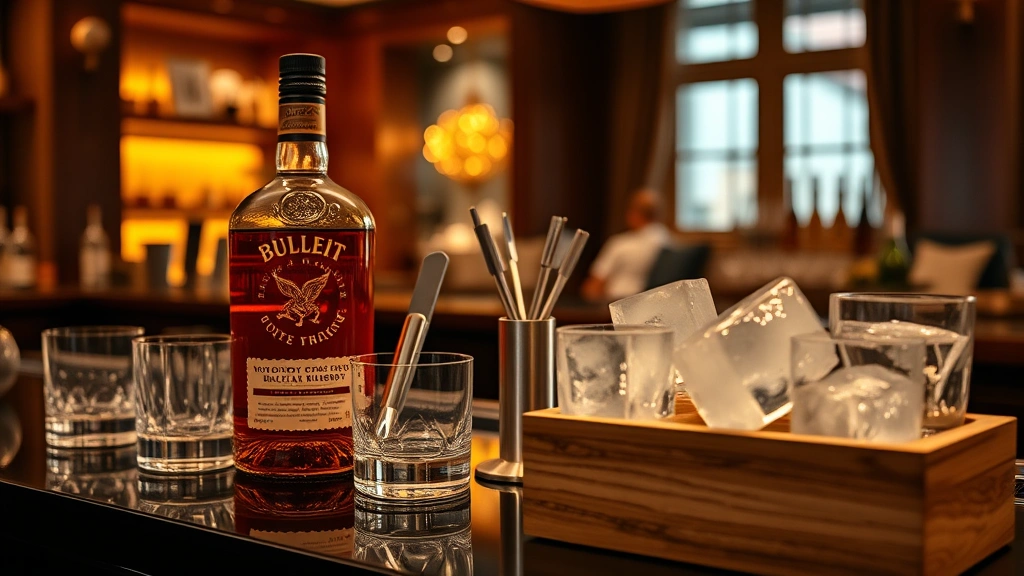
Establishing a functional home bar needn’t require extensive inventory. For Old Fashioned enthusiasts, quality and intention matter more than quantity. Begin with a bottle of Bulleit Bourbon—a 750ml bottle provides approximately 25 cocktails, making it an economical investment for regular drinkers. The spirit’s versatility ensures it performs well in other cocktails should you branch beyond Old Fashioneds.
Angostura bitters represent an essential purchase, available at most liquor stores and online retailers. A single bottle lasts years due to the small quantities used per drink. Consider keeping a second bitters option—perhaps Peychaud’s or orange bitters—to explore variations and expand your cocktail repertoire. These small bottles occupy minimal space while providing significant versatility.
A quality bar spoon facilitates proper mixing and looks elegant in hand. Unlike ordinary spoons, bar spoons feature long handles and weighted bowls designed for cocktail preparation. Invest in a proper model rather than substituting kitchen utensils. Similarly, a jigger for accurate measurement ensures consistency and prevents over-pouring.
Large ice represents perhaps the most important element for home bars. Invest in a quality ice mold or purchase clear ice from specialty retailers. The difference between properly-sized ice and standard ice cubes significantly impacts the drinking experience. Consider keeping a bar towel nearby for gripping cold glasses and a channel knife or vegetable peeler for cutting citrus twists.
A good rocks glass elevates the experience considerably. Look for vessels with substantial weight and thickness, made from high-quality glass rather than thin material. Some enthusiasts collect multiple glasses, enjoying the aesthetic variety while maintaining functional superiority. The visual presentation of the finished drink matters—choosing attractive glassware demonstrates respect for the ritual.
Pairing and Occasions
The Old Fashioned suits particular moments and settings with natural grace. As an aperitif, it stimulates the palate before dinner, the bitters and bourbon working together to awaken the senses. The drink pairs beautifully with cigar smoking, the bourbon’s vanilla and caramel notes complementing tobacco’s earthiness and spice. Many upscale establishments pair Old Fashioneds with cigars as an evening experience, creating a ritualistic social occasion.
Alternatively, the Old Fashioned serves as an excellent after-dinner digestif, the bourbon’s warmth settling the stomach while the drink’s complexity provides intellectual engagement. The contemplative nature of sipping an Old Fashioned makes it ideal for conversation, business discussions, or solitary reflection. Unlike cocktails requiring rapid consumption, the Old Fashioned encourages leisurely enjoyment.
Seasonally, the Old Fashioned transitions beautifully between seasons. In winter, the warming alcohol and spiced bitters provide comfort. In autumn, the bourbon’s caramel notes echo the season’s aesthetic. Spring and summer variations incorporating fresh citrus or floral bitters adapt the classic to warmer months. This versatility ensures the Old Fashioned remains relevant year-round, unlike seasonal cocktails that feel dated outside their intended months.
The drink suits formal occasions—business dinners, celebrations, sophisticated gatherings—while remaining appropriate for casual settings when prepared with care. A bartender or host who offers an expertly-crafted Old Fashioned demonstrates hospitality and respect for guests’ time and palates. The drink communicates thoughtfulness, suggesting the host or bartender cares about quality and craftsmanship.
FAQ
What makes Bulleit Bourbon particularly suited for Old Fashioneds?
Bulleit’s high-rye mashbill creates a spicier, more assertive bourbon than corn-heavy competitors. This bold character doesn’t disappear in the cocktail, maintaining presence alongside bitters and sugar. The 90-proof alcohol content provides sufficient strength to withstand dilution while remaining approachable. The bourbon’s vanilla and caramel notes complement the drink’s sweet elements, creating harmonious balance.
Should I use a sugar cube or simple syrup?
Both approaches produce excellent results. Sugar cubes offer traditional authenticity and require muddling, which many bartenders find ritualistic and appealing. Simple syrup provides convenience and cleaner incorporation without muddling risks. Choose based on personal preference—neither approach is objectively superior, though some traditionalists insist on sugar cubes for historical accuracy.
How much ice should I use?
Use large ice pieces—ideally one substantial cube or several large chunks. Large ice melts slowly, providing gradual dilution throughout the drinking experience. The drink should contain enough ice to fill the glass, typically requiring 2-3 ounces of ice by volume. Never use crushed ice, which melts too rapidly and creates unwanted dilution.
What’s the proper spirit-to-dilution ratio?
Most bartenders use 1.5 to 2 ounces of bourbon per drink. The final cocktail should feel silky and slightly viscous, not thin or watery. Dilution typically accounts for 0.5 to 1 ounce of water from melting ice, though personal preference varies. Taste and adjust according to your preferences—some prefer stronger drinks, others prefer more dilution.
Can I make Old Fashioneds in advance for parties?
Avoid pre-mixing Old Fashioneds, as they deteriorate quickly. The sugar may not fully dissolve, and dilution becomes inconsistent. Instead, prepare the sugar-bitters base in advance, then add bourbon and ice individually when serving. This approach maintains quality while reducing preparation time during events.
What’s the difference between expressing and twisting citrus?
Expressing involves squeezing the peel over the drink to release oils, typically without dropping the peel in. Twisting describes wrapping the peel around a bar spoon or your finger to express oils while creating a decorative spiral. Both techniques release aromatic compounds that enhance the drinking experience. The choice is aesthetic and personal.
Should I stir or shake an Old Fashioned?
Always stir, never shake. Shaking incorporates excessive air, creating unwanted dilution and a foamy texture unsuitable for spirit-forward cocktails. Stirring properly mixes ingredients while maintaining a silky, elegant mouthfeel. Use a bar spoon and stir smoothly for 15-20 seconds, allowing proper integration and temperature reduction.
What are some quality alternatives to Bulleit Bourbon?
Other excellent options include Woodford Reserve, known for its sophisticated balance; Four Roses, offering approachable smoothness; and Maker’s Mark, featuring wheated bourbon’s softer profile. Each brings different characteristics to the Old Fashioned. Experiment with various bourbons to discover your preference—the classic’s beauty lies in how different spirits create distinct experiences while maintaining the drink’s essential character.