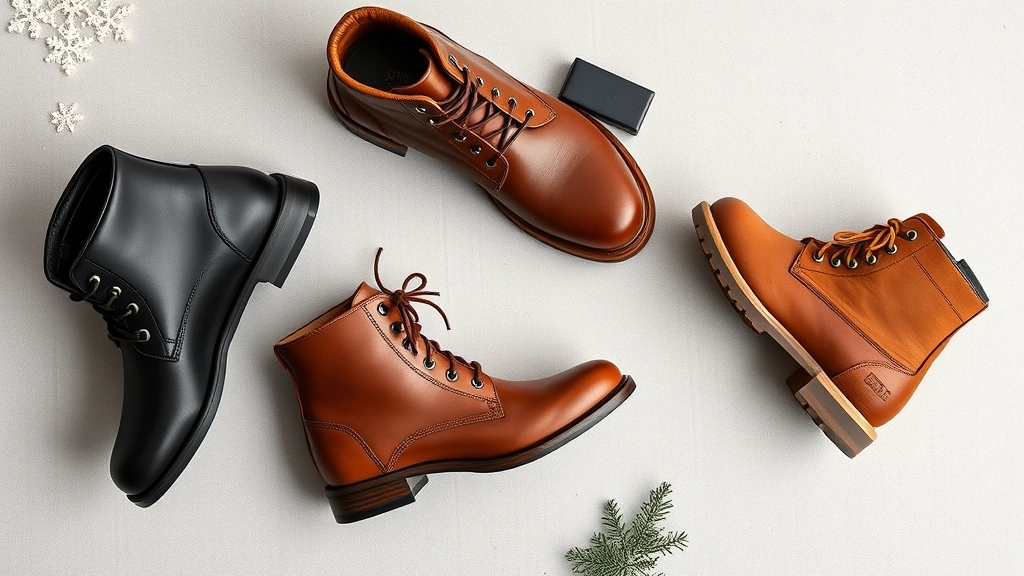
Best Men’s Boots for Winter: Expert Picks for Every Style
Winter demands more than just warmth—it demands style. When temperatures drop, your footwear becomes the foundation of your entire seasonal wardrobe, and choosing the right men’s boots can transform your cold-weather aesthetic from functional to fashion-forward. Whether you’re navigating icy city streets, hiking snowy trails, or simply elevating your everyday winter look, the perfect pair of boots serves as both a practical necessity and a powerful style statement.
The intersection of form and function has never been more important in men’s fashion than when selecting winter boots. Today’s market offers an unprecedented variety of styles, materials, and technologies designed to keep your feet warm while ensuring you look impeccable. From classic leather lace-ups to contemporary Chelsea styles, waterproof hiking boots to sleek desert boots, understanding your options empowers you to make an investment that aligns with both your lifestyle and personal aesthetic.
This comprehensive guide explores the best men’s boots for winter, drawing on expert recommendations and current fashion trends. We’ll examine the styles that matter most, the materials that perform best, and how to select boots that complement your wardrobe while providing the durability and comfort you deserve.
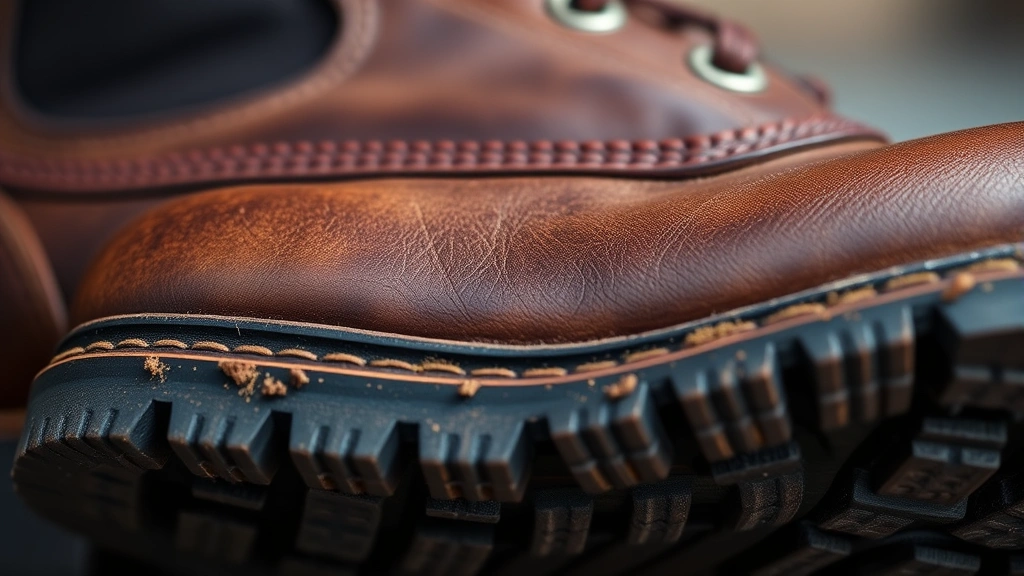
Essential Winter Boot Styles Every Man Should Know
Understanding the primary categories of winter boots helps you identify which styles align with your lifestyle and aesthetic preferences. Each category serves distinct purposes while offering various design possibilities that reflect current personal style approaches.
Combat and Military Boots represent one of winter’s most versatile categories. These lace-up designs feature sturdy construction, typically extending above the ankle with reinforced soles designed for traction on icy surfaces. Modern combat boots have evolved significantly from their military origins, now incorporating contemporary aesthetics that appeal to fashion-conscious men. The rugged silhouette pairs beautifully with skinny jeans, cargo pants, or tailored trousers, making them exceptionally adaptable across multiple occasions.
Chelsea Boots offer sophisticated elegance for men seeking refined winter footwear. Characterized by elastic side panels and pull-on construction, Chelsea boots eliminate the need for laces while maintaining a sleek profile. The elastic allows for easy entry and exit, and the streamlined shape works exceptionally well with everything from business casual to smart-casual settings. Premium versions crafted from full-grain leather develop beautiful patinas over time, making them investments that improve with age.
Hiking and Outdoor Boots have transcended their purely functional origins to become legitimate fashion statements. Advanced waterproofing technologies, insulated linings, and aggressive tread patterns combine with contemporary design elements that make these boots suitable for urban environments. Men who value both performance and aesthetics increasingly choose hiking boots as their primary winter footwear, appreciating the comfort and weather protection these styles provide.
Chukka Boots occupy a middle ground between casual and formal, featuring mid-ankle height with two or three eyelets for lacing. Originally designed for polo players, chukkas now serve as versatile everyday boots perfect for transitional weather and layered winter outfits. The desert boot aesthetic appeals to men seeking something more refined than athletic boots but less formal than dress boots.
Dress Boots elevate formal winter occasions with polished leather, refined construction, and classic silhouettes. Whether featuring cap toes, side zippers, or traditional lace closures, dress boots maintain professionalism while providing necessary warmth. These pieces prove essential for men who navigate professional environments during winter months.
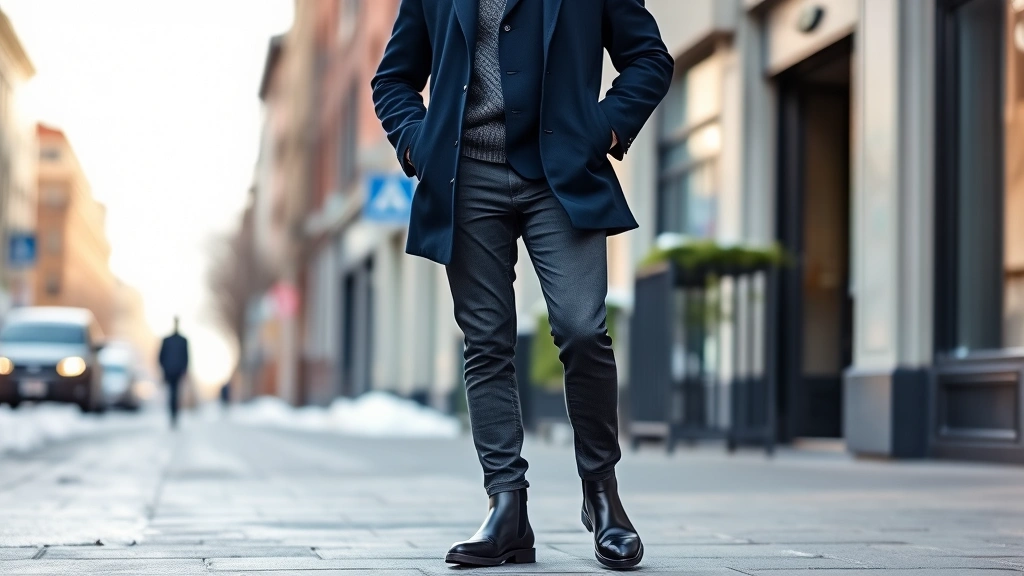
Material Matters: Choosing Durable, Weather-Resistant Fabrics
The material composition of your winter boots directly impacts their performance, longevity, and aesthetic appeal. Selecting appropriate materials ensures your investment provides years of reliable service while maintaining its visual impact.
Full-Grain Leather remains the gold standard for premium winter boots. This natural material develops character over time, showing scratches and scuffs that contribute to authentic patina rather than detracting from appearance. Full-grain leather breathes better than synthetic alternatives, prevents excessive moisture accumulation, and can be treated with quality conditioners and waterproofing products. The material’s inherent durability means well-maintained leather boots often outlast synthetic options by years or even decades.
Suede and Nubuck offer luxurious tactile experiences and sophisticated aesthetics, though they require more careful maintenance than full-grain leather. These materials absorb moisture more readily, making them better suited for dry winter climates. Protective sprays specifically formulated for suede can significantly enhance water resistance, and regular brushing maintains their characteristic soft appearance.
Waterproof Membranes and Linings have revolutionized winter boot performance. Technologies like Gore-Tex create breathable barriers that prevent moisture penetration while allowing perspiration to escape, keeping feet dry and comfortable throughout extended wear. Modern boots often combine waterproof linings with insulated materials, creating microenvironments that maintain optimal temperature regulation.
Insulation Technologies vary considerably across brands and price points. Thinsulate, PrimaLoft, and similar synthetic insulators provide warmth without excessive bulk, maintaining boot aesthetics while delivering serious temperature protection. Down insulation offers premium warmth but requires careful waterproofing to prevent moisture degradation.
Sole Construction significantly impacts traction and comfort during winter months. Vibram soles represent the industry standard for outdoor boots, offering superior grip on ice and snow. Lugged soles with aggressive tread patterns provide better traction than smooth designs, while oil-resistant rubbers prevent deterioration from road salt and winter chemicals.
Top Expert-Recommended Brands and Collections
Industry experts and fashion authorities consistently recommend specific brands known for combining quality construction with contemporary design. These Vogue-approved selections represent the intersection of style and substance.
Timberland has become synonymous with quality winter footwear, particularly their iconic yellow boots which have transcended their original purpose to become genuine fashion statements. Modern Timberland collections incorporate premium leather, advanced insulation, and contemporary silhouettes that appeal to style-conscious men. Their commitment to sustainability and ethical manufacturing adds another dimension to their appeal.
Red Wing Shoes represent American craftsmanship at its finest. Each pair undergoes rigorous quality control, and their commitment to heritage construction methods ensures exceptional durability. Red Wing boots develop remarkable character over time, and the brand’s resoling program allows owners to refresh their boots indefinitely.
Sorel specializes in extreme-weather footwear, combining insulation technology with waterproofing that few competitors match. Their boots function beautifully in severe winter conditions while maintaining contemporary aesthetics that appeal beyond outdoor enthusiasts.
Dr. Martens offer rebellious style combined with surprising comfort. Their iconic air-cushioned soles provide shock absorption, and the brand’s distinctive aesthetic has influenced fashion culture for decades. Modern Dr. Martens collections feature various heights and styles suitable for different occasions and weather conditions.
Thursday Boot Company delivers premium quality at accessible price points, proving that exceptional boots don’t require luxury pricing. Their transparent manufacturing process and commitment to quality materials have earned significant respect within the industry.
How to Style Winter Boots with Your Wardrobe
Selecting excellent boots represents only half the equation—integrating them seamlessly into your existing wardrobe ensures maximum wearability and visual impact. Understanding styling principles transforms boots from mere footwear into coordinated fashion statements. Consider exploring layering techniques that complement boot selections.
Proportions and Silhouettes form the foundation of boot styling. Slim-fit jeans work beautifully with sleek Chelsea boots or combat boots, creating elongated lines that emphasize leg length. Relaxed or tapered pants pair equally well with chunkier hiking boots or lug-soled styles. The key principle involves balancing boot volume with pant proportions—slimmer boots suit fitted pants, while more substantial boots coordinate better with relaxed or cropped silhouettes.
Color Coordination expands beyond simple matching. Black boots represent the most versatile option, coordinating with virtually every winter color palette. Brown leather boots offer warm sophistication, working beautifully with earth tones, navy, and charcoal. Tan and cognac shades provide lighter alternatives that prevent visual heaviness in all-dark winter outfits. Neutral boot colors allow pants and upper body pieces to command attention.
Occasion Appropriateness requires thoughtful consideration. Polished Chelsea boots and dress boots suit professional environments, business casual settings, and formal occasions. Combat boots and hiking boots transition more easily into casual and creative contexts. Understanding your lifestyle helps determine which styles deserve investment priority.
Seasonal Layering influences boot selection and styling. Heavier insulated boots pair naturally with thick winter coats, creating cohesive proportions. As weather warms slightly, transitioning to lighter boots with thinner insulation allows for more varied outfit combinations. This evolution of seasonal fashion reflects broader historical patterns in how men adapt their wardrobes to changing conditions.
Sock Selection deserves attention despite often being overlooked. Merino wool socks provide superior moisture-wicking and temperature regulation compared to cotton alternatives. Crew-length socks in neutral colors create seamless transitions between pants and boots, while patterned socks offer subtle personality expression when visible. Thickness should match boot insulation—thicker socks work better in heavily insulated boots, while thinner socks suit lightly insulated styles.
Care and Maintenance for Long-Lasting Investment Pieces
Premium winter boots represent significant investments that deserve proper maintenance to ensure longevity and continued aesthetic appeal. Establishing consistent care routines extends boot lifespan dramatically while preserving their character and functionality.
Regular Cleaning prevents salt, dirt, and debris from accumulating and damaging materials. After each wear, particularly in salty winter conditions, wipe boots with a damp cloth to remove surface contaminants. For stubborn dirt, soft brushes work effectively without damaging leather or suede. Allow boots to air-dry naturally away from direct heat sources—radiators and heaters can crack leather and degrade adhesives.
Conditioning and Waterproofing maintain material integrity and weather resistance. Leather conditioners restore oils that winter weather depletes, preventing cracking and maintaining suppleness. Waterproofing treatments specifically formulated for your boot material create protective barriers that repel moisture while allowing breathability. Reapply these treatments seasonally or when you notice water beading decreasing.
Insole and Lining Care preserves comfort and hygiene. Removable insoles should be dried separately after wet conditions to prevent mold growth and odor development. Moisture-wicking insoles designed for winter boots outperform standard options, and replacements remain relatively inexpensive compared to resoling.
Professional Resoling extends boot lifespan substantially when soles wear through. Quality cobblers can resole boots multiple times over decades, making this service essential for premium footwear. Addressing heel wear before soles deteriorate completely prevents more expensive structural damage.
Storage Considerations matter during off-season months. Store boots in cool, dry environments with boot trees or newspaper inside to maintain shape. Avoid plastic bags that trap moisture—breathable storage solutions prevent mold and mildew. Remove insoles and allow complete drying before storage to prevent bacterial growth and odor development.
The investment in proper maintenance pays dividends through extended boot life and maintained appearance. Well-maintained boots often become more attractive with age, developing character that new boots cannot replicate. This philosophy of caring for quality possessions aligns with broader contemporary fashion movements emphasizing sustainability and intentional consumption.
Understanding boot construction helps identify which maintenance approaches work best. Glued soles may eventually require professional reattachment, while welted construction allows for repeated resoling. Boots with visible stitching benefit from occasional thread inspection to catch potential issues before they worsen.
FAQ
What’s the difference between waterproof and water-resistant boots?
Waterproof boots prevent all moisture penetration, making them ideal for extended exposure to wet conditions. Water-resistant boots repel water initially but eventually allow moisture through with prolonged exposure. For serious winter conditions, waterproof boots provide superior protection, though they may feel less breathable than water-resistant alternatives.
How should winter boots fit?
Winter boots should fit snugly around the heel and midfoot while allowing enough toe room for thick socks without compression. Your heel shouldn’t slip during walking, and you should have approximately one finger’s width of space between your longest toe and boot end. Insulated boots often fit slightly roomier than summer footwear to accommodate thermal socks.
Are expensive boots always better than affordable options?
Price doesn’t always guarantee superior quality, though premium brands typically invest more in materials and construction. Mid-range boots from reputable manufacturers often outperform expensive fashion boots lacking serious engineering. Consider your specific needs, expected lifespan, and maintenance commitment when evaluating price versus value.
Can you wear winter boots in spring?
Lighter insulated boots transition well into spring, though heavily insulated winter boots may feel too warm. Uninsulated waterproof boots work beautifully for spring’s unpredictable weather. Choosing versatile styles in neutral colors ensures broader seasonal wearability.
How often should you replace winter boots?
Quality boots with proper maintenance last 5-10 years or longer. Signs of necessary replacement include sole separation, persistent water leakage despite waterproofing treatment, and structural damage affecting support. Many premium boots can be resoled multiple times, making replacement less necessary than with cheaper alternatives.
What boot style works best for business casual environments?
Chelsea boots and chukka boots excel in business casual settings, offering sophistication without excessive formality. Polished leather in black or brown coordinates beautifully with dress pants and business casual outfits. Avoid heavily textured or colored boots in conservative professional environments.