
Top Black Designers to Follow Now! Industry Insights
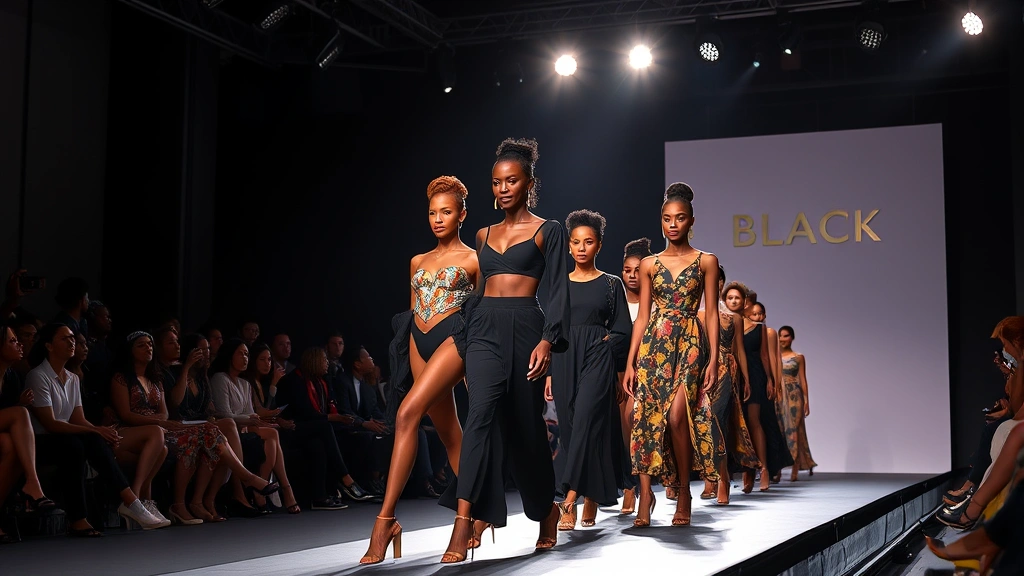
The fashion industry is experiencing a powerful renaissance driven by visionary Black designers who are reshaping global style narratives and redefining luxury. These creative powerhouses bring authentic perspectives, cultural richness, and innovative design philosophies that challenge conventional fashion norms while establishing new industry standards. From haute couture runways to sustainable streetwear collections, Black fashion designers are commanding attention, influence, and respect on the world stage.
The representation of Black creatives in fashion has historically been limited, yet today’s landscape reveals an extraordinary shift. Emerging and established Black designers are not merely participating in fashion—they’re leading transformative movements that celebrate heritage, embrace innovation, and create aspirational collections that resonate globally. Whether you’re passionate about sustainable fashion, high-end couture, or contemporary streetwear, understanding the work of these influential designers is essential to staying current with industry trends and supporting meaningful creative voices.

Pioneering Luxury Designers Redefining High Fashion
When discussing influential Black fashion designers, the conversation inevitably centers on those who have established themselves as luxury powerhouses. These designers have transcended traditional gatekeeping within haute couture, creating collections that command premium pricing, international recognition, and prestigious accolades. Their work represents a deliberate reclamation of luxury spaces historically dominated by European fashion houses.
Virgil Abloh revolutionized contemporary luxury through his groundbreaking approach to streetwear-meets-high-fashion aesthetics. Before his passing in 2021, Abloh served as artistic director for Louis Vuitton’s menswear line, becoming the first Black creative director in the brand’s storied history. His brand Off-White became a cultural phenomenon, merging architectural precision with street-level accessibility. Abloh’s philosophy centered on demystifying fashion design, making luxury feel attainable while maintaining exclusivity and artistic integrity.
Kerby Jean-Raymond of Pyer Moss continues to push boundaries with conceptual collections that blur fashion with fine art and social commentary. His work challenges audiences to think critically about representation, identity, and belonging within luxury spaces. Jean-Raymond’s presentations transcend typical runway shows, transforming them into immersive cultural experiences that spark conversation and emotional connection. His collections are featured in fashion style discussions globally.
Aurora James, founder of Brother Vellies, has established herself as a luxury designer committed to African craftsmanship and economic empowerment. Her distinctive footwear and accessories celebrate heritage techniques while commanding luxury price points. James’s work exemplifies how Black designers can honor cultural roots while achieving international prestige and commercial success in the competitive luxury market.
Thebe Magugu, South Africa’s visionary designer, has rapidly ascended the luxury fashion hierarchy with collections that merge African narratives with contemporary silhouettes. His award-winning designs showcase intricate craftsmanship, innovative fabric manipulation, and profound storytelling. Magugu’s work demonstrates how Black designers from the African continent are claiming significant positions within global luxury fashion ecosystems.
Sustainable and Ethical Fashion Leaders
A growing cohort of Black designers is championing sustainable and ethical fashion practices, proving that environmental consciousness and social responsibility can coexist with creative excellence and commercial viability. These designers are establishing new industry standards while challenging fast-fashion norms.
Bethany Yellowtail of B. Yellowtail creates luxury sportswear and contemporary wear while maintaining deep commitments to Indigenous heritage and environmental stewardship. Her designs celebrate Native American aesthetics while utilizing sustainable materials and ethical production practices. Yellowtail’s work bridges cultural pride with modern fashion consciousness, attracting consumers who value both style and substance.
Gabriela Hearst has emerged as a sustainability leader within luxury fashion, creating exquisite collections from deadstock materials and renewable resources. Her meticulous attention to environmental impact without compromising design sophistication has influenced broader industry conversations about sustainable luxury. Hearst demonstrates that eco-conscious design can achieve the highest levels of fashion prestige.
The intersection of sustainability and Black design leadership is particularly significant because it centers voices historically excluded from luxury conversations while advancing critical environmental agendas. These designers prove that ethical fashion isn’t a compromise but an evolution toward more responsible, meaningful creative practice. Understanding fashion history timeline reveals how sustainability is becoming central to contemporary design narratives.
Contemporary Streetwear Innovators
Streetwear has become one of fashion’s most influential categories, and Black designers have been instrumental in elevating street-level aesthetics to international prominence. These creatives blend cultural commentary, artistic vision, and commercial appeal in collections that define contemporary style.
Jerry Lorenzo of Fear of God has transformed streetwear into luxury territory, creating elevated basics and outerwear that command premium positioning. His minimalist approach, meticulous construction, and understanding of cultural relevance have made Fear of God a defining contemporary brand. Lorenzo’s influence extends beyond fashion into broader lifestyle and cultural conversations.
Tremaine Emory brings irreverent creativity and cultural commentary through his various projects and collaborations. Known for witty graphics, bold statements, and unexpected design choices, Emory represents a generation of Black designers who use fashion as a platform for social dialogue and artistic expression. His work challenges audiences while maintaining accessibility and cultural resonance.
Marine Serre, while French-based, collaborates extensively with Black creatives and has become known for her innovative approach to contemporary design. The broader streetwear movement includes numerous Black designers pushing boundaries with limited-edition drops, collaborative collections, and social media-driven marketing strategies that feel distinctly contemporary.
Streetwear’s democratic ethos—valuing authenticity, cultural relevance, and artistic merit over traditional luxury markers—has created space for Black designers to establish influential brands outside traditional fashion industry structures. This democratization of fashion authority represents a significant cultural shift. Exploring 90s fashion influences reveals how streetwear roots in hip-hop culture have evolved into today’s dominant aesthetic.
Emerging Talents Shaping Future Trends
Beyond established names, a remarkable generation of emerging Black designers is gaining momentum, bringing fresh perspectives and innovative approaches to contemporary fashion.
Theophilio, led by designer Edvin Thompson, creates conceptual collections that merge avant-garde silhouettes with wearable sophistication. Thompson’s meticulous construction and artistic vision position Theophilio as a brand to watch, representing the next generation of Black luxury designers commanding international attention.
Nensi Dojaka has rapidly gained recognition for her innovative knitwear and contemporary designs that challenge conventional approaches to fabric and form. Her work exemplifies how emerging Black designers are introducing fresh technical approaches and aesthetic sensibilities to fashion’s contemporary landscape.
Bianca Saunders creates gender-fluid collections that explore identity, silhouette, and cultural expression. Saunders’s work represents a generation of Black designers prioritizing inclusivity and self-expression while maintaining rigorous design standards and artistic integrity.
Mowalola Okeowo brings bold, provocative design sensibilities and fearless creative direction. Her collections challenge fashion conventions while celebrating individuality and self-determination. Okeowo’s rapid rise demonstrates how emerging Black designers are capturing industry attention through distinctive artistic visions.
These emerging voices, combined with established Black designers, are fundamentally reshaping fashion’s future. Their work influences everything from how to find your personal style to broader industry trends and consumer expectations.
Industry Impact and Cultural Significance
The rise of prominent Black fashion designers extends far beyond aesthetic contributions. These creatives are reshaping industry structures, economic opportunities, and cultural narratives within fashion.
Economic Empowerment and Business Leadership
Black designers establishing successful brands create employment opportunities, mentorship pathways, and economic empowerment within their communities. Many prioritize hiring diverse teams, supporting Black suppliers, and investing in communities historically marginalized within fashion industries. This commitment to economic justice distinguishes many Black-led brands from conventional luxury houses.
Cultural Representation and Narrative Control
When Black designers control creative direction, they shape how Black identity, beauty, and culture are represented within fashion narratives. Rather than being subjects of fashion photography or muses for other designers, Black creatives are authoring their own stories, celebrating their heritage on their terms, and defining aesthetic standards that celebrate Black beauty and culture authentically.
Influence on Global Fashion Trends
Black designers’ innovations influence major fashion houses, trend forecasting, and consumer preferences globally. From silhouette innovations to color palettes to conceptual approaches, Black creatives set trends that ripple across the entire industry. This influence extends to how fashion is marketed, who is centered in campaigns, and what narratives brands prioritize.
Educational and Institutional Change
The prominence of Black fashion designers has influenced fashion education, with institutions increasingly prioritizing diverse faculty, inclusive curricula, and support for students from underrepresented backgrounds. This structural change promises to further diversify creative voices within fashion for generations to come. Resources like StyleLoom Daily Blog increasingly feature these conversations and celebrate diverse creative voices.
Luxury Redefined
Black designers are redefining what luxury means—moving beyond exclusionary gatekeeping toward concepts emphasizing craftsmanship, cultural significance, sustainability, and accessibility. This evolution challenges traditional luxury definitions while creating space for more inclusive, meaningful expressions of high fashion.
Major fashion publications including Vogue have increasingly dedicated coverage to Black designers, recognizing their cultural and commercial significance. Industry platforms like Business of Fashion track emerging talent and market trends among Black creatives. Educational institutions like Fashion Institute of Design and Merchandising now actively promote Black designer representation in curricula and industry partnerships.
FAQ
Who are the most influential Black fashion designers currently?
Top influential Black designers include Kerby Jean-Raymond (Pyer Moss), Aurora James (Brother Vellies), Thebe Magugu, Jerry Lorenzo (Fear of God), and emerging talents like Nensi Dojaka and Bianca Saunders. Each brings distinctive perspectives and commercial success within different fashion categories.
How are Black designers changing the fashion industry?
Black designers are reshaping fashion through innovative design approaches, challenging traditional luxury gatekeeping, prioritizing sustainability and ethical practices, centering diverse narratives, creating economic opportunities within their communities, and influencing global trend direction. Their work fundamentally transforms how fashion is created, marketed, and consumed.
Where can I discover Black-owned fashion brands?
You can explore Black-owned brands through fashion publications like Vogue, specialized platforms featuring emerging designers, social media communities celebrating diverse creatives, and curated shopping platforms. Fashion retailers and platforms increasingly feature Black-owned brands prominently.
What makes Black designers’ perspectives unique in fashion?
Black designers bring authentic cultural perspectives, lived experiences, and creative visions shaped by distinct narratives and histories. Their work often celebrates heritage, challenges conventions, and centers voices historically excluded from fashion’s highest platforms. This authenticity resonates globally while advancing meaningful cultural conversations.
How can I support Black fashion designers?
Support Black designers by purchasing from their brands, following their work on social media, attending fashion shows and events, advocating for diverse representation in fashion institutions, and amplifying their work within your networks. Conscious consumption and vocal support create meaningful economic and cultural impact.